Understanding the Landscape of Connectivity in Lesotho
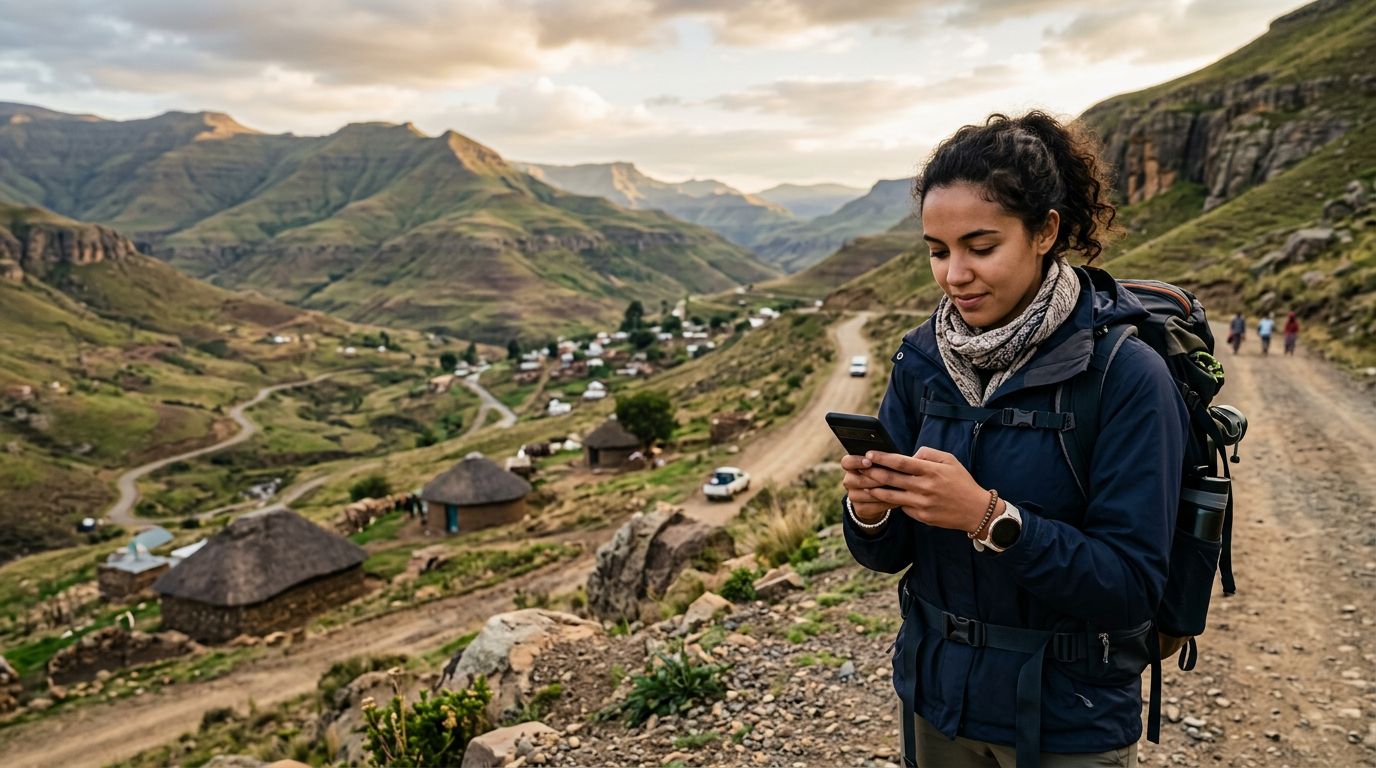
Traveling to the Mountain Kingdom of Lesotho offers breathtaking vistas, from the high-altitude peaks of the Maloti Mountains to the cultural richness of its rural villages. However, staying connected in such rugged terrain requires a bit of planning. When you arrive, you are faced with a fundamental choice: sticking with a traditional physical SIM card purchased locally or opting for the flexibility of an eSIM.
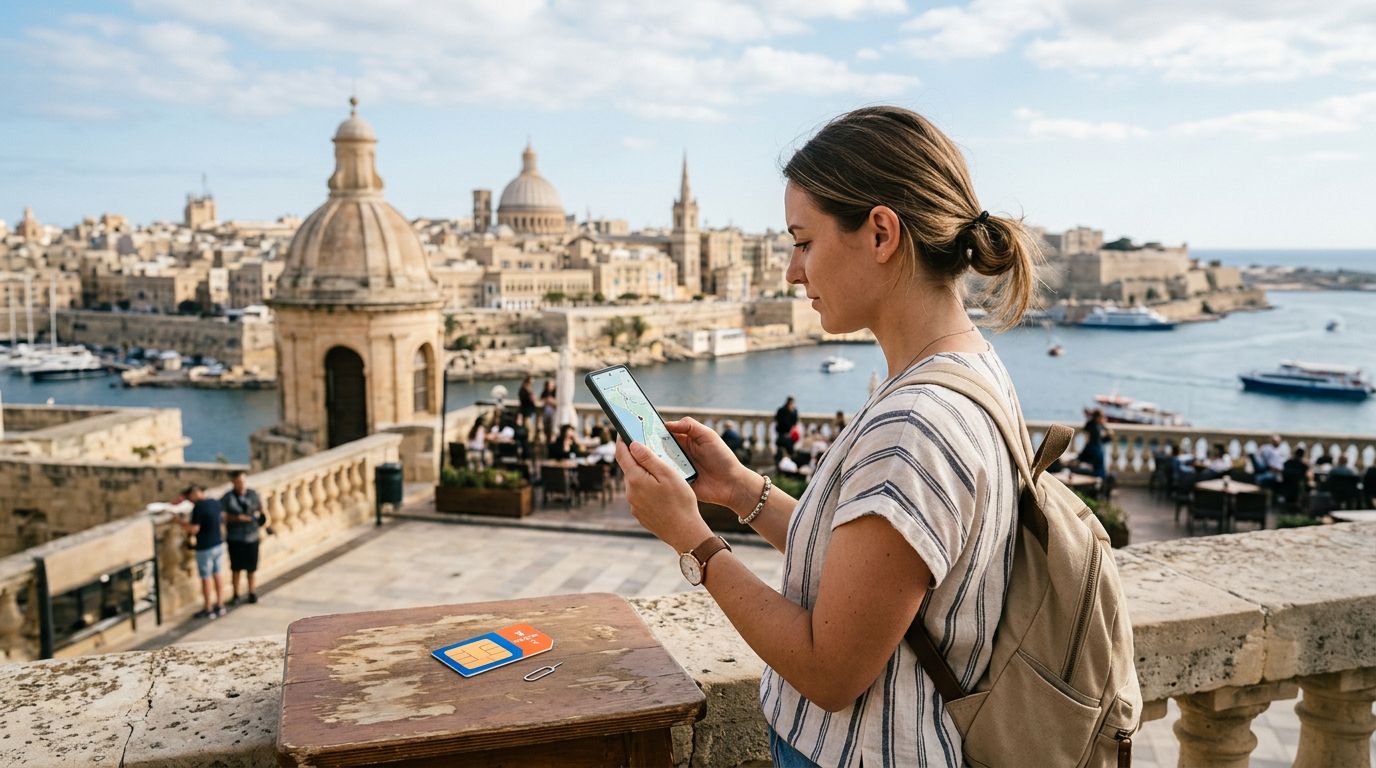
A physical SIM card has been the standard for decades. It involves a small plastic chip that you insert into your device. In Lesotho, this usually means visiting a local mobile network operator’s shop, presenting your identification, and waiting for the card to be activated. While this method is reliable, it comes with physical limitations. You must handle a tiny piece of plastic, ensure it is inserted correctly, and often keep track of your original home SIM card to avoid losing it.
On the other hand, an eSIM—or embedded SIM—is a digital version of that physical card. It is built directly into the hardware of modern smartphones. Instead of swapping out a physical component, you download a digital profile that allows your phone to connect to local networks. For travelers, this shift represents a significant change in how they manage their mobile data while abroad.
Comparing Convenience and Setup
The primary advantage of choosing an eSIM over a physical SIM card is the sheer convenience of the setup process. With a physical SIM, your first few hours in Lesotho might be spent searching for a mobile provider’s kiosk at the airport or in the capital, Maseru. You may face language barriers, long queues, or the frustration of finding a shop that is closed for the day. Once you obtain the card, you have to physically swap it, which risks damaging your phone’s SIM tray or losing your home SIM card in the process.
An eSIM, by contrast, allows you to prepare before you even board your flight. You can purchase your connectivity package online and scan a QR code or enter activation details as soon as you land. Services like OneTapSIM are designed to streamline this experience, providing a straightforward digital interface that gets you online without the need to visit a physical store. This is particularly beneficial in a country like Lesotho, where infrastructure can be sparse outside of main urban centers. By the time you step off the plane, your phone is already configured to connect to the local mobile towers, allowing you to use navigation apps, check your emails, or share your travel photos immediately.
Furthermore, an eSIM allows you to keep your home SIM card active in your device simultaneously. This means you can continue to receive important SMS messages or calls from home on your primary number while using your eSIM for data. You do not have to worry about the logistical headache of storing a tiny piece of plastic in your wallet or passport holder, reducing the risk of losing your home connection entirely.
Performance and Compatibility Considerations
When debating the Lesotho SIM card vs eSIM choice, it is vital to consider network performance and device compatibility. In Lesotho, the quality of your connection depends heavily on the local mobile operators. Both physical SIMs and eSIMs generally tap into the same local network infrastructure. Therefore, you are not sacrificing signal strength by choosing a digital option. Whether you are trekking through Sehlabathebe National Park or staying in a lodge in the highlands, the coverage you receive will be dictated by the local towers, not the format of the SIM you choose.
However, device compatibility is the one hurdle you must clear. Not all smartphones support eSIM technology. Before deciding on this route, you should check your device settings or consult the manufacturer’s support documentation to ensure your phone is unlocked and eSIM-capable. Most flagship devices released in the last few years are compatible, but it is always safer to verify your specific model. If your phone does not support eSIM, a physical SIM card remains your only viable option.
Another aspect to consider is the ease of managing your data. With a traditional SIM, if you run out of data, you often have to purchase a top-up card from a shop or navigate a complex USSD menu on your phone. Digital eSIM providers often offer apps or web portals where you can monitor your usage in real-time and purchase additional data with just a few clicks. This level of control is invaluable when you are traveling in a foreign country and want to avoid the stress of being disconnected unexpectedly.
Ultimately, the choice comes down to your personal travel style. If you enjoy the traditional experience of interacting with locals at a mobile shop and prefer the tactile nature of a physical card, a local SIM will serve you well. However, if you prioritize efficiency, security, and the ability to manage your connectivity from your phone’s settings, the eSIM is the modern standard for international travel. By choosing a provider that simplifies the activation process, you can spend less time worrying about your mobile settings and more time enjoying the spectacular scenery and culture that Lesotho has to offer. Whether you opt for the classic plastic card or the digital flexibility of OneTapSIM, ensuring you have a reliable connection is the first step toward a successful adventure in the Mountain Kingdom.
Get an eSIM for
Plans for the destinations covered in this guide, with instant QR delivery.