Understanding the Connectivity Landscape in Bahrain
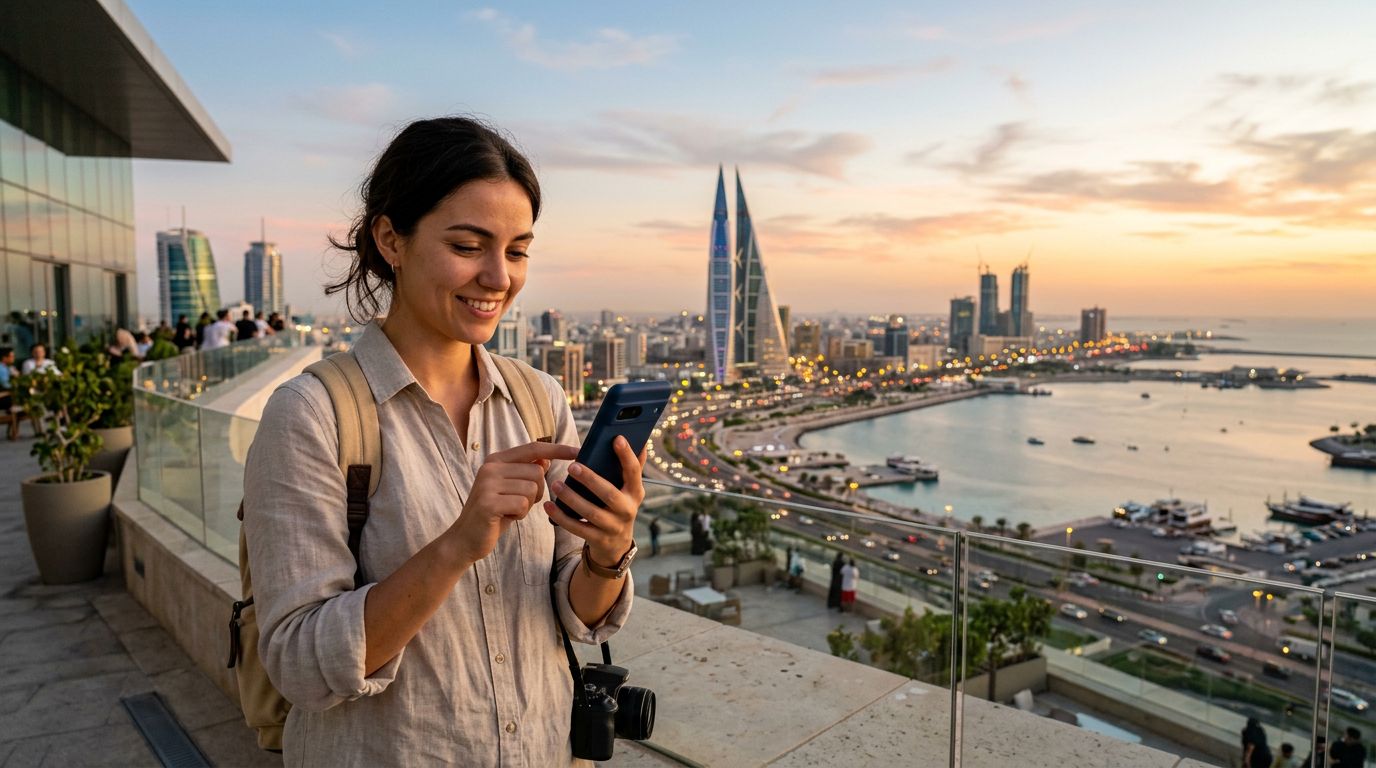
Traveling to the Kingdom of Bahrain offers a unique blend of ancient history and modern luxury. Whether you are visiting the bustling souks of Manama, exploring the historic Qal'at al-Bahrain, or attending business meetings, staying connected is essential. For years, the standard approach for international travelers was to seek out a physical SIM card upon arrival. However, the rise of eSIM technology has fundamentally changed how tourists manage their mobile data abroad.
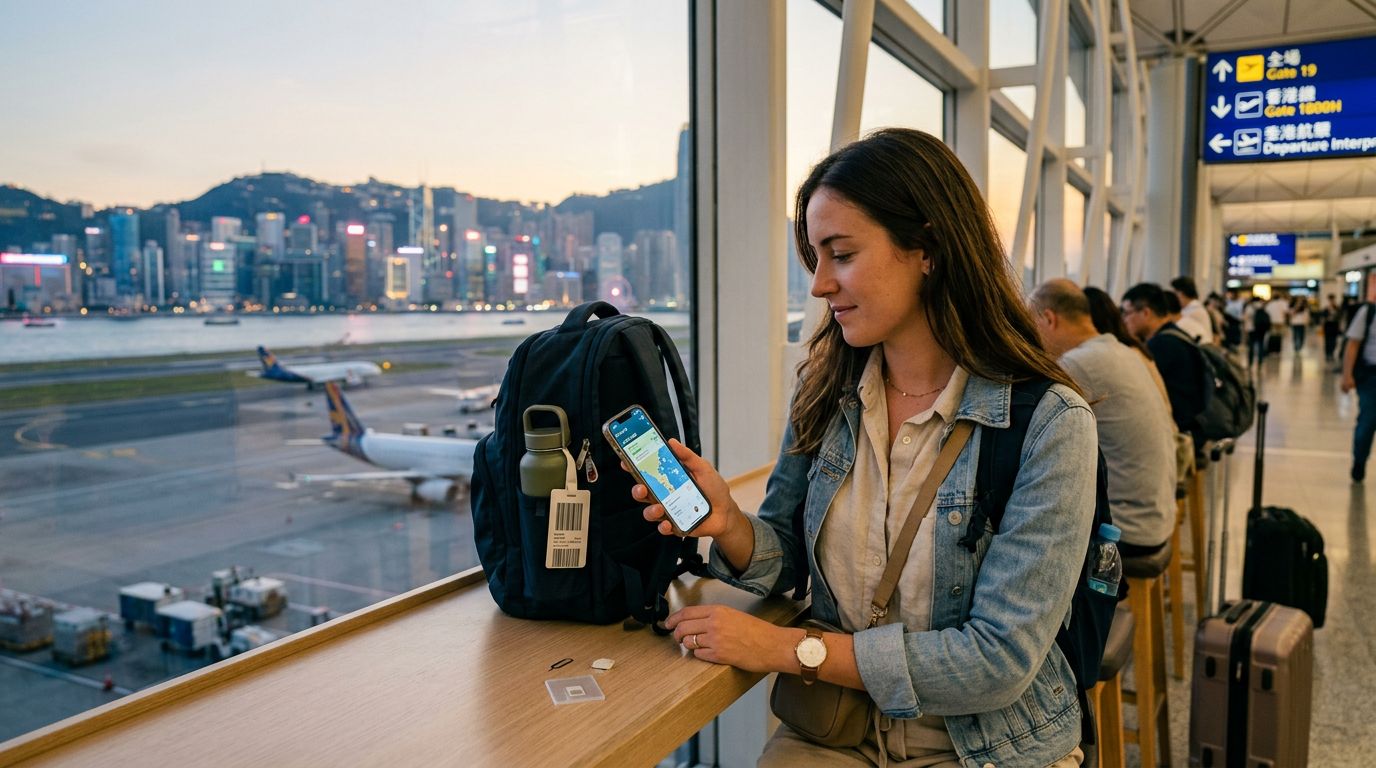
When comparing a Bahrain SIM card vs eSIM, the primary difference lies in the delivery and installation process. A physical SIM card is a tangible piece of plastic that must be inserted into your device’s SIM tray. This often requires finding a kiosk at the airport, waiting in a queue, and physically swapping out your home SIM card—a process that carries the risk of losing your original chip.
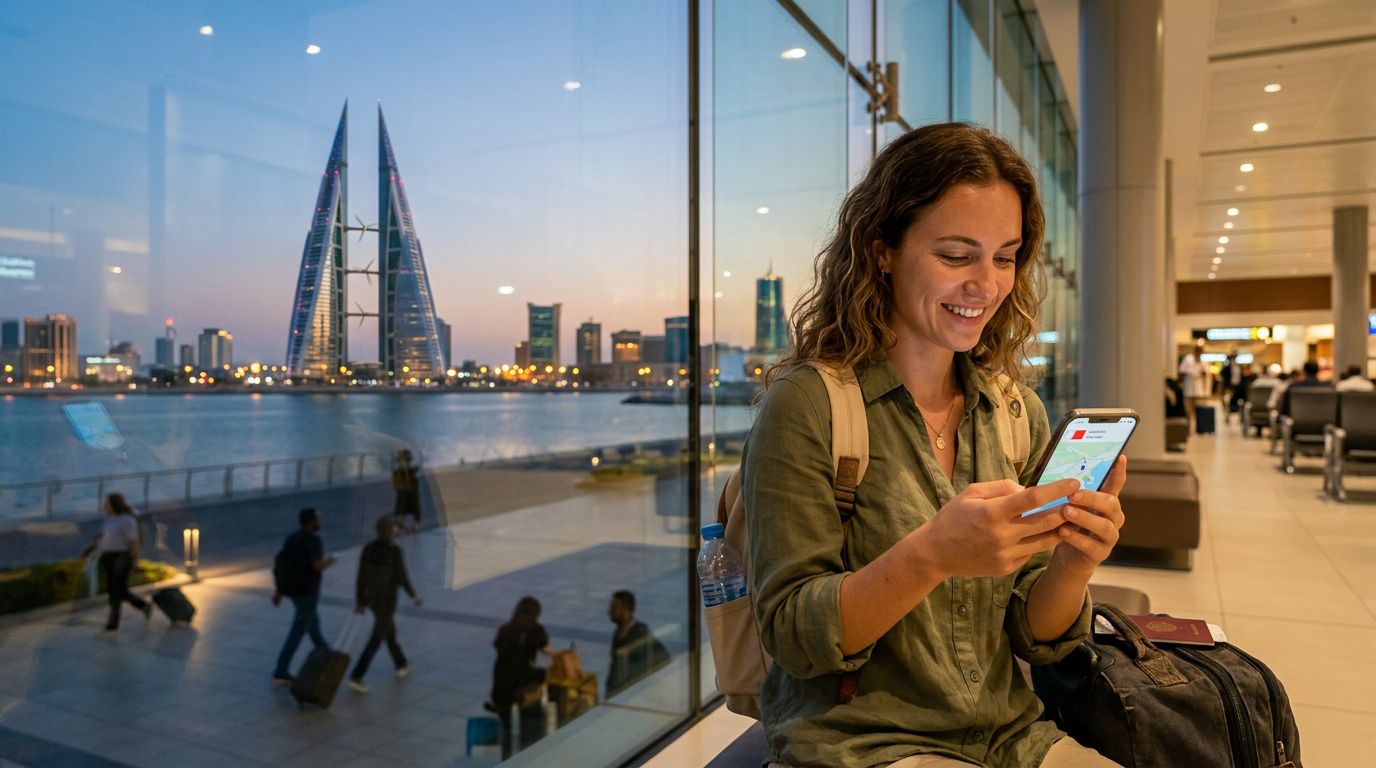
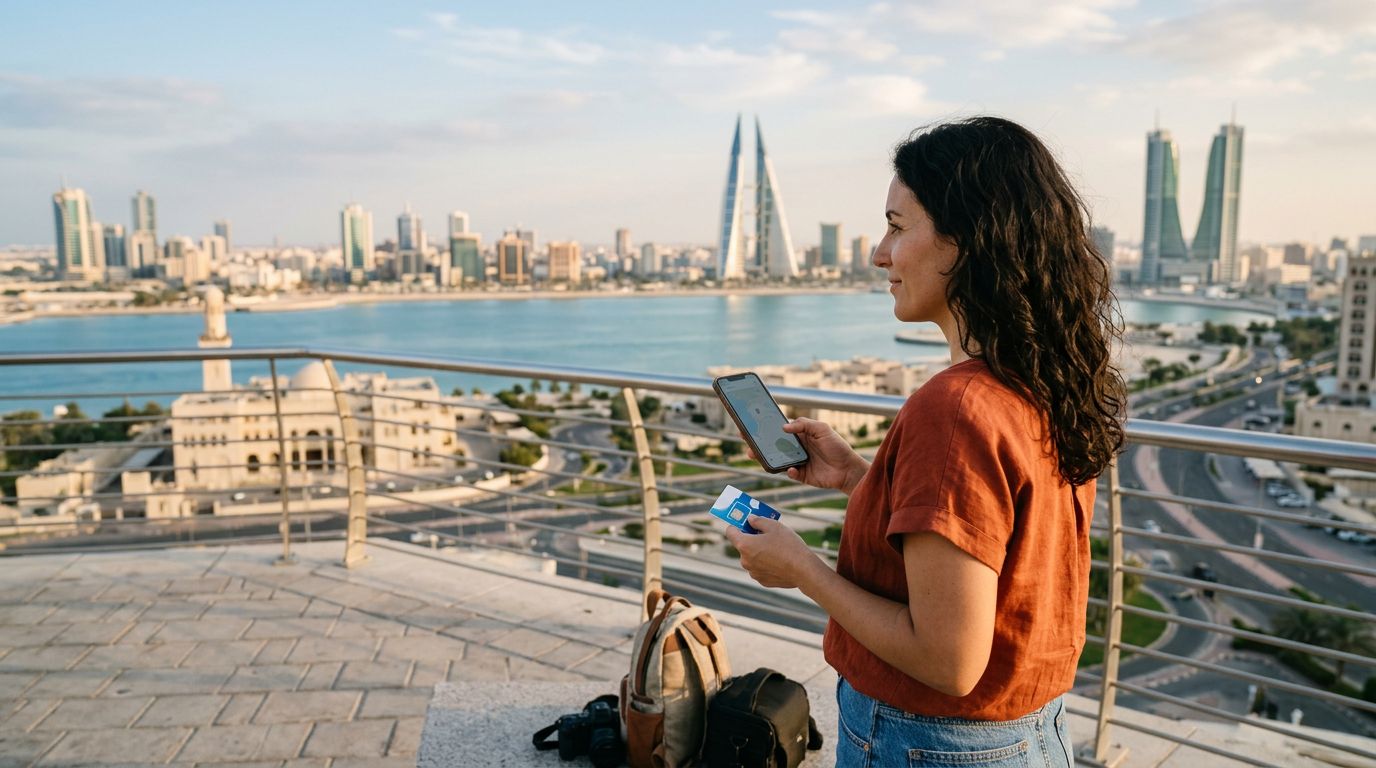
An eSIM, or embedded SIM, is a digital alternative. It is built directly into the hardware of modern smartphones. Instead of visiting a physical shop, you simply scan a QR code or enter activation details provided by your service provider. Because the eSIM is software-based, you can activate your Bahraini data plan before your plane even touches down on the tarmac. This immediacy is the defining advantage for travelers who value efficiency and convenience.
The Practical Differences: Physical SIM vs. eSIM
The choice between a traditional SIM card and an eSIM involves weighing convenience against hardware compatibility. If you are using an older smartphone, your device might not support eSIM functionality. In such cases, a physical SIM card remains your only option. However, most flagship devices released in the last few years are fully compatible with eSIM technology. You can verify your device's capabilities through official support pages from manufacturers like Apple or Google.
One of the most significant inconveniences of a physical SIM card is the "SIM swap" ritual. When you remove your home SIM card to make room for a local Bahraini card, you lose the ability to receive SMS messages or calls on your primary number. This is problematic if you rely on two-factor authentication for banking or need to stay reachable for urgent work matters.
With an eSIM, your primary SIM card can remain in your phone. Most modern smartphones allow for "Dual SIM" functionality, where you can keep your home number active for calls and texts while using the eSIM specifically for mobile data. This setup ensures you never miss a notification from home while enjoying high-speed local data in Bahrain. OneTapSIM provides a streamlined way to manage this, allowing you to switch between data profiles without the physical hassle of handling tiny plastic cards or searching for a paperclip to eject your SIM tray.
Another factor to consider is the environmental impact and longevity. Physical SIM cards are single-use plastic items that contribute to electronic waste. An eSIM is entirely virtual, eliminating the need for manufacturing, shipping, and disposing of plastic cards. Furthermore, you cannot lose an eSIM. If you lose your phone, your data plan is tied to your account, not a fragile piece of plastic, making it a more robust solution for the modern traveler.
Why Choose an eSIM for Your Bahrain Trip
The transition to digital connectivity is not just about keeping up with trends; it is about improving the travel experience. When you arrive at Bahrain International Airport, the last thing you want to do is hunt for a mobile shop, provide your passport details, and wait for a clerk to register a new account. By using a service like OneTapSIM, you can handle the entire setup process from the comfort of your home or hotel.
Coverage and network quality are often concerns for travelers. In Bahrain, the major telecommunications providers offer excellent 4G and 5G coverage across the island. Whether you choose a physical SIM or an eSIM, you are generally connecting to the same local network infrastructure. The difference is solely in how you access that network. By opting for an eSIM, you gain the ability to manage your data usage, track your consumption, and top up if necessary, all through your phone’s settings menu.
Security is another often-overlooked benefit. Physical SIM cards can be removed by someone else if your phone is stolen, potentially allowing them to access your contacts or use your device. An eSIM is locked to your device’s hardware and the specific user profile, adding a layer of security that physical cards simply do not offer.
For travelers visiting multiple countries in the region, the eSIM advantage grows even further. You can store multiple eSIM profiles on a single device. If you are flying from Bahrain to the UAE or Saudi Arabia, you can toggle between your regional data plans with a few taps. There is no need to carry a wallet full of different SIM cards or worry about where you stored your home card.
Ultimately, the decision comes down to your personal preference for technology and your device's capabilities. If you have a compatible phone, the eSIM is objectively more efficient, secure, and convenient. It allows you to land in Bahrain and immediately access maps, ride-sharing apps, and messaging services without a single moment of downtime. As global connectivity standards continue to shift toward digital-first solutions, embracing the eSIM is the most logical step for any traveler looking to simplify their journey and stay connected with ease. Whether you are a frequent business traveler or a tourist visiting the region for the first time, the flexibility provided by digital SIM technology ensures your focus remains on the experience, not on the technical hurdles of staying online.
Get an eSIM for
Plans for the destinations covered in this guide, with instant QR delivery.