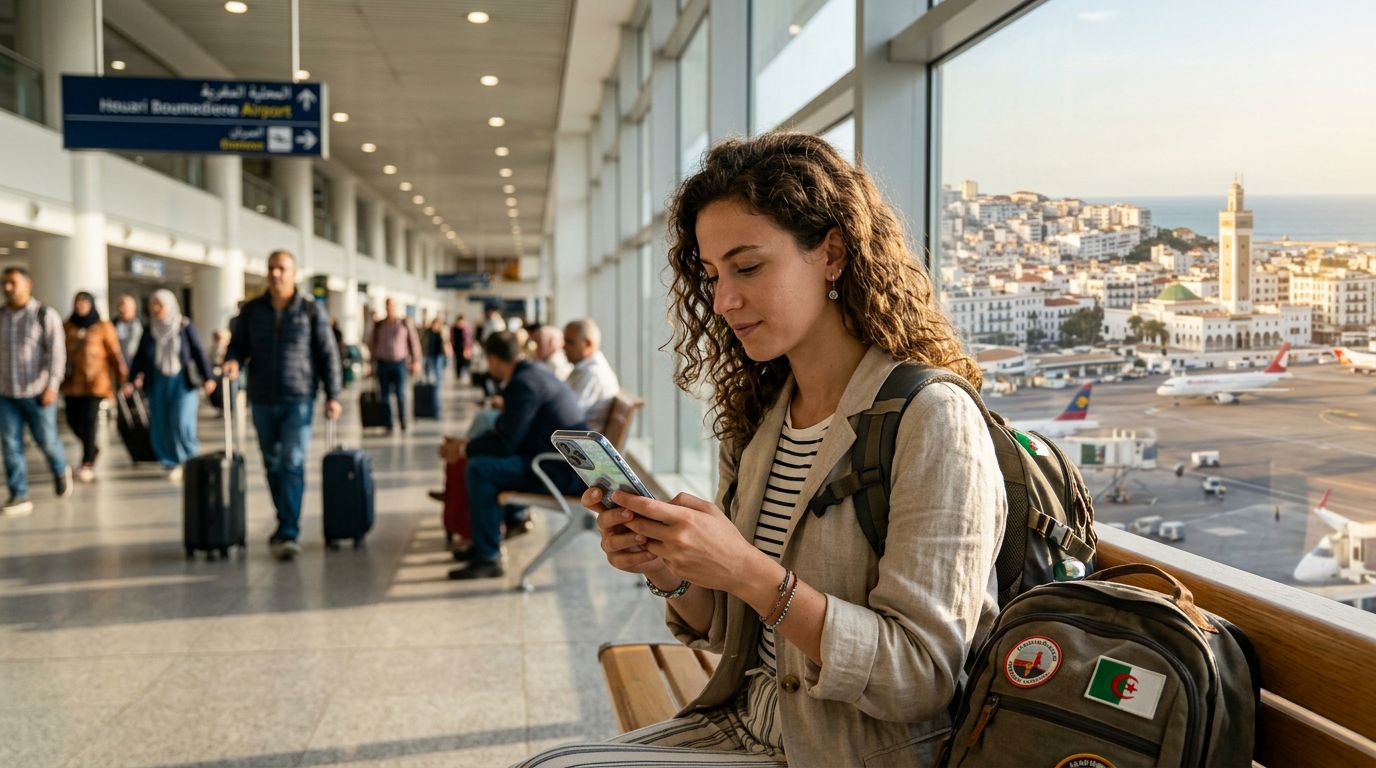
The Evolution of Connectivity in Algeria
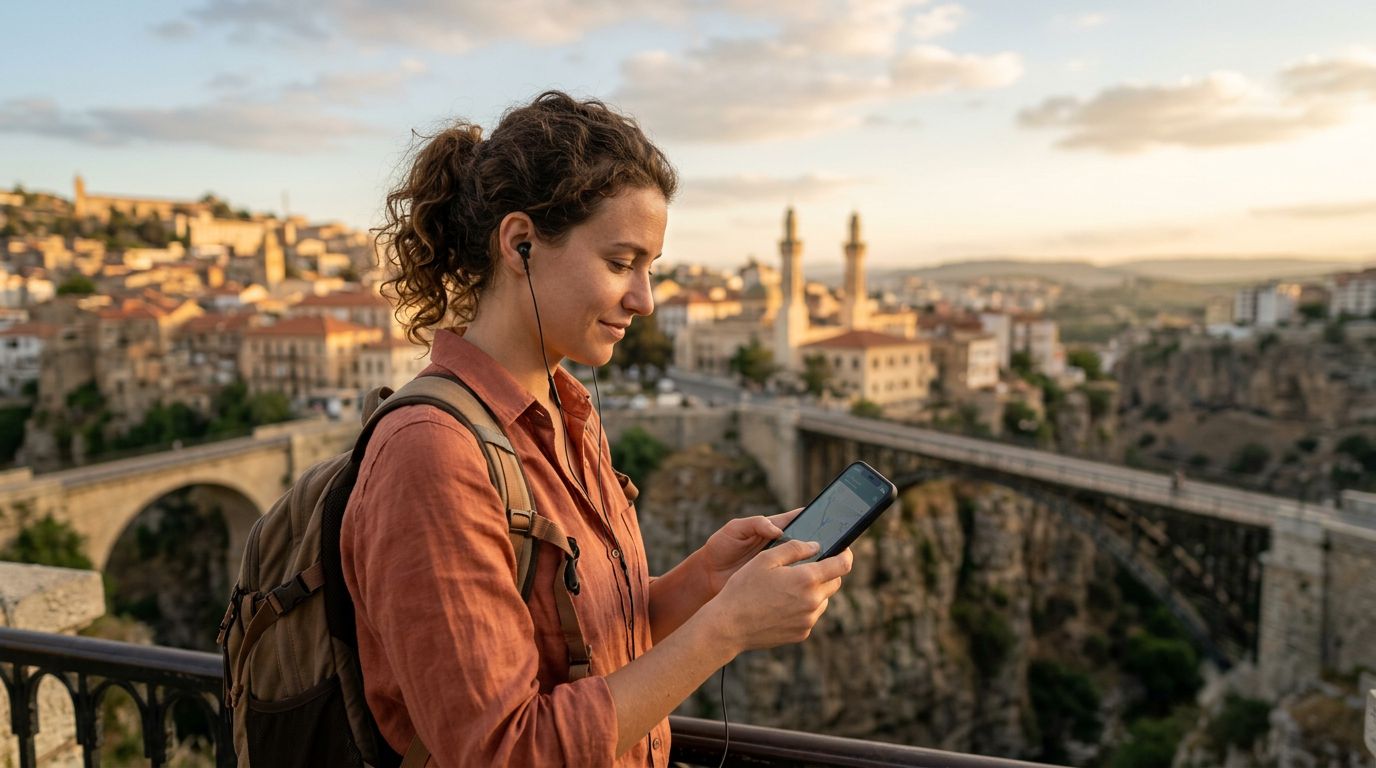
Traveling to Algeria offers a unique experience, from the bustling streets of Algiers to the vast, serene landscapes of the Sahara. As you prepare for your journey, ensuring you have reliable mobile connectivity is essential for navigation, translation, and staying in touch with loved ones. Historically, travelers relied almost exclusively on physical SIM cards purchased at kiosks or airports. However, the introduction of eSIM technology has shifted the landscape, offering a more streamlined approach to international roaming.
When comparing an Algeria SIM card vs eSIM, the primary difference lies in the hardware and the setup process. A traditional SIM card is a physical chip that must be inserted into your device. This often requires finding a local provider, presenting your passport, and waiting for the card to be activated. Conversely, an eSIM is a digital version of the SIM card embedded directly into your phone’s hardware. You download a profile, activate it through your settings, and you are ready to go. Understanding these two options is the first step in deciding how you want to manage your data while abroad.
Physical SIM Cards: The Traditional Approach
The traditional method of obtaining a physical SIM card in Algeria involves visiting a local mobile network operator’s retail store or a booth at the airport. Upon arrival, you will likely need to provide your passport for identity verification, a standard procedure for local telecommunications registration. Once the paperwork is completed, the staff will insert the card into your device and ensure your network settings are configured correctly.
The advantage of a physical SIM card is its ubiquity. Because it is a mature technology, you will find support for physical SIMs in virtually every mobile device, including older models. If you are comfortable with a hands-on approach and prefer to handle your connectivity once you have landed, this method is reliable. However, the process can be time-consuming. Queues at airport kiosks can be long, and language barriers might make the registration process feel more complex than necessary. Furthermore, you must safely store your home SIM card to avoid losing it, which adds a layer of logistical management to your trip.
eSIM Technology: Convenience and Flexibility
The rise of eSIM technology has transformed how international travelers handle connectivity. With a service like OneTapSIM, you can purchase and install your data plan before your flight even takes off. By scanning a QR code or using an activation link, your device downloads the necessary network configurations, allowing you to connect to an Algerian network the moment you land.
This method eliminates the need to visit a physical store or wait in line at the airport. It also keeps your primary phone number active, provided your device supports dual-SIM functionality. This is particularly useful for travelers who need to receive important SMS messages or calls on their home number while using a separate data plan for maps and local information.
Compatibility is the only major prerequisite for using an eSIM. While most modern smartphones manufactured in the last few years support this technology, it is always wise to check your device’s specifications through official manufacturer resources like those provided by Apple or Google before purchasing a plan. If your phone is carrier-locked, you may need to contact your home provider to unlock it before an eSIM will function. For those with compatible hardware, the convenience of avoiding physical card swaps and the ability to manage data usage entirely through a digital interface makes the eSIM an increasingly popular choice.
Making the Right Choice for Your Trip
Deciding between an Algeria SIM card vs eSIM depends largely on your personal travel style and your device capabilities. If you are traveling with an older smartphone that does not support eSIM technology, a physical SIM card remains your best and only option. It is a proven, effective way to get online, provided you have the patience to navigate the local registration process upon arrival.
If you own a modern, unlocked smartphone, the eSIM route offers a significant upgrade in efficiency. The ability to manage your connectivity remotely means you can spend more time enjoying the architecture of the Casbah or the beauty of the desert and less time dealing with cellular logistics. Solutions like OneTapSIM are designed to integrate seamlessly into this digital-first experience, providing clear instructions and stable connectivity without the need for physical hardware swaps.
Consider your itinerary as well. If you are planning a multi-country trip, some eSIM providers offer regional plans that cover several destinations, simplifying your connectivity across borders. If you are strictly visiting Algeria for a short period, a single-country eSIM plan provides exactly what you need without the commitment of a long-term local contract.
Ultimately, both options will keep you connected. The physical SIM card offers familiarity and universal hardware support, while the eSIM offers speed, convenience, and the ability to keep your home SIM safely tucked away in your phone. By assessing your device’s compatibility and your preference for pre-trip preparation versus on-site setup, you can choose the connectivity method that best supports your Algerian adventure. Regardless of the path you choose, having a reliable data connection will undoubtedly make your travel experience smoother, safer, and more enjoyable.
Get an eSIM for
Plans for the destinations covered in this guide, with instant QR delivery.