Understanding Connectivity Options for Your Azerbaijan Adventure
Planning a trip to Azerbaijan involves more than just booking flights and choosing hotels. You need a reliable way to stay connected while exploring the historic streets of Baku, the mountain villages of the Caucasus, or the mud volcanoes of Gobustan. Travelers often find themselves choosing between a physical Azerbaijan SIM card and the modern alternative, an eSIM.
A physical SIM card is the traditional method. It involves removing your home SIM card from your device and replacing it with a local one purchased upon arrival. While this has been the standard for decades, it comes with logistical hurdles. You must find a mobile operator’s kiosk, present your passport for registration, and ensure your phone is physically unlocked to accept foreign cards.
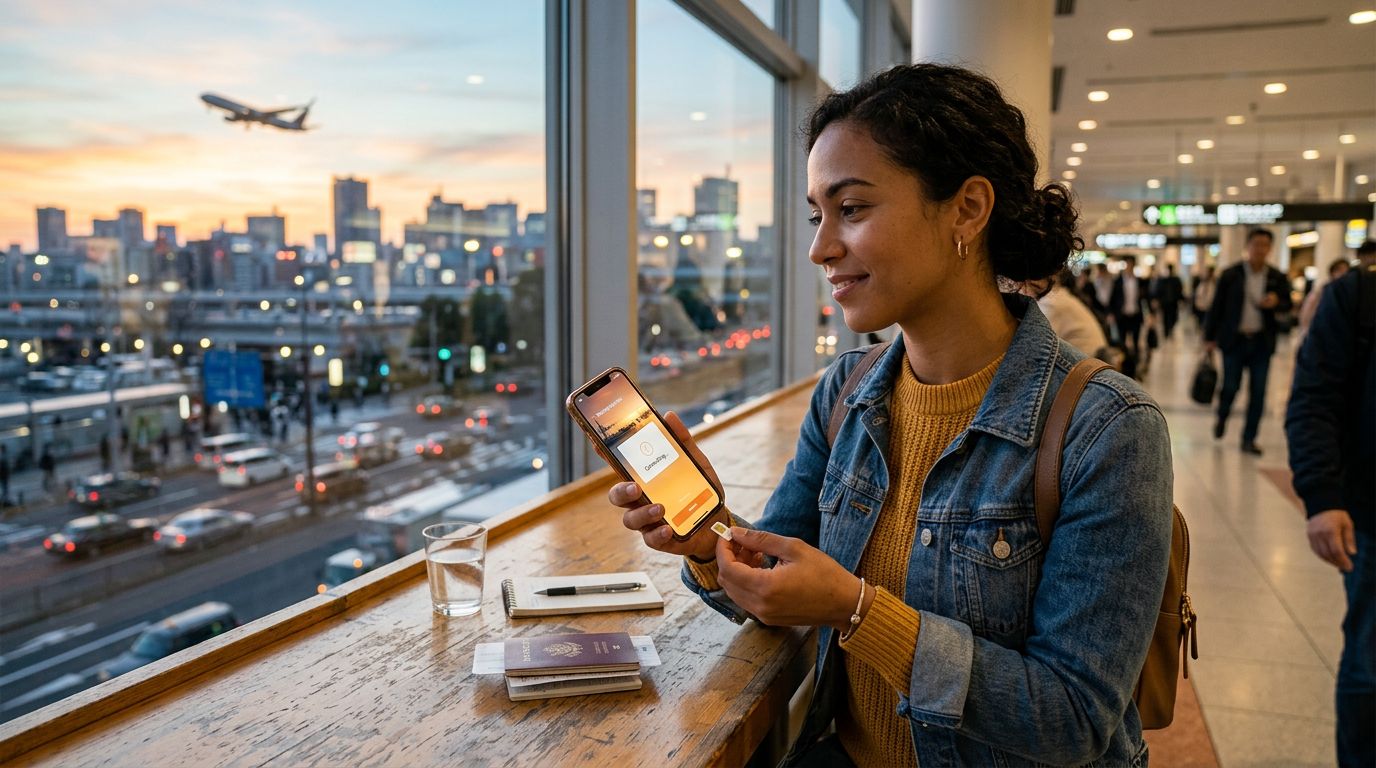
On the other hand, an eSIM—or embedded SIM—is a digital version of a physical card. It is built directly into your smartphone’s hardware. Instead of swapping out a tiny piece of plastic, you simply download a profile to your phone. This technology has revolutionized how we manage mobile data while traveling, allowing you to activate a local data plan before your plane even touches down at Heydar Aliyev International Airport.
Comparing the Convenience of Physical SIMs and eSIMs
The primary difference between these two options is convenience. When you land in a new country, you want to start your journey immediately. With a physical SIM card, you are often forced to wait in queues at airport kiosks. After a long flight, the last thing you want to do is hunt for a store, deal with language barriers during the registration process, and fumble with tiny SIM ejector tools. There is also the risk of losing your original home SIM card, which is small and easily misplaced during the swap.
An eSIM eliminates these physical stressors. Because the technology is software-based, you can purchase and install your plan from the comfort of your home. Services like OneTapSIM allow you to manage your connectivity digitally, providing a seamless transition from your home network to a local Azerbaijan network. Once you arrive, your phone automatically switches to the local data plan, ensuring you have GPS, translation apps, and ride-sharing services available the moment you turn off airplane mode.
Another significant advantage of the eSIM is the ability to keep your home number active. With a physical SIM, you must remove your primary card, meaning you cannot receive calls or SMS messages from your home country. With an eSIM, most modern smartphones allow you to keep both your home SIM and your travel eSIM active simultaneously. You can use your home SIM for essential calls while relying on the eSIM for data, which is far more efficient for mapping, social media, and travel research.
Compatibility and Technical Considerations
Before deciding which route to take, you must ensure your device is compatible with eSIM technology. Most flagship smartphones released in the last few years support this feature. If you are unsure if your device is capable, you can verify this through the official support pages provided by Apple or Google.
One common misconception is that eSIMs are difficult to set up. In reality, the process is quite straightforward. After selecting a plan, you typically receive a QR code or an activation link. You scan the code or follow the prompts in your device’s cellular settings, and the new network profile is downloaded. This process takes only a few minutes and requires a stable internet connection, which is why setting it up before you leave home is the most recommended approach.
If your device does not support eSIM, or if you prefer the traditional method, a physical Azerbaijan SIM card remains a functional choice. You will need to ensure your phone is carrier-unlocked; if your device is locked to a specific network provider in your home country, it will not accept a local SIM card from a different operator. It is vital to check your device's lock status with your home carrier well in advance of your trip.
Making the Best Choice for Your Travel Needs
When weighing the Azerbaijan SIM card vs eSIM debate, consider the duration of your stay and your technical comfort level. If you are a frequent traveler who values efficiency and wants to avoid the hassle of physical hardware, the eSIM is the clear winner. It provides a cleaner, more reliable experience that integrates directly into your phone’s existing settings.
For those who prefer a more hands-on approach or are using older hardware that lacks eSIM support, a physical local SIM card is a reliable fallback. However, be prepared to dedicate time to the registration process, which is mandatory in many countries, including Azerbaijan. You will likely need to provide your passport details to the local mobile provider to activate the service.
Ultimately, the goal is to maintain connectivity without letting it interfere with your travel experience. By preparing your mobile data plan in advance, you can focus on the beauty of the Flame Towers or the ancient architecture of the Icherisheher. Whether you choose the digital flexibility of a service like OneTapSIM or the traditional physical card, having a clear plan before you arrive will ensure your trip to Azerbaijan is smooth, connected, and stress-free. Always check your specific device settings and carrier requirements before departure to ensure you have the best possible experience on the road.
Get an eSIM for
Plans for the destinations covered in this guide, with instant QR delivery.