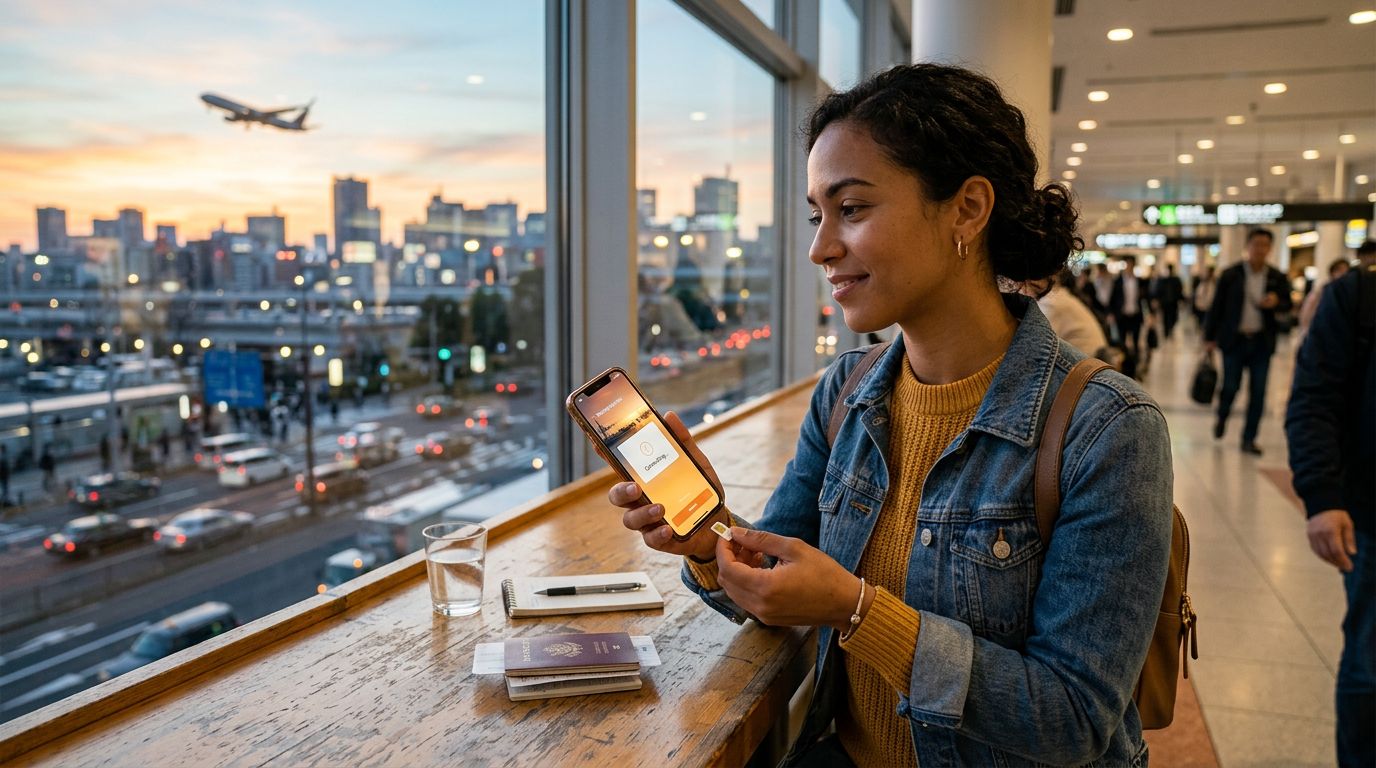
Understanding the Shift in Travel Connectivity
When you prepare for an international journey, the checklist can feel endless. Between booking flights, securing accommodations, and packing your essentials, connectivity often falls to the bottom of the list until you land at your destination. For years, the standard procedure involved hunting for a local kiosk at the airport or swapping out your primary card for a plastic chip. Today, the debate regarding physical SIM vs eSIM for travel has changed how we approach staying connected while abroad.
A physical SIM card is the traditional hardware solution. It is a small, removable piece of plastic that connects your device to a cellular network. For decades, this was the only way to get mobile data. You would remove your home card, store it safely in your wallet, and insert the new one. While reliable, this process is prone to human error—losing that tiny card is a common travel nightmare.
An eSIM, or embedded SIM, is a digital version of that same technology. It is built directly into the hardware of your smartphone. Instead of physically swapping hardware, you activate a data plan through a digital profile. This shift represents a transition from mechanical hardware to software-based connectivity. As more travelers prioritize convenience and efficiency, understanding the nuances of these two options is essential for a stress-free trip.
Comparing Convenience and Flexibility
The primary advantage of choosing an eSIM over a physical SIM is the sheer convenience of the setup process. With a physical card, you are tied to the logistics of delivery or physical purchase. You might have to wait for a shipping window before you leave home, or spend valuable time at an airport kiosk after a long flight, often dealing with language barriers or long queues.
An eSIM removes these friction points. With a service like OneTapSIM, you can purchase and install your data plan before you even leave your house. Once you arrive at your destination, your phone connects to the local network automatically. This means you have a working internet connection the moment your plane touches the tarmac, allowing you to call a rideshare, check your map, or message your family without searching for airport Wi-Fi.
Flexibility is another major factor. Physical SIM cards are often locked to specific carriers or regions, and switching between them requires physical access to your phone’s SIM tray. With an eSIM, you can store multiple profiles on your device. If you are traveling through several countries, you can switch between different regional plans with just a few taps in your phone’s settings. You keep your primary number active for essential calls or texts while using a secondary eSIM for your data needs, ensuring you are never truly disconnected.
Reliability and Device Compatibility
When comparing physical SIM vs eSIM for travel, reliability often comes down to the hardware and the network coverage. Physical SIM cards are durable, but the process of swapping them introduces the risk of damaging the SIM tray or losing the card itself. If you lose your home SIM card while traveling, you face a significant headache upon returning home, as you will need to contact your home carrier to order a replacement.
eSIM technology is generally more secure. Because the chip is soldered into your phone, it cannot be lost or stolen. The digital nature of the connection also means that if you encounter a technical issue, you can often troubleshoot it through your provider’s support interface rather than needing to find a physical shop.
However, device compatibility remains a consideration. While most modern smartphones manufactured in the last few years support eSIM technology, older models may not have this capability. Before opting for an eSIM, it is wise to verify that your device is carrier-unlocked and compatible with eSIM profiles. You can typically find this information in the settings menu of your device or through the manufacturer’s official support pages. If you are using a device that does not support eSIM, a physical card remains your only option.
Making the Best Choice for Your Journey
Choosing between these two technologies depends on your specific travel style and the hardware you carry. If you are a frequent traveler who visits multiple countries, the ability to manage your connectivity digitally is a massive advantage. The ease of switching plans and the ability to maintain your home number for critical two-factor authentication messages make eSIMs the preferred choice for most modern travelers.
For those who prefer a more traditional approach or are using older hardware, the physical SIM card remains a proven, functional tool. It is universally understood and works on virtually every mobile device produced over the last two decades. While it lacks the seamless, "set-it-and-forget-it" nature of an eSIM, it provides a sense of familiarity for those who are not as comfortable managing digital profiles.
As you plan your next trip, consider how much you value your time upon arrival. If you want to bypass the airport kiosks and start your vacation immediately, an eSIM is likely the superior choice. By choosing a provider like OneTapSIM, you can ensure that your connectivity is handled well in advance, leaving you free to focus on the experience of travel rather than the logistics of your mobile plan. Regardless of the method you choose, the goal remains the same: staying connected safely and affordably while you explore the world. Evaluate your device, check your destination’s network options, and select the path that provides the most peace of mind for your upcoming adventure.