Understanding Your Connectivity Options in Cambodia
Planning a trip to Cambodia involves balancing the excitement of visiting ancient temples like Angkor Wat with the practical necessity of staying connected. Whether you need to use ride-sharing apps to get around Phnom Penh, look up historical facts while exploring ruins, or simply keep in touch with family back home, having a reliable data connection is essential. When deciding between a traditional physical SIM card and a modern eSIM, it helps to understand the fundamental differences and how they impact your travel experience.
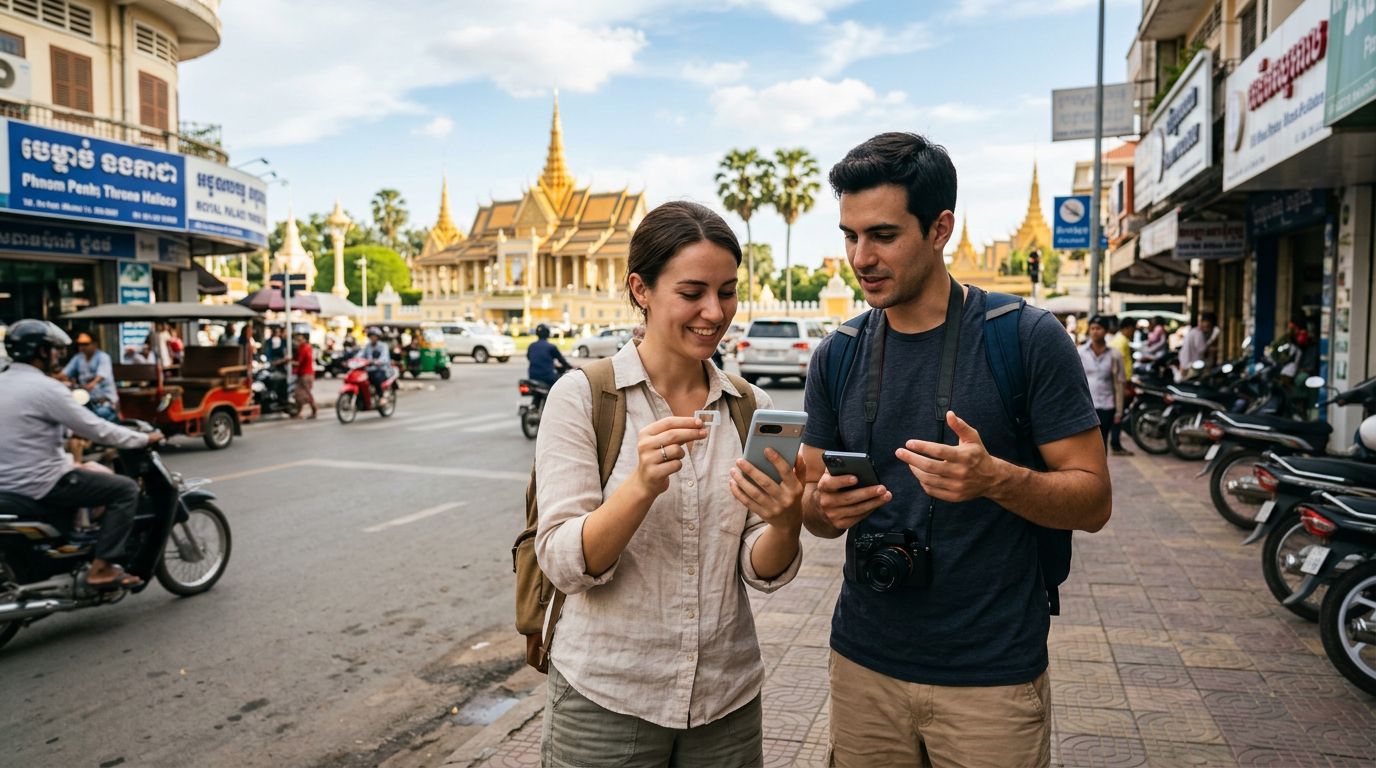
A physical SIM card has been the standard for decades. It is a small, removable chip that you insert into your phone. To use one in Cambodia, you typically visit a kiosk at the airport or a local mobile shop in the city. This process requires you to physically handle the card, ensure it fits your device, and often register your passport information with the local provider.
An eSIM, or embedded SIM, is a digital version of that same technology. It is built directly into the hardware of modern smartphones. Instead of swapping out a plastic chip, you simply download a digital profile to your device. This allows you to activate a mobile plan remotely, often before you even board your flight. For travelers who value efficiency and convenience, the shift toward eSIM technology has transformed how we manage international roaming.
Comparing Physical SIM Cards and eSIMs for Cambodia
When evaluating the Cambodia SIM card vs eSIM debate, the primary factors to consider are convenience, security, and device compatibility.
Physical SIM cards are often seen as the traditional choice. One advantage is that they are widely available from various local vendors throughout Cambodia. If you prefer a tactile experience or are using an older device that does not support digital SIMs, a physical card is your only option. However, the process of acquiring one can be time-consuming. You may find yourself waiting in queues at the airport after a long flight, struggling with language barriers, or searching for a shop that is open during odd hours. Furthermore, you must safely store your home SIM card while you are away, which carries the risk of losing it.
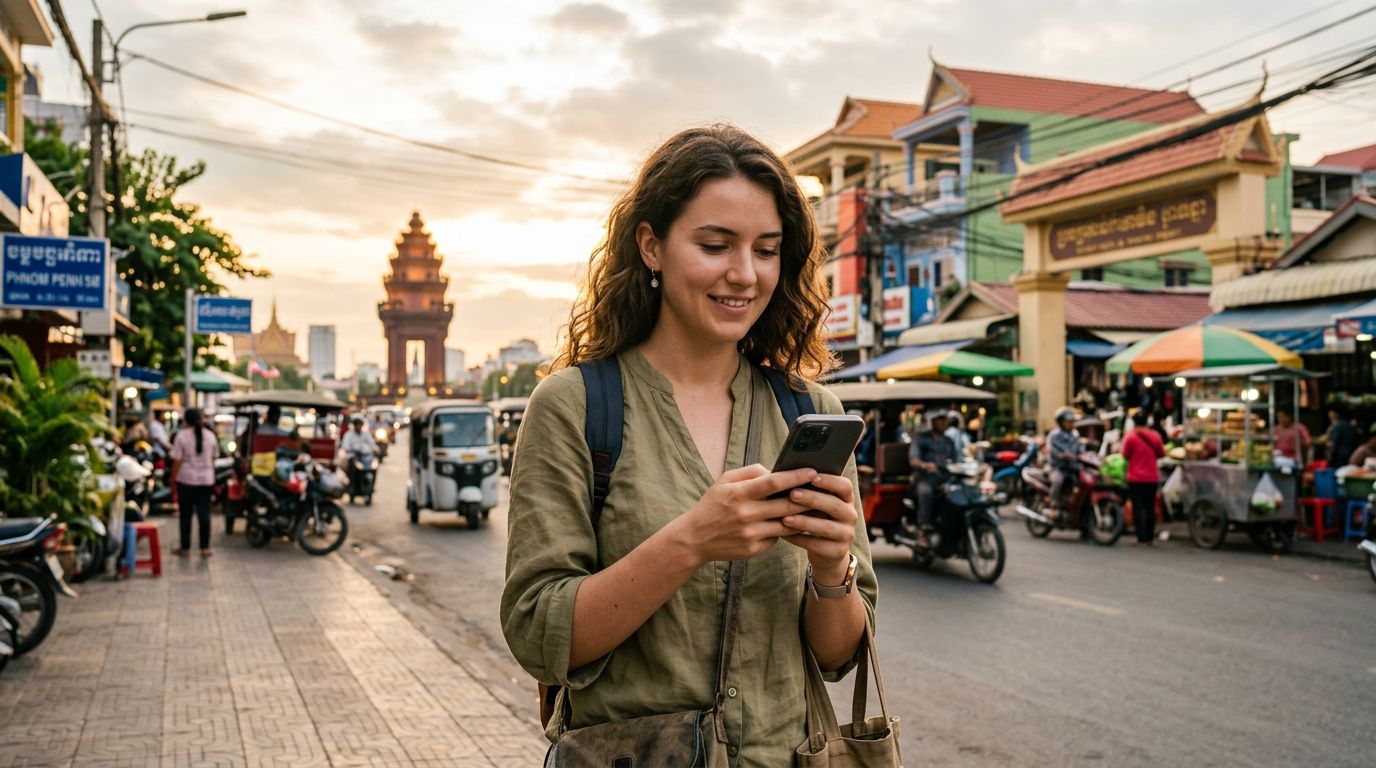
eSIMs offer a streamlined alternative. With an eSIM, you can purchase and activate your data plan from the comfort of your home. By the time you land in Siem Reap or Phnom Penh, your phone is already connected to a local network. This eliminates the need to hunt for a store or fiddle with tiny plastic cards. Services like OneTapSIM provide an intuitive interface to manage these digital profiles, ensuring that you have data ready the moment you exit the plane.
Another significant advantage of the eSIM is the ability to manage multiple profiles. Many modern phones allow you to keep your home SIM active for calls and texts while using an eSIM for data, preventing the risk of missing important messages from your bank or home contacts. This dual-SIM functionality is a major benefit for international travelers who need to stay reachable on their primary number while avoiding expensive roaming fees.
Practical Considerations for Your Cambodian Adventure
Before you decide which route to take, you must verify your device compatibility. Not all phones are equipped with eSIM technology. Generally, most flagship smartphones released in the last few years support it, but it is wise to check your specific model’s settings or search online to confirm. If your device is locked to a specific carrier, you will need to contact your home provider to have it unlocked before you can use any local Cambodian SIM or an international eSIM.
Beyond compatibility, consider your travel itinerary. If you are visiting multiple countries in Southeast Asia, an eSIM can be particularly advantageous. Some providers offer regional plans that cover several countries, allowing you to maintain a consistent connection as you cross borders without needing to purchase a new physical card in every location. This level of flexibility is rarely matched by local physical SIMs, which are strictly tied to the country of purchase.
Security is another factor that often goes overlooked. When you use a physical SIM, you are handing over your passport to a shop clerk, who may make a photocopy or record your details. While this is standard practice in many places, some travelers prefer to keep their personal documentation private. Using a reputable eSIM provider allows you to manage your connection digitally, often requiring only an email address and payment information, which can provide an extra layer of privacy.
If you are traveling as a group or family, physical SIMs might seem like a straightforward way to track individual usage, but they create a logistical headache when you have to manage multiple cards and phone numbers. With eSIMs, you can manage your connections centrally. If you find yourself in a remote area of Cambodia where one network has better coverage than another, switching between digital profiles or adding data is a matter of a few taps on your screen.
Ultimately, the choice comes down to your personal comfort level with technology and your desire for convenience. If you want to arrive in Cambodia with your phone already set up and ready to navigate, an eSIM is the superior choice. If you prefer the traditional method and are comfortable with the minor inconveniences of finding a local shop, a physical SIM card will still get the job done. By weighing these factors, you can ensure that your connectivity needs are met, leaving you free to focus on the beauty and history of Cambodia.
Get an eSIM for
Plans for the destinations covered in this guide, with instant QR delivery.