Understanding the Connectivity Landscape in Malta
Planning a trip to Malta involves more than just booking flights and choosing a hotel. Whether you are wandering through the historic streets of Valletta, exploring the ancient temples of Gozo, or finding the perfect spot to swim in the Blue Lagoon, staying connected is essential. For many travelers, the primary point of confusion lies in how to access mobile data. The debate between a traditional physical Malta SIM card vs eSIM has become a central part of travel preparation.
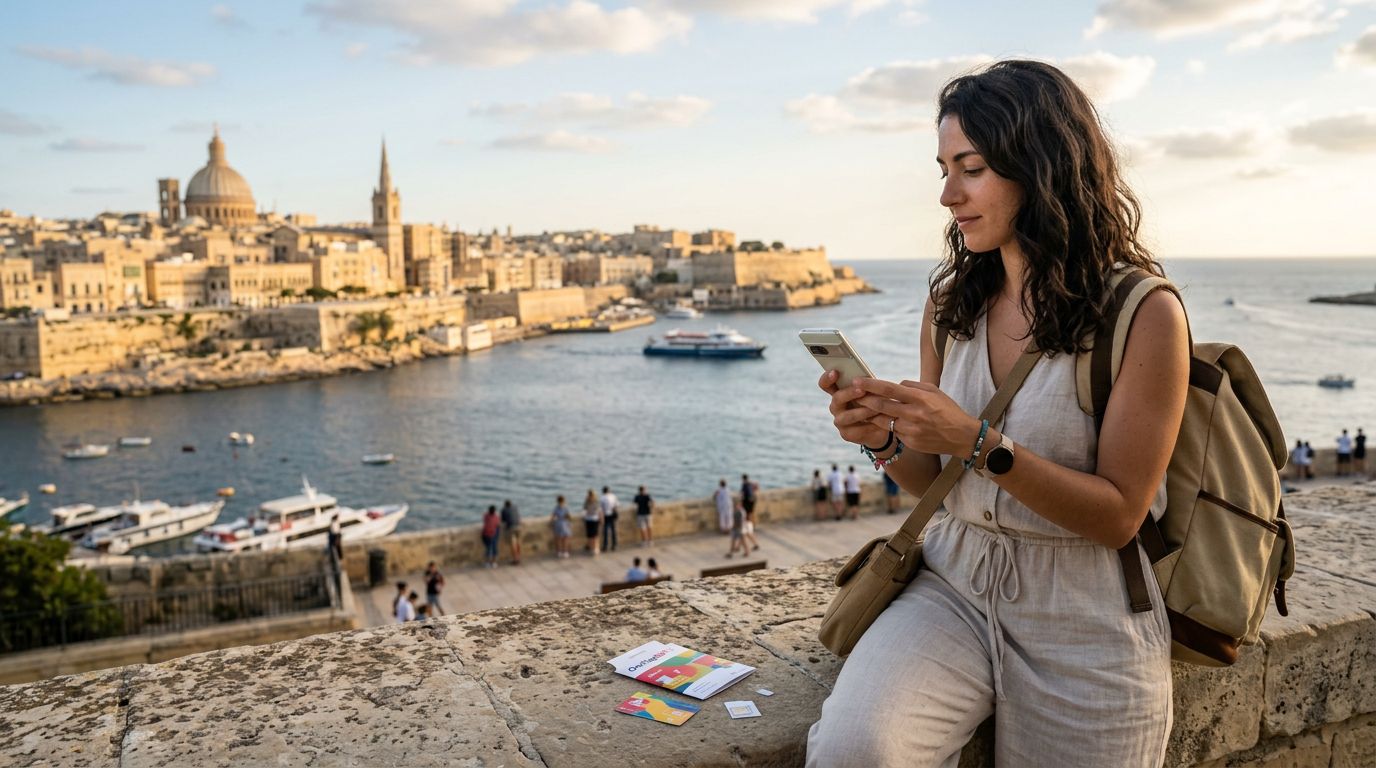
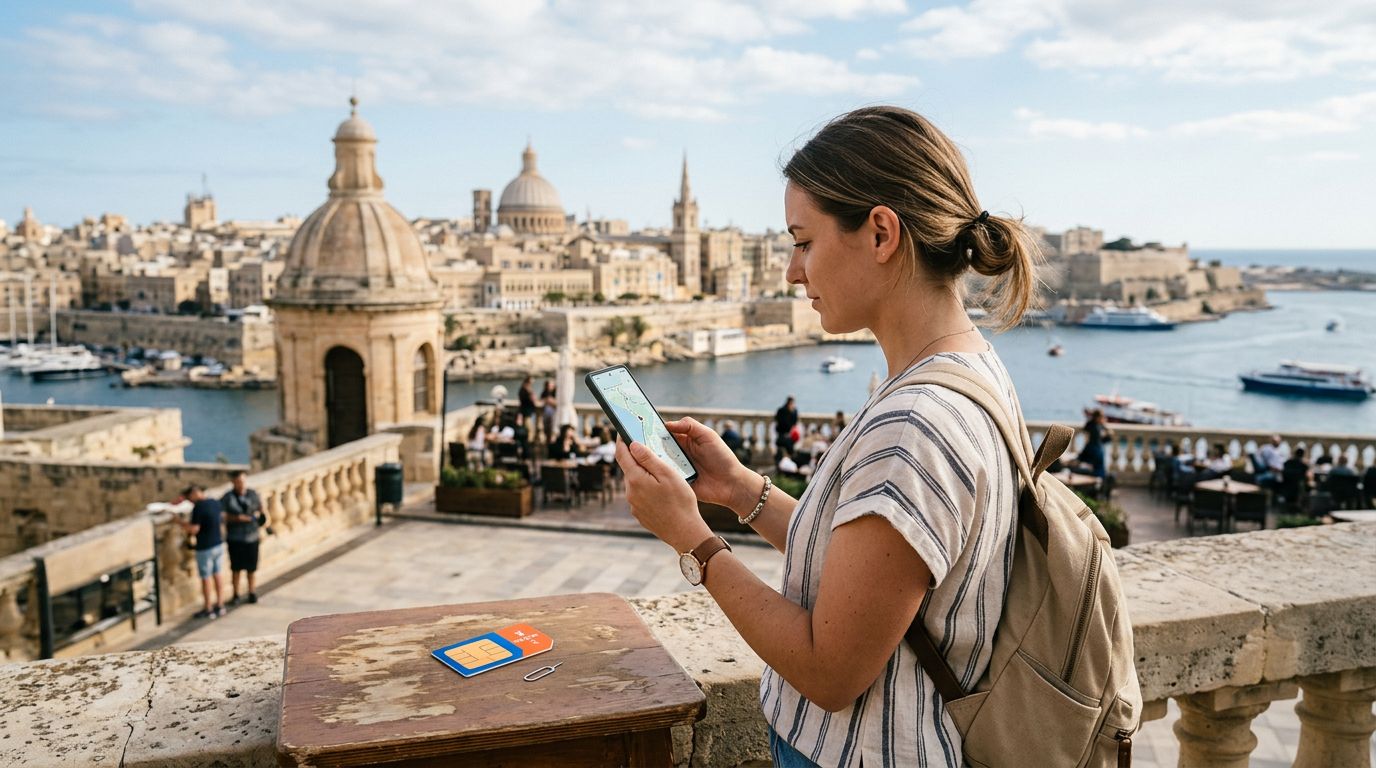
A physical SIM card is the familiar plastic chip that has been the standard for mobile connectivity for decades. To use one in Malta, you typically visit a local provider’s shop, present your passport, and insert the card into your device. While this method is reliable, it requires you to physically handle a tiny piece of plastic and often involves waiting in lines at the airport or in town.
An eSIM, or embedded SIM, is a digital alternative that is built directly into the hardware of modern smartphones. Instead of swapping a physical card, you download a profile that connects your device to a local network. This technology has gained significant traction because it allows travelers to maintain their home number for calls and texts while using a separate data plan for their trip. Understanding the differences between these two options is the first step toward a stress-free travel experience.
The Convenience Factor: Physical SIM vs eSIM
The most immediate difference between a physical SIM and an eSIM is the installation process. When you arrive in Malta, your time is valuable. Standing in a queue at a mobile store after a long flight is rarely how anyone wants to start their vacation. A physical SIM card requires you to locate a shop, provide identification, and manually swap your cards. If you lose your home SIM card during this process, it can be a major inconvenience.
On the other hand, an eSIM offers a streamlined experience. With a provider like OneTapSIM, you can set up your connectivity before you even leave your home country. By purchasing your data plan in advance, you ensure that your phone is ready to connect to a local Maltese network the moment your plane touches down. There is no physical card to lose, no need to carry a specialized tool to open your SIM tray, and no risk of damaging your phone’s internal components during a manual swap.
Furthermore, eSIMs are inherently more flexible for travelers who visit multiple countries. If you are taking a tour of the Mediterranean, you can manage your connectivity for different regions through your phone’s settings without needing to hunt for local vendors in every new city. This level of convenience makes the digital approach increasingly popular for those who prioritize efficiency and ease of use.
Technical Requirements and Compatibility
Before deciding which option is right for your trip, you must verify that your smartphone supports the technology you intend to use. Most modern smartphones released in the last few years are eSIM-compatible. However, it is always wise to check your device settings or consult the manufacturer’s support pages to confirm that your specific model is unlocked and capable of using an eSIM.
If your device is older or carrier-locked, you may find that a physical SIM card is your only option. Many mobile carriers lock phones to their network, which prevents the use of third-party SIM cards or eSIM profiles. If you plan to use a local or international data plan, ensure your device is unlocked by your home carrier before you travel.
Even if your phone supports both, consider your usage habits. If you are a heavy data user who relies on constant navigation, social media updates, and video calls, an eSIM allows you to monitor your data usage directly from your phone’s settings. You can often top up your data on the go if you run low, whereas a physical SIM might require you to find a retail location to purchase a top-up voucher or a new card.
Reliability and Network Coverage
When comparing a Malta SIM card vs eSIM, the underlying network quality is often a shared factor. Both physical SIMs and eSIMs generally connect to the same local cellular towers in Malta. Whether you choose a physical card from a local vendor or an eSIM from a provider like OneTapSIM, the actual signal strength and data speed depend on the infrastructure of the Maltese mobile operators.
The advantage of using an eSIM provider is that they often partner with multiple local networks to ensure the best possible coverage. This can sometimes provide a more stable experience than choosing a single local carrier, as your device may be able to switch to the strongest available signal in more remote areas of the islands.
For travelers who prioritize peace of mind, having a plan ready to go is a significant advantage. If you land in Malta during off-hours or on a public holiday when local shops might be closed, having an eSIM means you are not left without a map or a way to contact your accommodation. Reliability is not just about signal strength; it is about having a functional connection the moment you need it.
Making the Final Choice
Choosing between a physical SIM card and an eSIM for your trip to Malta comes down to your personal preferences and your device capabilities. If you value the traditional, tangible nature of a physical card and do not mind the time spent setting it up, a local SIM remains a functional choice. It is a proven method that has served travelers well for years.
However, if you prefer a modern, contactless solution that saves you time and reduces the clutter in your travel bag, an eSIM is the superior option. The ability to manage your data plan remotely and avoid the logistical hurdles of local retail shops makes it an ideal fit for the contemporary traveler. By preparing your connection with a service like OneTapSIM, you can focus on the beauty of the Maltese islands rather than the technicalities of your mobile service.
Ultimately, both methods will get you online, but the path you take to get there defines the start of your journey. Evaluate your phone’s compatibility, consider your itinerary, and decide which method provides the most comfort for your specific travel style. Regardless of your choice, ensuring your connectivity is sorted before you arrive will allow you to navigate Malta with confidence and ease.
Get an eSIM for
Plans for the destinations covered in this guide, with instant QR delivery.