The Evolution of Connectivity in Malaysia
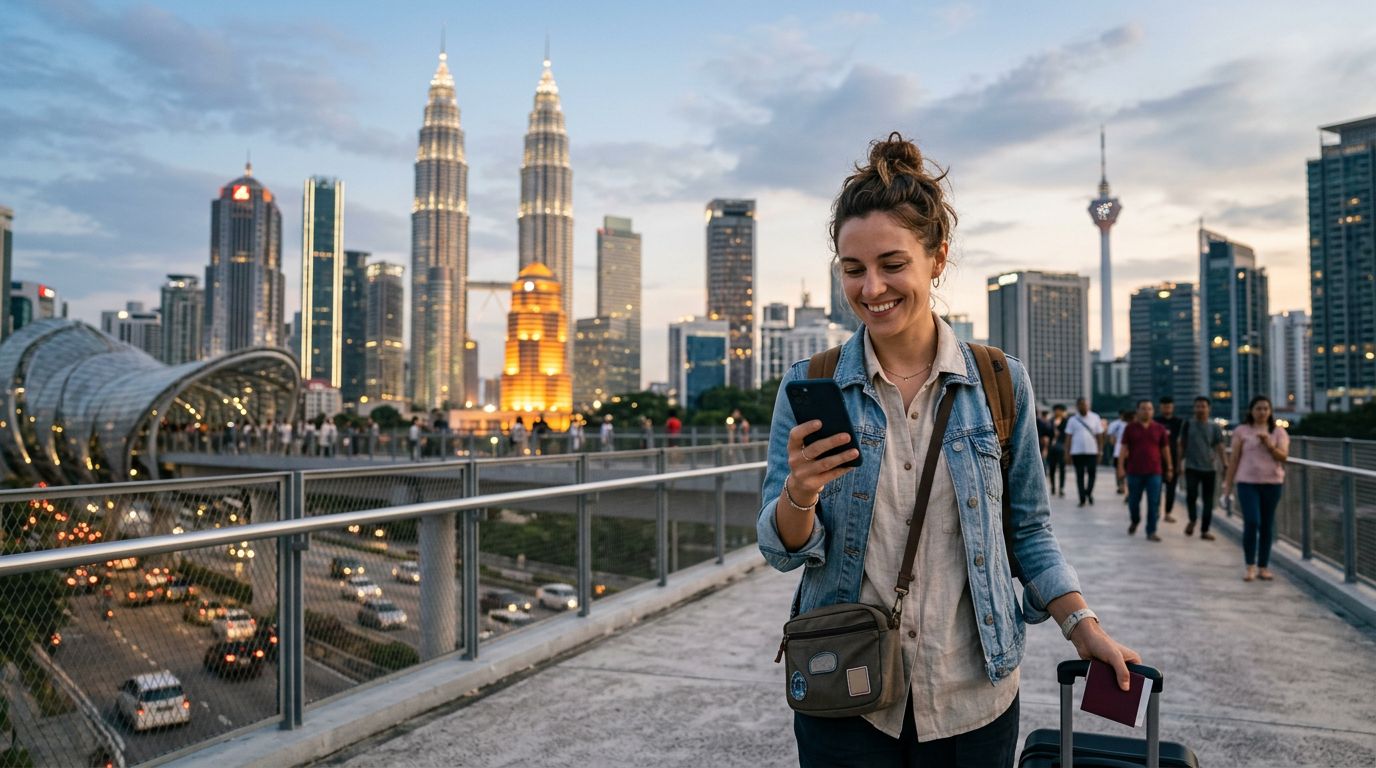
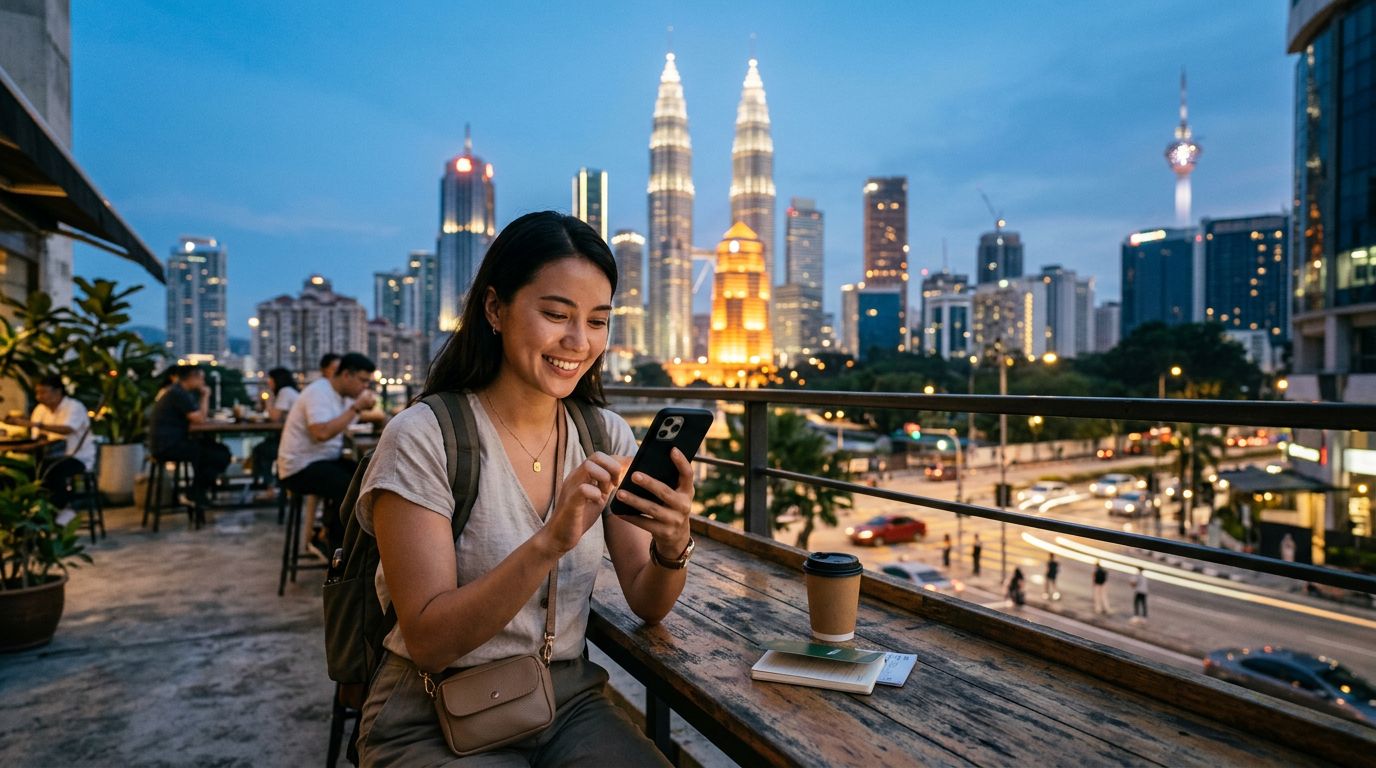
Traveling to Malaysia offers a vibrant mix of bustling cityscapes like Kuala Lumpur, the historical charm of Malacca, and the natural beauty of the Cameron Highlands. To enjoy these destinations fully, staying connected is essential. Whether you are using maps to find the best street food stalls, translating local signs, or sharing photos of the Petronas Towers, a reliable internet connection is your most valuable travel companion.
For years, travelers relied exclusively on physical SIM cards. You would land at Kuala Lumpur International Airport, search for a kiosk, wait in line, and swap out your home SIM card for a local one. This process was often cumbersome, leaving your original SIM card vulnerable to loss or damage. Today, the landscape has shifted. The debate between a traditional Malaysia SIM card vs eSIM has become a primary consideration for tech-savvy travelers.
An eSIM, or embedded SIM, is a digital version of a physical SIM card. It is built directly into the hardware of modern smartphones, allowing you to activate a mobile plan without needing a physical chip. Because it is software-based, you can manage your connectivity entirely through your phone’s settings. Understanding the differences between these two options is the first step toward a stress-free trip.
Comparing Physical SIM Cards and eSIMs
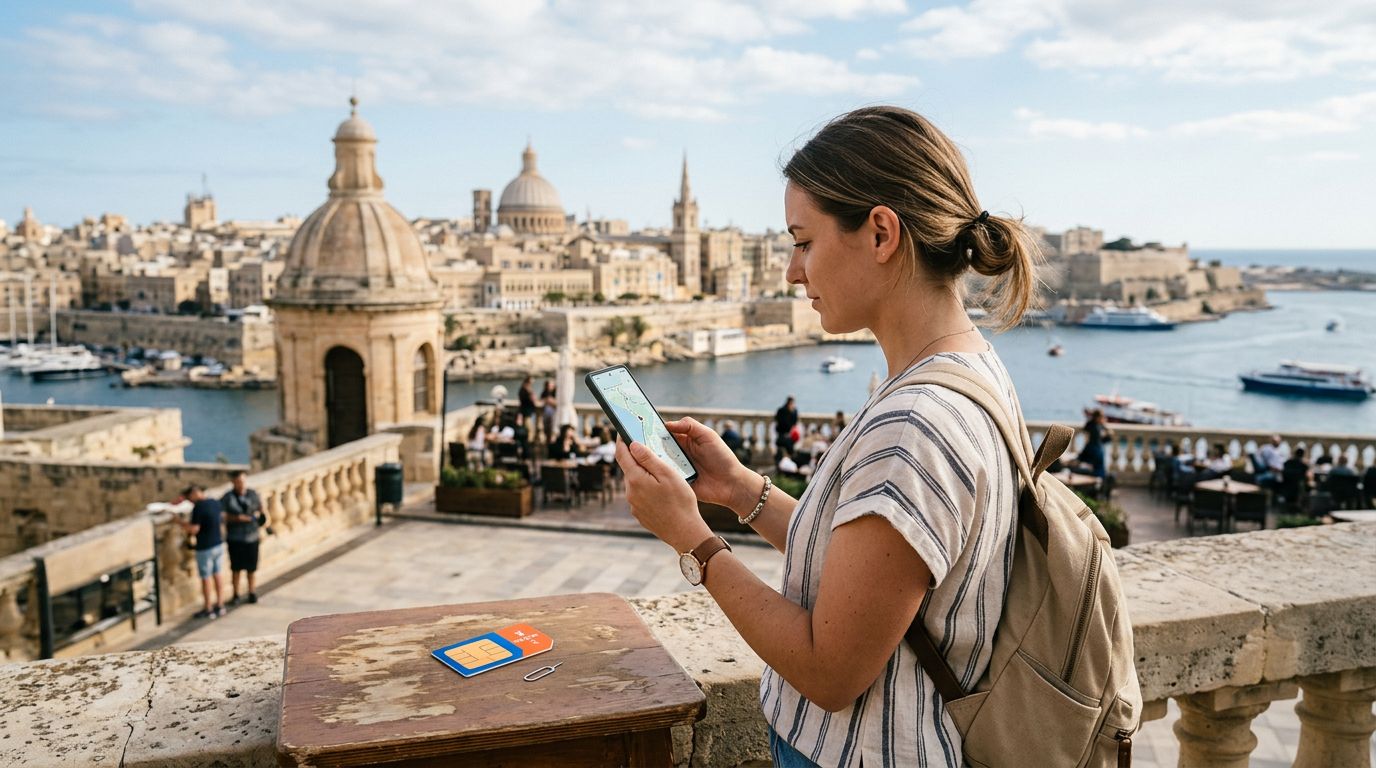
When weighing your options, consider the convenience, security, and flexibility of each technology. A physical SIM card requires you to physically handle your device. You must open the SIM tray, remove your home card, insert the local card, and ensure everything is seated correctly. If you have a dual-SIM phone, you might be able to keep both active, but for many, the risk of losing the tiny home card is a significant drawback.
In contrast, an eSIM offers a seamless experience. With a provider like OneTapSIM, you can purchase and install your plan before you even board your flight. Once you land in Malaysia, you simply switch the data toggle, and you are connected. This eliminates the need to hunt for a store or wait for a clerk to register your passport.
Security is another factor. Because an eSIM is digital, you never have to remove your primary SIM card. This keeps your home phone number active for receiving important SMS codes—such as those from your bank—while using the eSIM exclusively for data. This dual-layer approach is a major advantage for travelers who need to stay reachable on their home number while browsing the web locally.
However, compatibility is the one area where physical SIM cards still hold a slight edge. Almost every unlocked smartphone manufactured in the last two decades supports a physical SIM. eSIM technology, while standard in most modern flagship devices, is not available on every older model. Before choosing, it is wise to check your device settings to confirm it is eSIM-compatible. If your phone is locked to a specific carrier, you may also need to contact your home provider to request an unlock, as both physical and eSIM options require an unlocked device to function properly.
Why Choose OneTapSIM for Your Malaysian Adventure
Choosing the right provider is just as important as choosing the right technology. When you select an eSIM provider, you want reliability, clear installation instructions, and responsive support. OneTapSIM focuses on simplifying the technical side of travel connectivity, ensuring that your transition to a local network is as smooth as possible.
The primary benefit of using an eSIM for your trip to Malaysia is the time you save. Instead of spending your first hour in the country standing in a queue at an airport kiosk, you can head straight to your hotel or your first sightseeing spot. The setup process is straightforward: you receive a QR code or an activation link, follow the prompts on your device, and your phone handles the rest.
Reliability is another key pillar. Malaysia has excellent 4G and 5G coverage in urban areas and major tourist hubs. By using a high-quality eSIM, you gain access to these robust local networks without the middleman of a physical card. Because the eSIM is integrated into your phone’s operating system, the signal quality is identical to what a local resident would experience.
Furthermore, managing your data usage becomes much easier. With a physical SIM, you often have to dial codes or visit a website to check your remaining balance. With an eSIM, your phone’s built-in data management tools allow you to monitor exactly how much data you have consumed. This transparency helps you avoid unexpected overages and ensures you have enough connectivity for your entire journey, whether you are staying for a weekend or a month.
Ultimately, the choice between a Malaysia SIM card vs eSIM depends on your device compatibility and your preference for convenience. If you have a modern smartphone and value the ability to land in a new country with an active internet connection, an eSIM is the superior choice. It removes the physical hassle, protects your original SIM card, and provides a modern, efficient way to stay connected throughout your Malaysian travels. By preparing in advance with a service like OneTapSIM, you can focus on what truly matters: exploring the incredible culture, food, and landscapes that Malaysia has to offer.
Get an eSIM for
Plans for the destinations covered in this guide, with instant QR delivery.