Understanding Your Connectivity Options in Malaysia
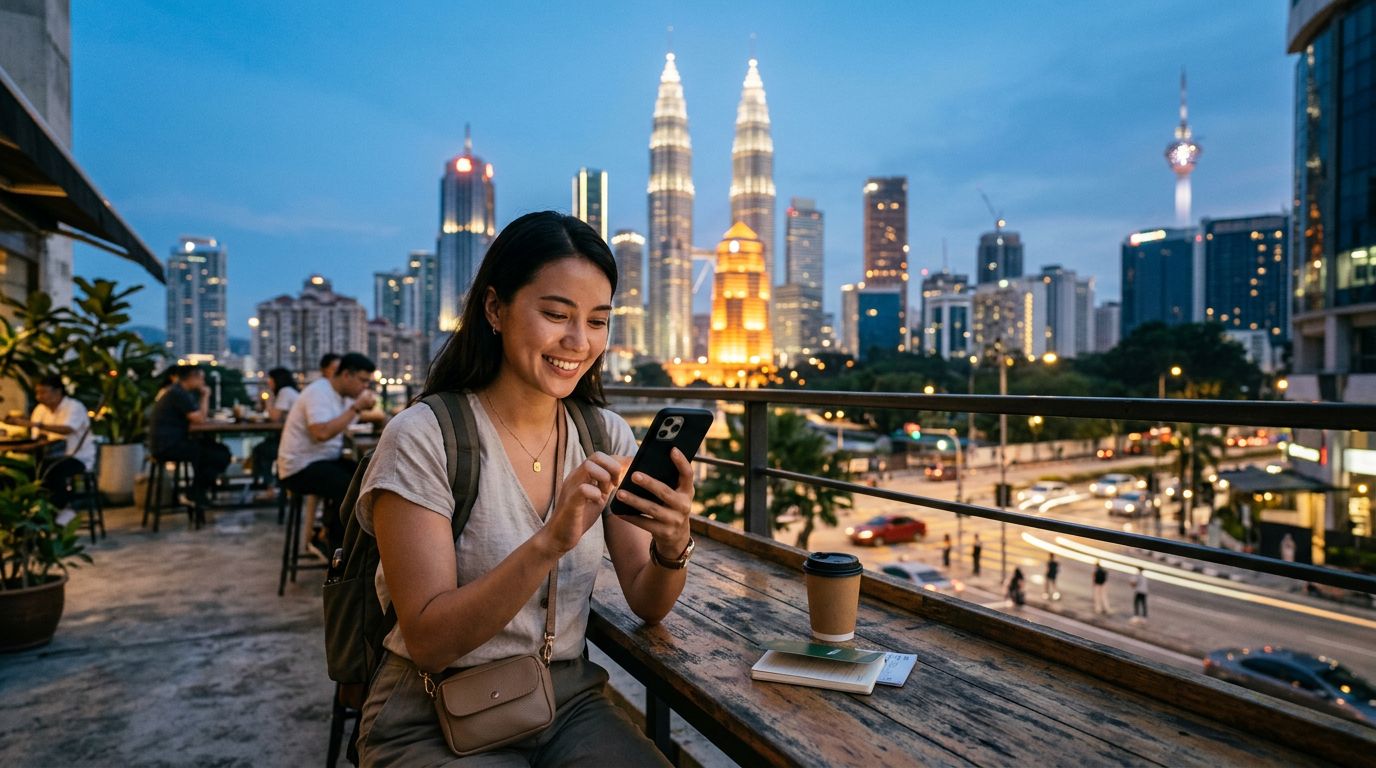
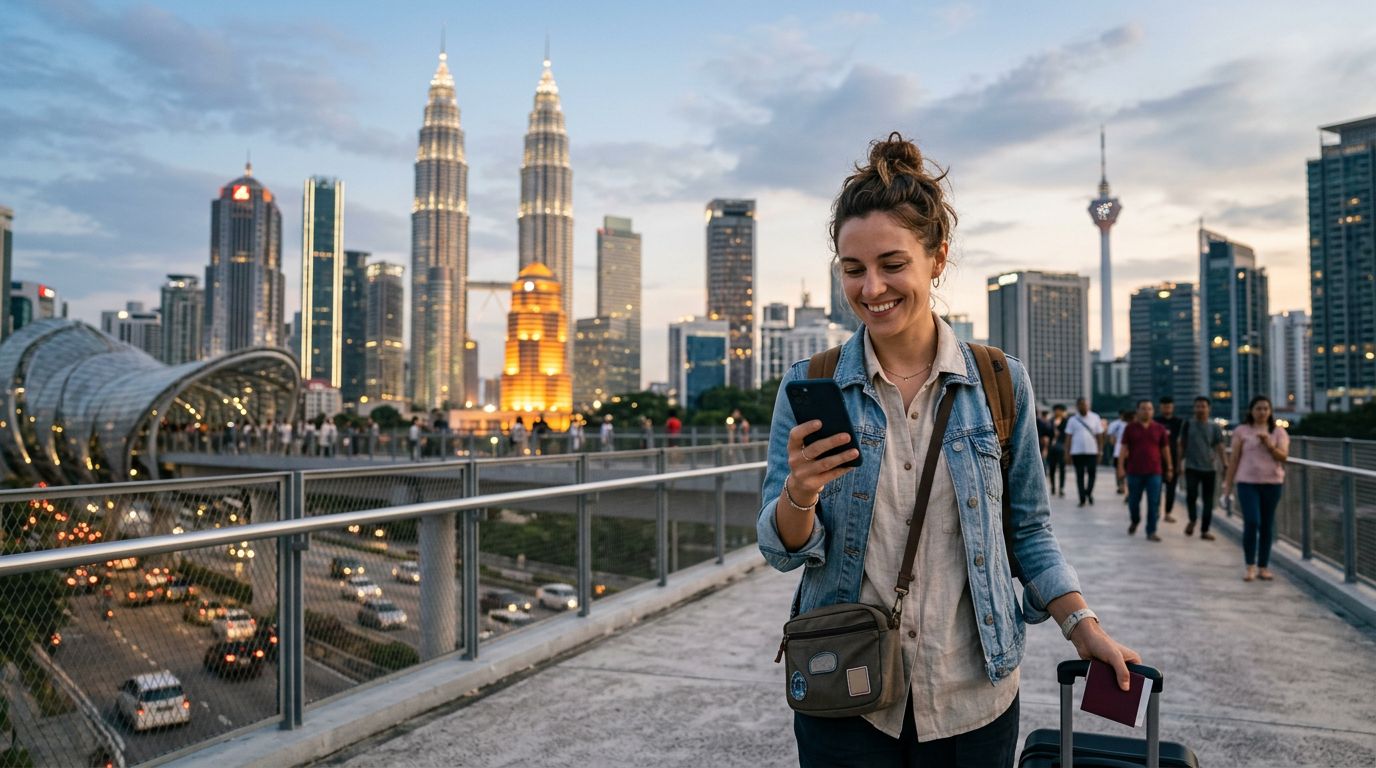
Malaysia is a country of contrasts, where the ultra-modern skyline of Kuala Lumpur meets the ancient rainforests of Borneo. Whether you are planning to navigate the bustling streets of George Town in Penang, find the best street food stalls in the capital, or track your jungle treks in Sabah, having a reliable internet connection is essential. Without a solid data plan, you might find yourself struggling to call a ride-share, translate menus, or update your family on your whereabouts.
Travelers often search for the best way to get data in Malaysia, and the options have shifted significantly in recent years. In the past, you were limited to hunting down physical SIM card kiosks at the airport, waiting in long queues, and swapping out your original SIM card, which carried the risk of losing your home number or misplacing your tiny plastic chip. Today, the technology has evolved, making connectivity much more seamless.
The most common ways to stay connected include roaming with your home carrier, purchasing a local physical SIM card, using public Wi-Fi, or opting for an eSIM. While roaming with your home provider might seem convenient, it is frequently the most expensive option and can lead to unexpected charges on your monthly statement. Public Wi-Fi is available in many cafes and shopping malls, but it is rarely secure and often lacks the speed or stability required for navigation or video calls. For most modern travelers, digital solutions provide the most freedom and peace of mind.
Why eSIM Technology is the Modern Standard
The shift toward eSIM technology has transformed how we approach international travel. An eSIM is a digital SIM card that is embedded directly into your smartphone’s hardware. Because it is digital, you do not need to visit a physical store or wait for a courier to deliver a package. You can activate your plan before you even board your flight, ensuring that you are connected the moment your wheels touch the tarmac in Kuala Lumpur.
One of the primary benefits of using an eSIM is the ability to keep your primary phone number active while simultaneously using a secondary data plan. This is particularly useful for travelers who need to receive important text messages or two-factor authentication codes from their home country while using a local data plan for maps and social media. With a service like OneTapSIM, you can manage your connectivity through a straightforward digital interface, removing the need for physical card trays or paperclips to eject your SIM.
Compatibility is rarely an issue for modern devices. Most smartphones released in the last few years support eSIM functionality. You can verify if your device is compatible by checking the settings menu on your phone or visiting the official support pages for your device manufacturer. Once you confirm your phone is ready, the process of downloading and installing a data profile takes only a few minutes. This convenience allows you to bypass the airport kiosks entirely, heading straight to your hotel or your first sightseeing destination without stopping to hunt for a mobile shop.
Tips for Staying Connected Throughout Your Journey
Once you have your data plan sorted, there are a few best practices to ensure you have a smooth experience while exploring Malaysia. First, be mindful of your data usage. Even with an unlimited or high-capacity plan, streaming high-definition video while on the move can deplete your data faster than expected. It is a good idea to download offline maps for the specific regions you plan to visit, particularly if you are heading into the more remote areas of the Cameron Highlands or the interior of Sarawak.
Another tip is to monitor your phone’s background activity. Many applications refresh content, sync photos, or download updates in the background, which can consume data without you realizing it. You can adjust your phone settings to restrict background data usage for non-essential apps. This ensures that your data is reserved for the things that matter most, such as looking up public transport routes, checking reviews for local restaurants, or uploading photos to share with friends.
Battery management is equally important. Using GPS and cellular data simultaneously can drain your battery quickly. Carrying a portable power bank is a standard practice for experienced travelers. Furthermore, if you find yourself in an area with a weak signal, consider turning on airplane mode for a few minutes or switching to a lower network frequency if your device allows it. This prevents your phone from constantly searching for a stronger signal, which is one of the biggest drains on battery life.
Finally, consider the flexibility of your data provider. The best way to get data in Malaysia is to choose a provider that offers transparency and ease of use. OneTapSIM is designed for travelers who want to avoid the stress of complex setups. By choosing an eSIM, you gain the ability to top up your data on the go if you find yourself using more than you initially anticipated. This level of control means you never have to worry about being disconnected in the middle of a trip. Whether you are exploring the Batu Caves or wandering through the tea plantations, having a reliable digital connection allows you to focus on the experience rather than the logistics of staying online. With the right preparation, your Malaysian adventure will be as well-connected as it is memorable.
Get an eSIM for
Plans for the destinations covered in this guide, with instant QR delivery.