Understanding Your Connectivity Options in Guatemala
Planning a trip to Guatemala brings the excitement of exploring ancient Mayan ruins, wandering through the colonial streets of Antigua, and witnessing the breathtaking beauty of Lake Atitlán. As you prepare your itinerary, one of the most critical logistical details is ensuring you stay connected. Whether you need to use GPS to navigate winding mountain roads, translate local phrases, or share photos of volcanic landscapes, having a reliable data connection is essential.
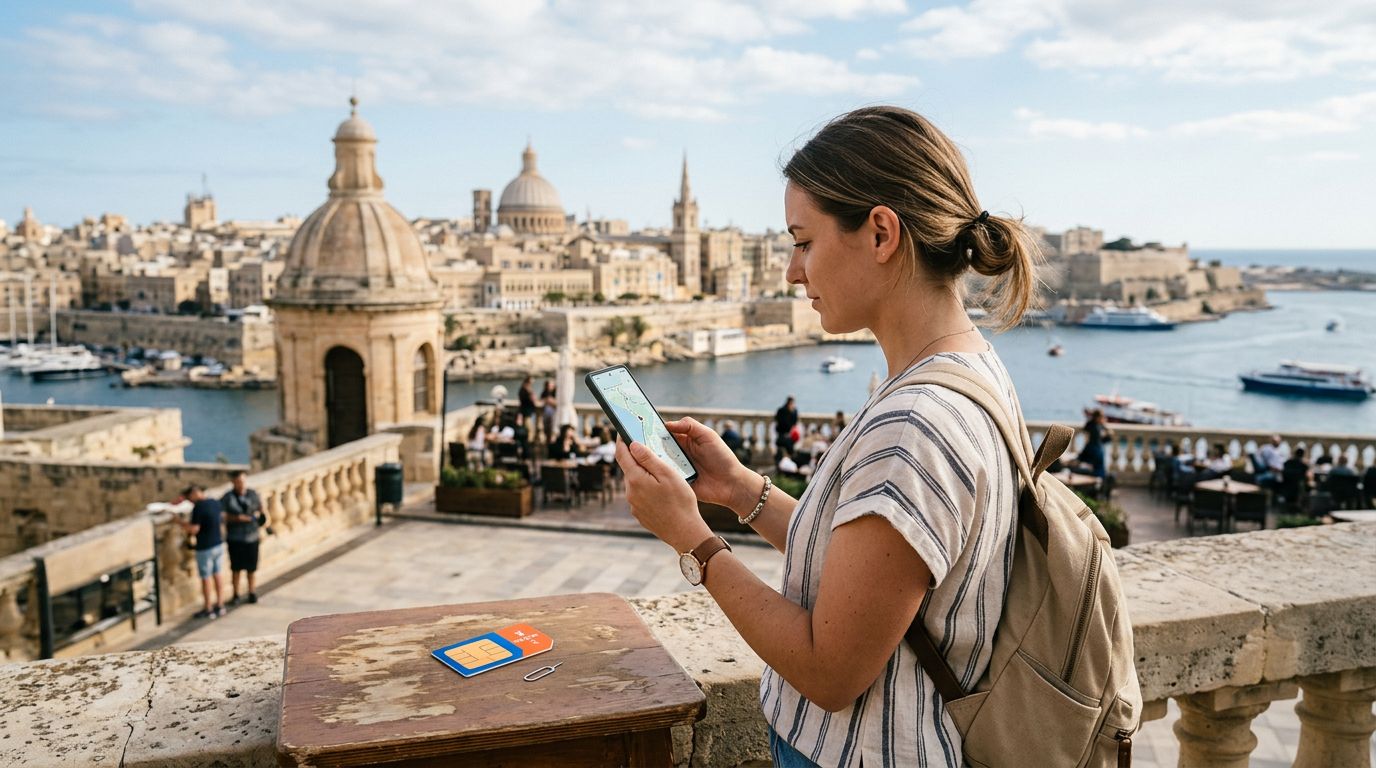
When comparing a Guatemala SIM card vs eSIM, you are essentially choosing between a traditional physical approach and a modern, streamlined digital method. A physical SIM card is the standard method travelers have used for decades: you arrive in a new country, seek out a local kiosk, purchase a small plastic chip, and manually swap it into your phone. An eSIM, or embedded SIM, functions entirely digitally. It is a chip already built into your smartphone that allows you to download a carrier’s profile over a Wi-Fi connection, effectively activating your service before you even board your flight.
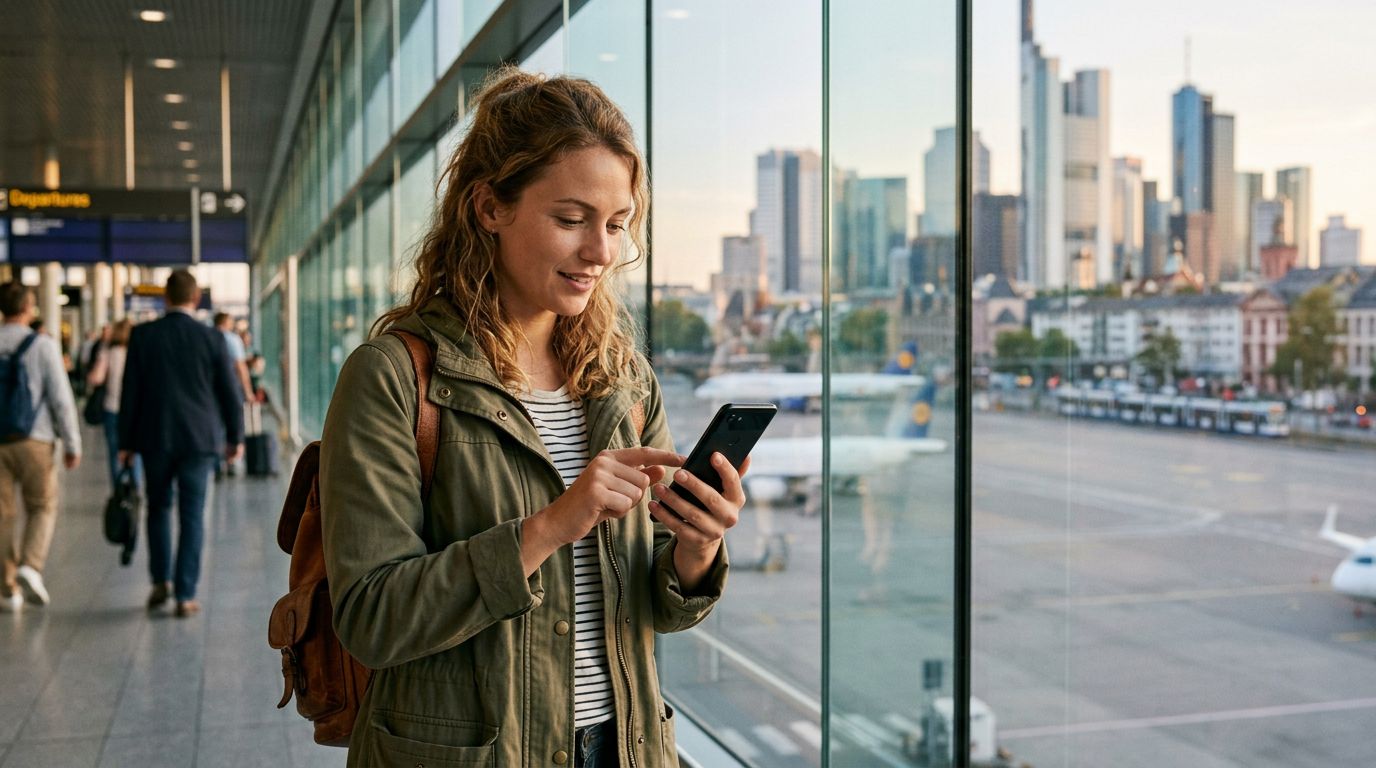
For many travelers, the primary appeal of the eSIM is the elimination of the "airport scramble." Instead of hunting for a cellular provider booth after a long flight, you can have your connectivity ready to go the moment your plane touches down in Guatemala City. This convenience is a significant advantage for those who want to call an Uber, check a hotel reservation, or message family immediately upon landing.
The Practical Differences: Physical SIM vs eSIM
The debate regarding a Guatemala SIM card vs eSIM often comes down to hardware compatibility and the nature of your travel style. To use an eSIM, your smartphone must be carrier-unlocked and eSIM-compatible. Most modern smartphones released in the last few years support this technology, but it is always wise to check your device settings or manufacturer documentation to confirm your specific model is ready for a digital profile.
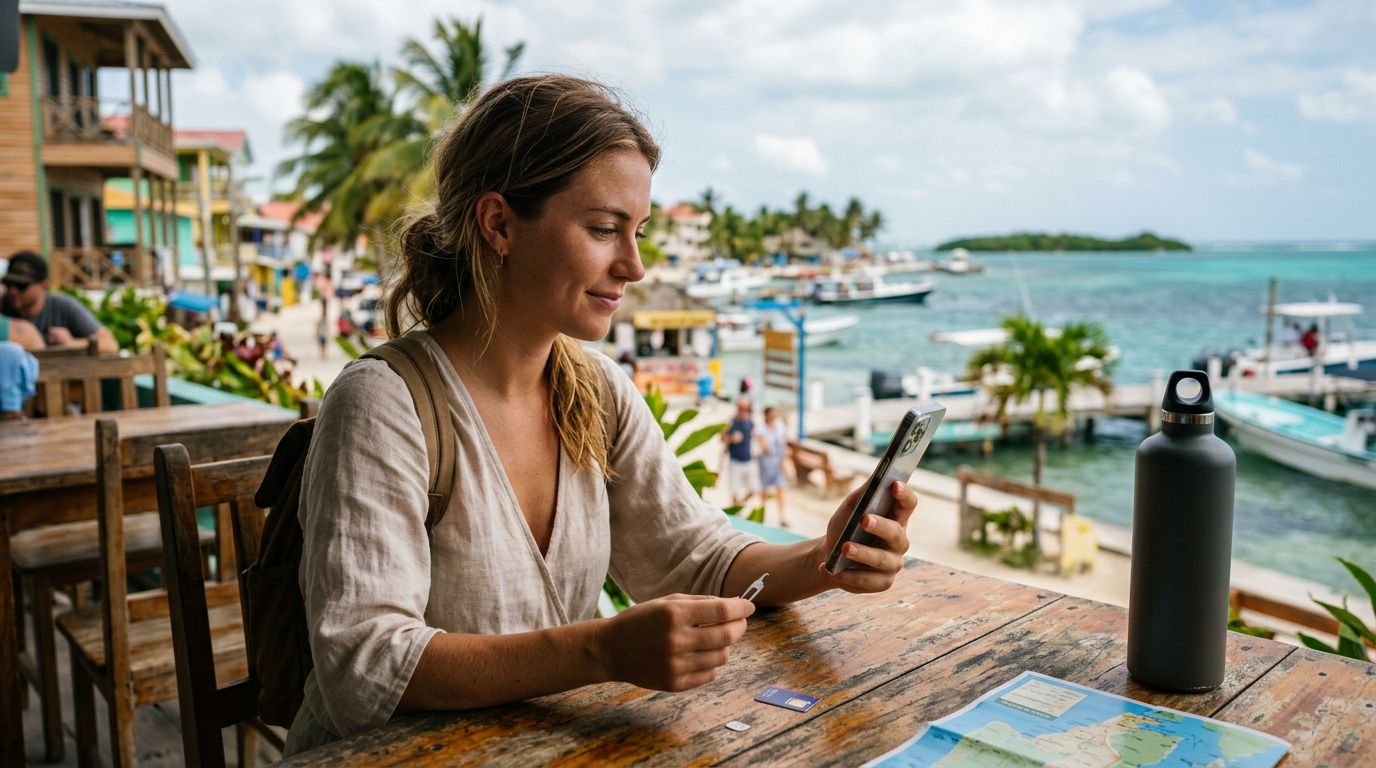
A physical SIM card remains a reliable fallback for travelers using older devices that do not support digital profiles. If you decide to go the physical route, you will need to find a local provider, provide identification—which is often required by local regulations—and physically handle the tiny, fragile card. You also run the risk of losing your original home SIM card during the swap process, which can be a stressful ordeal if you are moving between multiple countries.
With a digital solution like OneTapSIM, the process is transformed into a few simple steps on your screen. Because the eSIM exists as software rather than hardware, there is no risk of losing a tiny plastic chip. You can manage your connection directly from your phone’s settings, toggling between your home number and your travel data plan with ease. This is particularly beneficial for travelers who need to keep their home number active for receiving important two-factor authentication codes or urgent calls while using a separate data plan for maps and social media.
Another factor to consider is the environment. Physical SIM cards contribute to plastic waste, whereas eSIMs are entirely paperless and plastic-free. For the environmentally conscious traveler, the digital route is the clear winner. Furthermore, because you can purchase and install your eSIM before leaving home, you avoid the potential language barriers or confusing signage that might occur when trying to purchase a physical card in a busy, unfamiliar airport terminal.
Making the Right Choice for Your Guatemalan Adventure
When weighing your options, consider the length of your stay and the intensity of your data needs. If you are a light user who only needs data for the occasional map check or email, a digital plan offers the flexibility to purchase exactly what you need without committing to a long-term contract or a bulky physical starter kit.
Reliability is another key component. When you rely on a local provider for a physical SIM, you are at the mercy of their specific store hours and stock availability. If you arrive late at night or on a public holiday, finding a place to buy a SIM card can be difficult. By opting for an eSIM, you bypass these constraints entirely. By setting up your connection in advance, you ensure that your phone is ready to connect to the local network as soon as you arrive.
OneTapSIM provides a seamless experience for those who prioritize efficiency and reliability. By removing the physical barriers to entry, travelers can spend less time worrying about connectivity and more time enjoying the vibrant culture of Guatemala. Whether you are trekking to the summit of Acatenango or exploring the bustling markets of Chichicastenango, having a stable data connection allows you to document your journey and stay safe while navigating new terrain.
Ultimately, the choice between a Guatemala SIM card vs eSIM depends on your device and your personal preference for convenience. If your phone supports it, the eSIM is almost universally the superior choice for international travel. It saves time, reduces the risk of losing your home SIM card, and provides an immediate, stress-free connection. If you are using an older device or prefer the tactile nature of a physical card, the traditional route remains available, though it requires more planning and patience.
As you finalize your packing list, take a moment to verify your phone's capabilities. Ensuring your device is unlocked and ready for a new network is the most important step in the process. By choosing the right connectivity method, you set yourself up for a smoother, more enjoyable trip, allowing you to focus on the sights, sounds, and experiences that make Guatemala such a unique and memorable destination. Whether you choose the traditional path or the modern digital route, being prepared is the best way to ensure your adventure is defined by your experiences rather than your technical difficulties.
Get an eSIM for
Plans for the destinations covered in this guide, with instant QR delivery.