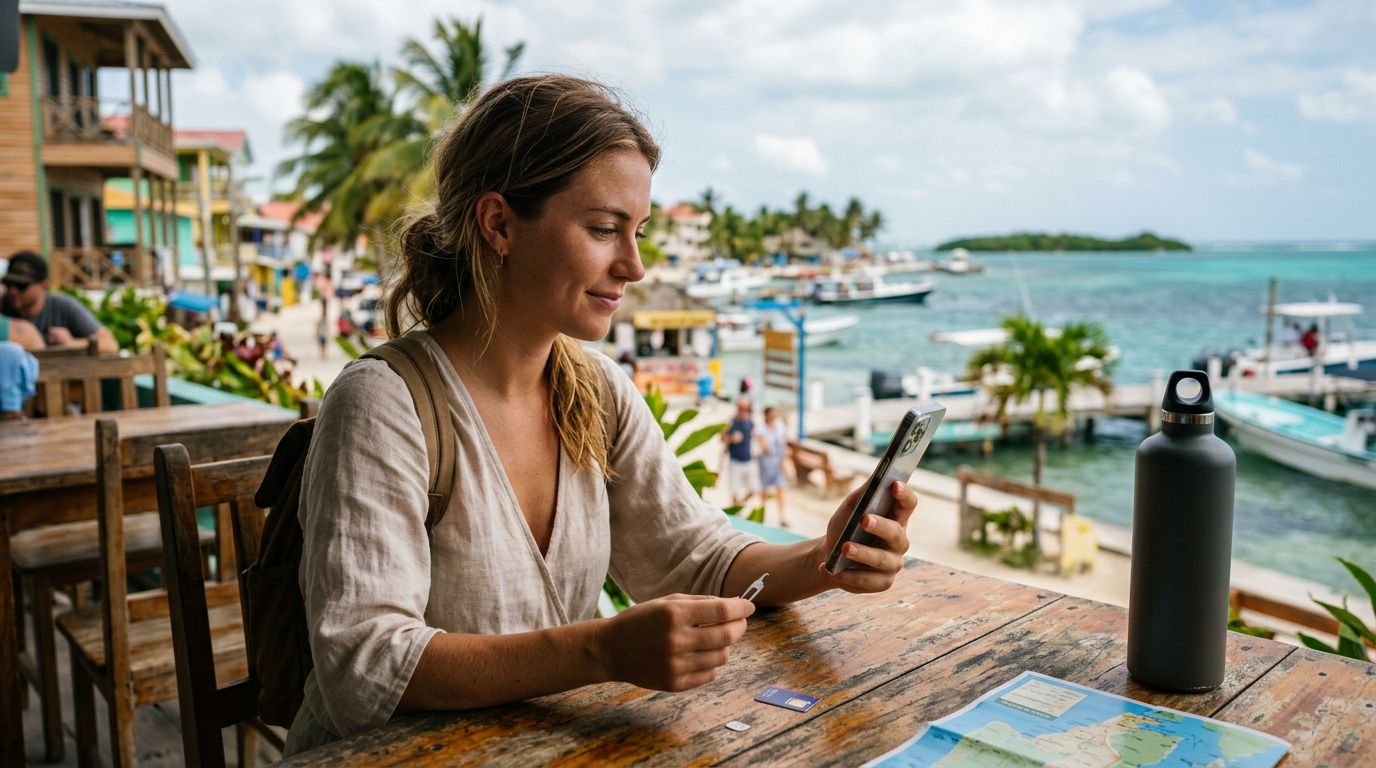
Understanding Connectivity Options in Belize
Planning a trip to Belize involves balancing the desire for adventure with the practical need to stay connected. Whether you are exploring the ancient Mayan ruins in the jungle, snorkeling along the second-largest barrier reef in the world, or relaxing on the sandy shores of Caye Caulker, having reliable internet access is essential. When you arrive, you will find yourself choosing between two primary methods for mobile data: a traditional physical SIM card or a digital eSIM.
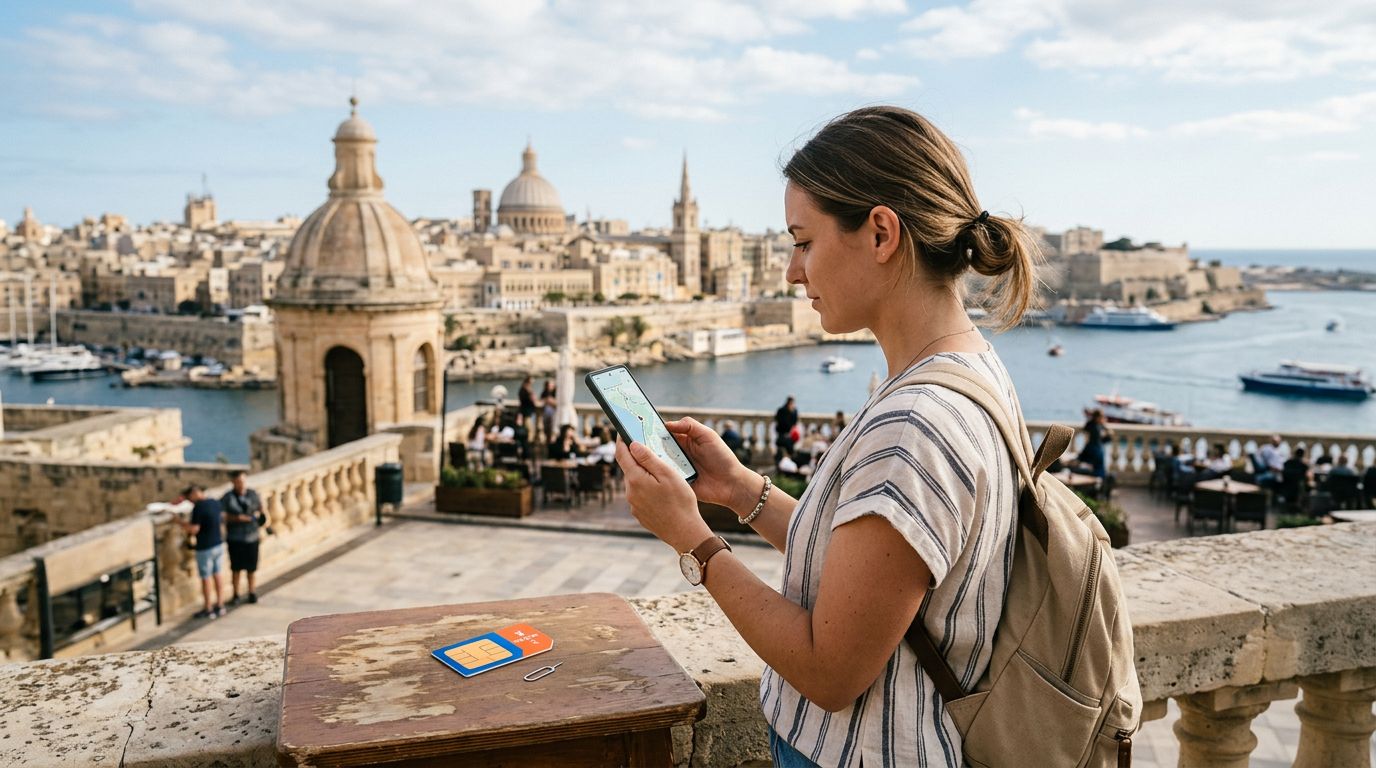
The traditional physical SIM card has been the standard for international travelers for decades. It involves purchasing a small plastic chip from a local provider, inserting it into your phone’s SIM tray, and configuring the network settings. This process often requires visiting a physical store, presenting your identification, and waiting for the activation to complete. While this method is time-tested, it comes with the inconvenience of handling tiny hardware and the risk of losing your original home SIM card during the swap.
On the other hand, an eSIM is a digital version of a SIM card that is embedded directly into your phone’s hardware. Instead of swapping physical chips, you simply download a profile to your device. This technology allows you to switch between networks or activate a travel plan without ever opening your phone’s SIM tray. For travelers visiting Belize, the choice between these two options depends on your device compatibility, your itinerary, and how much time you want to spend setting up your connection upon arrival.
Comparing Convenience and Setup
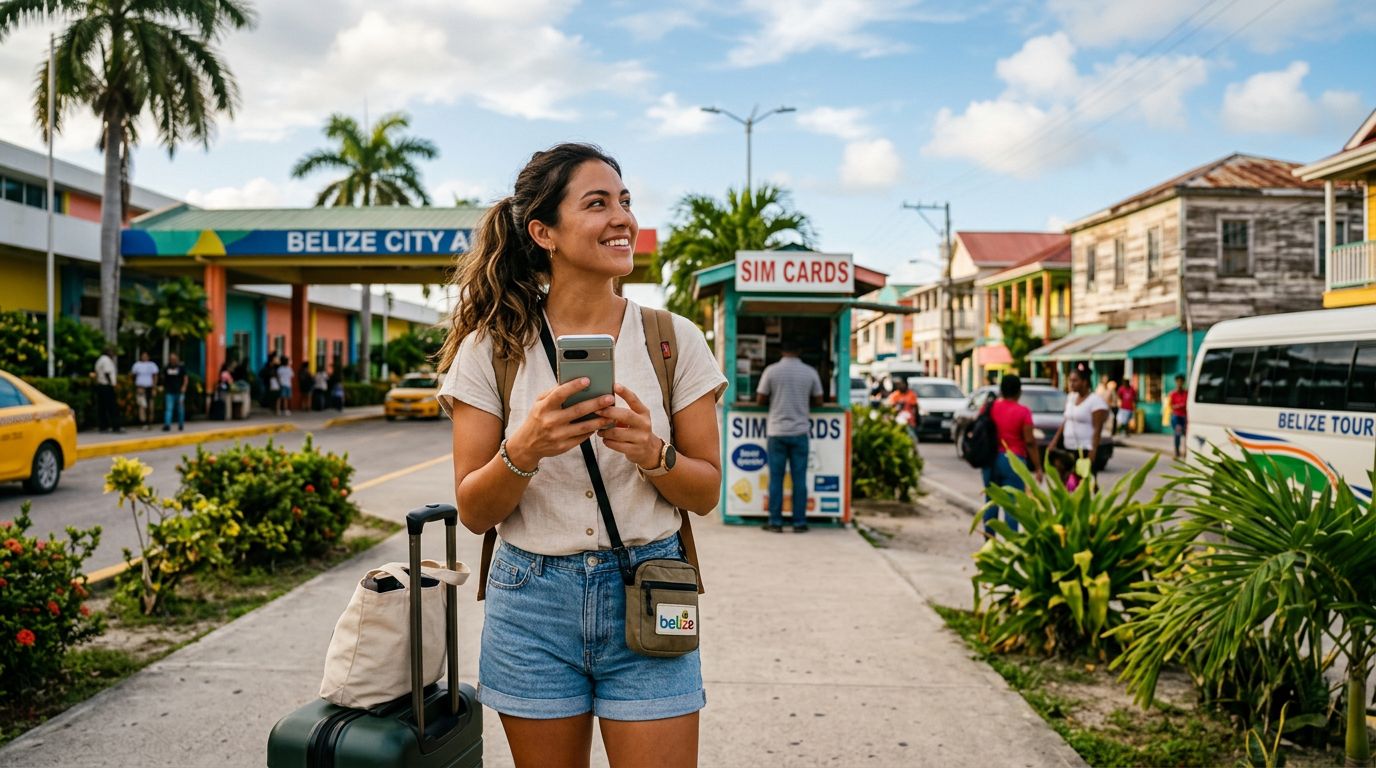
The most significant difference between a physical SIM card and an eSIM is the setup process. With a physical SIM, you are often tethered to the operating hours of local mobile shops. If your flight lands late at night or on a weekend, you might find yourself without connectivity until the next business day. Furthermore, finding a shop that sells tourist-specific SIM cards can sometimes take you away from your planned activities. You have to locate the store, wait in line, and ensure your phone is properly configured before you leave the premises.
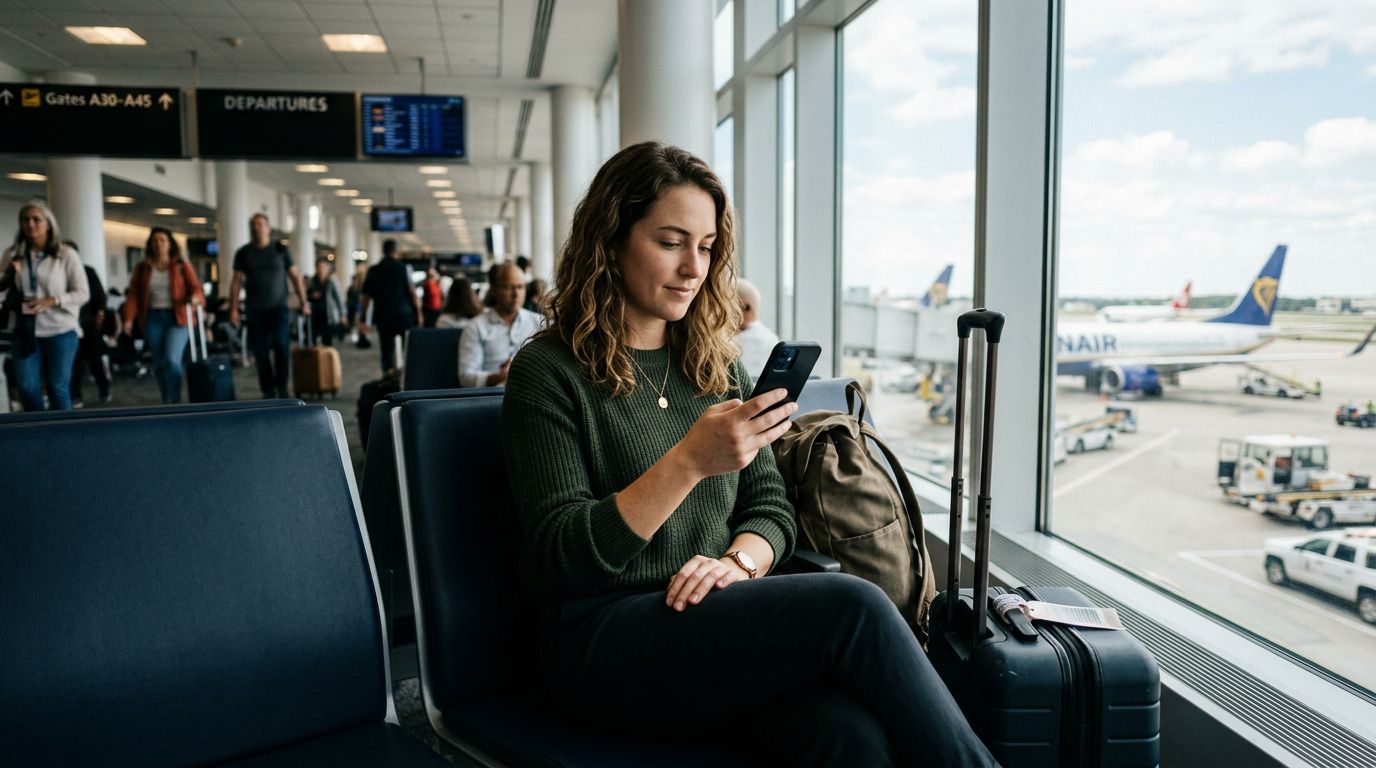
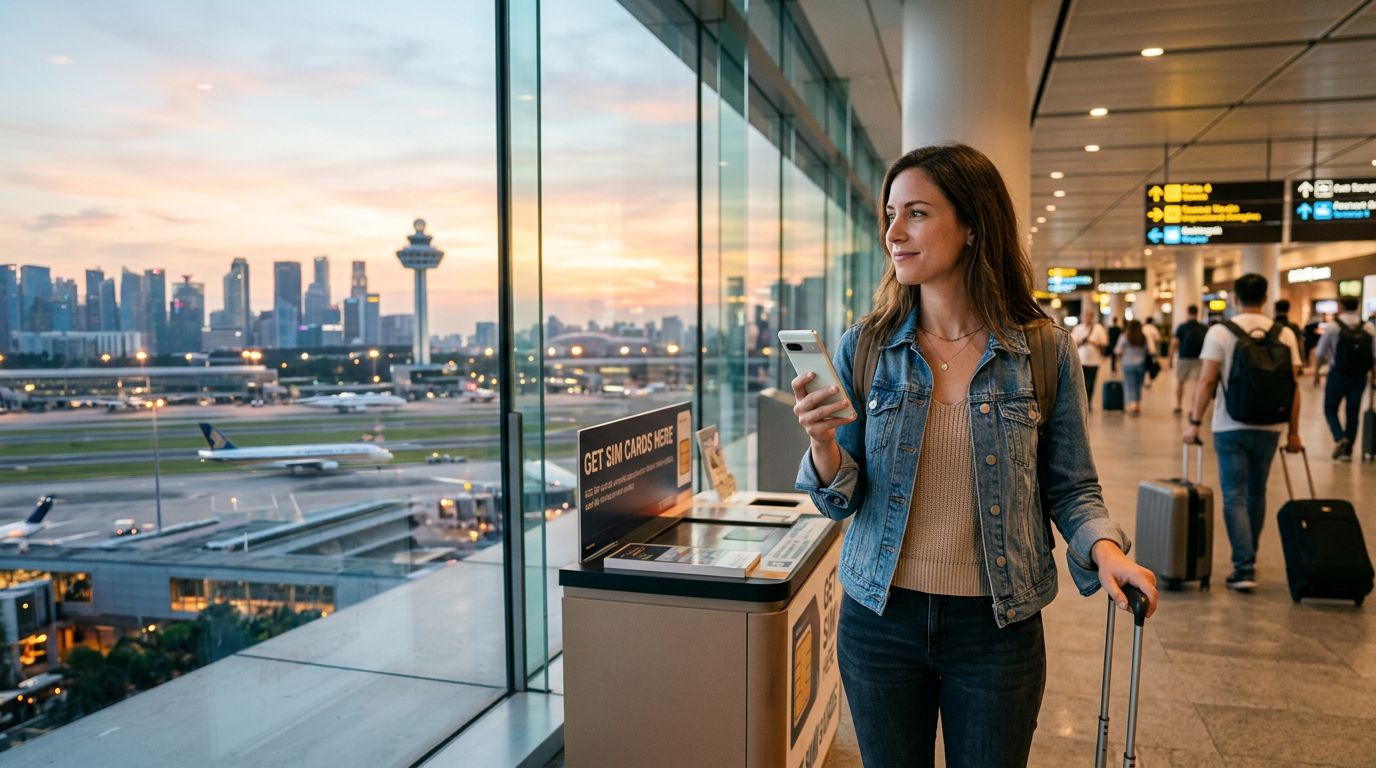
eSIM technology simplifies this by moving the entire process to the digital space. With a provider like OneTapSIM, you can purchase and install your data plan before you even board your flight. Once you land in Belize, your phone can automatically connect to the local network, allowing you to use map applications, messaging services, and ride-sharing tools immediately. This eliminates the stress of searching for a kiosk at the airport or struggling with language barriers at a local retail outlet.
It is important to note that not every smartphone supports eSIM technology. Before choosing this route, you should check your device settings to confirm that it is carrier-unlocked and eSIM-compatible. Most modern smartphones released in the last few years include this feature. If your device is compatible, the transition to an eSIM is generally seamless. You simply scan a QR code or follow the installation prompts provided by your service provider to activate your data plan. This digital approach is particularly beneficial for those traveling to multiple locations within Belize, as it allows for quick management of your data usage without the need to physically swap cards.
Performance and Reliability for Travelers
When comparing the performance of a physical SIM card versus an eSIM, it is helpful to understand that both rely on the same local cellular infrastructure in Belize. Whether you use a local physical SIM or a digital eSIM, your data speeds and coverage area will be dictated by the local network providers. The primary advantage of choosing a reputable eSIM provider is the quality of the network partnerships they maintain.
In remote areas of Belize, such as the deep interior of the Cayo District or certain offshore islands, signal strength can fluctuate regardless of the SIM type. However, eSIMs often provide a more stable experience because they are designed for international roaming, which frequently allows your device to connect to the best available network towers in the area. This can be a major advantage over a local physical SIM, which is typically locked to a single provider’s network.
Another factor to consider is the management of your data. If you are a heavy user who streams video or uploads high-resolution photos of your trip, you will want a plan that is easy to monitor. eSIM interfaces are typically integrated into your phone’s settings, allowing you to track your data consumption in real-time. If you run out of data, you can often purchase a top-up through the provider’s app or website without needing to visit a store.
For travelers who prioritize security, the eSIM also offers a slight advantage. Because you do not need to remove your home SIM card, you reduce the risk of losing it. Keeping your home SIM safely inside your phone ensures that you remain reachable on your primary number for essential calls or two-factor authentication codes, while your eSIM handles your data needs in Belize. This dual-SIM functionality is a standard feature on most modern devices, allowing you to keep both cards active simultaneously.
Ultimately, the decision comes down to your personal comfort with technology and your specific travel needs. If you prefer a hands-on approach and want to interact with local vendors, a physical SIM card remains a viable option. However, for those who value efficiency, immediate connectivity, and the ability to manage their travel data from a smartphone, the eSIM is the modern standard for international exploration. By preparing your digital connection before you arrive, you can spend less time managing your phone and more time enjoying the natural beauty and vibrant culture that Belize has to offer. Whether you are trekking through the rainforest or relaxing on a beach, having a reliable data connection ensures you can navigate your journey with confidence.
Get an eSIM for
Plans for the destinations covered in this guide, with instant QR delivery.