Understanding Your Connectivity Options in Finland
Finland is a country defined by its vast forests, thousands of lakes, and a highly advanced digital infrastructure. Whether you are planning to explore the vibrant streets of Helsinki, head north to witness the Northern Lights in Lapland, or navigate the archipelago, staying connected is essential. When planning your trip, you will likely encounter the debate regarding the Finland SIM card vs eSIM. Both options serve the same purpose—providing you with mobile data, calls, and texts—but they function in fundamentally different ways.
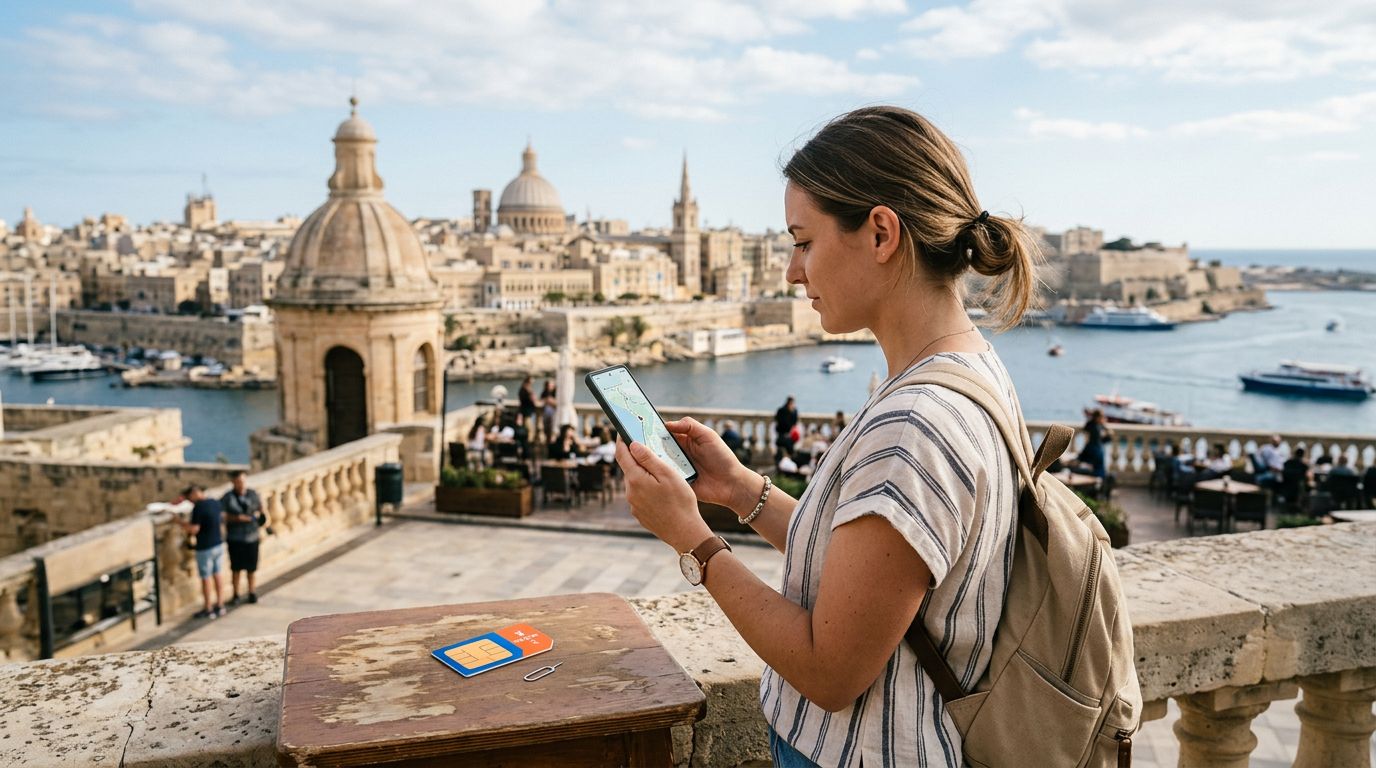
A traditional physical SIM card is a small, removable chip that you insert into your phone’s SIM tray. This has been the standard for decades. To use one in Finland, you typically visit a local store upon arrival, present your identification, and swap out your home SIM card for a local one. While this method is reliable, it requires physical handling of your hardware and the risk of losing your original SIM card while you are traveling.
An eSIM, or embedded SIM, is a digital version of that physical card. It is built directly into the hardware of modern smartphones. Instead of swapping a physical piece of plastic, you download a profile to your device, which activates your cellular service. For travelers, this means you can set up your connection before you even board your flight, ensuring you have data the moment you land in Finland.
Comparing Convenience and Installation
The primary difference between a physical Finland SIM card and an eSIM lies in the setup process. A physical SIM card requires you to find a retail location, wait in line, and physically manipulate your phone. If you are arriving late at night or landing in a remote area, finding an open shop can be a significant hurdle. Furthermore, you must keep track of your home SIM card to ensure you can switch back to your regular service once you return home.
eSIM technology simplifies this significantly. With a service like OneTapSIM, you can purchase and install your data plan digitally. Once you arrive in Finland, your phone automatically connects to the local network. This eliminates the need to visit a store or handle tiny, easily lost components. Because the eSIM exists as a software profile, you can keep your home SIM card inside your phone simultaneously. This allows you to receive important calls or messages on your primary number while using your eSIM for high-speed data.
Before choosing an eSIM, it is important to verify that your device is compatible. Most modern smartphones released in the last few years support this technology. You can check your device settings or consult the manufacturer’s support pages to confirm if your phone is carrier-unlocked and eSIM-ready. If your device supports it, the transition to a digital plan is generally much smoother than the traditional route.
Performance and Reliability Across Finland
Finland boasts some of the most robust telecommunications networks in the world. Whether you choose a physical SIM card from a local provider or an eSIM, you will likely experience excellent coverage in urban centers and major tourist hubs. The country has invested heavily in 5G infrastructure, and both physical and digital SIM options are capable of tapping into these high-speed networks.
However, the advantage of an eSIM often comes down to the quality of the service provider. When you buy a physical SIM card from a local kiosk, you are often limited to the specific network that kiosk represents. With an eSIM provider, you are frequently granted access to multiple major networks within the country. This is a significant benefit when traveling through Finland’s more rural regions. If one network has a weak signal in a specific forest or coastal area, your eSIM may automatically switch to a stronger partner network, ensuring you stay connected where others might lose service.
Another factor to consider is the duration of your trip. If you are staying for a short period, a physical SIM card might feel like an unnecessary administrative burden. You have to register the card, manage the physical hardware, and dispose of it properly when you leave. An eSIM is managed entirely through your phone’s settings. Once your trip concludes, you can simply delete the profile from your device. There is no physical waste and no need to worry about returning a card or managing a subscription that you no longer need.
Ultimately, the choice between a Finland SIM card and an eSIM depends on your comfort with technology and your desire for convenience. If you prefer a hands-on approach and want to interact with local shop staff, a physical SIM card remains a viable option. However, for those who value efficiency, the ability to manage their connectivity from their phone, and the peace of mind that comes with having a connection ready upon arrival, the eSIM is the superior choice for modern travel. By preparing your digital connection in advance, you spend less time worrying about logistics and more time enjoying the unique landscapes and culture that Finland has to offer. Whether you are navigating the metro in Helsinki or trekking through the wilderness, having a reliable, pre-installed data plan ensures that your maps, translation apps, and communication tools are always at your fingertips.
Get an eSIM for
Plans for the destinations covered in this guide, with instant QR delivery.