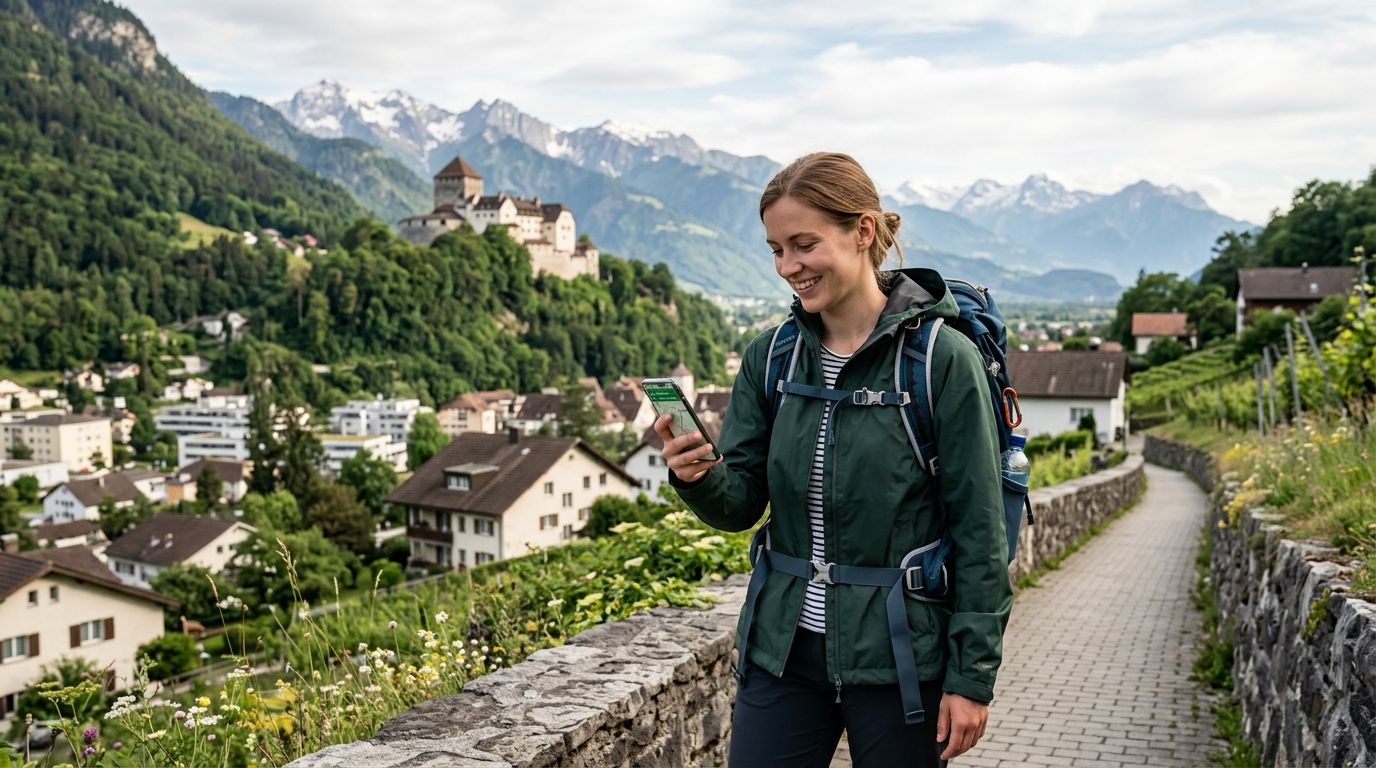
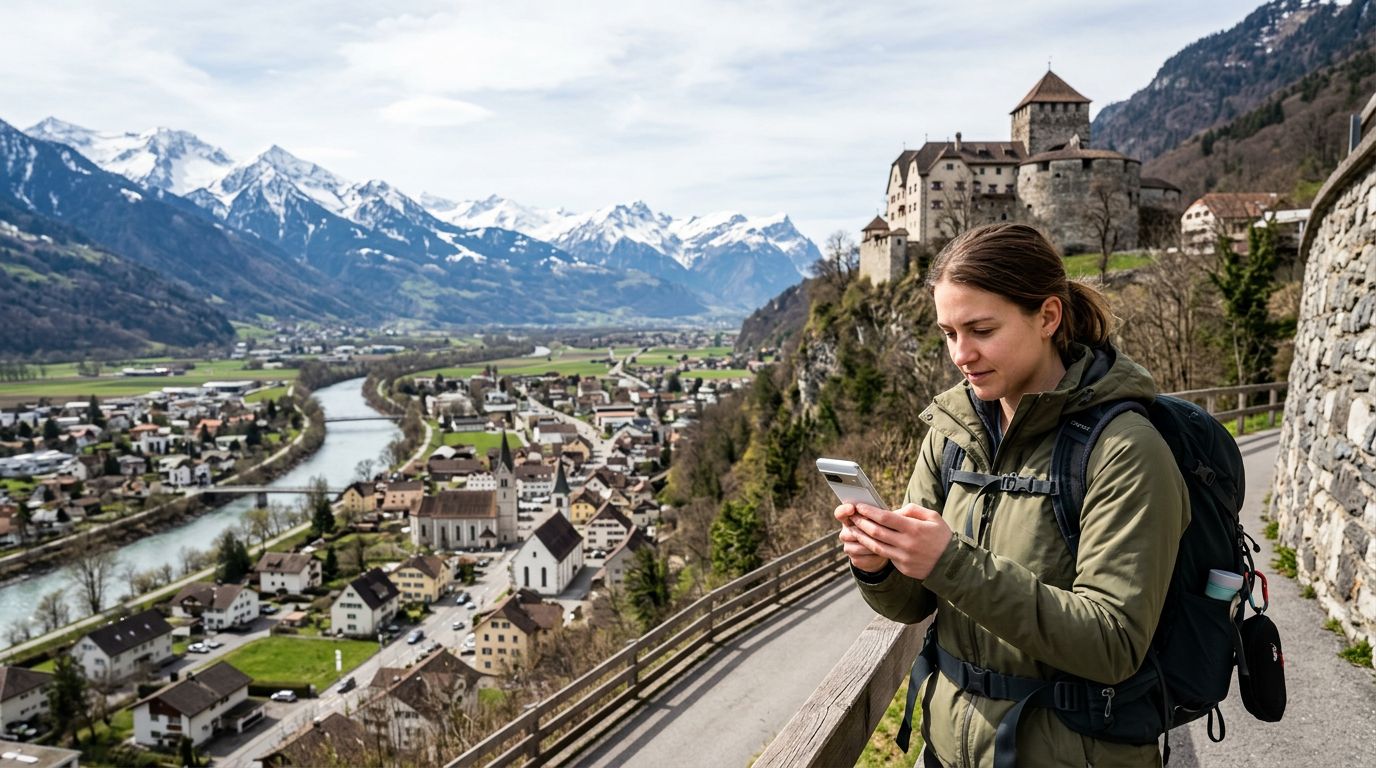
Liechtenstein is a destination defined by its stunning Alpine scenery, medieval castles, and pristine mountain villages. Whether you are visiting for a business trip to Vaduz or hiking the trails of the Rhine Valley, staying connected is essential. Travelers often find themselves choosing between a traditional physical SIM card and the modern convenience of an eSIM. Understanding the differences between these two options will help you decide which is the most reliable way to stay online during your journey.
Comparing Physical SIM Cards and eSIM Technology
A physical SIM card is the traditional method for accessing mobile networks. It requires you to insert a small plastic chip into your phone’s SIM tray. When traveling to a new country like Liechtenstein, this often involves visiting a local mobile shop, presenting your passport for registration, and manually swapping out your home SIM card. While this process is familiar, it carries the risk of losing or damaging your original card, which can be a significant inconvenience when you return home.
An eSIM, or embedded SIM, is a digital version of the traditional card. It is built directly into the hardware of compatible smartphones. Instead of physically swapping hardware, you activate an eSIM by scanning a QR code or downloading a profile via an app. Because the technology is digital, you can manage your connectivity before you even step off the plane.
OneTapSIM offers a seamless approach to this process. By utilizing an eSIM, you can maintain your home number for calls and texts while dedicating the eSIM data plan to your local internet needs in Liechtenstein. This dual-SIM functionality is a primary advantage for international travelers who need to stay reachable while avoiding high roaming fees from their domestic carriers.
The Practical Benefits of Choosing an eSIM
The most significant advantage of an eSIM is the elimination of physical logistics. When you arrive at an airport, the last thing you want to do is hunt for a kiosk, wait in a queue, or fumble with tiny plastic cards and a SIM ejector tool. With an eSIM, your connection is ready to go the moment you land. This is particularly useful in a mountainous country like Liechtenstein, where you may want to start navigating toward your accommodation or checking public transport schedules immediately upon arrival.
Security is another factor to consider. Physical SIM cards can be lost or stolen, and if you are unfamiliar with the local language or store hours, replacing one can be a headache. An eSIM is locked to your device’s hardware, meaning it cannot be misplaced. Furthermore, because you purchase your data plan online through providers like OneTapSIM, you avoid the need to share your personal identification documents with third-party vendors at a physical retail outlet, keeping your travel experience more private and secure.
Compatibility is rarely an issue for modern travelers. Most smartphones manufactured in the last few years support eSIM technology. If you are unsure whether your device is compatible, you can check your phone's settings menu under the cellular or mobile data section. If you see an option to "Add eSIM" or "Add Cellular Plan," your device is ready to connect. This digital-first approach aligns with the way we manage most other aspects of travel, such as boarding passes and hotel bookings, making it a natural fit for the modern itinerary.
Why Connectivity Matters in the Alps
Liechtenstein’s geography, characterized by narrow valleys and steep mountain slopes, requires a reliable network. Whether you are using GPS to navigate winding roads, uploading photos of the Vaduz Castle, or checking weather updates before a hike, a stable connection is vital.
When you choose a local physical SIM, you are often limited by the specific carrier available at the shop you happen to find. Conversely, digital providers often partner with multiple local networks to ensure that you have the best possible coverage across the country. This network redundancy is a major benefit of using a specialized travel eSIM provider. By ensuring you have access to the strongest signal in the region, you avoid the frustration of "dead zones" that can occur in remote Alpine areas.
Another aspect to consider is the flexibility of your data usage. With a physical SIM, you are often forced into a specific plan that may be more than you need or, conversely, may run out quickly. eSIM providers allow you to monitor your data consumption through an app. If you find yourself using more data than expected for navigation or streaming, you can often add more data to your plan with just a few taps. This level of control is simply not possible with a traditional prepaid SIM card, which usually requires you to return to a store to top up.
Finally, consider the environmental impact and the ease of departure. Physical SIM cards contribute to plastic waste, and the packaging associated with them adds unnecessary bulk to your luggage. When your trip to Liechtenstein concludes, you do not need to worry about disposing of a SIM card or remembering to put your original one back in. You simply deactivate the eSIM profile in your phone settings. It is a clean, efficient, and forward-thinking way to manage your mobile connectivity. By opting for an eSIM, you spend less time managing your phone and more time enjoying the unique culture and landscapes of Liechtenstein. Whether you are a frequent traveler or a first-time visitor, the convenience and reliability of this technology make it the superior choice for your upcoming trip.
Get an eSIM for
Plans for the destinations covered in this guide, with instant QR delivery.