Understanding the Basics: Physical SIMs vs. eSIMs
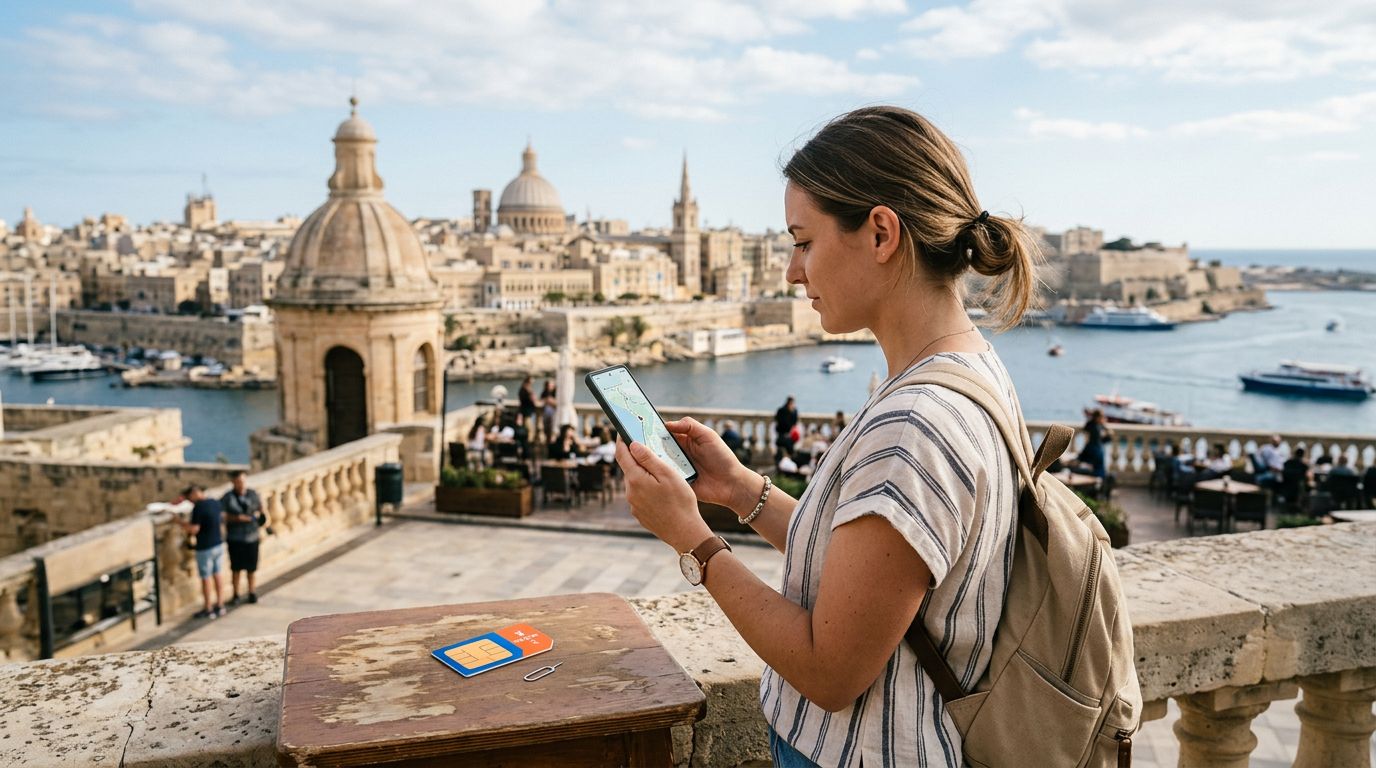
Planning a trip to France often involves a checklist of logistics, and staying connected is usually at the top. For years, the standard approach was to land at a French airport or walk into a local boutique to purchase a physical SIM card. This traditional method requires you to swap out your existing home SIM card for a local one. While this has been the reliable standard for decades, it comes with inherent risks, such as losing your original card or needing to handle tiny plastic pieces while navigating a busy terminal.
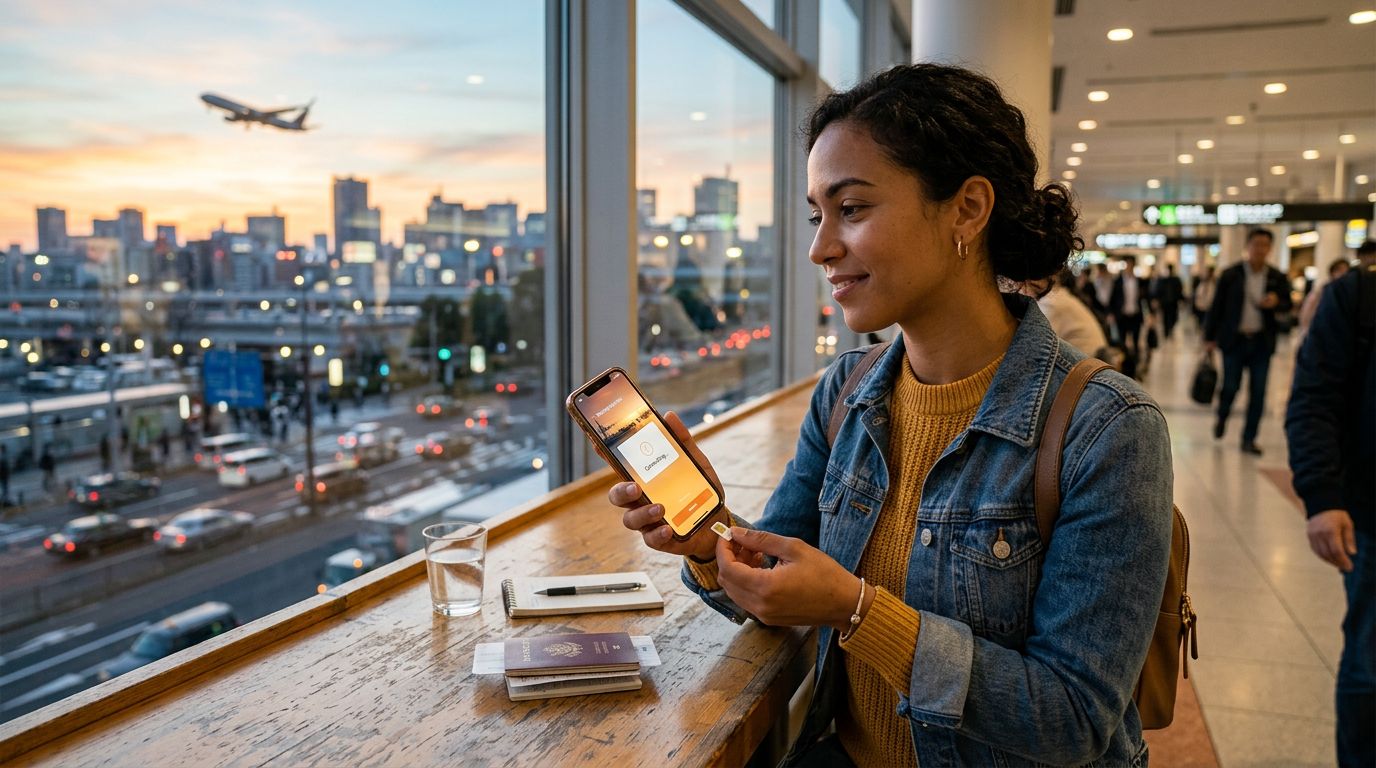
An eSIM, or embedded SIM, represents a shift in how we manage mobile connectivity. Instead of a physical chip, an eSIM is a digital version of a SIM card that is downloaded directly to your smartphone. Because it is software-based, there is no need to open your phone’s SIM tray or handle delicate hardware. When comparing a France SIM card vs eSIM, the primary difference lies in the convenience of activation and the preservation of your primary phone number.
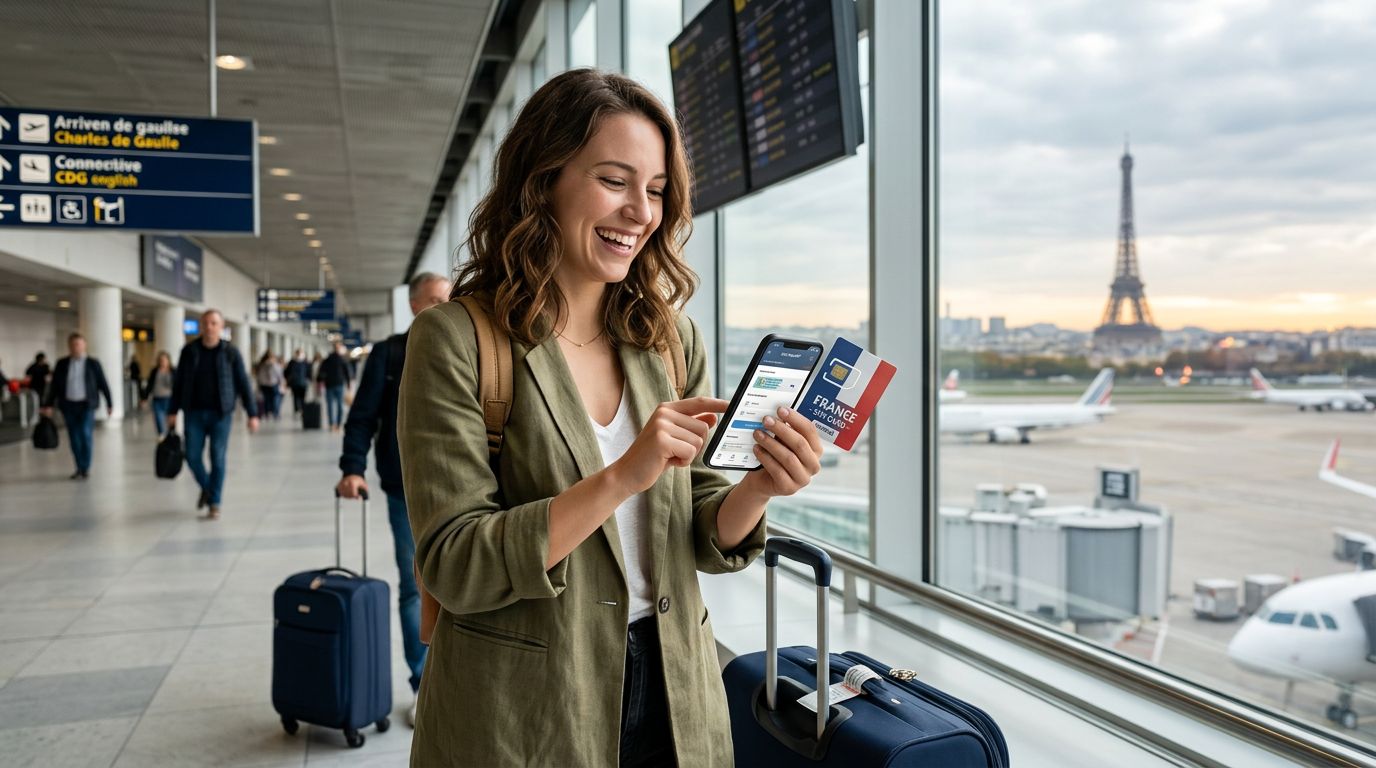
Most modern smartphones are now equipped with eSIM capabilities. If you are using a recent model from major manufacturers, your device likely supports this technology. By opting for an eSIM, you can manage your connectivity before you even board your flight, ensuring that you have a signal the moment you touch down in Paris, Nice, or Lyon.
The Practical Benefits of Choosing an eSIM for France
When you choose an eSIM for your French adventure, you gain several logistical advantages that simplify your travel experience. The most significant benefit is the ability to keep your home SIM card active. With a physical SIM card, you must remove your primary card, which means you cannot receive calls or texts from your home number unless you carry a second device. With an eSIM, you can keep your home SIM active for calls and texts while using the eSIM specifically for your data needs in France.
Another major advantage is the elimination of physical friction. Finding a store in a foreign country can be time-consuming, especially if you arrive late at night or on a weekend when many shops are closed. With a service like OneTapSIM, you can secure your data plan well in advance. The process is entirely digital, meaning you avoid language barriers at retail counters and the stress of trying to register a local prepaid card.
Additionally, eSIMs are inherently more secure. Because the profile is downloaded directly to your device, there is no risk of a physical card being stolen or damaged. If you find that your data usage is higher than expected, you can often manage or top up your plan through an app or a web portal, rather than having to find a physical kiosk to purchase another card. This flexibility is essential for travelers who want to spend their time exploring the Louvre or the French Riviera rather than searching for mobile network stores.
Compatibility and Activation Considerations
Before deciding between a France SIM card vs eSIM, you must ensure your device is compatible. Most phones manufactured in the last few years support eSIM technology. To check if your device is ready, you can consult the official support pages for your specific operating system, such as those provided by Apple or Google. Furthermore, it is critical to confirm that your phone is carrier-unlocked. If your device is locked to your home service provider, it will not accept an eSIM from a different provider, regardless of whether it is a physical or digital card.
The activation process for an eSIM is generally straightforward. Once you purchase a plan, you will receive instructions, usually involving a QR code or a manual activation string. You simply navigate to your phone’s cellular settings, select the option to add a cellular plan, and follow the prompts. This can be done from the comfort of your home or hotel room.
OneTapSIM streamlines this experience by providing clear, step-by-step guidance, ensuring that you are connected as soon as you arrive in France. Once the profile is installed, you can toggle it on or off as needed. This is particularly useful if you are traveling through multiple countries; you can have several eSIM profiles stored on your device and switch between them with a few taps.
Evaluating Your Connectivity Needs
When you compare a France SIM card vs eSIM, consider your specific travel habits. If you are a light user who only needs data for occasional navigation or checking emails, a standard eSIM package offers a clean, efficient solution without the clutter of physical hardware. If you are a heavy data user—perhaps you are uploading videos of your travels or participating in video calls—the ability to easily monitor and manage your data usage through an app makes the eSIM the superior choice.
For those who prefer the tactile nature of a physical card or who are using an older device that does not support eSIM technology, a physical SIM remains a viable path. However, the industry is moving rapidly toward digital-first solutions. The convenience of having your mobile data ready upon arrival, without the need to hunt for a vendor, is a significant upgrade to the travel experience.
Ultimately, the choice comes down to your priorities. If you value efficiency, security, and the ability to maintain your home number alongside your travel data, the eSIM is the modern standard. By preparing your device before you leave, you remove one of the most common stressors of international travel. Whether you are wandering the streets of Montmartre or visiting the vineyards of Bordeaux, having a reliable, pre-activated data connection allows you to focus on the sights, sounds, and flavors of France. With providers like OneTapSIM, the transition to digital connectivity is seamless, allowing you to stay connected with the same ease that you navigate the rest of your trip.
Get an eSIM for
Plans for the destinations covered in this guide, with instant QR delivery.