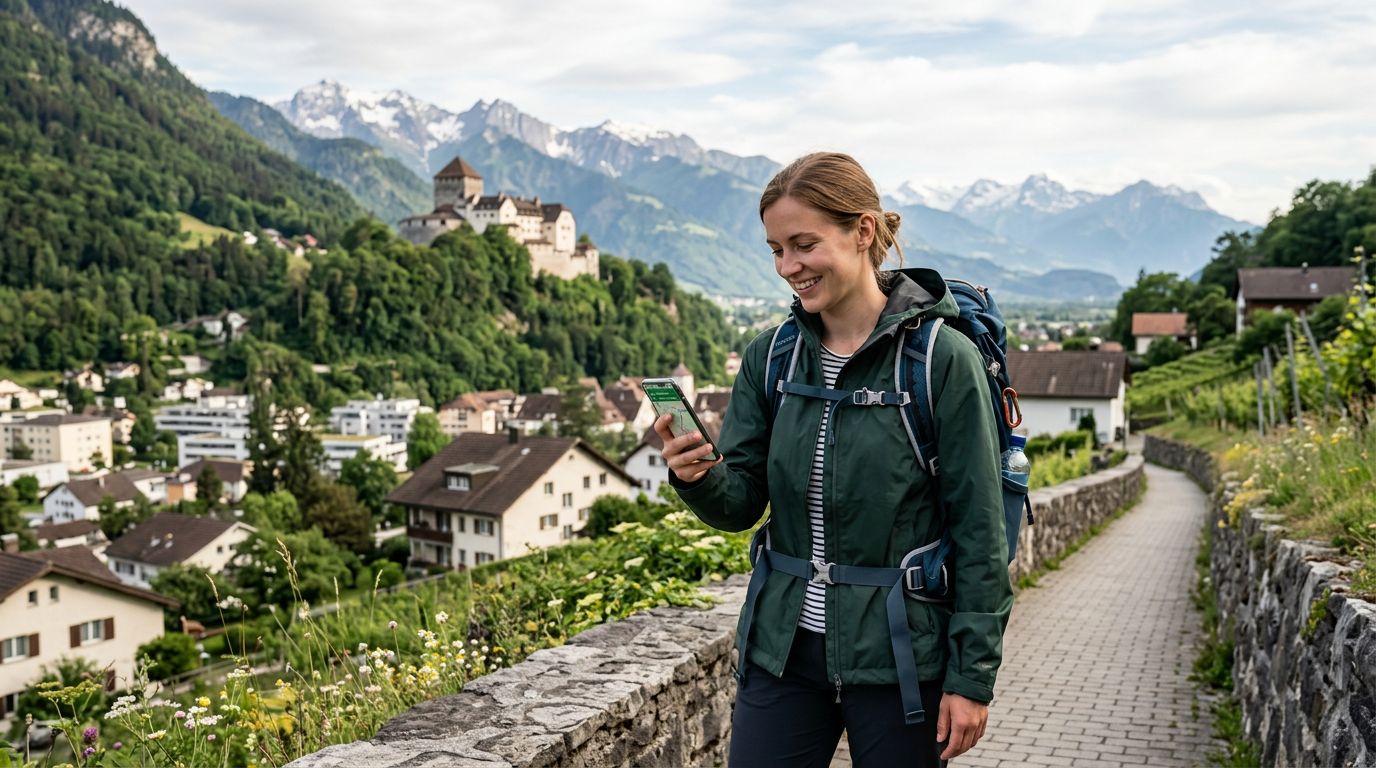
Liechtenstein is a hidden gem tucked between Switzerland and Austria, offering breathtaking Alpine scenery, medieval castles, and a sense of tranquility that is hard to find elsewhere in Europe. Whether you are planning to hike the mountain trails of Malbun or explore the charming streets of Vaduz, staying connected is essential for a smooth journey. Having reliable internet access allows you to use maps, translate menus, and share your experiences with friends and family in real-time. Finding the best way to get data in Liechtenstein can be a challenge if you are not prepared, but with the right information, you can stay online without any unnecessary stress.
Understanding Connectivity Options for Liechtenstein
When traveling to a small, landlocked country like Liechtenstein, your connectivity options generally fall into three categories: local SIM cards, roaming with your home provider, and eSIM technology. Each method comes with its own set of advantages and drawbacks, and the right choice depends on your duration of stay and your specific data needs.
Roaming with your home carrier is often the most convenient option because it requires no setup. However, it is frequently the most expensive choice. Many travelers return home to find unexpected charges on their monthly statements, making it a risky bet for those trying to manage their travel budget. Furthermore, some carriers limit the speeds or the amount of data you can access while roaming abroad, which can be frustrating if you need to upload photos or stream video.
Local physical SIM cards are another traditional route. Upon arrival, you might look for a mobile shop to purchase a SIM card. While this provides a local number and local data rates, it involves finding a store, presenting identification, and physically swapping out your current SIM card. This process can be inconvenient, especially if you arrive late at night or on a weekend when shops are closed. You also run the risk of losing your original SIM card while it is out of your device, which is a headache no traveler wants to deal with.
eSIM technology has emerged as the modern solution for international travelers. An eSIM is a digital version of a traditional SIM card that is embedded directly into your phone’s hardware. Because it is entirely digital, you can purchase and activate your data plan before you even board your plane. This eliminates the need to visit a store or handle tiny plastic cards. For those wondering about the best way to get data in Liechtenstein, the eSIM approach offers a balance of flexibility, cost-efficiency, and ease of use that traditional methods simply cannot match.
Why eSIM is the Preferred Choice for Modern Travelers
The primary advantage of using an eSIM is the seamless transition it provides. With a provider like OneTapSIM, you can set up your data plan while you are still at home. Once you land in Liechtenstein, your phone automatically connects to the local network, allowing you to check your emails or call a taxi the moment you step off the plane. This instant connectivity is invaluable when you are in a foreign country where you might not speak the local language or know the layout of the city.
Another significant benefit is the ability to keep your primary SIM card active. Many travelers rely on their home number for two-factor authentication, banking alerts, or urgent calls from home. With an eSIM, you can keep your primary SIM active for calls and texts while using the eSIM specifically for data. This dual-SIM functionality ensures that you never miss an important notification while still enjoying high-speed internet for your navigation and browsing needs.
Furthermore, eSIMs are incredibly environmentally friendly and secure. There is no plastic waste, and there is no physical component that can be damaged or stolen. If you decide to extend your trip or move on to a neighboring country, you can easily manage your data plans through your device settings or a dedicated app. This level of control is empowering, as it allows you to adjust your data consumption based on your actual usage rather than being tied to a rigid, pre-purchased contract.
Compatibility is rarely an issue for modern devices. Most smartphones released in the last few years support eSIM technology. Before you travel, it is always a good idea to check your phone’s settings to ensure it is unlocked and eSIM-compatible. You can usually find this information in the cellular or mobile network section of your phone’s settings menu. If you are ever unsure about the technical side of things, official support pages from your device manufacturer provide clear, step-by-step guidance on how to add and manage cellular plans.
Tips for Managing Data Usage While Abroad
Even with a high-quality data plan, it is wise to be mindful of how you consume data while traveling. Liechtenstein is a place meant to be experienced, not spent behind a screen, but having data for navigation and research is a necessity. To make the most of your connection, consider adjusting a few settings on your device before you start your trip.
First, disable automatic app updates. Many phones are set to update apps in the background, which can consume large amounts of data without you realizing it. You can change this in your app store settings to ensure updates only occur when you are connected to a stable Wi-Fi network. Similarly, check your social media settings to prevent videos from playing automatically as you scroll through your feeds. These small adjustments can significantly extend the life of your data package.
Second, download offline maps before you leave your hotel or a place with free Wi-Fi. Most major navigation apps allow you to save specific regions for offline use. This means that even if you find yourself in a remote mountain pass where cellular coverage is spotty, you will still be able to find your way back to your accommodation. Having these maps pre-loaded also saves you from needing to constantly pull data to load map tiles as you move through the country.
Finally, prioritize using Wi-Fi for heavy tasks like uploading large video files or backing up your photos to the cloud. Save your mobile data for when you are on the move—using ride-sharing apps, checking train schedules, or looking up historical facts about the landmarks you are visiting. By balancing your usage, you ensure that you stay connected throughout your entire trip without needing to worry about running out of data.
Choosing the right way to stay connected is a fundamental part of travel planning. By opting for an eSIM, you remove the barriers associated with traditional connectivity and gain the freedom to enjoy your time in Liechtenstein to the fullest. Whether you are capturing the beauty of the Rhine Valley or enjoying a quiet evening in a mountain village, having a reliable data connection ensures that your journey is as smooth and enjoyable as possible. With a bit of preparation and the right digital tools, you can focus on the memories you are creating rather than the logistics of staying online.
Get an eSIM for
Plans for the destinations covered in this guide, with instant QR delivery.