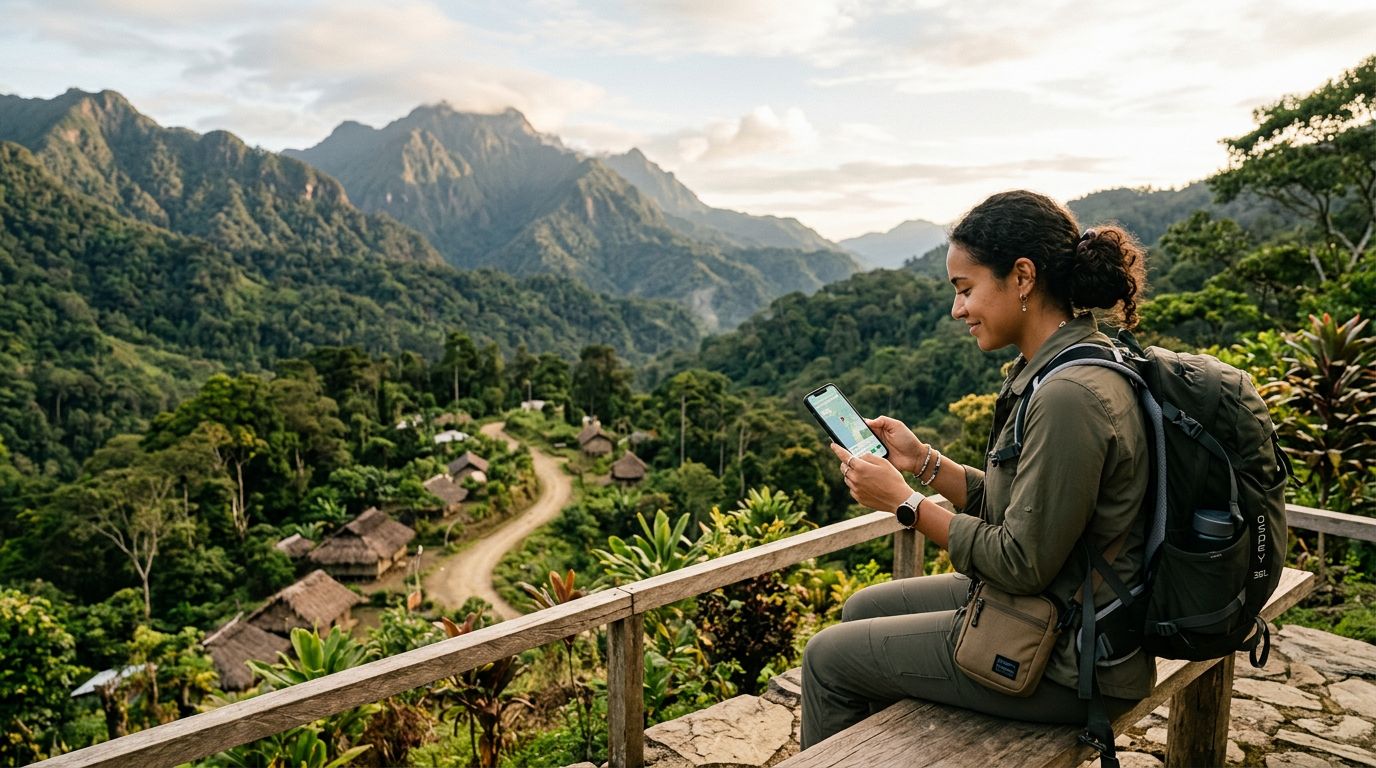
Understanding Connectivity Challenges in Papua New Guinea
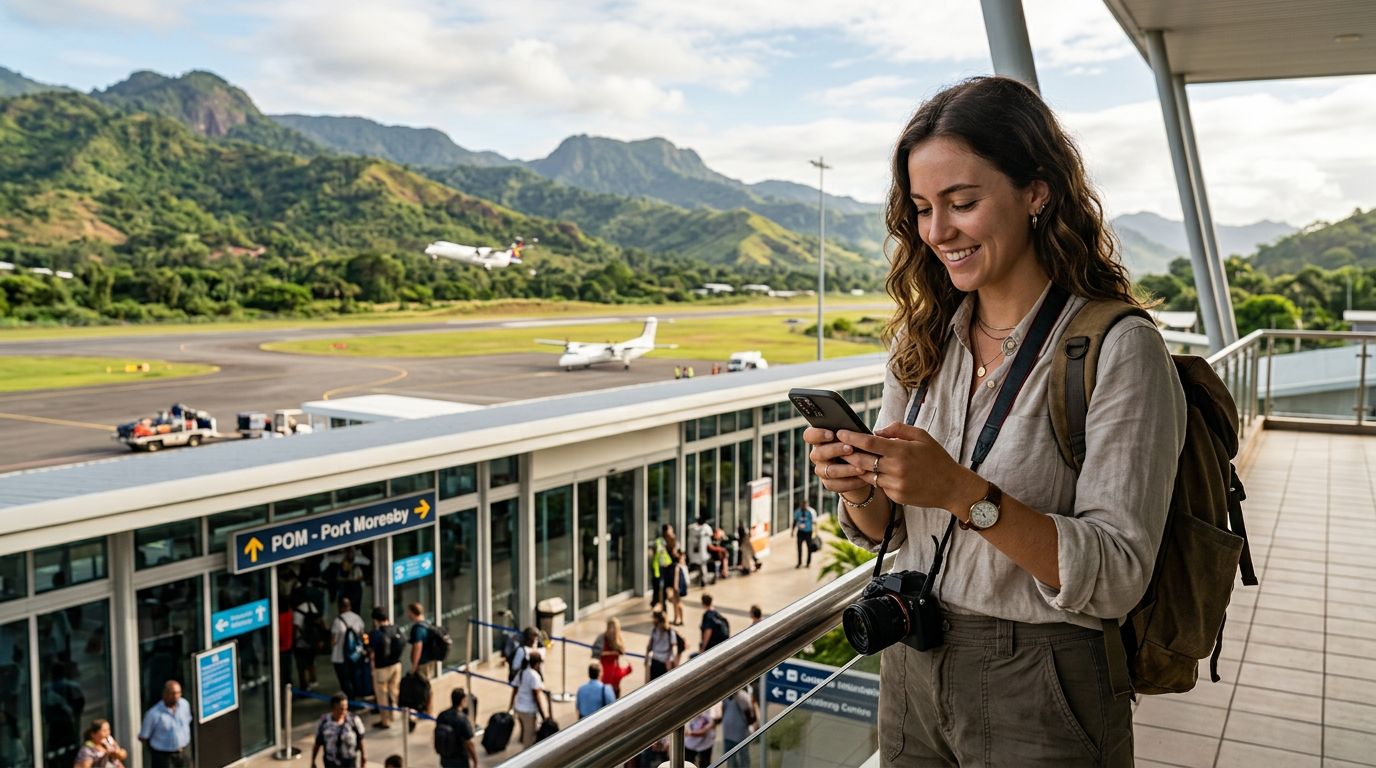
Papua New Guinea is a destination defined by its rugged landscapes, vibrant tribal cultures, and pristine natural beauty. From the misty highlands to the coral-rich waters of the Bismarck Sea, it offers an adventure unlike any other. However, for travelers accustomed to seamless global connectivity, the infrastructure in this region presents a unique set of challenges. Unlike major metropolitan hubs where Wi-Fi is ubiquitous, Papua New Guinea requires a more strategic approach to staying online.
The geography of the country, characterized by dense rainforests and steep mountain ranges, makes the deployment of traditional telecommunications infrastructure difficult. While major towns and cities have established mobile networks, signal strength can fluctuate significantly as you move into more remote areas. Because of this, relying solely on hotel Wi-Fi or local public hotspots is rarely a viable strategy for those who need consistent access for navigation, translation, or sharing their experiences.
For the modern traveler, having a reliable connection is not just about convenience; it is a safety tool. Whether you are coordinating with local guides, checking weather patterns before a trek, or keeping in touch with family back home, having your own dedicated data source is essential. Understanding the limitations of the local network is the first step toward ensuring you remain connected throughout your journey.
Evaluating Your Options for Mobile Data
When planning your trip, you will encounter several methods for accessing the internet. Historically, travelers relied on purchasing physical SIM cards upon arrival at the airport or in city centers. While this remains an option, it often involves navigating language barriers, waiting in queues, and dealing with the physical logistics of swapping out your home SIM card. Losing your original SIM card is a common risk, and the setup process can be time-consuming when you would rather be exploring.
Another alternative is international roaming through your home provider. While this is certainly the most convenient in terms of setup, it is frequently the most expensive route. Many domestic carriers charge high daily fees for international data usage, and the speeds provided can be throttled or inconsistent. Furthermore, you are often at the mercy of the roaming agreements your home carrier has established with local providers, which may not always offer the best coverage in the specific regions you plan to visit.
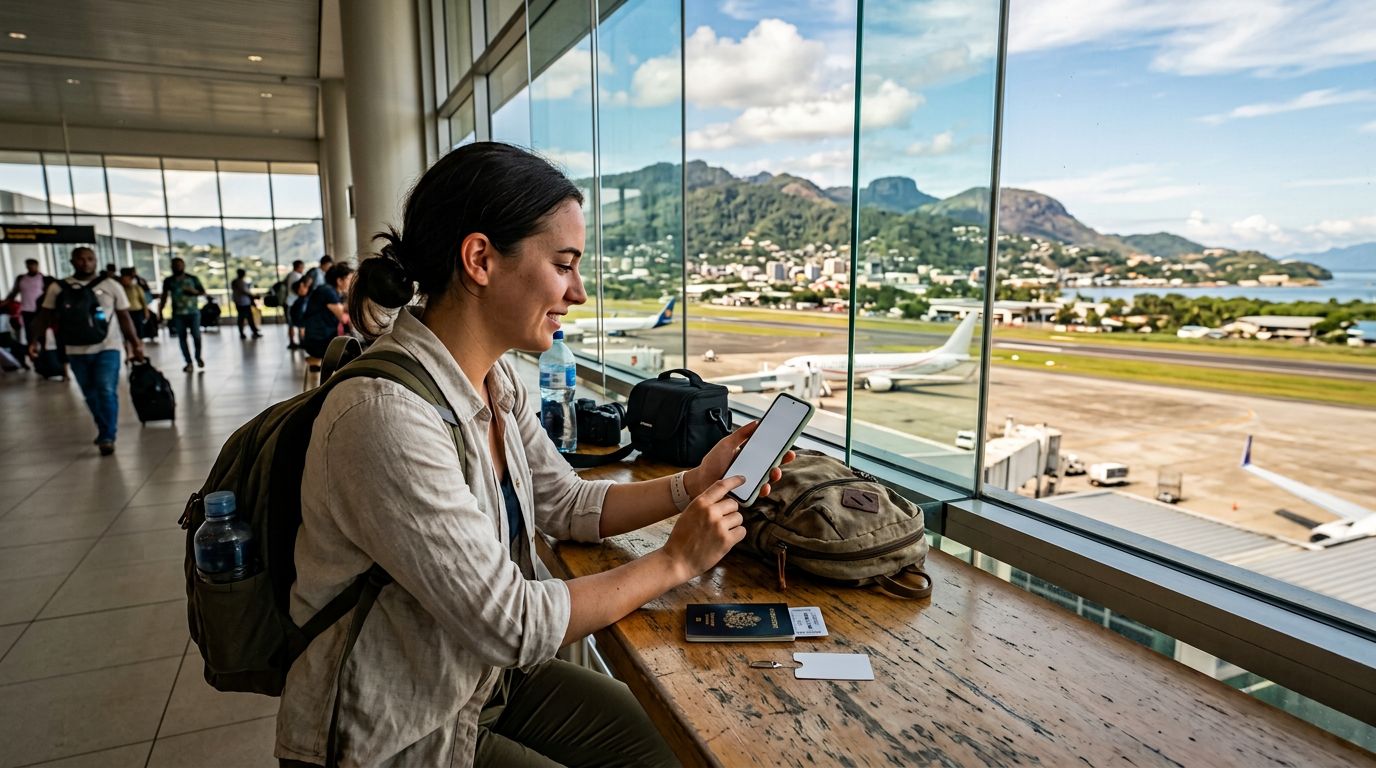
This is where the shift toward eSIM technology has changed the landscape for international travelers. An eSIM allows you to download a digital profile directly to your device, bypassing the need for a physical card. This technology is particularly advantageous in countries like Papua New Guinea, where you can prepare your connection before you even board your flight. By selecting a provider like OneTapSIM, you can ensure that your device is ready to connect the moment you touch down, eliminating the stress of finding a shop or dealing with complex activation procedures in a foreign environment.
Why eSIMs Are the Best Way to Get Data in Papua New Guinea
The best way to get data in Papua New Guinea for most travelers is through an eSIM, primarily due to the flexibility and reliability it offers. Because the service is digital, you are not tethered to a physical kiosk or a specific opening time for a retail store. You can manage your data plan entirely through your smartphone, which is a significant advantage when you are moving between remote provinces.
Compatibility is the first factor to check. Most modern smartphones support eSIM functionality. Before you finalize your travel plans, it is worth verifying that your device is unlocked and compatible with this technology. If you are unsure about your device's capabilities, you can consult the official support pages for your manufacturer to confirm that your model supports eSIM profiles. Once you have confirmed compatibility, the process of installing a plan is straightforward. You simply scan a QR code or enter the provided details, and your phone will recognize the new network profile as an additional line.
One of the greatest benefits of using an eSIM in a destination as diverse as Papua New Guinea is the ability to maintain your home number while using a separate data plan. This means you can continue to receive important SMS messages or calls on your primary SIM while using your eSIM for maps, social media, and web browsing. This dual-SIM functionality provides a safety net that physical SIM cards simply cannot match.
Furthermore, managing your data usage becomes much easier with a digital plan. You can monitor how much data you have consumed in real-time, preventing the surprise of running out of credit in the middle of a remote trek. If you find that your itinerary changes and you need more data, you can often top up your plan remotely, provided you have a brief moment of connectivity. This level of control is invaluable when traveling through regions where physical infrastructure is sparse.
Ultimately, your goal in Papua New Guinea should be to spend your time engaging with the incredible culture and landscapes, not troubleshooting your phone. By opting for a digital solution, you remove the friction associated with traditional connectivity methods. Whether you are traveling for business or pleasure, having a pre-configured data plan allows you to land with confidence, knowing that your device is ready to support your journey from the very first moment. By choosing a reliable provider and setting up your eSIM before departure, you ensure that you have the best way to get data in Papua New Guinea, keeping you connected wherever your adventure takes you.
Get an eSIM for
Plans for the destinations covered in this guide, with instant QR delivery.