Finland is a land of vast forests, thousands of lakes, and a digital infrastructure that ranks among the most advanced in the world. Whether you are planning to explore the vibrant streets of Helsinki, chase the Northern Lights in Lapland, or enjoy the tranquility of the Finnish Lakeland, staying connected is essential. As you prepare for your journey, one of the most common questions is whether to choose a traditional physical SIM card or a modern eSIM. Understanding the differences between these two options will help you decide which is best for your trip.
Understanding the Physical SIM Card Experience
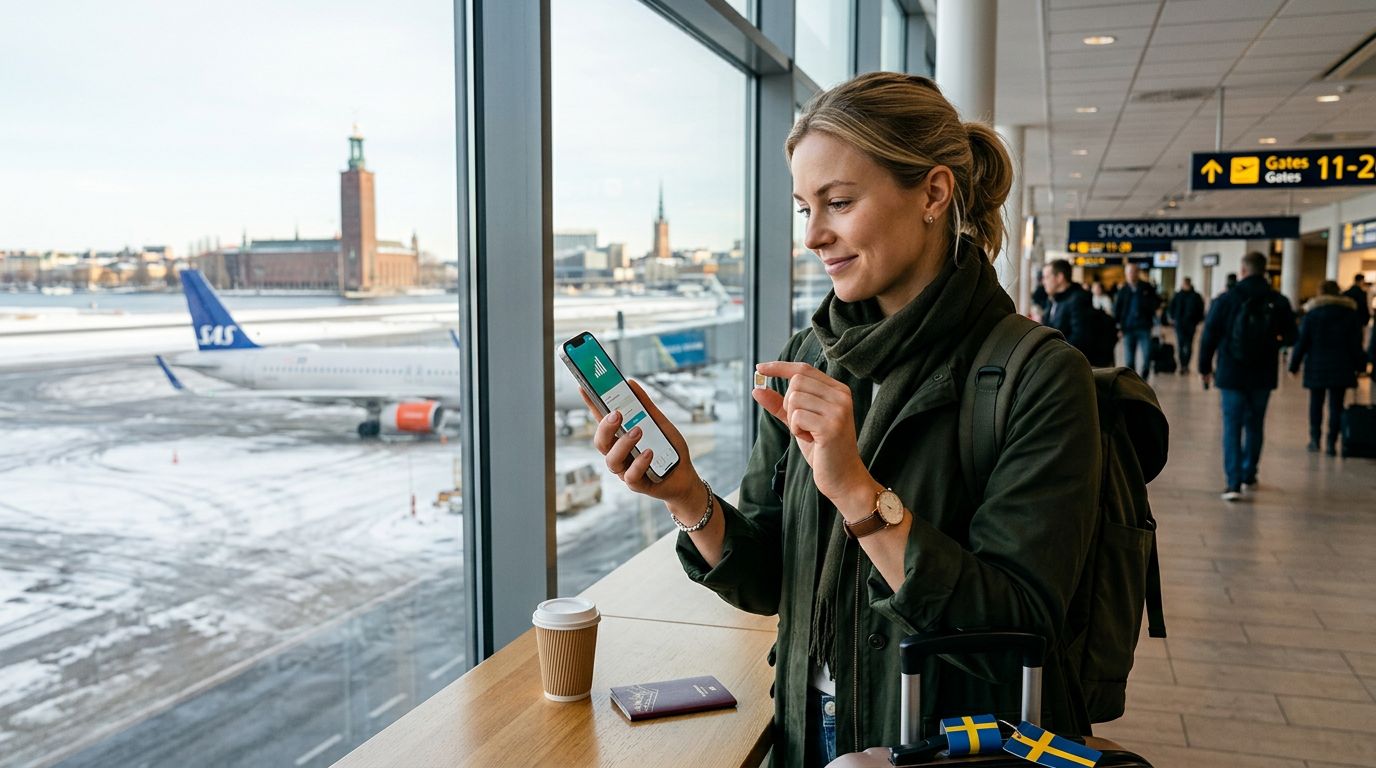
The traditional physical SIM card has been the standard for international travelers for decades. When you arrive in Finland, you might choose to visit a local mobile operator store or a convenience store to purchase a physical card. This process involves physically removing your current SIM card from your phone and replacing it with the new one.
One of the primary benefits of a physical SIM card is its universal compatibility. Almost every mobile phone manufactured in the last two decades supports a physical SIM. If you are traveling with an older device, a physical card is often your only option. Additionally, some travelers prefer the tangible nature of a physical card, as it feels like a definitive switch to a local network.
However, there are notable drawbacks to this approach. First, you must keep track of your original SIM card. If you lose it while swapping, you could face significant difficulties when you return home and need to restore your original service. Second, the process of buying a physical card can be time-consuming. You may have to find a retail location, wait in line, and provide identification, which can be frustrating after a long flight. Furthermore, if your phone uses a specific size—such as a Nano-SIM—you must ensure the card you purchase is compatible, although most modern cards are pre-cut to fit all slots.
The Advantages of eSIM Technology
An eSIM, or embedded SIM, is a digital version of a physical SIM card. Instead of inserting a plastic chip into your device, you download a digital profile that activates your cellular service. This technology has become increasingly popular for international travel because it eliminates the need for physical hardware.
The most significant benefit of an eSIM is convenience. With a service like OneTapSIM, you can purchase and install your data plan before you even leave your home country. As soon as your plane touches down in Helsinki, your phone connects to the local network automatically. There is no need to hunt for a store, deal with language barriers at a kiosk, or worry about losing your home SIM card.
Another major advantage is the ability to manage multiple profiles. Many modern smartphones allow you to keep your home SIM card active for calls and texts while using your eSIM specifically for data. This means you can stay reachable on your primary number while enjoying high-speed internet in Finland without incurring expensive roaming charges. Because the eSIM is entirely digital, it is also more environmentally friendly, as it eliminates the production and shipping of plastic cards and packaging.
Compatibility is the only real hurdle with eSIMs. You must ensure your smartphone is carrier-unlocked and supports eSIM technology. Most flagship devices released in the last few years are compatible, but it is always wise to check your device settings or the manufacturer's official support pages to confirm your specific model can handle digital SIM profiles.
Making the Right Choice for Your Finnish Adventure
When comparing a Finland SIM card vs eSIM, the decision ultimately comes down to your personal preferences and your device capabilities. If you are using a modern, unlocked smartphone, the eSIM is almost always the superior choice due to its ease of use and flexibility. The ability to activate your connection instantly upon arrival allows you to use navigation apps, translation tools, and ride-sharing services without delay.
If you are a traveler who prefers to have a physical item in your hand or if you are using an older device that does not support digital profiles, a physical SIM card remains a reliable backup. You will still get excellent coverage across Finland, as the country boasts some of the fastest and most reliable mobile networks in Europe. Regardless of the method you choose, having a local data connection is vital for accessing maps, checking train schedules, and sharing your travel photos with friends and family back home.
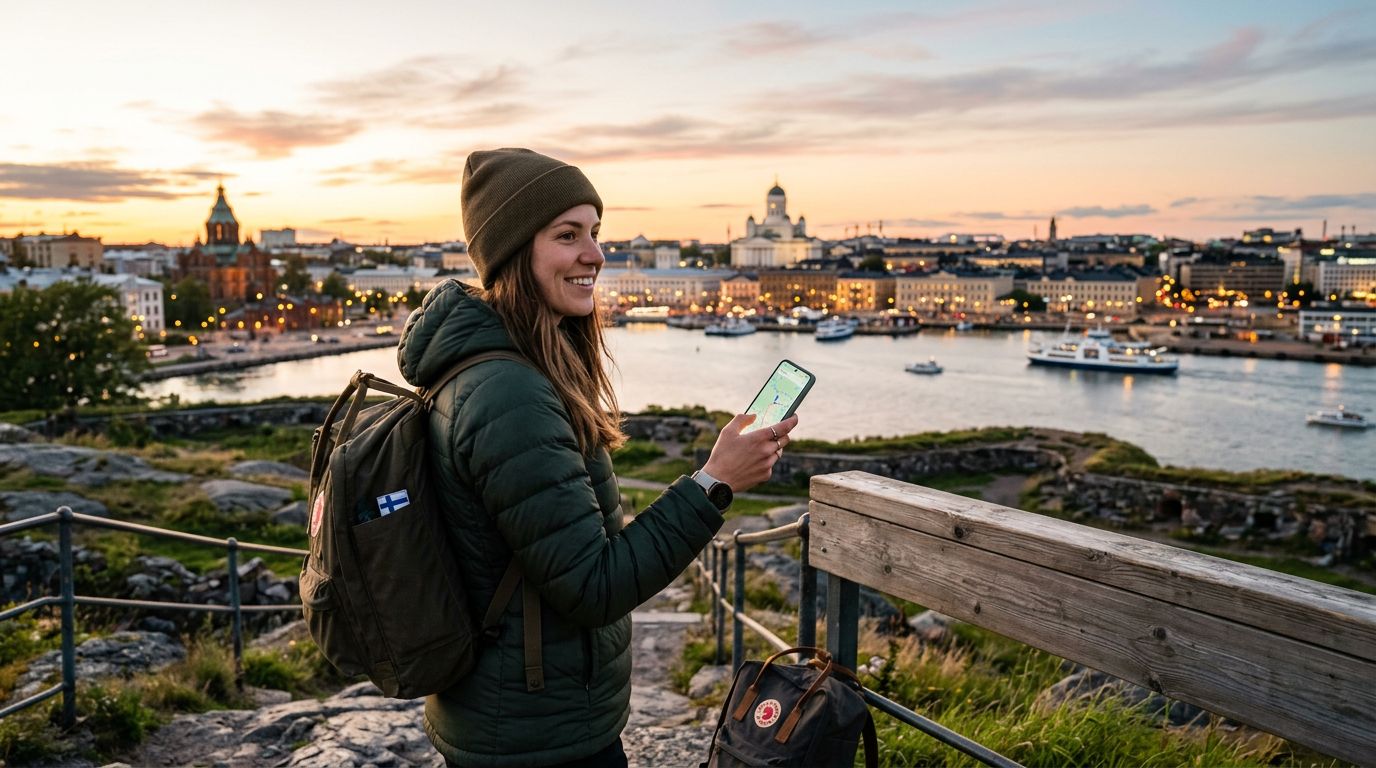
For those who prioritize a seamless travel experience, the transition to digital connectivity is a logical step. By preparing your data plan in advance, you remove the stress of finding a shop in a foreign city. You can spend your time enjoying the sauna culture or exploring the historic sites of Suomenlinna rather than worrying about mobile connectivity.
Before you depart, verify your phone's settings to ensure that eSIM functionality is enabled. If you choose the digital route, follow the instructions provided by your service provider to scan the QR code or enter the activation details. Once the profile is installed, you are ready to explore Finland with the confidence that you have reliable, high-speed data at your fingertips. Whether you choose the traditional path or the modern digital alternative, being prepared ensures that your time in Finland is spent focusing on the beauty of the landscape rather than the logistics of your mobile service.
Get an eSIM for
Plans for the destinations covered in this guide, with instant QR delivery.