The Convenience Factor: Why Connectivity Matters in Sweden
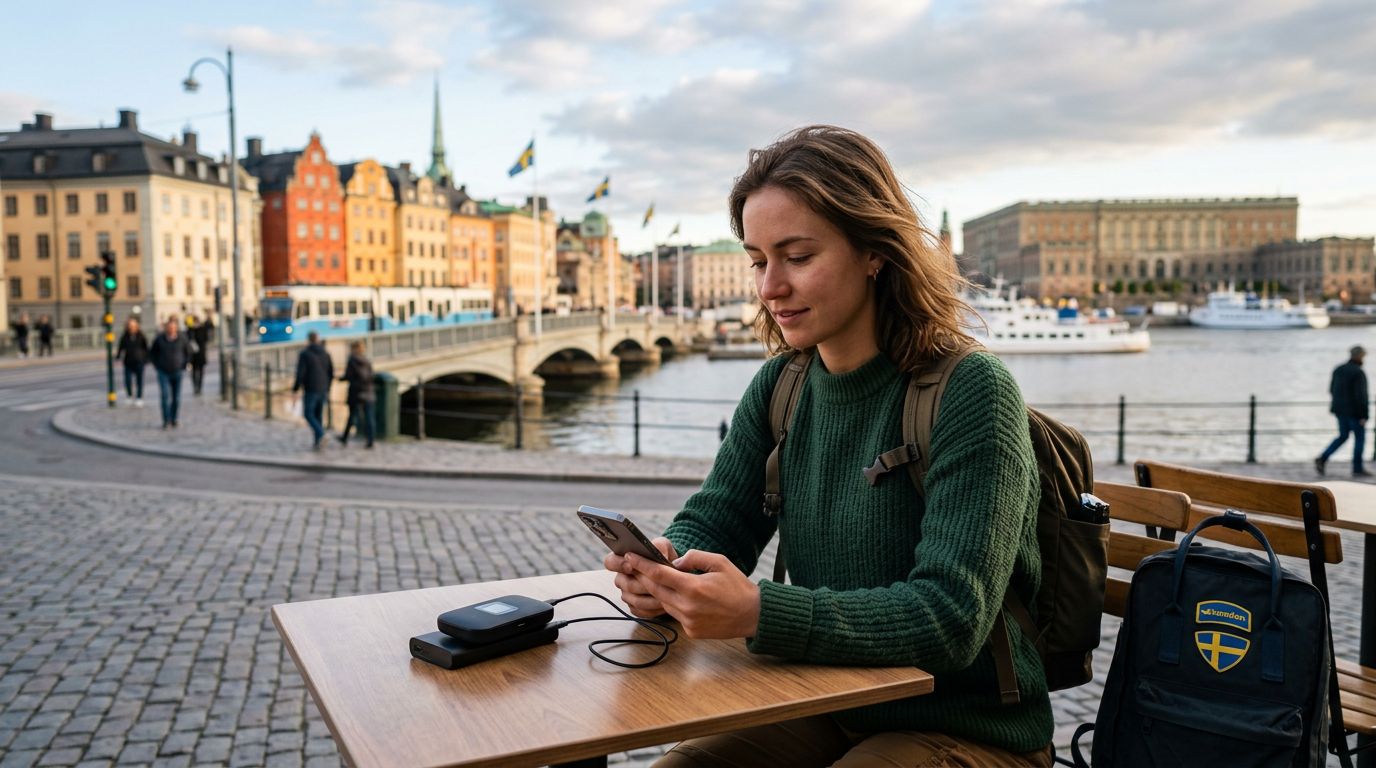
Sweden is a country that embraces digital infrastructure like few others. From the bustling streets of Stockholm to the remote archipelagos and dense forests of the north, connectivity is essential. Whether you are using map applications to find the nearest train station, translating local signage, or sharing photos of the Northern Lights, you need a reliable data connection.
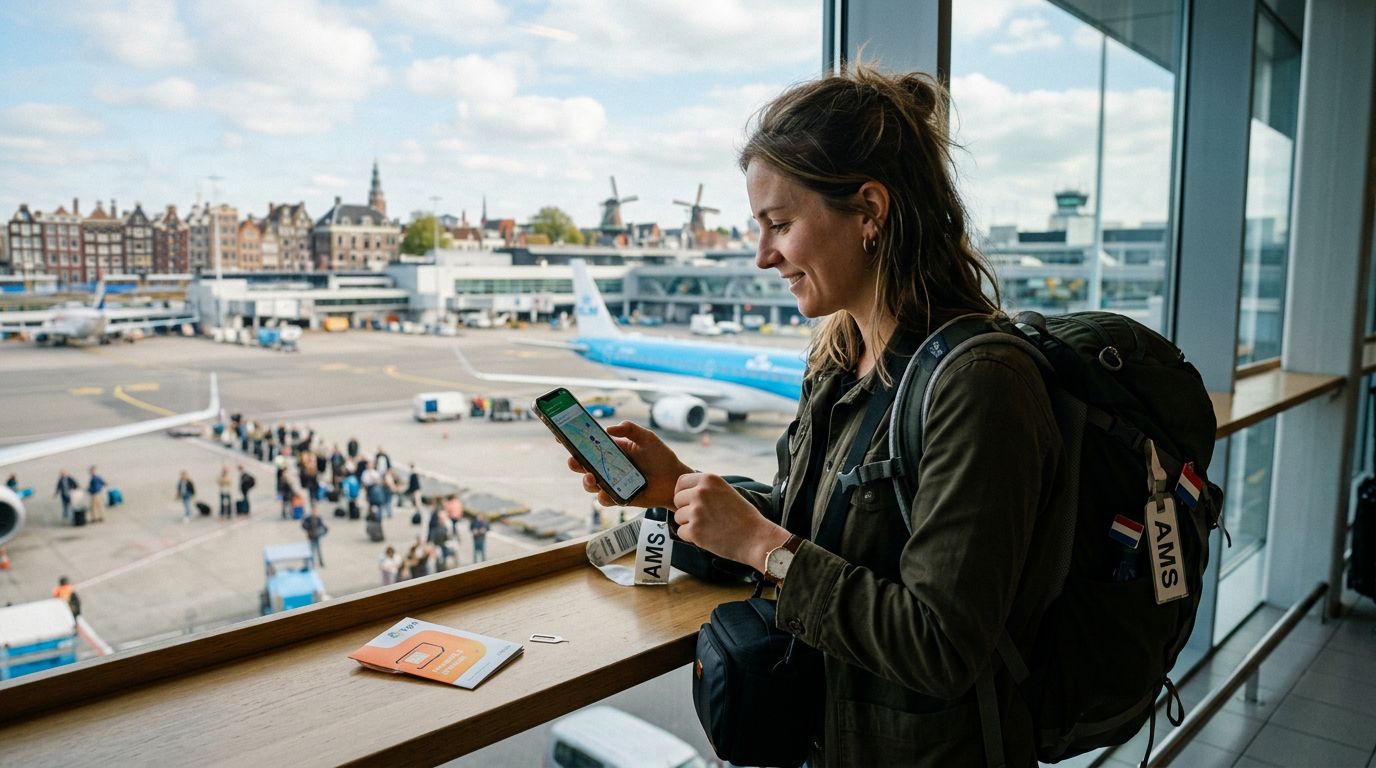
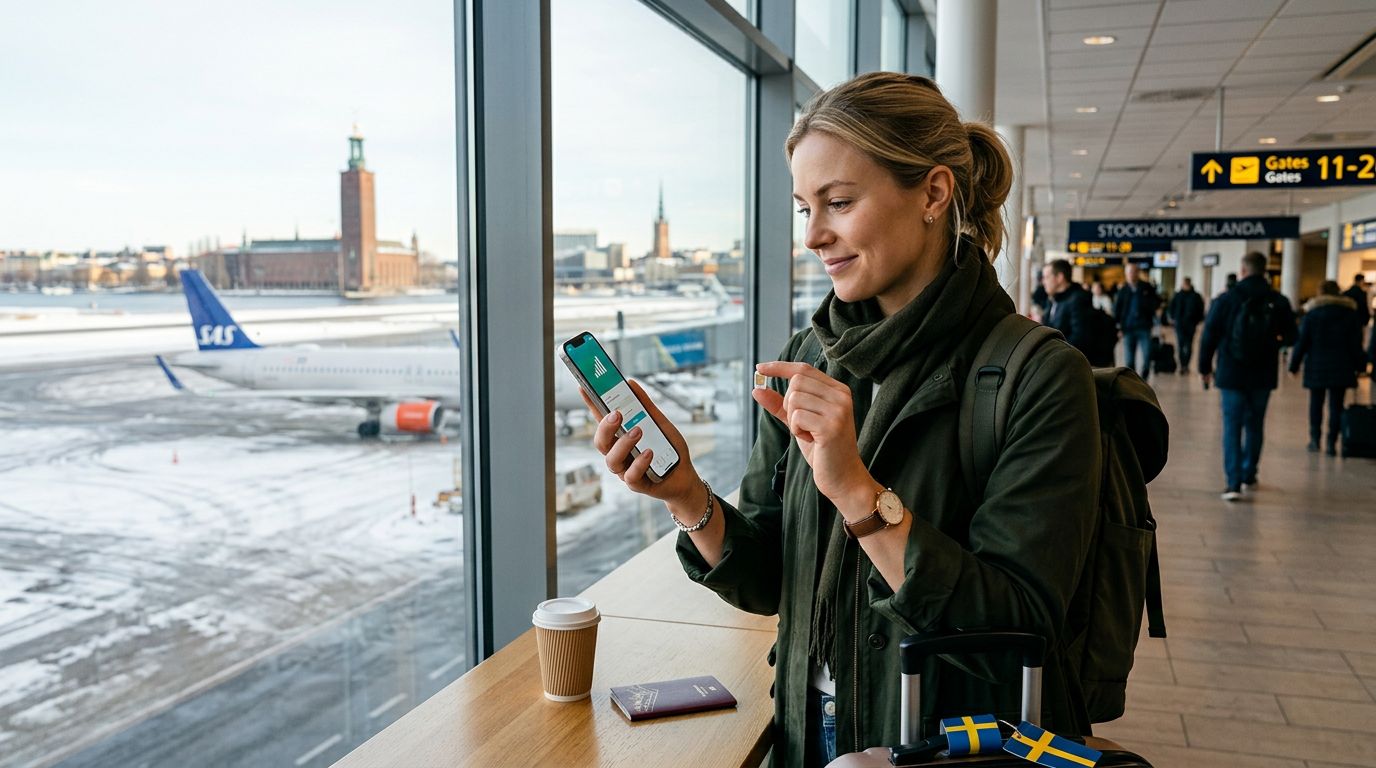
When you arrive at a Swedish airport, the first thing you might notice is the abundance of kiosks and mobile carrier stands advertising physical SIM cards. It is a common tradition for international travelers to head straight to these booths to secure a local connection. However, the travel landscape has shifted significantly in recent years. The debate between choosing an airport SIM vs eSIM in Sweden is one that every modern traveler should consider before they even board their flight.
Physical SIM cards have long been the standard, but they come with inherent inconveniences. You have to find a store, wait in line, present your identification, and physically swap out your home SIM card. This process is time-consuming and risks the loss of your original card, which is often tiny and easily misplaced. Furthermore, airport kiosks often charge a premium for the convenience of being the first point of contact for tourists. By contrast, an eSIM allows you to activate your data plan before you land, ensuring that you are connected the moment your plane touches down on the tarmac.
Comparing the Logistics: Physical SIM vs eSIM
The primary difference between an airport SIM and an eSIM lies in the physical nature of the technology. A traditional SIM is a small piece of plastic that acts as a secure key for your mobile network. To use one in Sweden, you must open your phone’s SIM tray, remove your existing card, and insert the new one. This requires a specific tool, which you might not have on hand, and it creates a vulnerability where your home SIM could fall out or be damaged.
An eSIM, or embedded SIM, is a digital version of that physical card. It is built directly into the hardware of modern smartphones. Because it is digital, you can download a profile, install it, and activate it through your phone's settings menu. This eliminates the need for physical interaction with your device's hardware.
When comparing an airport SIM vs eSIM in Sweden, the logistics favor the eSIM for several reasons. First, you avoid the airport queues. After a long flight, the last thing you want to do is stand in line at a kiosk. With a service like OneTapSIM, you can purchase and install your data plan from the comfort of your home or while sitting in the airport lounge. Second, you retain your home phone number for incoming SMS messages, such as two-factor authentication codes from your bank, while using the eSIM for data. This dual-SIM capability is a significant advantage that physical SIM cards cannot easily replicate without a phone that supports two physical slots, which is increasingly rare.
Performance and Reliability Across Sweden
Sweden boasts one of the most robust mobile networks in Europe. Whether you are in a major city or traveling through the countryside, coverage is generally excellent. When you purchase a physical SIM at an airport, you are often limited to the specific carrier that operates that booth. If that carrier has poor coverage in the specific rural area you plan to visit, you are stuck with that choice for the duration of your trip.
One of the hidden benefits of modern eSIM providers is their ability to partner with multiple local networks. By using an eSIM, you are often granted access to the best available signal in your immediate area. This dynamic switching ensures that you maintain a stable connection, which is vital if you are relying on GPS for navigation or need to check transportation schedules in real time.
Reliability is also about the stability of the connection itself. Physical SIM cards can be affected by moisture, dust, or poor contact within the SIM tray. Because an eSIM is integrated into the motherboard of your device, it is immune to these physical failures. For travelers moving through different environments—from the humid, snowy conditions of northern Sweden to the urban centers—the digital nature of an eSIM offers peace of mind.
Furthermore, managing your data usage is significantly easier with an eSIM. Most modern smartphones provide a clear interface where you can track exactly how much data you have consumed. If you find yourself running low, you can often add more data through an app or a website without having to visit a physical store or swap out a card again. This level of control is simply not possible with a standard prepaid physical SIM card, which usually requires you to purchase a new card or visit a retail location to top up your balance.
Ultimately, the choice between an airport SIM vs eSIM in Sweden comes down to how you want to spend your time. If you prefer a traditional, tactile experience and do not mind the potential for queues or hardware management, a physical SIM remains a functional choice. However, for those who value efficiency, security, and the ability to hit the ground running, the eSIM is the clear winner. By opting for a digital solution, you ensure that your focus remains on the beauty of the Swedish landscape rather than the mechanics of your mobile connectivity. Whether you are traveling for business or pleasure, the flexibility provided by eSIM technology ensures that you stay connected on your own terms.
Get an eSIM for
Plans for the destinations covered in this guide, with instant QR delivery.