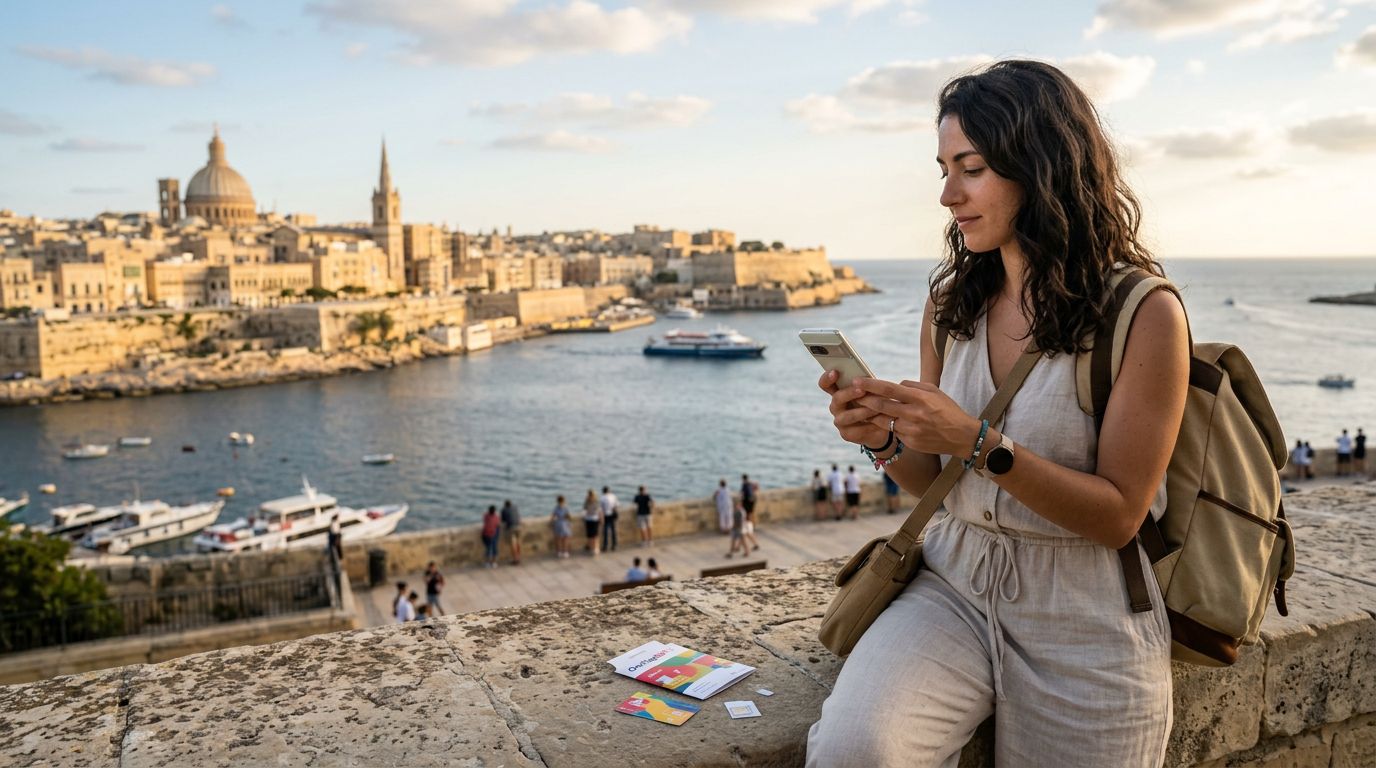
Comparing Connectivity Options for Your Mediterranean Getaway
Planning a trip to Malta means preparing for a blend of historical sightseeing in Valletta, swimming in the Blue Lagoon, and exploring the ancient streets of Mdina. To share your experiences and navigate the islands effectively, you need reliable mobile data. When researching your options, the debate between a traditional physical Malta SIM card vs eSIM for tourists often arises.
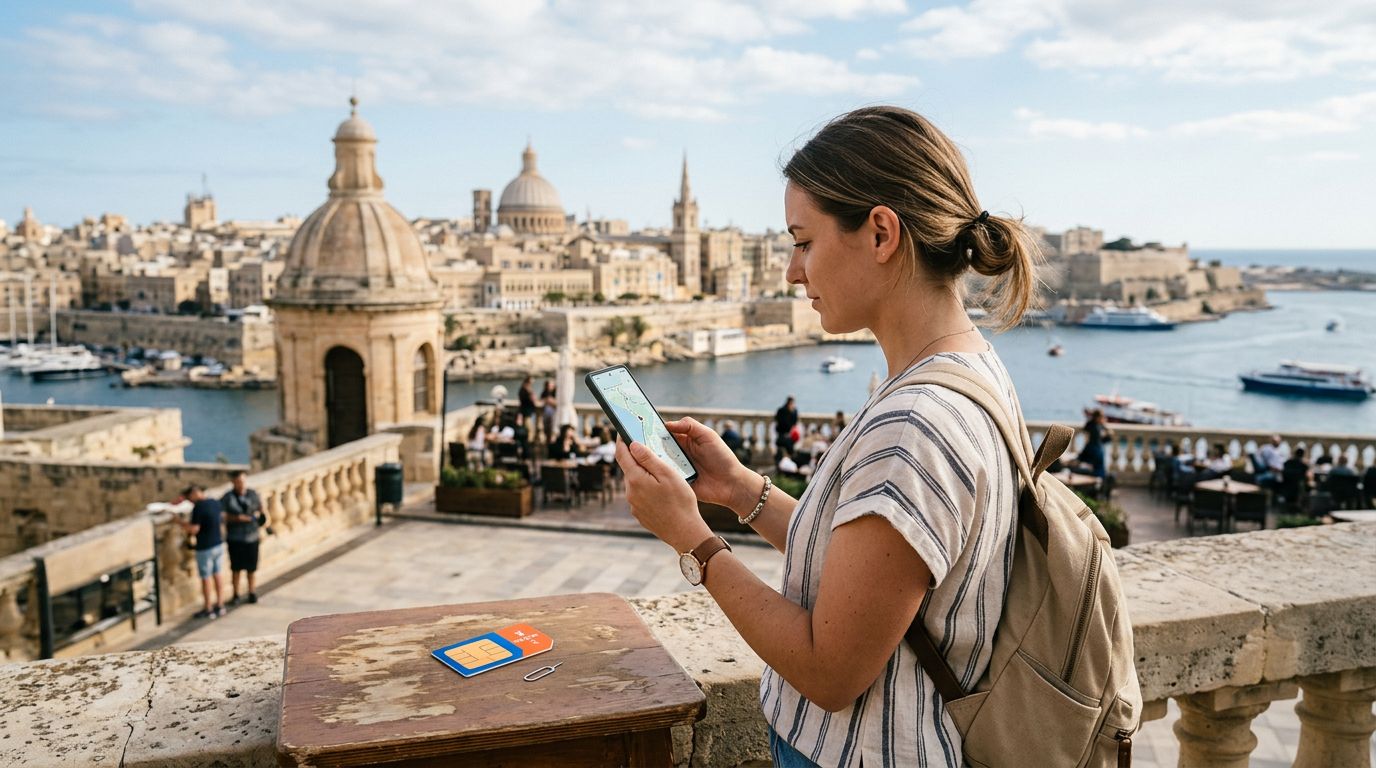
A physical SIM card is the classic method. It involves purchasing a small plastic chip, inserting it into your phone, and ensuring your device is unlocked. While this method has served travelers for decades, it requires finding a local kiosk or retail store upon arrival, managing tiny hardware, and keeping track of your original SIM card to ensure you do not lose it.
Conversely, an eSIM—or embedded SIM—is a digital alternative. It is built directly into the hardware of modern smartphones. Instead of swapping physical chips, you simply scan a QR code or follow a digital installation process to activate your service. This technology has become the standard for modern travel, offering a seamless way to stay connected from the moment your plane touches down at Malta International Airport.
The Practical Differences: Physical SIM vs. Digital eSIM
The most significant difference between these two options is convenience. When you land in Malta, your time is valuable. Choosing a physical SIM card often means seeking out a mobile operator’s shop, waiting in a queue, and providing identification to register the card. If you arrive late at night or on a public holiday, you might find these shops closed, leaving you without connectivity until the next business day.
An eSIM eliminates these logistical hurdles. With a provider like OneTapSIM, you can purchase and install your data plan before you even leave your home country. Once you land in Malta, your phone automatically connects to the local network. There is no need to fumble with a SIM ejector tool or worry about dropping a tiny piece of plastic in a crowded airport terminal.
Furthermore, physical SIM cards take up the single SIM slot in your phone. If you have a device that only supports one physical card, you are forced to remove your home SIM, which means you cannot receive calls or texts from your regular number. Most modern smartphones that support eSIM technology allow you to keep your home SIM active while using the eSIM for data, enabling you to stay reachable on your primary number while enjoying local data rates.
Compatibility and Device Considerations
Before deciding which route to take, you must ensure your device is capable of using an eSIM. Most smartphones released in the last few years are compatible, but it is always wise to check your phone’s settings. Generally, if you have an iPhone from the XS model onwards or a recent Android device from major manufacturers, you are likely set. You can verify your device's capabilities by checking the official documentation provided by Apple or Google.
If your phone is locked to a specific carrier, you may face challenges with both options. A locked phone will not accept a local physical SIM card from a different provider, and it will also prevent you from activating an eSIM from an international travel provider. Always contact your home carrier before your trip to ensure your device is "SIM-unlocked," which allows you to use any network provider globally.
For those with older devices that do not support eSIM, the physical SIM card remains the only choice. However, if your phone is compatible, the transition to digital connectivity is almost always the superior experience. It reduces the risk of physical damage to your device’s SIM tray and provides a more streamlined setup process.
Why Travelers Are Switching to eSIMs
The shift toward eSIM technology is driven by the demand for simplicity. Beyond the ease of installation, eSIMs offer better flexibility for multi-country trips. If your European itinerary includes stops in neighboring countries like Italy or Greece, you can often find regional eSIM plans that cover multiple destinations without needing to purchase a new SIM card at every border.
Security is another factor to consider. Physical SIM cards are vulnerable to theft or loss. If you lose your phone, you lose your physical SIM, and replacing it can be a frustrating experience while abroad. An eSIM is tied to your device’s hardware, meaning there is no physical component to misplace. If you need to manage your data usage, most eSIM providers offer a digital dashboard where you can monitor your consumption in real-time.
Finally, consider the environmental impact. The global production and distribution of millions of plastic SIM cards and their corresponding packaging generate significant waste. Choosing an eSIM is a more sustainable choice, as it eliminates the need for plastic manufacturing and international shipping of physical goods.
Making the Final Decision
When weighing a Malta SIM card vs eSIM for tourists, your decision should come down to your device compatibility and your preference for convenience. If you want to avoid the stress of finding a store, waiting in lines, and managing small hardware, an eSIM is the clear winner. By setting up your connection through a reliable service like OneTapSIM, you ensure that you are ready to explore the island the moment you arrive.
If you are a tech-savvy traveler who values efficiency, the digital route allows you to spend more time enjoying the crystal-clear waters of Comino or the historic majesty of the Megalithic Temples, rather than worrying about mobile connectivity. Check your phone settings today, verify your carrier unlock status, and consider the benefits of a digital-first approach for your next Mediterranean adventure. By preparing your connectivity in advance, you can focus on what truly matters: making the most of your time in Malta.
Get an eSIM for
Plans for the destinations covered in this guide, with instant QR delivery.