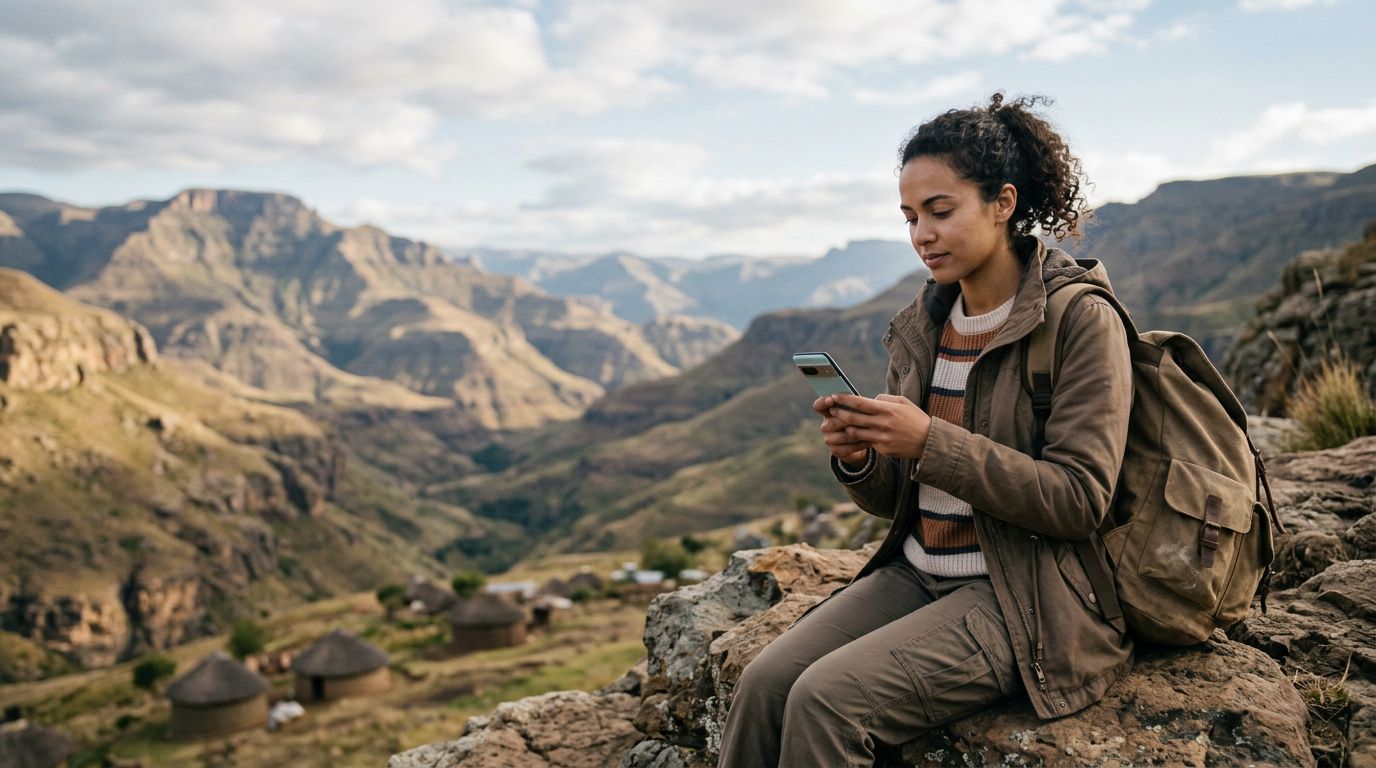
Understanding Connectivity in the Mountain Kingdom
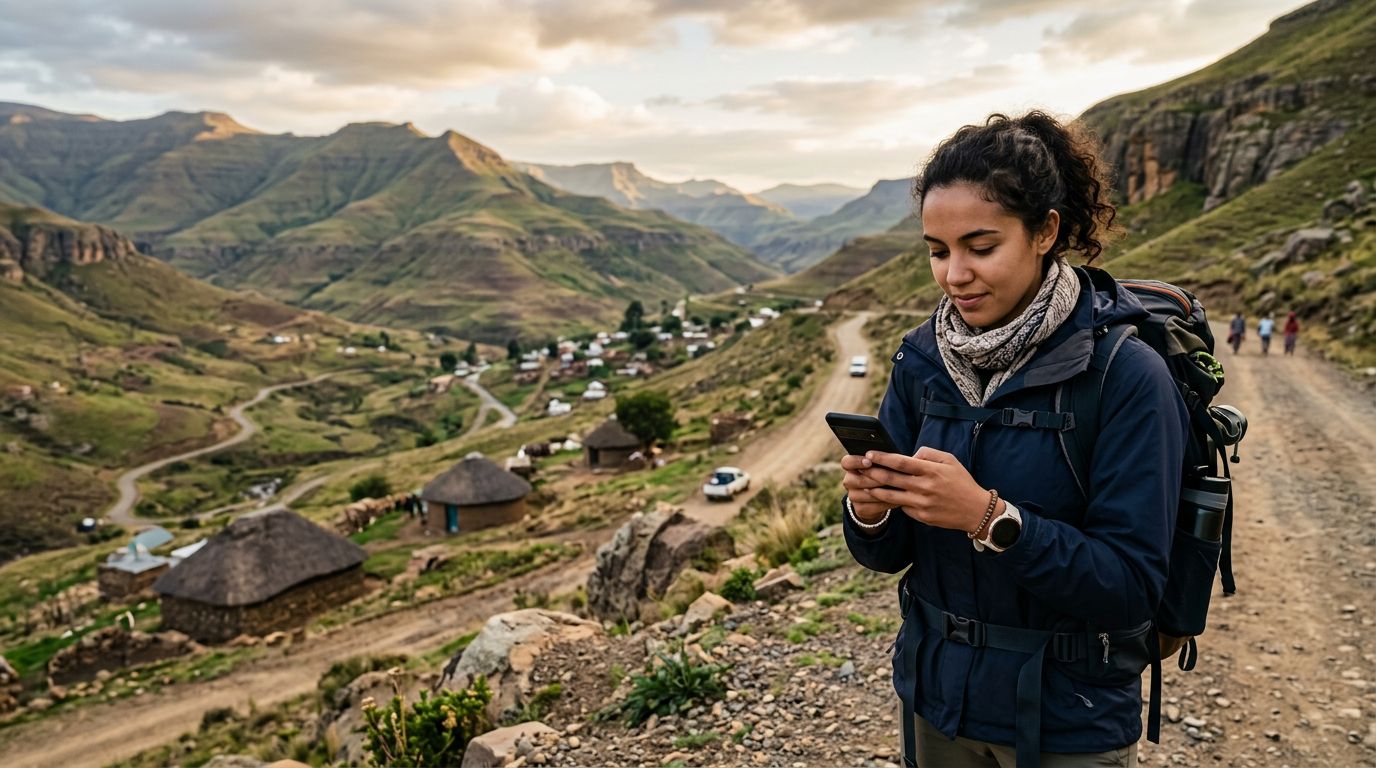
Lesotho, known as the "Kingdom in the Sky," offers breathtaking landscapes, rugged mountain passes, and a unique cultural experience that feels worlds away from the urban bustle. Whether you are trekking through the Maloti Mountains, visiting the impressive Katse Dam, or exploring the remote villages of the highlands, staying connected is essential for safety, navigation, and sharing your journey.
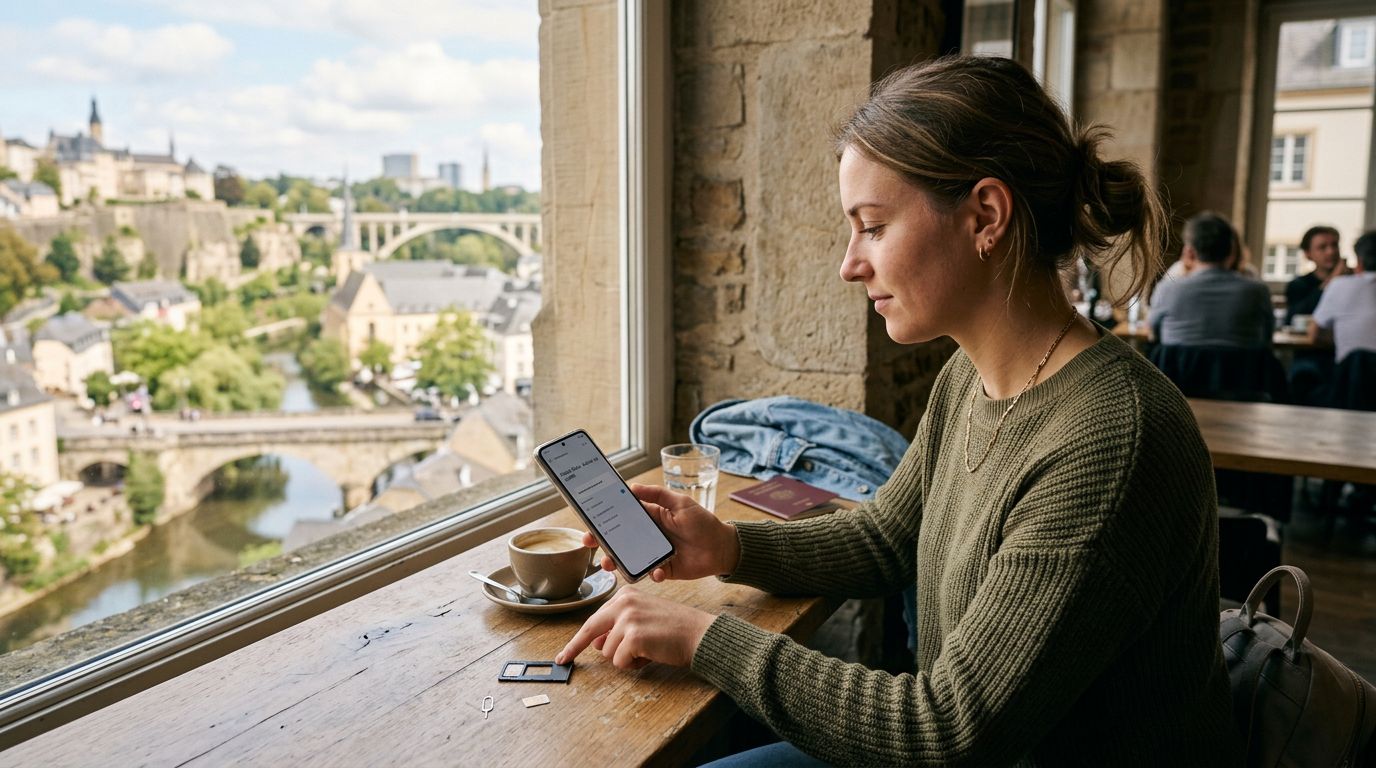
When planning your trip, the debate between a physical Lesotho SIM card and an eSIM is a common point of consideration. Both options provide access to local mobile networks, but they function in fundamentally different ways. A traditional physical SIM card requires you to physically swap out your existing card, which can be a delicate process, especially when you are out in the field. Conversely, an eSIM is a digital version of a SIM card that is embedded directly into your device’s hardware.
For travelers, the primary goal is convenience. You want to land, switch on your phone, and have immediate access to maps and messaging apps. Understanding the technical differences and the practical realities of using these technologies in a mountainous, landlocked country will help you make an informed decision before you depart.
The Traditional Approach: Physical SIM Cards
The conventional method for staying connected in Lesotho involves visiting a local mobile network provider upon arrival. You can typically find kiosks at the Moshoeshoe I International Airport or in the capital city, Maseru. This process involves purchasing a starter pack, presenting your identification, and physically inserting the new card into your smartphone.
One of the main challenges with this approach is the logistical hurdle. After a long flight, standing in a queue at a mobile kiosk is rarely an ideal way to begin a vacation. Furthermore, you are required to keep track of your original home SIM card. If you lose it while juggling your luggage or navigating a busy market, you face a significant headache when you return home.
There is also the matter of compatibility and hardware. Some older devices or phones locked to specific carriers may not accept a local Lesotho SIM card. Additionally, if your phone is a dual-SIM model, you might be able to keep your home number active, but you must be careful to configure your settings correctly to avoid unintended roaming charges. Despite these drawbacks, physical SIM cards remain a reliable backup for travelers who are using older hardware or who prefer a tangible item they can physically handle and manage.
The Modern Alternative: Why eSIM is Changing Travel
The eSIM technology has transformed how international travelers access mobile data. By using an eSIM, you eliminate the need to handle tiny plastic cards or find a physical shop in Maseru. Instead, you can set up your connectivity before you even leave your home.
With a provider like OneTapSIM, the process is streamlined. You receive a digital profile that you install directly onto your device. This means your phone is ready to connect to local networks the moment you land. Because the eSIM exists as software, you do not need to open your phone’s SIM tray. This is a major advantage if you are in a remote area where dropping a tiny, physical SIM card could mean losing it forever in the dirt or grass.
Another significant benefit is the ability to manage multiple profiles. Most modern smartphones allow you to store several eSIMs. You can keep your primary home number active for calls and texts while using your OneTapSIM eSIM specifically for data. This allows you to use navigation apps, check weather conditions, and upload photos of the Lesotho highlands without worrying about the roaming fees associated with your home carrier.
When choosing between a Lesotho SIM card vs eSIM, consider the type of traveler you are. If you value efficiency and want to avoid the stress of hunting for a local store, the eSIM is the clear winner. It allows you to bypass the language barriers and administrative requirements that can sometimes accompany registering a physical SIM card in a foreign country.
Practical Tips for Connectivity in Lesotho
Regardless of which method you choose, there are several factors to keep in mind to ensure your connectivity remains stable throughout your trip. Lesotho’s geography is dominated by high-altitude plateaus and deep valleys. While major towns and the main road networks have decent coverage, signal strength can drop significantly once you venture deep into the remote mountain passes.
If you opt for an eSIM, ensure your device is compatible. Most flagship smartphones released in the last few years support this technology, but it is always wise to verify your specific model settings. You can check the official support pages for Apple or Google to confirm if your device is eSIM-ready.
Data management is also crucial. Even with a local data plan, high-definition video streaming or large cloud backups can exhaust your data allowance quickly. To maximize your experience, download offline maps of Lesotho before you head out into the mountains. This ensures that even if you find yourself in a "dead zone" where the mobile network signal is weak, you can still navigate back to your lodge or main routes.
Furthermore, keep a power bank handy. Using GPS and data-heavy applications in cold, high-altitude environments can drain your phone battery faster than usual. Having a reliable power source ensures that your digital connection stays active when you need it most for safety or emergencies.
Ultimately, the choice between a physical SIM card and an eSIM comes down to your personal preference for convenience versus tradition. By preparing your connectivity strategy in advance, you can spend less time worrying about your phone settings and more time enjoying the spectacular, rugged beauty of Lesotho. Whether you rely on the digital ease of OneTapSIM or the traditional physical card, having a plan in place is the best way to ensure a smooth and enjoyable journey through the Kingdom in the Sky.
Get an eSIM for
Plans for the destinations covered in this guide, with instant QR delivery.