Understanding Your Connectivity Options in Malawi
Traveling to Malawi offers an incredible experience, from the shores of Lake Malawi to the breathtaking peaks of Mount Mulanje. However, staying connected while exploring the "Warm Heart of Africa" requires a bit of planning. When you arrive, you are generally faced with two primary choices: purchasing a physical local SIM card or opting for a digital eSIM.
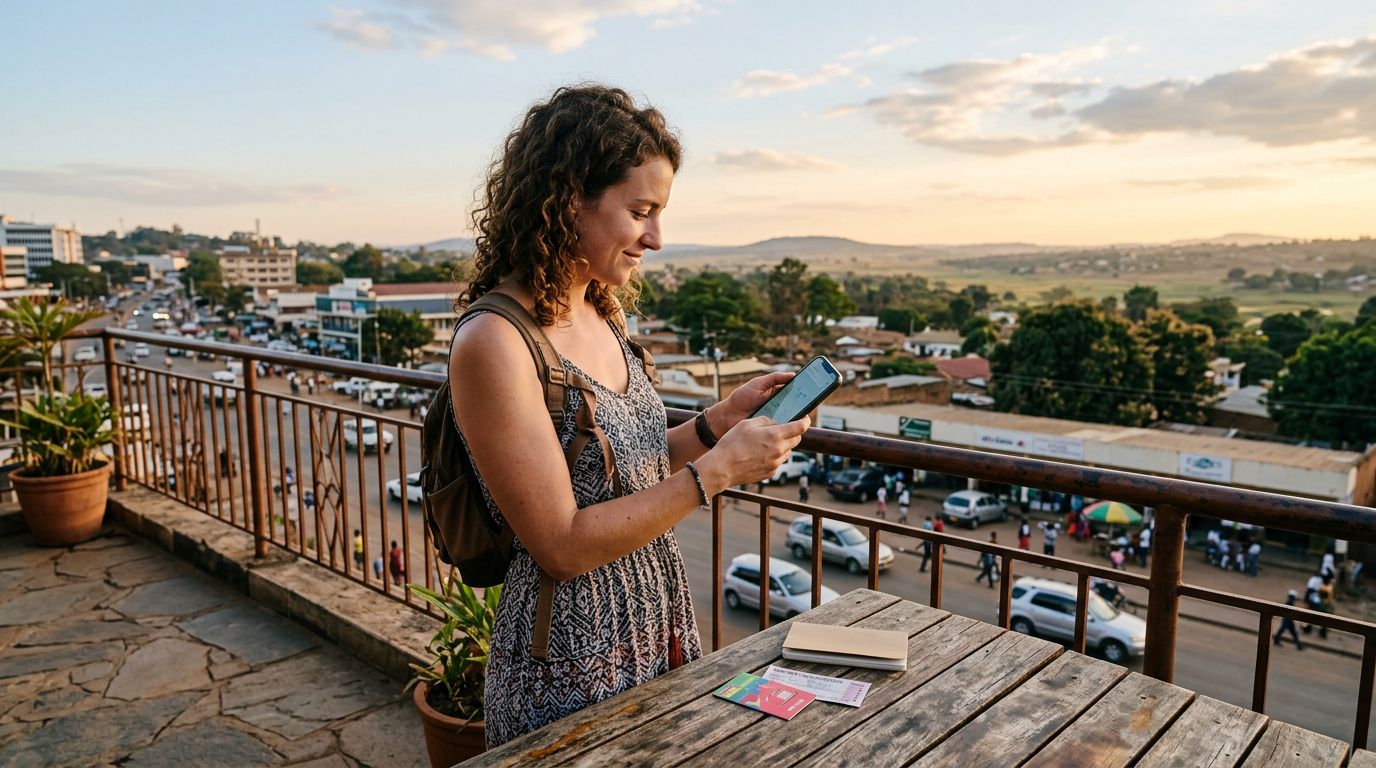
A physical SIM card is the traditional method most travelers are familiar with. You visit a mobile network provider’s kiosk, present your passport for registration, and insert a small plastic chip into your phone. This process is functional but often involves waiting in lines at the airport or finding a retail store in a bustling town center.
An eSIM, or embedded SIM, is a digital version of that physical card. It is built directly into the hardware of modern smartphones. Instead of swapping out a physical chip, you simply download a profile that connects your device to a local network. For many travelers, this shift represents a significant upgrade in convenience, especially when visiting countries where the infrastructure for physical SIM distribution might be less accessible to tourists.
Comparing the Logistics: Malawi SIM Card vs eSIM
The primary difference between a Malawi SIM card and an eSIM lies in the activation process. With a physical SIM, you must physically handle the card. You need a SIM ejector tool, and you must safely store your home SIM card so it does not get lost or damaged during your trip. If you lose your home SIM, you face the headache of replacing it once you return.
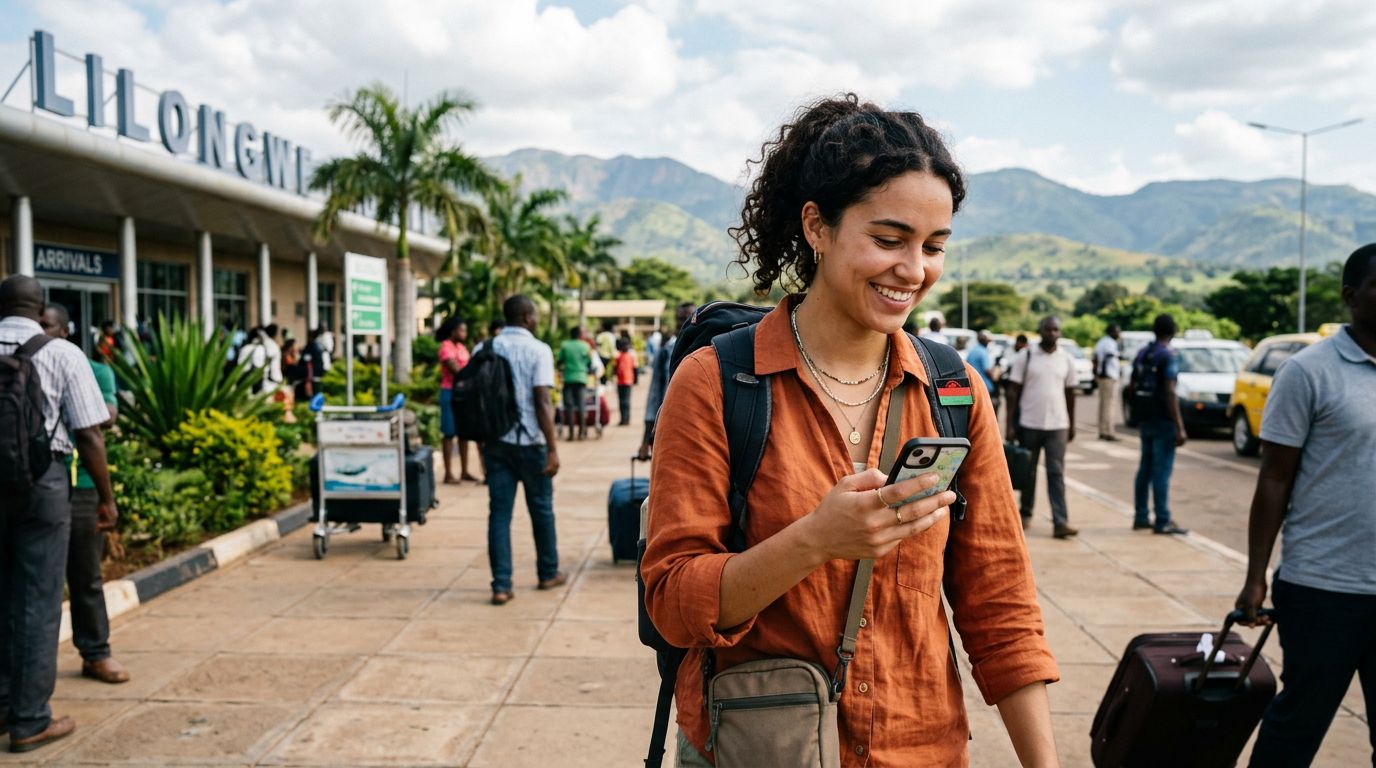
With an eSIM, the process is entirely digital. You can purchase your data plan before you even leave home. Once you land in Lilongwe or Blantyre, you simply activate the profile, and your phone connects to the local network. This eliminates the need to hunt for a store or deal with language barriers or registration paperwork at a crowded airport kiosk.
Furthermore, eSIMs allow you to keep your primary phone number active for calls and texts while using a secondary data plan for your internet needs. With a physical SIM, unless your phone supports dual-SIM functionality with two physical slots—a rarity in many Western markets—you are often forced to remove your primary SIM entirely. This means you might miss important bank verification codes, work emails, or urgent messages from home. Using an eSIM alongside your existing SIM keeps your primary line reachable while ensuring you have high-speed data for maps, ride-sharing, and social media.
Why Travelers Are Choosing OneTapSIM for Malawi
When you decide to go the digital route, the quality of the service provider matters. OneTapSIM provides a streamlined experience that removes the technical hurdles often associated with digital connectivity. The goal is to provide a seamless transition from your home network to a local network, ensuring that you remain connected from the moment you touch down.
Compatibility is a key factor to consider. Most modern smartphones, including recent models from major manufacturers, support eSIM technology. You can verify your device's capabilities through the official support pages of companies like Apple or Google. If your device is compatible, the setup process is remarkably straightforward. OneTapSIM simplifies this by providing clear instructions that guide you through the installation, ensuring that you are not left troubleshooting settings when you should be enjoying the scenery of Liwonde National Park.
Reliability is another major consideration. Malawi’s mobile network infrastructure is growing, but coverage can vary depending on your location. By using a reputable eSIM service, you gain access to stable network partnerships that prioritize data performance. Whether you are checking your itinerary, uploading photos of the lake, or staying in touch with family, having a consistent data connection is essential.
Practical Considerations for Your Malawi Trip
Before you commit to a specific connectivity strategy, check if your phone is carrier-locked. Many phones purchased through mobile contracts are locked to a specific provider and will not accept a secondary SIM or eSIM until they are unlocked. If your phone is locked, you will not be able to use a local SIM or an eSIM, regardless of which route you choose. Contact your home carrier before your trip to ensure your device is unlocked and ready for international use.
Once you confirm your device is unlocked, think about your data usage habits. If you plan to rely heavily on video calls, streaming, or uploading high-resolution media, you will want a plan that offers a generous data allowance. eSIM providers often offer tiered plans, allowing you to select the amount of data that matches your specific travel needs without paying for excess capacity.
Managing your data is also easier with an eSIM. Most smartphones allow you to monitor your data usage directly in the settings menu. You can track how much you have consumed and, if necessary, purchase a top-up or an additional package through your provider’s interface. This level of control is rarely available with a prepaid physical SIM card, where you might have to purchase a new voucher or visit a store to add more credit.
Ultimately, the choice between a Malawi SIM card and an eSIM comes down to your preference for convenience versus tradition. If you enjoy the hands-on process of visiting a local shop and interacting with the local culture, a physical SIM card is a perfectly viable option. However, if you value your time and want to ensure you have connectivity the moment you step off the plane, an eSIM is the superior choice. By choosing a service like OneTapSIM, you can focus on the adventure ahead rather than the logistics of staying online. Whether you are trekking, wildlife spotting, or relaxing by the water, having a reliable digital connection ensures that your experience in Malawi is as smooth and enjoyable as possible.
Get an eSIM for
Plans for the destinations covered in this guide, with instant QR delivery.