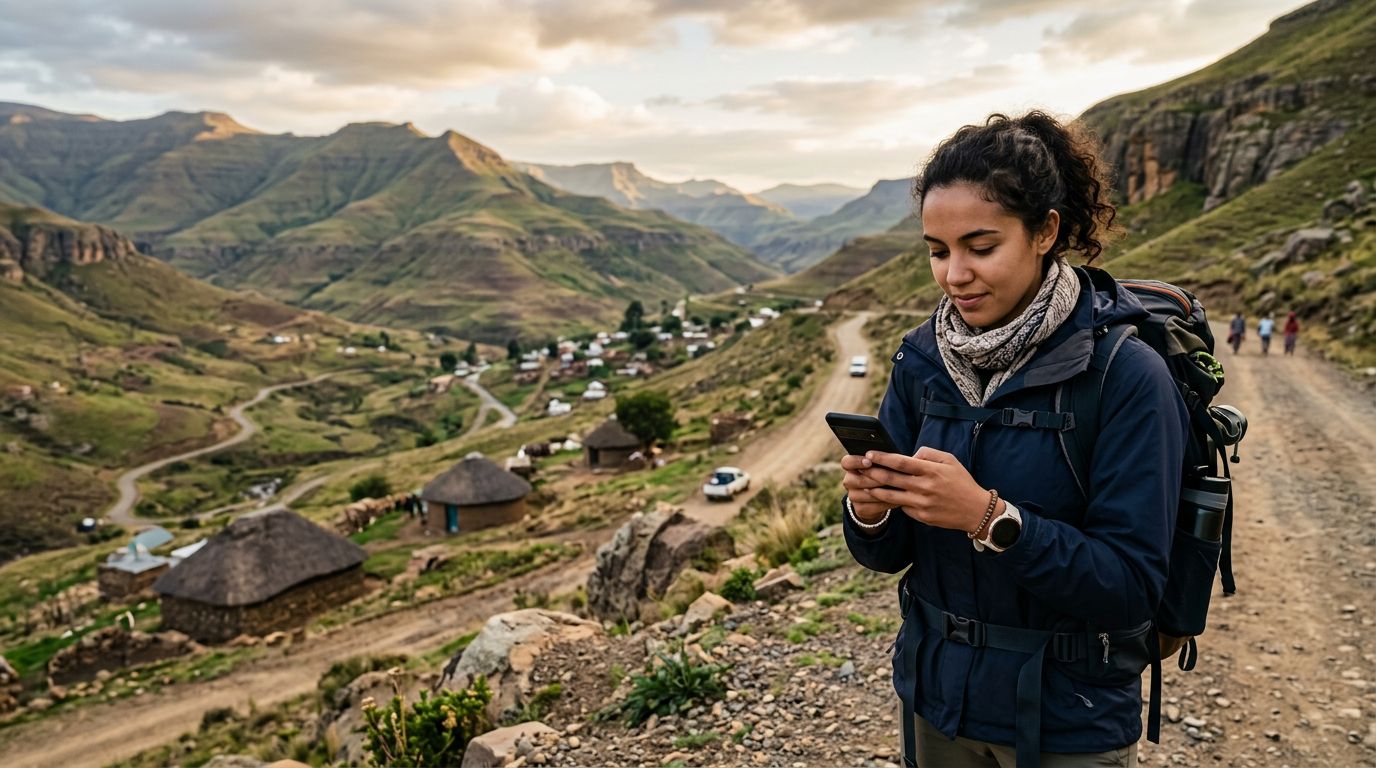
Understanding eSIM Connectivity in Lesotho
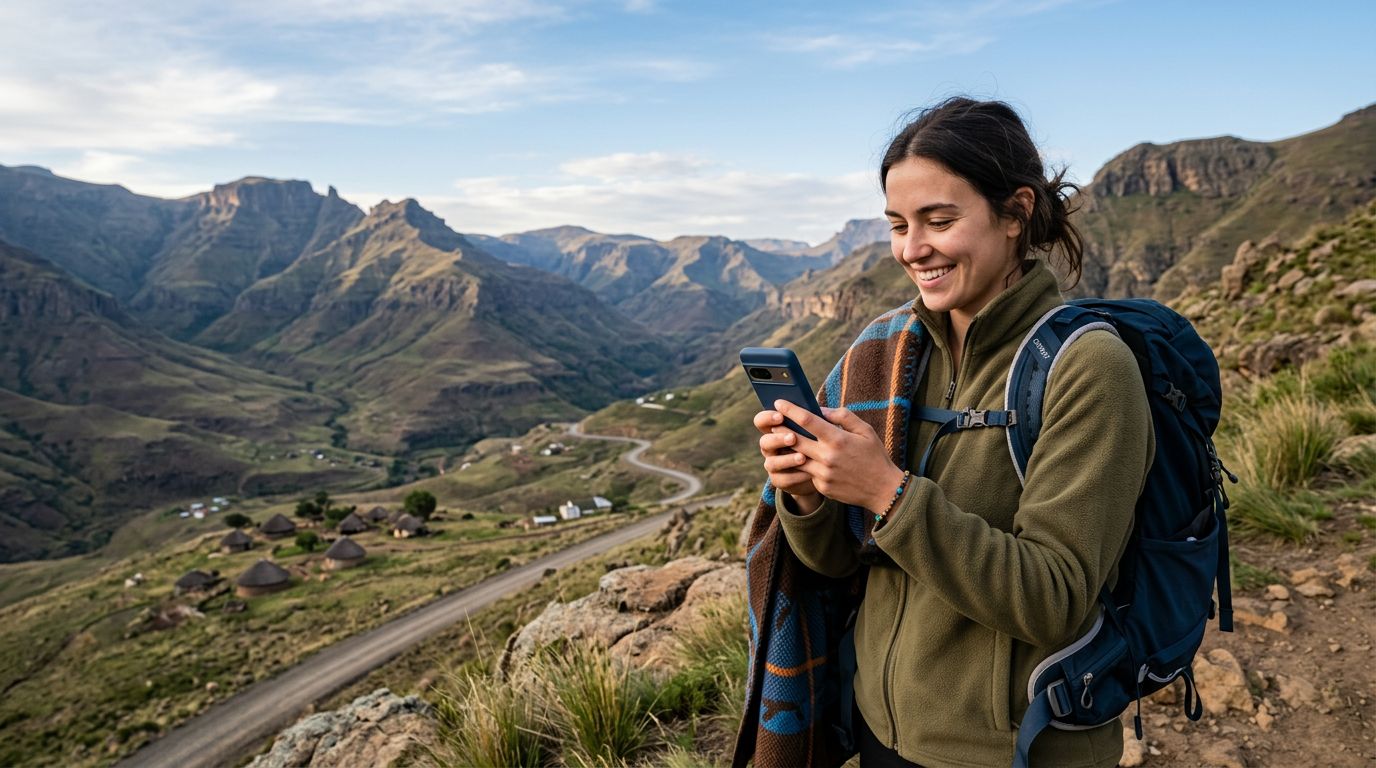
Lesotho, known as the "Kingdom in the Sky," offers breathtaking mountainous landscapes, high-altitude trekking, and unique cultural experiences. As more travelers venture into this landlocked nation, the demand for reliable mobile connectivity has grown significantly. If you are planning a trip to this region, you might be asking: does eSIM work in Lesotho?
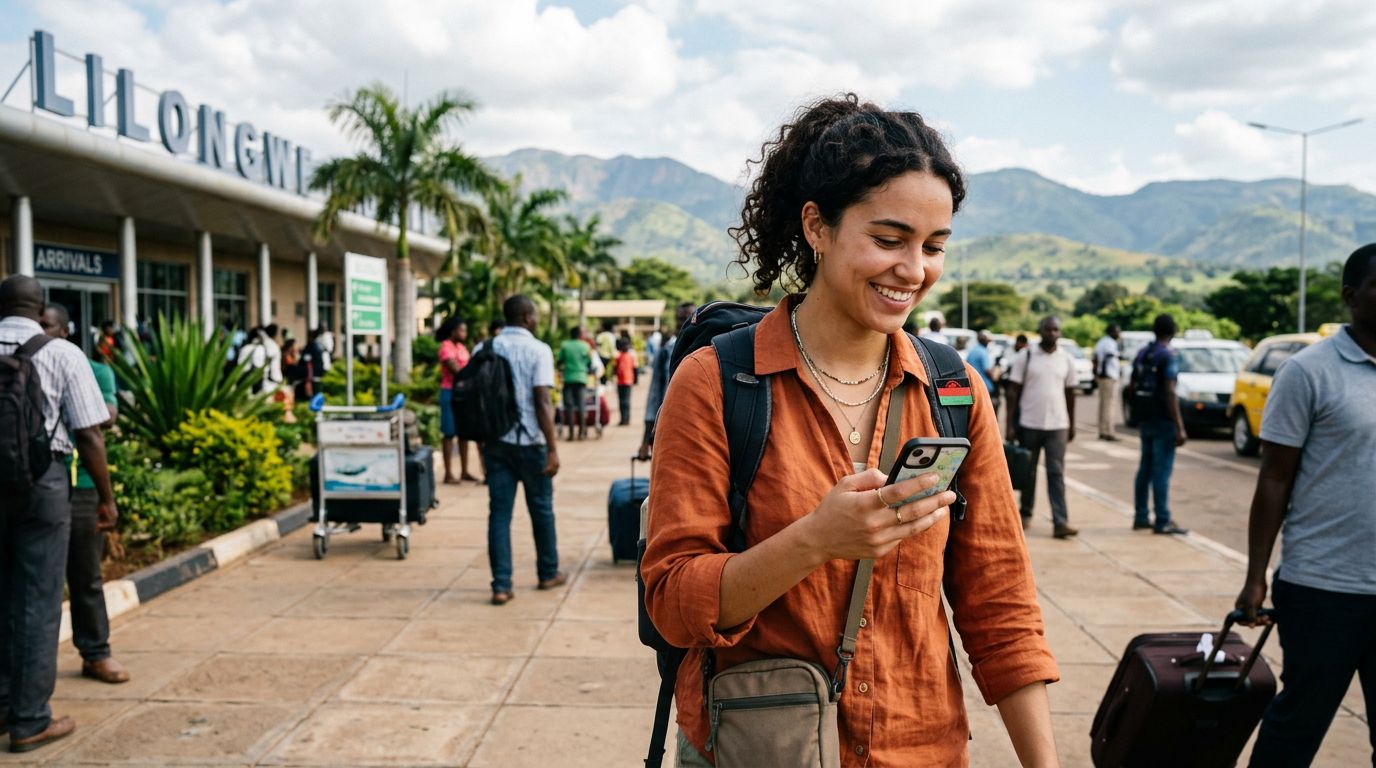
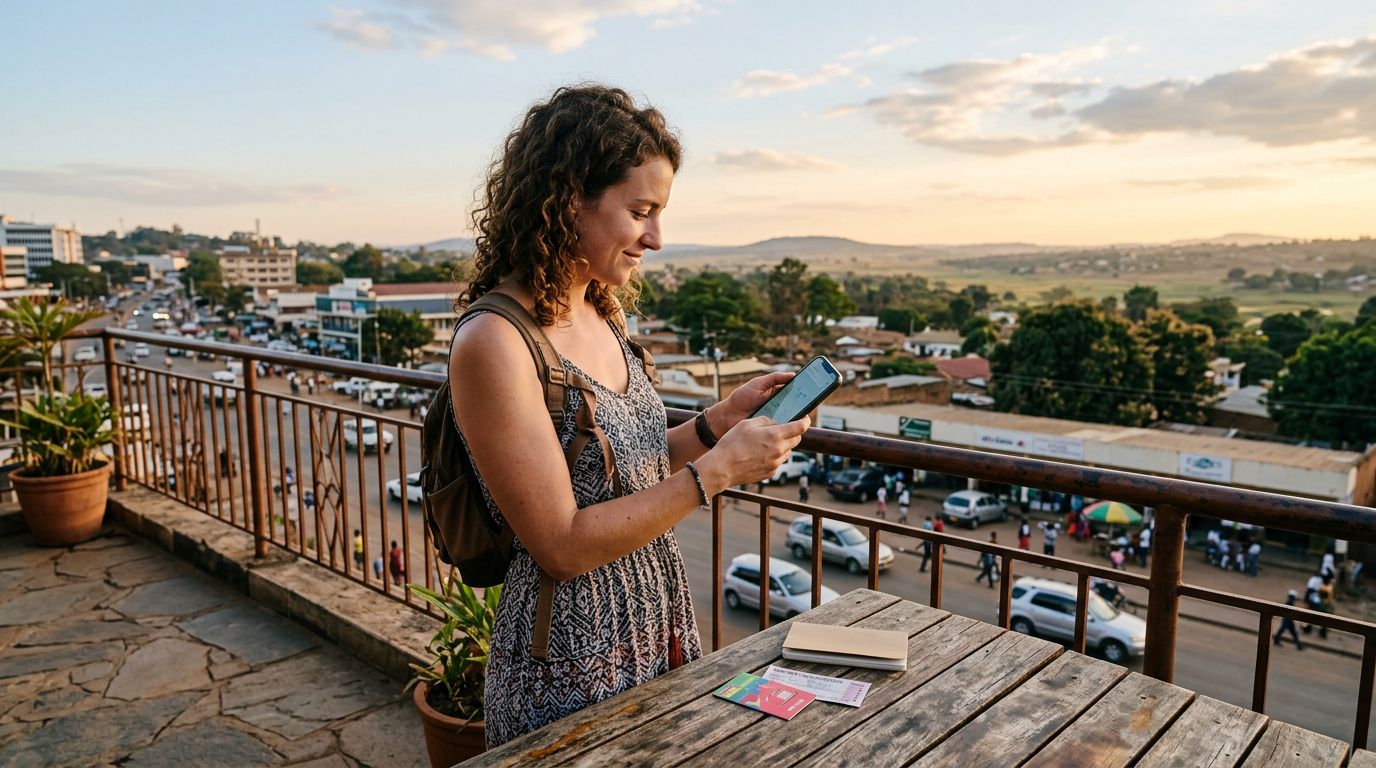
The short answer is yes, eSIM technology is compatible with the infrastructure in Lesotho. However, the experience depends heavily on how you choose to connect. Traditional physical SIM cards have long been the standard, requiring travelers to visit a local kiosk upon arrival, present identification, and manually swap out their home SIM card. This process can be cumbersome, especially when you arrive at an airport or border crossing tired and eager to reach your destination.
An eSIM, or embedded SIM, functions as a digital version of a physical card. It is built directly into your smartphone’s hardware. By using an eSIM, you can activate a mobile data plan without needing to handle small, fragile plastic chips. For travelers visiting Lesotho, this means you can set up your connection before you even board your flight. Once you land, your device can automatically switch to the local network, allowing you to access navigation, translation apps, and communication tools immediately.
Why Choose eSIM for Your Lesotho Adventure
Traveling through the rugged terrain of the Maloti Mountains requires reliable access to maps and information. When you rely on local physical SIM cards, you are often at the mercy of store hours and local network availability. Furthermore, physical cards carry the risk of being lost or damaged during your travels. If you misplace your home SIM card while switching it out, you could face significant complications when returning to your home country.
OneTapSIM offers a seamless way to manage your connectivity while traveling. By opting for a digital solution, you eliminate the need to hunt for a local provider in Maseru or other remote towns. Since the eSIM is managed through your phone's settings, you maintain control over your data usage and can easily toggle between your home line and your travel line.
Another major benefit of using an eSIM in Lesotho is the ability to keep your primary phone number active for essential calls or texts from home, while using the eSIM specifically for mobile data. This dual-SIM functionality is a standard feature on most modern smartphones. By keeping your primary line on standby, you avoid the risk of missing important notifications while still enjoying high-speed data for your travel needs. It is a practical approach for those who need to stay reachable while exploring the remote corners of the African continent.
Setting Up Your Device for Lesotho
Before you finalize your travel plans, you must ensure your device is capable of supporting this technology. Not all smartphones are eSIM-compatible. Generally, most flagship devices released by major manufacturers in the last few years include this feature. You can verify your device's compatibility by checking your phone’s settings menu under the cellular or mobile data section. If you see an option to "Add eSIM" or "Add Cellular Plan," your device is ready to go.
It is also crucial to ensure that your phone is carrier-unlocked. A locked phone is restricted to the network of your home service provider and will not allow you to add an eSIM from a different provider or a global travel service. If you are unsure whether your device is unlocked, contact your home carrier before your departure to request an unlock. This is a vital step that many travelers overlook, leading to frustration upon arrival.
Once you have confirmed that your device is unlocked and compatible, the setup process is straightforward. When you purchase a plan through a service like OneTapSIM, you will typically receive a QR code or a set of activation details. You simply scan the code or enter the information into your phone’s settings. The eSIM profile will download, and you can label it specifically for your Lesotho trip.
When you arrive in Lesotho, you should ensure that data roaming is enabled for your eSIM profile. Because eSIMs for travel often utilize partner networks to provide coverage, roaming must be turned on within the specific settings for that eSIM to allow the phone to connect to the local towers. You should keep your primary SIM card’s data roaming turned off to avoid unexpected charges from your home provider.
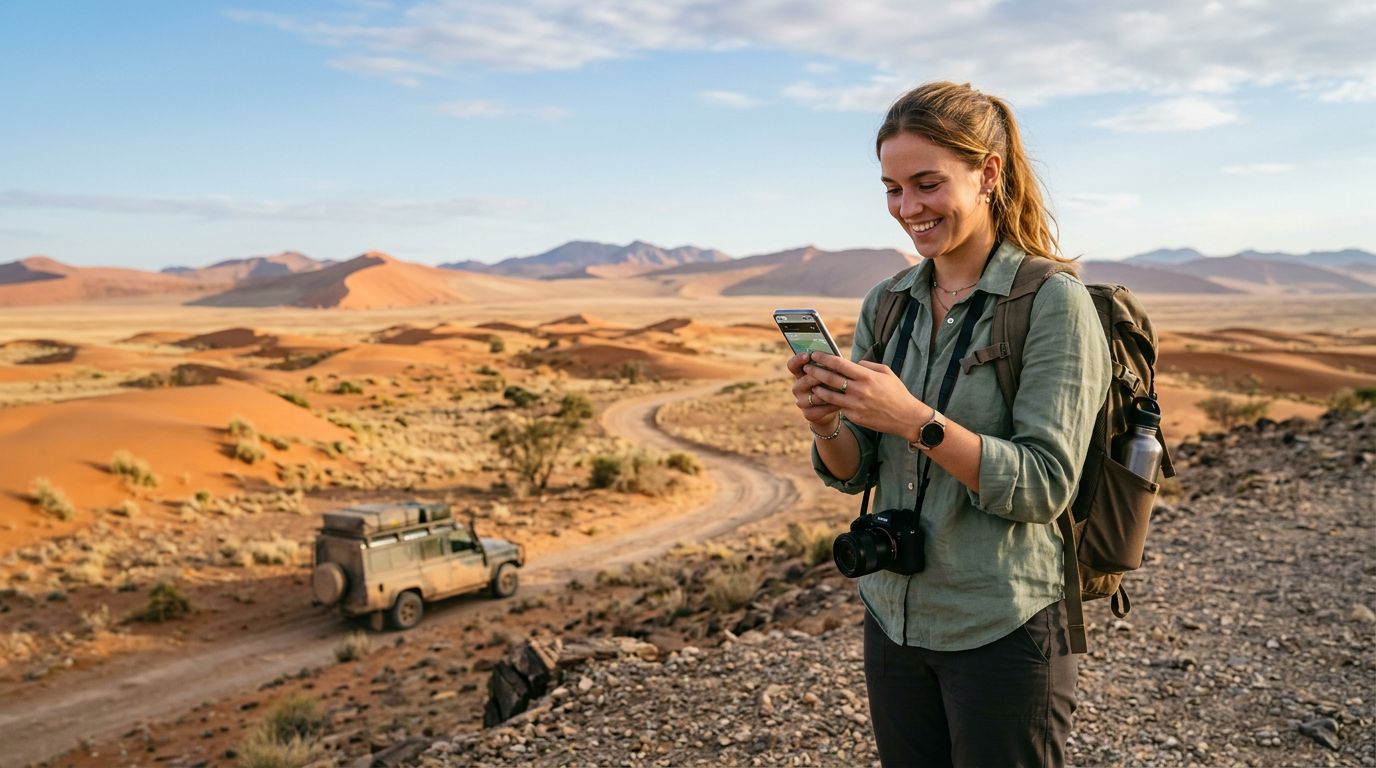
The mountainous geography of Lesotho can sometimes lead to fluctuating signal strength, particularly in more isolated areas like Semonkong or the highlands. While major urban centers and popular tourist routes generally have decent coverage, it is always wise to download offline maps and essential documents before heading into the deepest parts of the mountains. Having an eSIM ensures that as soon as you return to an area with signal, your device will automatically reconnect to the network without any manual intervention.
By preparing your mobile connectivity in advance, you remove one of the most common stressors of international travel. Instead of worrying about where to buy a SIM card or whether you have the right currency to pay for it, you can focus on the journey ahead. Whether you are trekking through Sehlabathebe National Park or enjoying the hospitality of the local villages, having a reliable digital connection allows you to share your experiences, navigate with confidence, and stay in touch with your loved ones back home.
Get an eSIM for
Plans for the destinations covered in this guide, with instant QR delivery.