Understanding Connectivity in Namibia
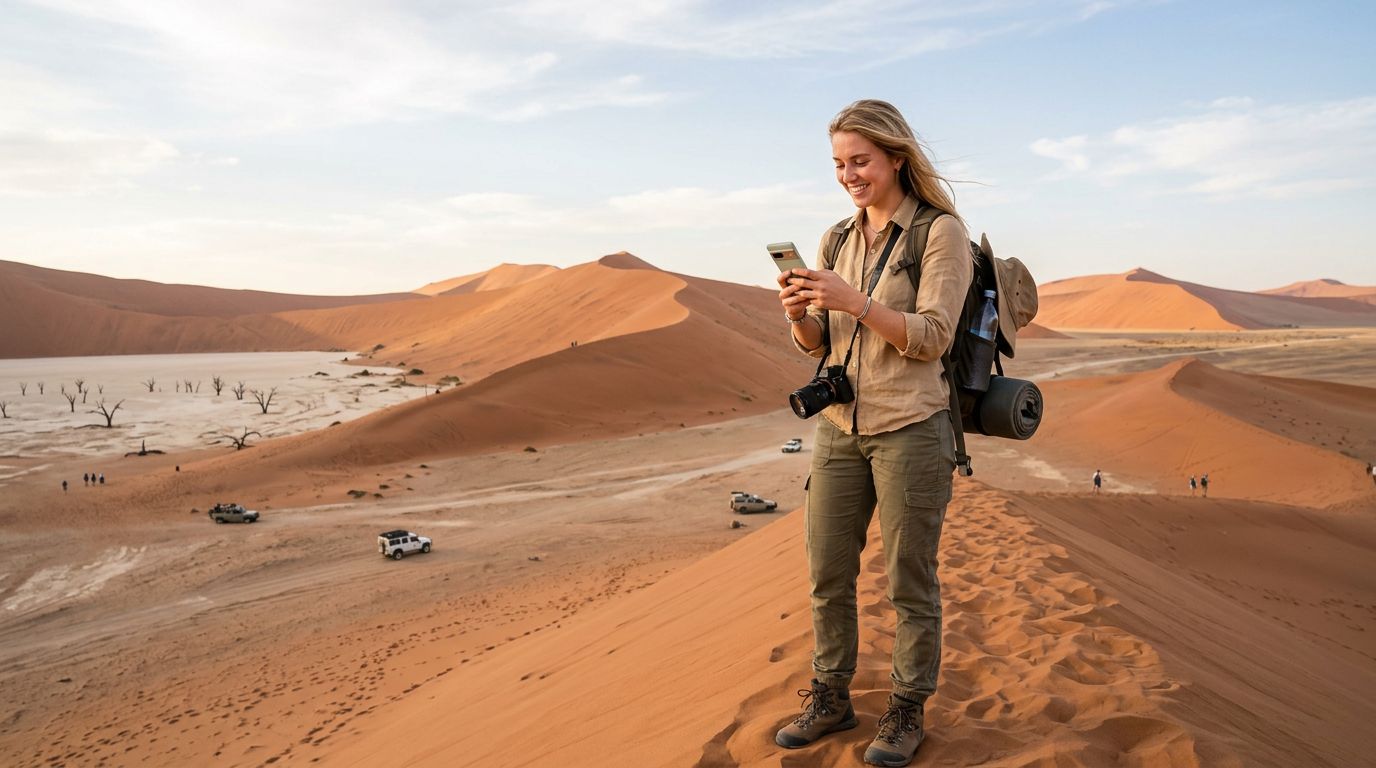
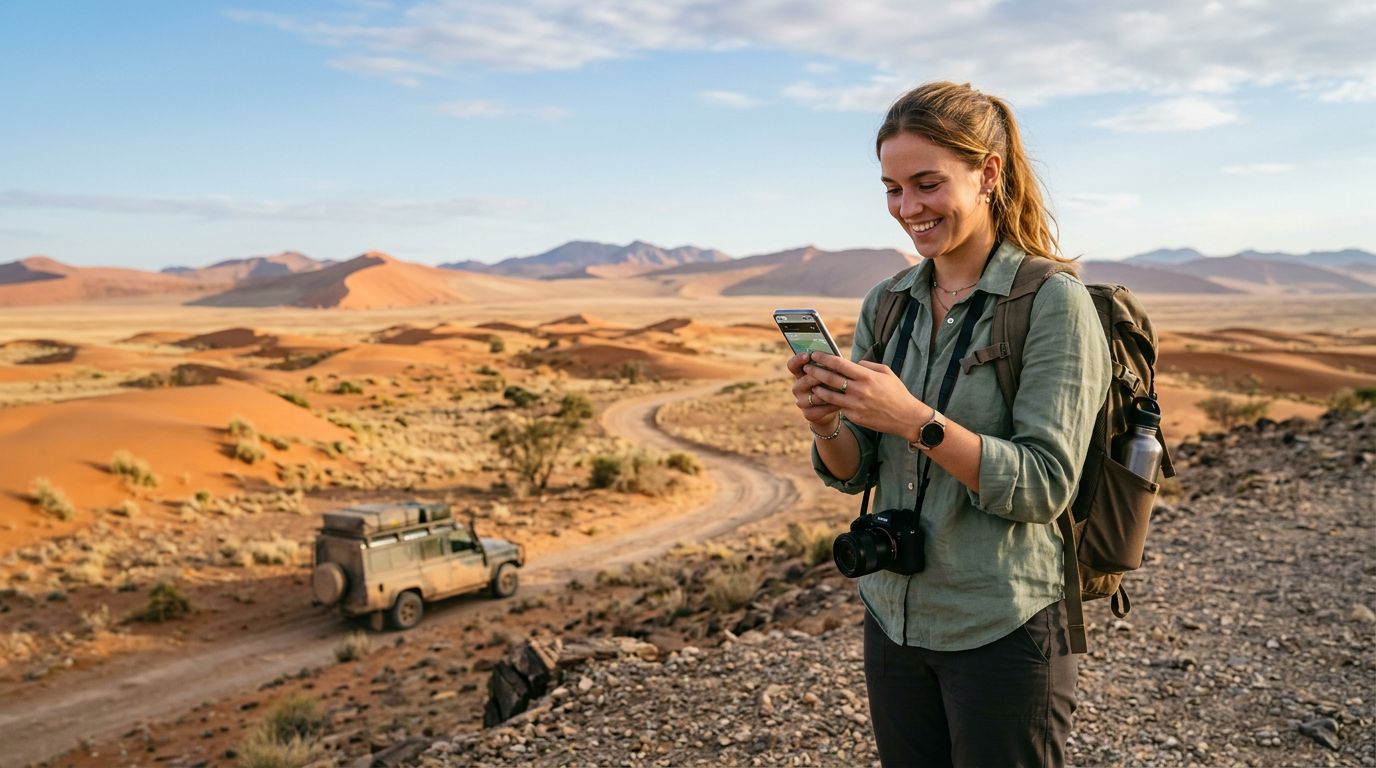
Namibia is a land of vast, breathtaking landscapes, from the towering red dunes of Sossusvlei to the rugged coastline of the Skeleton Coast. For travelers, this remote beauty often comes with a challenge: staying connected. When planning a trip to this part of Southern Africa, a common question arises: does eSIM work in Namibia?
The short answer is yes. eSIM technology is fully compatible with the local telecommunications infrastructure in Namibia. As long as your smartphone is carrier-unlocked and supports eSIM functionality, you can enjoy seamless mobile data without the need to hunt for physical SIM cards at the airport or in local shops.
Namibia’s mobile network operators have invested significantly in expanding coverage, particularly in urban centers like Windhoek, Swakopmund, and Walvis Bay. While remote areas may experience signal fluctuations due to the sheer scale of the desert terrain, major tourist routes and towns are generally well-served. By using an eSIM, you gain the advantage of pre-configuring your connectivity before you even touch down on the tarmac. This eliminates the stress of language barriers or finding a vendor during odd arrival hours.
Why Choose an eSIM for Your Namibian Adventure
Traditional roaming can be an expensive and unpredictable experience. Many travelers find that their home carrier charges excessive fees for data usage abroad, or worse, they return home to a surprise bill. An eSIM offers a transparent alternative. By selecting a data plan specifically designed for Namibia, you pay for exactly what you need.
OneTapSIM provides a streamlined approach to this process. Because the eSIM is digital, you do not need to remove your physical SIM card. This is a significant benefit for those who want to keep their primary number active for receiving important texts or calls while using a secondary data line for navigation, social media, and research.
Beyond the convenience of installation, eSIMs are inherently more secure than physical cards. There is no risk of losing a tiny plastic chip while swapping it out in a dusty environment. If you are traveling through the Namib Desert or exploring Etosha National Park, keeping your device intact and functional is a priority. With an eSIM, your connection is integrated directly into your phone’s hardware, protected from the elements and the risk of misplacement.
Furthermore, the flexibility of eSIMs allows you to manage your data usage effectively. If you find yourself needing more data for uploading photos or using GPS mapping, you can often manage your plan through your device settings or the provider’s interface. This level of control is essential when traveling in a country where infrastructure can vary between the city and the wilderness.
How to Set Up Your eSIM for Namibia
Before you depart, it is essential to ensure your device is ready. First, verify that your smartphone is eSIM-compatible. Most modern flagship devices from major manufacturers support this technology. You can check your device’s settings menu under "Cellular" or "Mobile Data" to see if there is an option to "Add eSIM."
Once you have confirmed compatibility, the setup process is straightforward. When you purchase a plan from a provider like OneTapSIM, you will receive a QR code or a set of manual installation instructions. You simply scan the code using your phone’s camera or input the provided details into your network settings. It is recommended to perform this installation while you still have a stable Wi-Fi connection at home or in your hotel.
Once the eSIM is installed, it will remain dormant until you arrive in Namibia. Upon landing, you simply toggle the eSIM to "On" in your cellular settings. Your phone will then automatically search for the best available local network. Because Namibia’s mobile landscape is dominated by a few key providers, your eSIM will typically connect to the strongest signal available in your immediate vicinity.
It is helpful to keep a few tips in mind for your trip:
- Data Management: Disable background app refreshes and automatic cloud backups while on mobile data to ensure your plan lasts throughout your trip.
- Offline Maps: Download offline maps of Namibia before you leave. While mobile data is great for real-time updates, having a backup map ensures you can navigate even in the most remote stretches of the country where signal might be intermittent.
- Battery Usage: Constant searching for a signal can drain your battery. If you are in a very remote area, consider switching your phone to airplane mode or turning off cellular data until you reach a town or a lodge.
- Primary SIM Settings: Ensure your phone is set to use your eSIM for "Cellular Data" while keeping your primary SIM for "Voice" or "SMS" if you need to maintain your home number for emergencies.
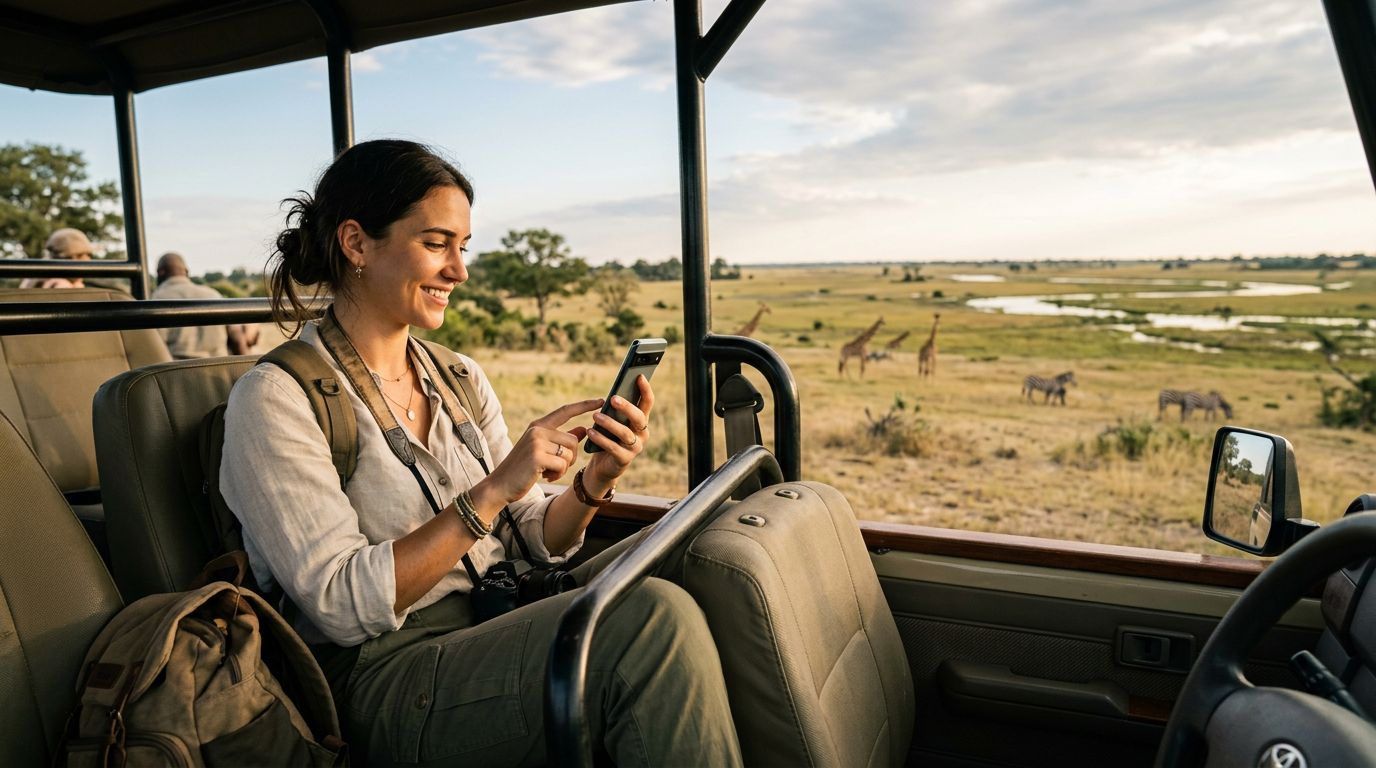
By taking these small steps, you can focus on the experience of Namibia rather than the logistics of your phone. Whether you are tracking wildlife in the north or exploring the German colonial architecture of the coast, having a reliable data connection ensures you can share your journey, look up information on the fly, and stay in touch with those back home.
Namibia is a destination that rewards preparation. By utilizing the efficiency of an eSIM, you remove one of the most common hurdles of international travel. You get the freedom to explore, the security of constant connectivity, and the simplicity of a digital solution that fits right into your pocket. With your device properly configured, you are ready to experience the vast, open horizons of Namibia with confidence.
Get an eSIM for
Plans for the destinations covered in this guide, with instant QR delivery.