Comparing Connectivity Options for Your Slovenian Adventure
Planning a trip to Slovenia involves more than just booking flights and hotels; you need a reliable way to stay connected while exploring the Julian Alps, the streets of Ljubljana, or the coastal beauty of Piran. For most travelers, the choice comes down to a traditional physical SIM card or the modern convenience of an eSIM. Understanding the differences between these technologies is essential for a stress-free experience.
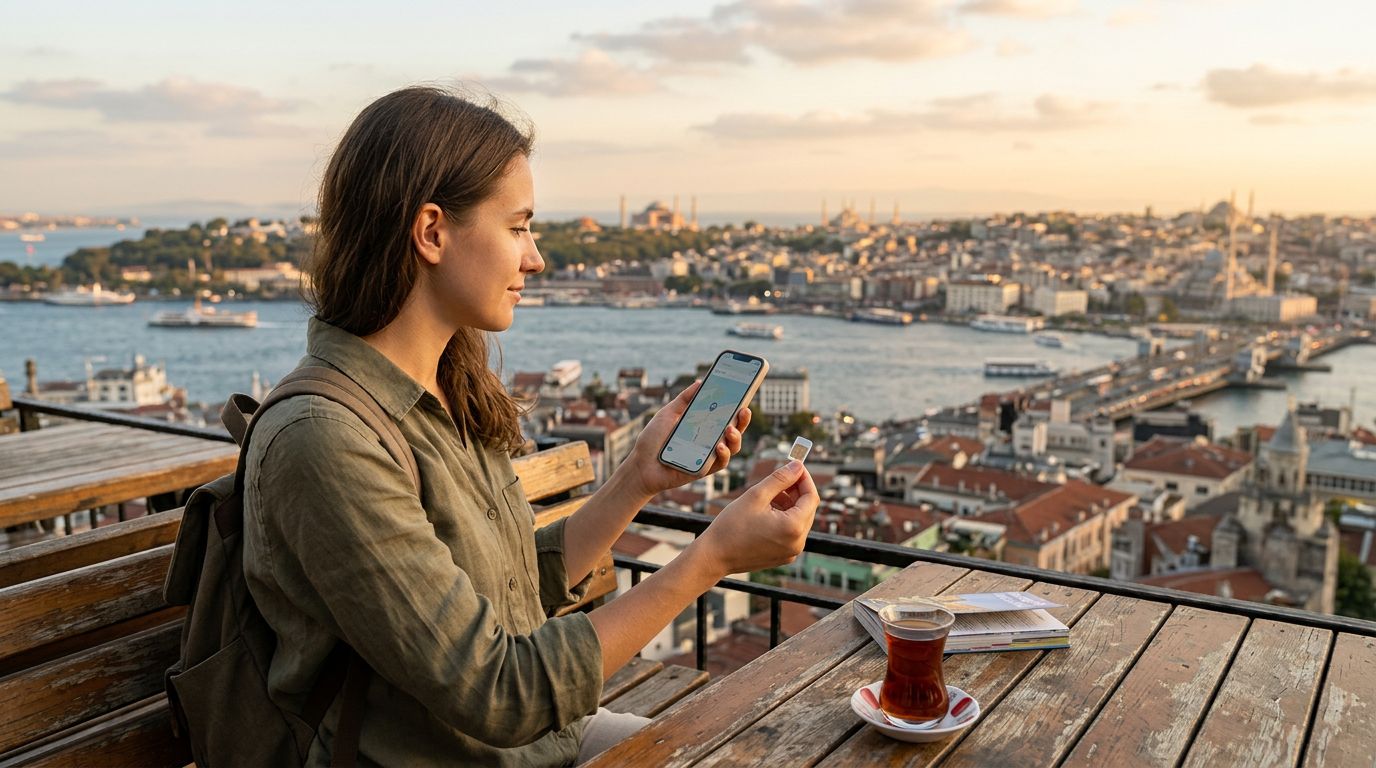
A physical SIM card has been the standard for decades. It is a small piece of plastic that you insert into your device, providing a direct link to a local mobile network. Conversely, an eSIM is a digital version of that same technology, embedded directly into your phone’s hardware. When you opt for an eSIM, you download a profile that activates your mobile data without the need for a physical chip.
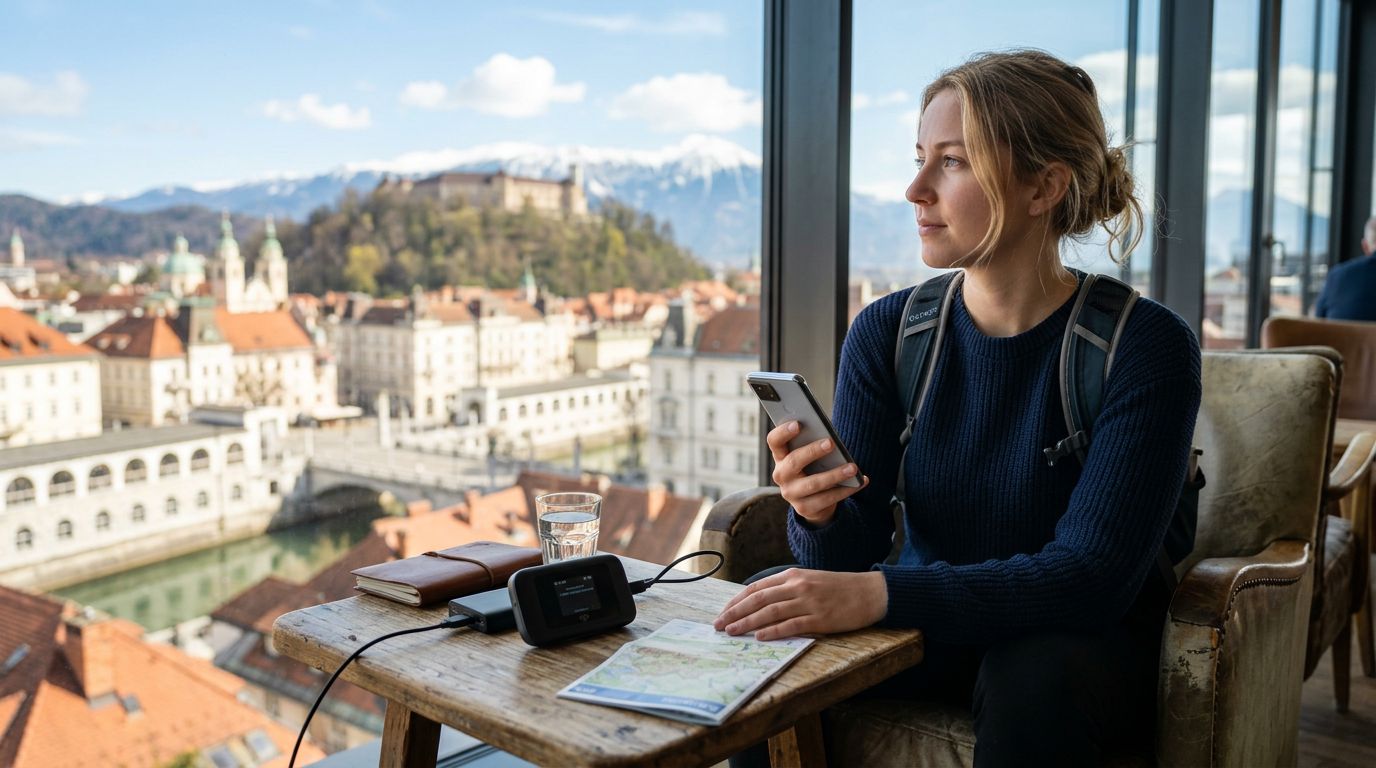
When comparing a Slovenia SIM card vs eSIM for tourists, the primary factors to consider are convenience, hardware compatibility, and the flexibility of your travel plans. While physical cards are familiar, they often require visiting a shop, waiting in queues, and physically swapping out your home SIM card, which carries the risk of losing the tiny chip. Digital options like OneTapSIM streamline this process, allowing you to activate your connection before you even land at the airport.
The Practical Benefits of Choosing an eSIM
The most significant advantage of using an eSIM for your Slovenian travels is the sheer convenience. Because the technology is software-based, you can purchase and install your data plan from anywhere in the world. This eliminates the need to hunt for a mobile store upon arrival or struggle with language barriers at a kiosk.
For travelers visiting multiple countries, the benefits are even more pronounced. If you are on a European tour, you can manage your connectivity through a single device without needing to swap physical cards every time you cross a border. This is particularly helpful if your phone supports multiple eSIM profiles, as you can switch between them with a few taps in your settings menu.
Security is another factor that favors the digital approach. Because you do not need to open your phone’s SIM tray, there is no risk of dropping or misplacing your home SIM card. Losing your primary SIM card can be a significant headache, as it is often tied to your banking, two-factor authentication, and personal contacts. By keeping your original SIM safely inside your device, you ensure that you remain reachable on your home number if necessary, while using your eSIM for data-heavy tasks like navigation, social media, and searching for local recommendations.
Before choosing this route, ensure your device is compatible. Most modern smartphones support eSIM technology, but it is always wise to check your specific model’s settings or manufacturer documentation. If your phone is locked to a specific carrier, you may need to have it unlocked before you can utilize an eSIM from a different provider.
When a Physical SIM Card Might Still Be Relevant
While digital solutions are rapidly becoming the standard, there are specific scenarios where a traditional physical SIM card might be the preferred choice. If you are traveling with an older smartphone that does not support eSIM technology, a physical card is your only option for local data. Furthermore, some travelers prefer the tangible nature of a physical card, feeling more comfortable with a solution they can physically hold and verify.
If you choose the physical route, you will typically find kiosks at the airport or in major city centers. This requires you to have your passport ready, as local regulations often mandate registration for all mobile users. This process can be time-consuming, especially if you arrive during peak hours when other tourists are also looking to get connected. You must also be prepared to handle the small tool required to open your SIM tray, which is easily lost in a suitcase or backpack.
Another consideration is the network coverage. Whether you choose a physical card or an eSIM, the underlying network infrastructure remains the same. Slovenia has excellent mobile coverage, particularly in urban areas and major tourist destinations. However, if your itinerary involves remote hiking or deep exploration of the Triglav National Park, it is worth researching which local network providers offer the strongest signal in those specific regions. Many digital providers, including OneTapSIM, partner with major local networks to ensure that your coverage is as robust as a traditional physical SIM.
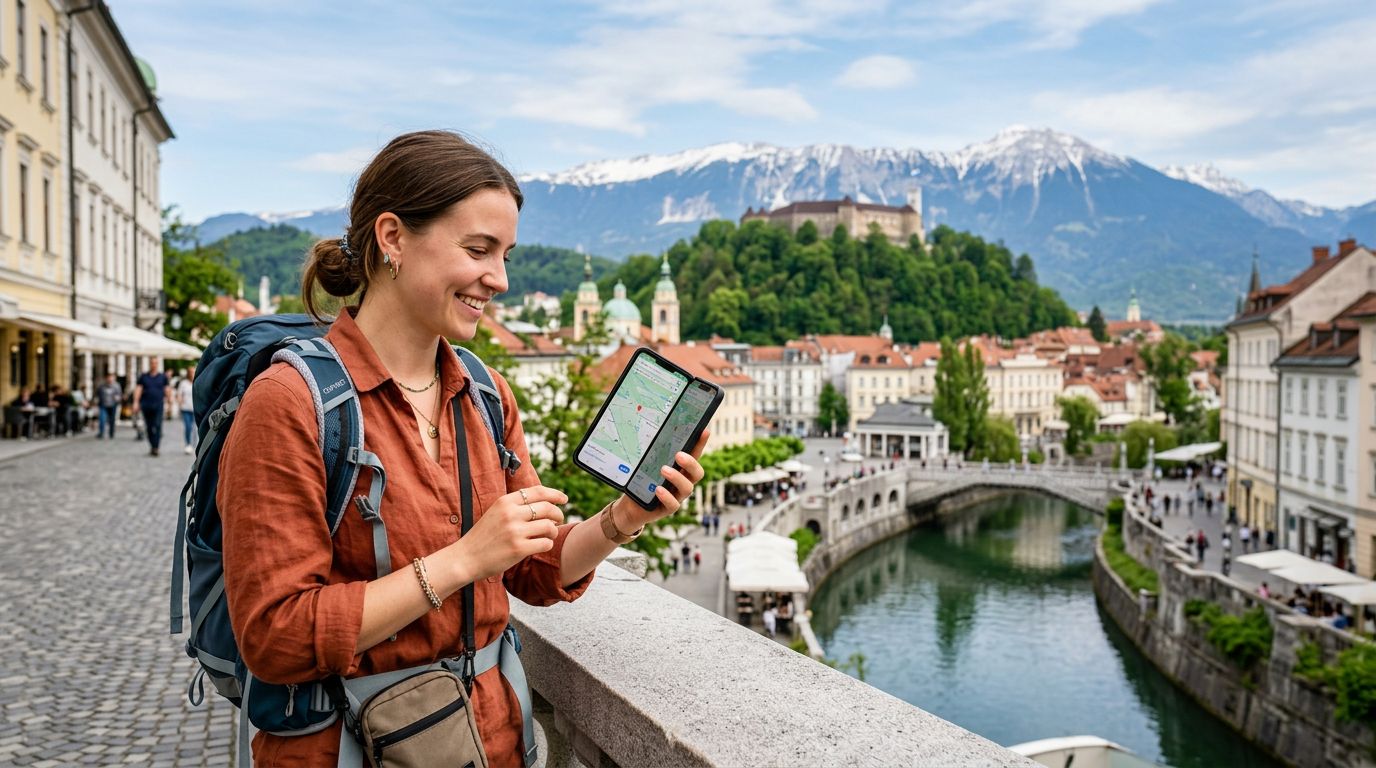
Ultimately, the decision rests on your personal preference for convenience versus familiarity. If you value the ability to land in Ljubljana and immediately open your map to find the nearest cafe, an eSIM is the superior choice. It removes the friction of travel, allowing you to focus on the scenery rather than the technicalities of your mobile connection. If you have a legacy device or simply prefer the traditional method of swapping chips, a physical SIM card will still get the job done, provided you allocate time to purchase and set it up during your first few hours in the country.
Regardless of the method you choose, the goal is to ensure you have consistent access to the digital tools that make travel easier. From checking train schedules to translating menus, having a reliable data connection is the key to a successful trip. By evaluating your device capabilities and your tolerance for the minor inconveniences of physical hardware, you can make an informed decision that keeps you connected throughout your Slovenian journey.
Get an eSIM for
Plans for the destinations covered in this guide, with instant QR delivery.