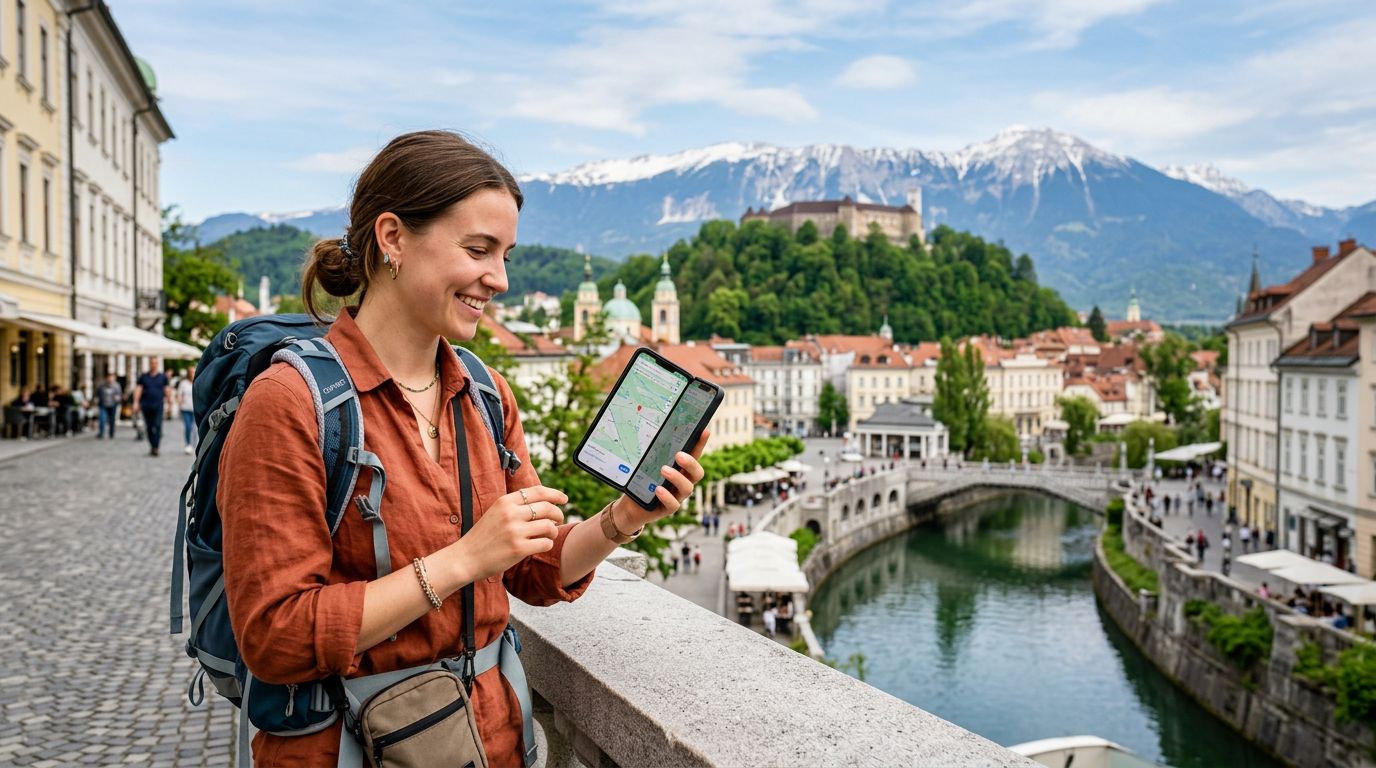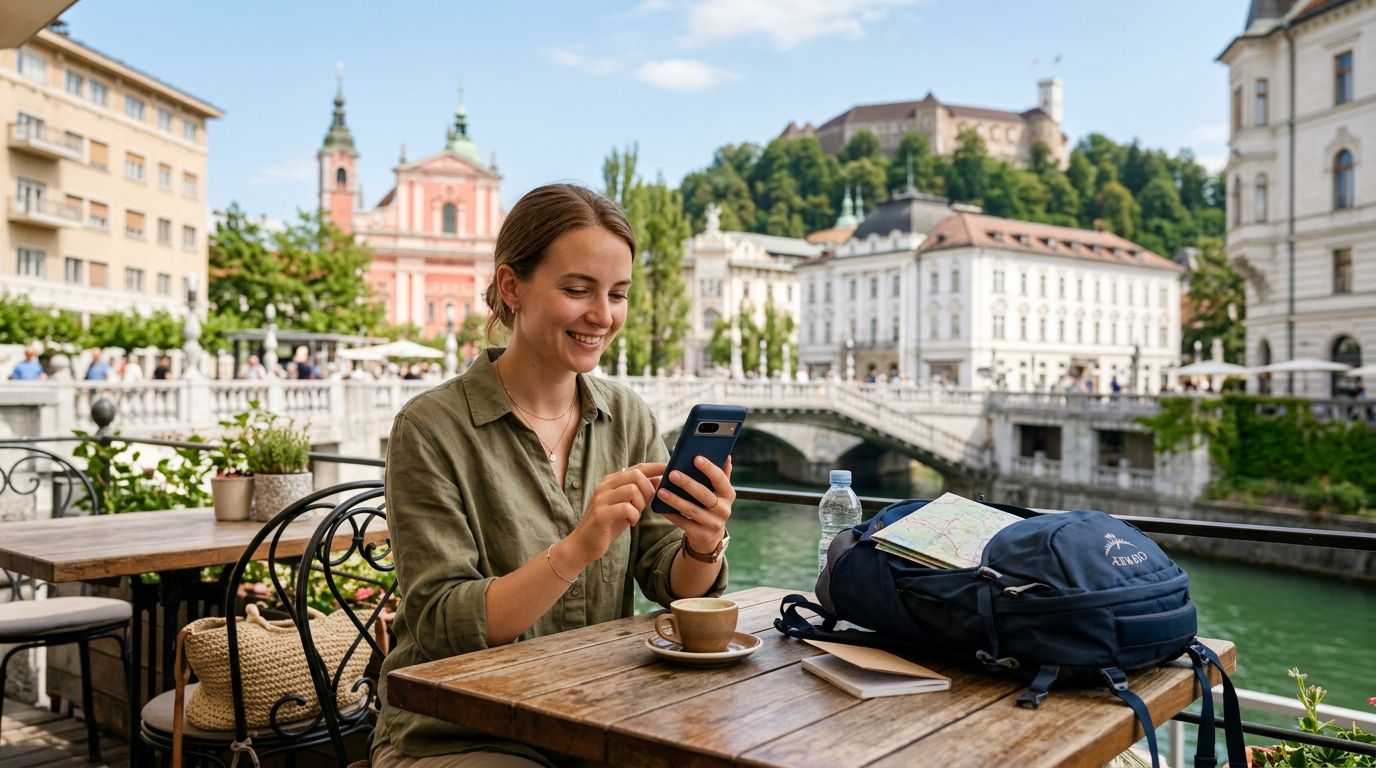
Slovenia is a hidden gem in the heart of Europe, offering everything from the emerald waters of Lake Bled to the vibrant, cafe-lined streets of Ljubljana. Whether you are planning to hike the Julian Alps or explore the subterranean wonders of the Postojna Caves, staying connected is essential for maps, translation apps, and sharing your travel moments. For modern travelers, the most efficient way to maintain connectivity is through an eSIM. This technology replaces the traditional plastic SIM card with a digital profile, allowing you to switch networks seamlessly without visiting a physical store.
Understanding eSIM Technology for Your Slovenian Trip
An eSIM, or embedded SIM, is a digital version of the standard physical SIM card you have used in mobile phones for years. Instead of a removable chip, the eSIM is built directly into the hardware of your device. When you purchase a travel eSIM, you are essentially downloading a data plan directly to your phone’s internal chip. This process eliminates the need to swap out your home SIM card, which reduces the risk of losing or damaging your original card while you are on the road.
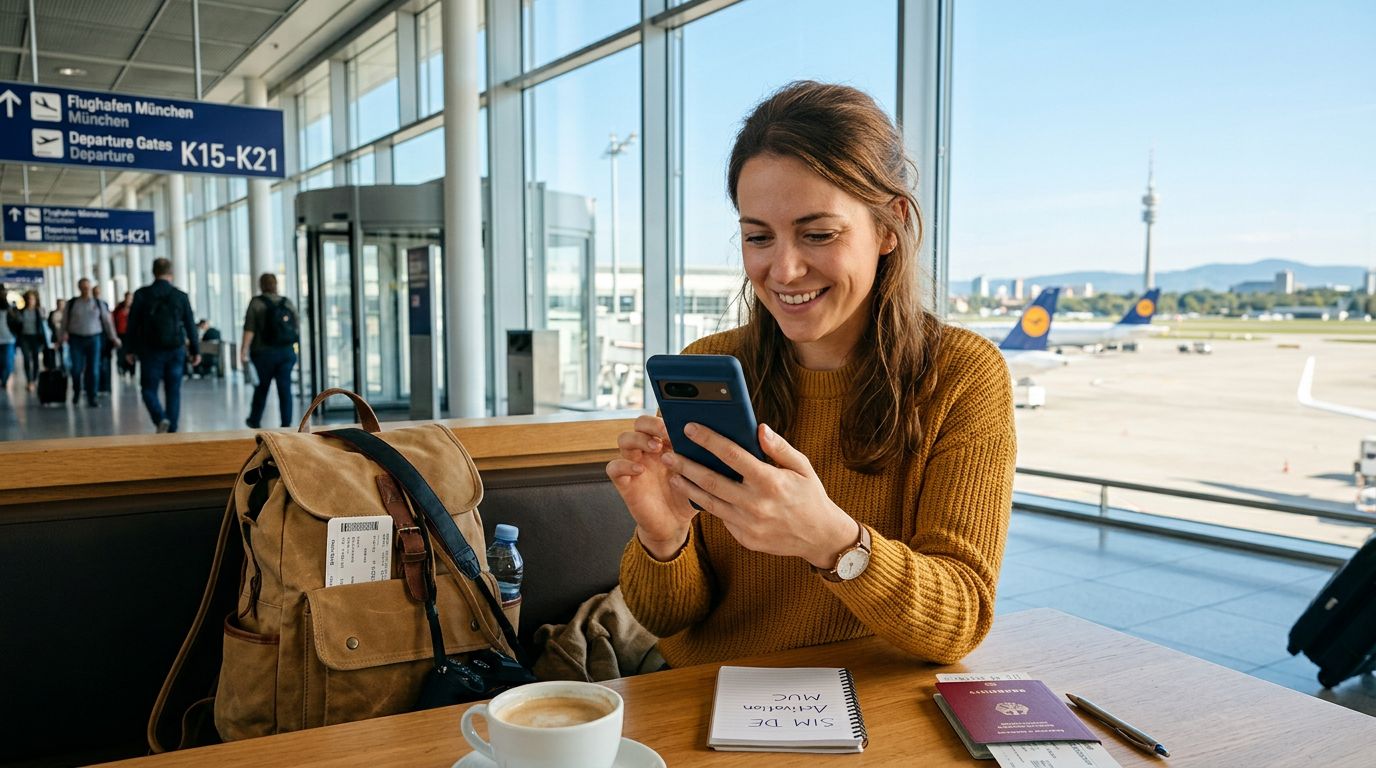
For travelers visiting Slovenia, using an eSIM provides a significant advantage in convenience. Upon arrival at Ljubljana Jože Pučnik Airport or when crossing the border by train, you can have your data plan active before you even step off the vehicle. Because an eSIM is managed entirely through software, you can switch between your home number—for receiving critical texts or calls—and your local data plan for navigation and internet browsing. This dual-SIM functionality is a standard feature on most modern smartphones, making it the preferred choice for international travelers who want to avoid high roaming charges from their domestic carriers.
OneTapSIM simplifies this experience by offering streamlined installation processes that guide you through the setup on your specific device. By choosing an eSIM, you avoid the common pitfalls of physical SIM cards, such as finding a local kiosk, dealing with language barriers, or waiting in lines at mobile shops.
Steps on How to Activate eSIM in Slovenia
If you are wondering how to activate eSIM in Slovenia, the process is straightforward regardless of your technical expertise. Before you begin, ensure that your smartphone is carrier-unlocked. If your phone is locked to a specific provider, it will not accept an eSIM from a different service. Once you have confirmed your device is unlocked, follow these general steps to get connected.
First, purchase your plan through a provider like OneTapSIM. Once the purchase is confirmed, you will receive a QR code or a manual activation code via email. It is best to complete the initial setup while you still have a stable Wi-Fi connection, such as at your home or hotel, before you depart.
On an iPhone, go to Settings, tap Cellular or Mobile Data, and select Add eSIM. You will be prompted to scan the QR code provided by your eSIM service. Once scanned, your phone will download the profile. You may be asked to label the plan, such as "Slovenia Travel." After the profile is downloaded, you can toggle it on in your cellular settings. Ensure that "Data Roaming" is turned on for the eSIM profile, as this is required for the digital SIM to communicate with the local Slovenian towers.
For Android users, the process is similar. Navigate to Settings, tap Network & Internet, and look for SIMs or Mobile Network. Select Add SIM or Add eSIM. Scan your QR code and follow the on-screen prompts to download and activate the plan. Once the process is complete, your phone will automatically register with a local network in Slovenia. If it does not connect immediately, toggling Airplane Mode on and off for a few seconds usually forces the device to refresh its search and find the strongest available signal.
Managing Your Connection and Troubleshooting
Once your eSIM is active, managing your data usage is simple. Most modern phones provide a clear interface where you can choose which SIM is used for mobile data. For a trip to Slovenia, you should set your primary SIM to your home provider (for calls and texts) and your eSIM to your data provider. By doing this, you ensure that you are using your travel data plan for internet-heavy tasks like using GPS, uploading photos, or browsing local restaurant reviews.
One common question travelers have is what happens if the data connection seems slow or drops. Slovenia has excellent network coverage, but like any mountainous region, signal strength can vary in remote alpine valleys or deep inside caves. If you experience connectivity issues, check your cellular settings to ensure the eSIM is still enabled and that the "Data Roaming" toggle is active. Sometimes, manually selecting a network operator in your phone’s settings can resolve connection issues if the automatic selection is struggling to find a stable link.
It is also important to monitor your data consumption. While most travel plans offer generous amounts of data, streaming high-definition video or performing large file backups can deplete your allowance faster than expected. You can check your data usage statistics in your phone’s settings menu under the cellular section. If you find yourself running low, you can often purchase additional data through your provider’s website or app.
Using an eSIM allows you to focus on the beauty of Slovenia rather than the logistics of staying connected. By setting up your digital profile before you arrive, you gain the freedom to navigate the winding streets of Piran or the lush landscapes of the Triglav National Park with confidence. With OneTapSIM, the transition from your home network to a local Slovenian connection is designed to be as smooth as possible, ensuring that your phone is ready for use the moment you land. Whether you are a solo traveler, a digital nomad, or a family on vacation, the reliability of a dedicated travel eSIM makes it the most practical choice for modern exploration in Europe.
Get an eSIM for
Plans for the destinations covered in this guide, with instant QR delivery.