Understanding Your Connectivity Options in Belgium
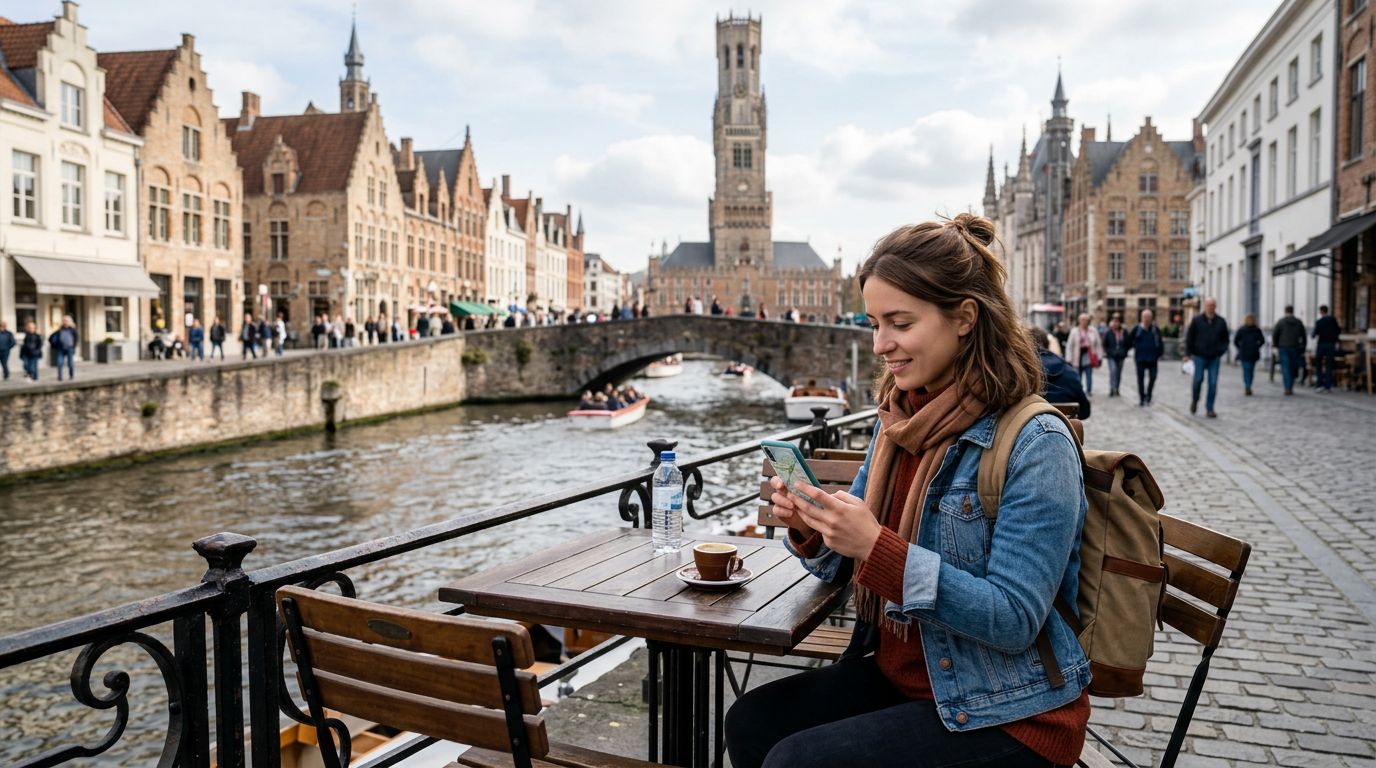
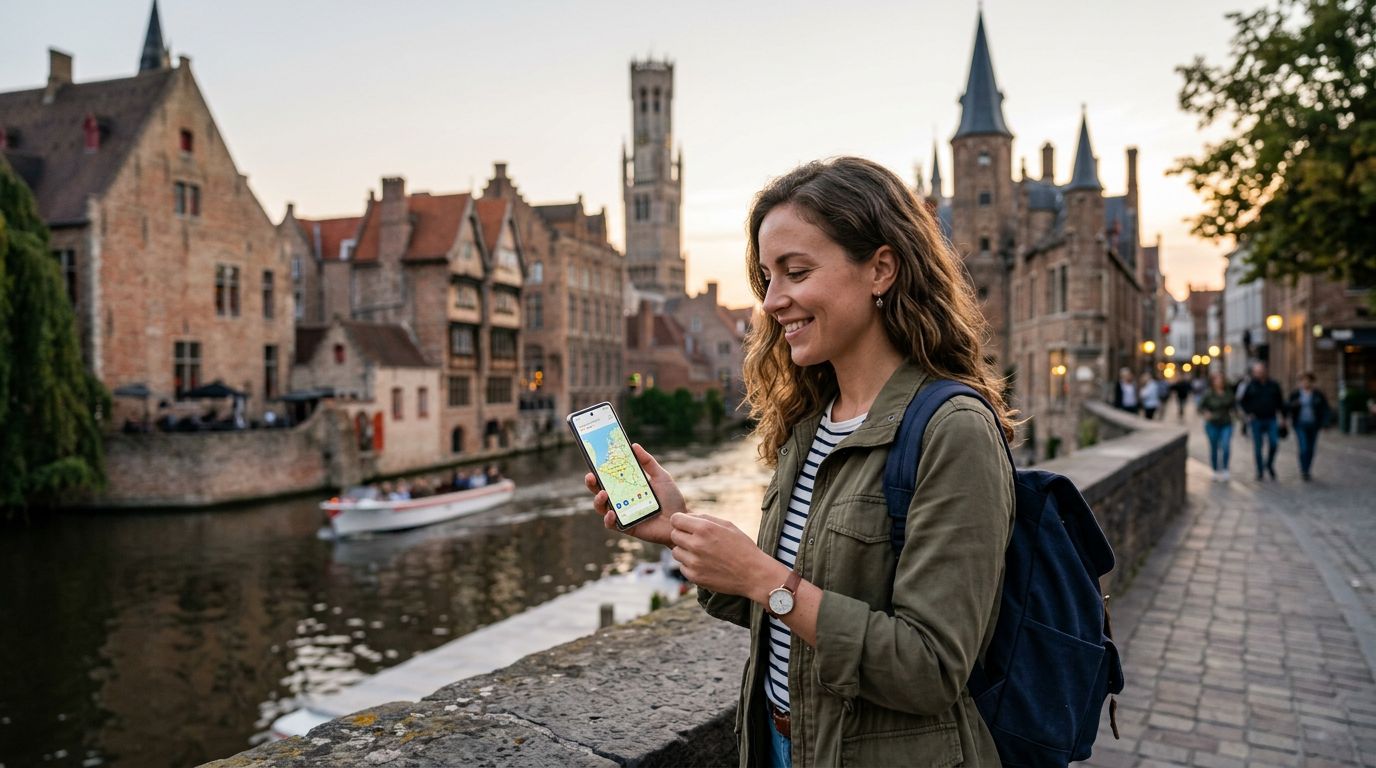
Planning a trip to Belgium involves checking many boxes: booking train tickets between Brussels and Bruges, mapping out the best chocolate shops in Antwerp, and ensuring you have a reliable way to stay connected. When you arrive in a foreign country, your phone becomes your most essential tool. It is your GPS for wandering the cobblestone streets of Ghent, your translator for reading menus, and your lifeline for sharing photos of the Grand Place.
The debate between traditional roaming and using an eSIM is a common point of confusion for travelers. Traditional roaming relies on your home carrier to connect you to a partner network in Belgium. While this is the most familiar method, it often comes with significant drawbacks regarding convenience and control. On the other hand, an eSIM—an embedded SIM card that functions digitally—allows you to switch to a local or regional data plan without swapping out your physical SIM card.
For many, the primary concern is simplicity. With roaming, you simply turn on your phone and hope it connects. However, this lack of choice often leads to unexpected outcomes. An eSIM requires a few minutes of setup before you depart, but it provides a dedicated data connection that operates independently of your home service provider. Understanding these differences is the first step toward a stress-free European getaway.
The Reality of Traditional Roaming
Traditional roaming is the default setting for most mobile users. When you land at Brussels Airport, your phone automatically searches for a signal from a local provider that has a roaming agreement with your home carrier. While this sounds convenient, the experience is often fraught with technical hurdles.
One of the biggest issues with roaming is the lack of transparency. You are often at the mercy of your home carrier’s network agreements. If your provider does not have a strong partnership with a major Belgian network, you may find yourself with a weak signal or slow data speeds. Furthermore, roaming often routes your internet traffic back to your home country before sending it to its final destination. This latency can make browsing, using maps, or uploading photos feel sluggish and unresponsive.
Reliability is another major factor. There are frequent reports of travelers whose phones fail to connect to a roaming partner upon arrival, leaving them stranded without maps or communication until they find Wi-Fi. Troubleshooting these issues while standing in a busy train station or trying to navigate a new city is far from ideal. Additionally, because you are still tethered to your home plan, you have little control over how your data is managed. If your home carrier decides to throttle your connection or if you encounter a system glitch, you have very little recourse other than calling customer support back home, which is both difficult and time-consuming while traveling.
Why eSIMs Are Changing the Travel Landscape
An eSIM is a digital alternative to the physical plastic card that has lived in our phones for decades. Because it is built into the hardware of modern smartphones, you can download a new data plan directly to your device. This technology has revolutionized how we approach international travel by putting the power of connectivity back into the hands of the user.
When you use a service like OneTapSIM for your Belgium trip, you are essentially purchasing a data-only plan specifically designed for travelers. This means you get access to local networks at local speeds, without the overhead and routing issues associated with traditional roaming. Because you are connecting directly to a local Belgian network, your data experience is typically much faster and more stable.
The installation process is straightforward. You select your plan, receive a QR code or a set of activation instructions, and add the eSIM to your phone’s settings. Once you land in Belgium, you simply toggle your data settings to use the eSIM. This setup allows you to keep your primary SIM card active for calls or texts if you need to receive important messages from home, while your eSIM handles all your data-heavy tasks like navigation, social media, and research.
Beyond speed and reliability, the flexibility of an eSIM is unmatched. You can manage your data usage through your phone’s settings, ensuring you never go over your limit. If you find yourself traveling through multiple countries—perhaps taking a quick train ride from Brussels to Paris or Amsterdam—many eSIM plans offer regional coverage, allowing you to maintain your connection as you cross borders without needing to change any settings.
Making the Right Choice for Your Trip
When weighing roaming vs eSIM for a Belgium trip, the decision often comes down to your personal travel style and your comfort level with technology. If you are a light user who only needs to check an occasional email and does not mind the potential for connectivity issues or high costs, roaming might seem sufficient. However, if you value speed, reliability, and the peace of mind that comes with having a dedicated data connection, an eSIM is the superior choice.
Consider the logistics of your trip. Belgium is a country designed for exploration. You will likely be spending long days on your feet, relying on your phone to find transit schedules, look up museum hours, and translate signs. A stable connection is not just a luxury; it is a vital tool for ensuring your trip goes smoothly. By preparing your eSIM before you leave, you arrive in Belgium ready to go. You can step off the plane, turn on your data, and start exploring immediately.
Furthermore, the environmental and physical benefits of an eSIM cannot be ignored. You avoid the risk of losing or damaging your home SIM card, which is a common nightmare for travelers who swap cards in airport lounges. You also eliminate the need to hunt for local kiosks or stores in a foreign city to purchase a physical prepaid card, which often requires a passport and a complex registration process.
Ultimately, the goal of any trip is to enjoy the destination. Whether you are drinking beer in a medieval square or admiring the architecture in the European Quarter, you want to be focused on your surroundings, not on your phone’s settings. By choosing a modern, digital-first approach to connectivity, you remove one of the most common stressors of international travel. An eSIM provides the seamless integration of technology into your journey, ensuring that you stay connected exactly when you need to, and leaving you free to enjoy the best of what Belgium has to offer.
Get an eSIM for
Plans for the destinations covered in this guide, with instant QR delivery.