Connectivity Essentials for Your Belgian Adventure
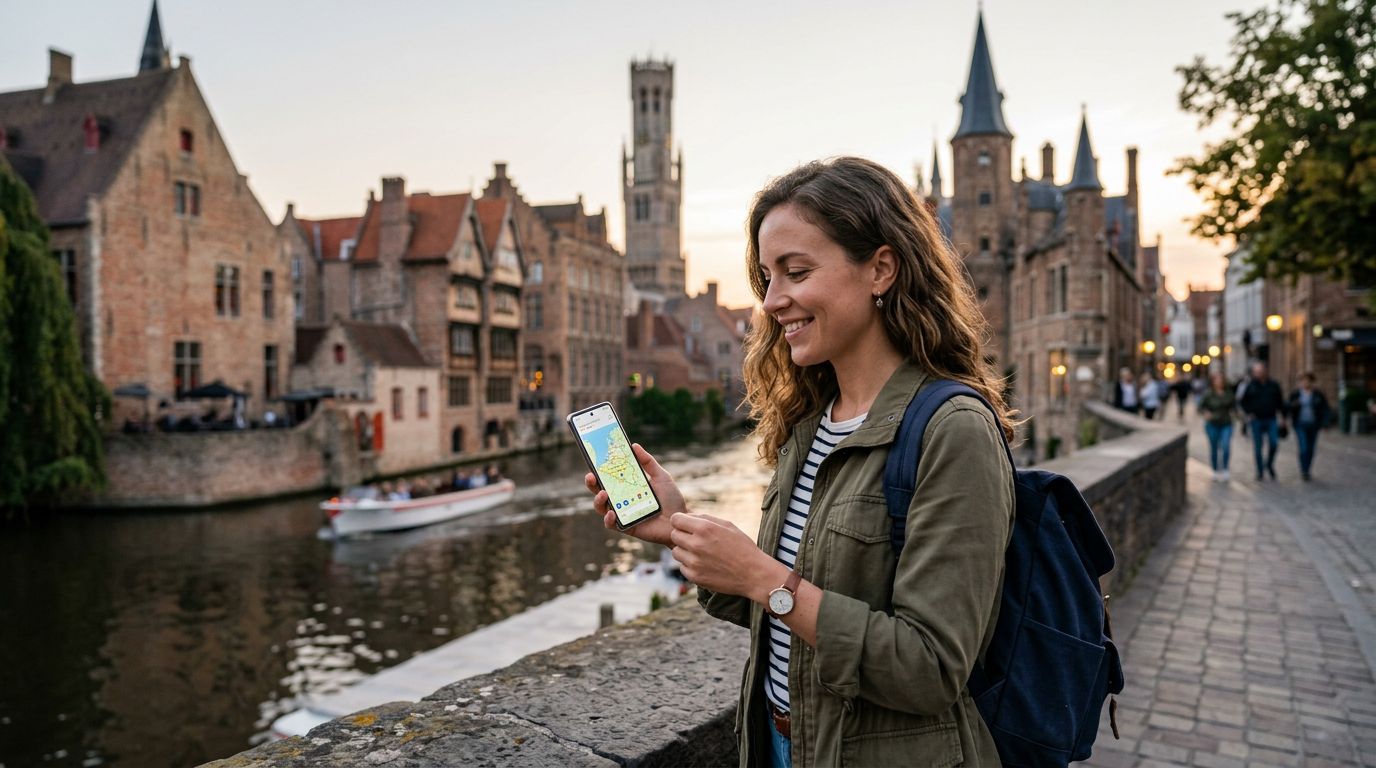
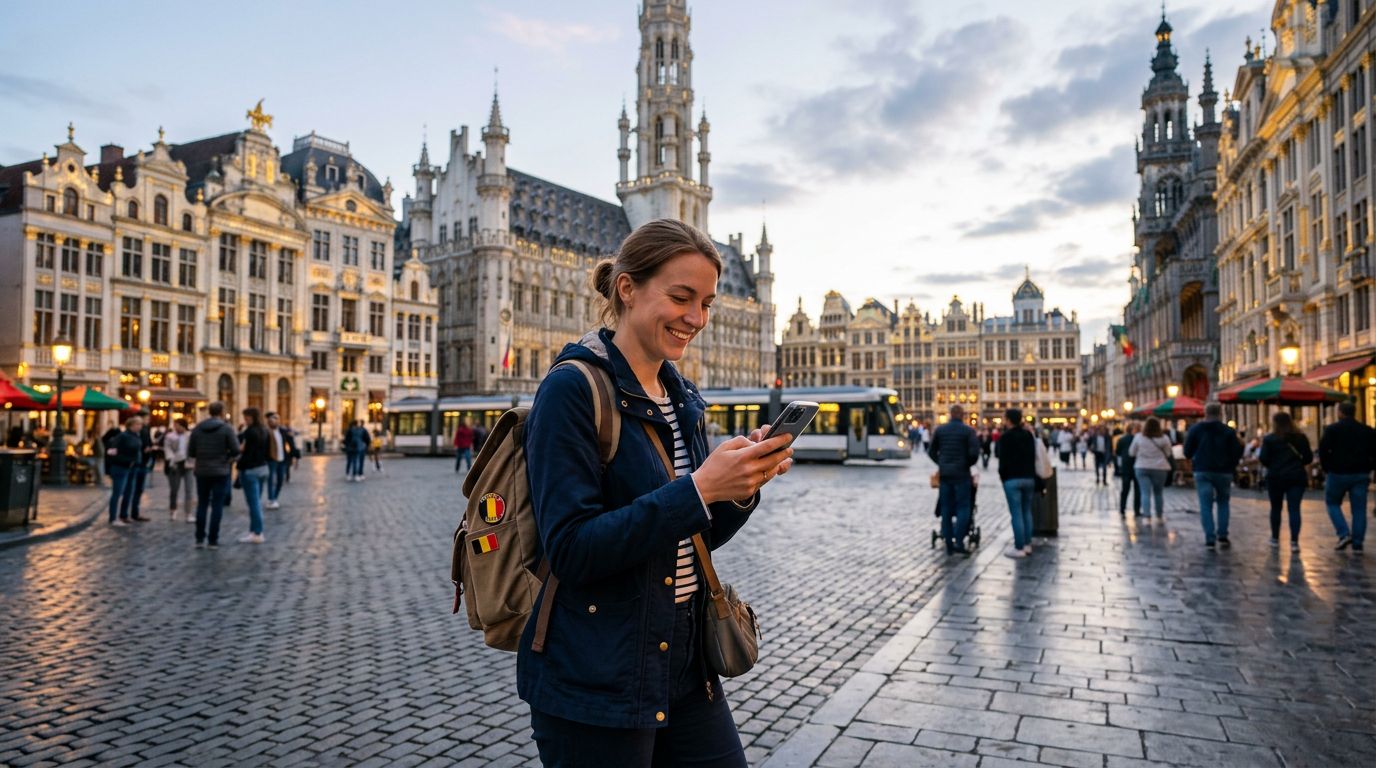
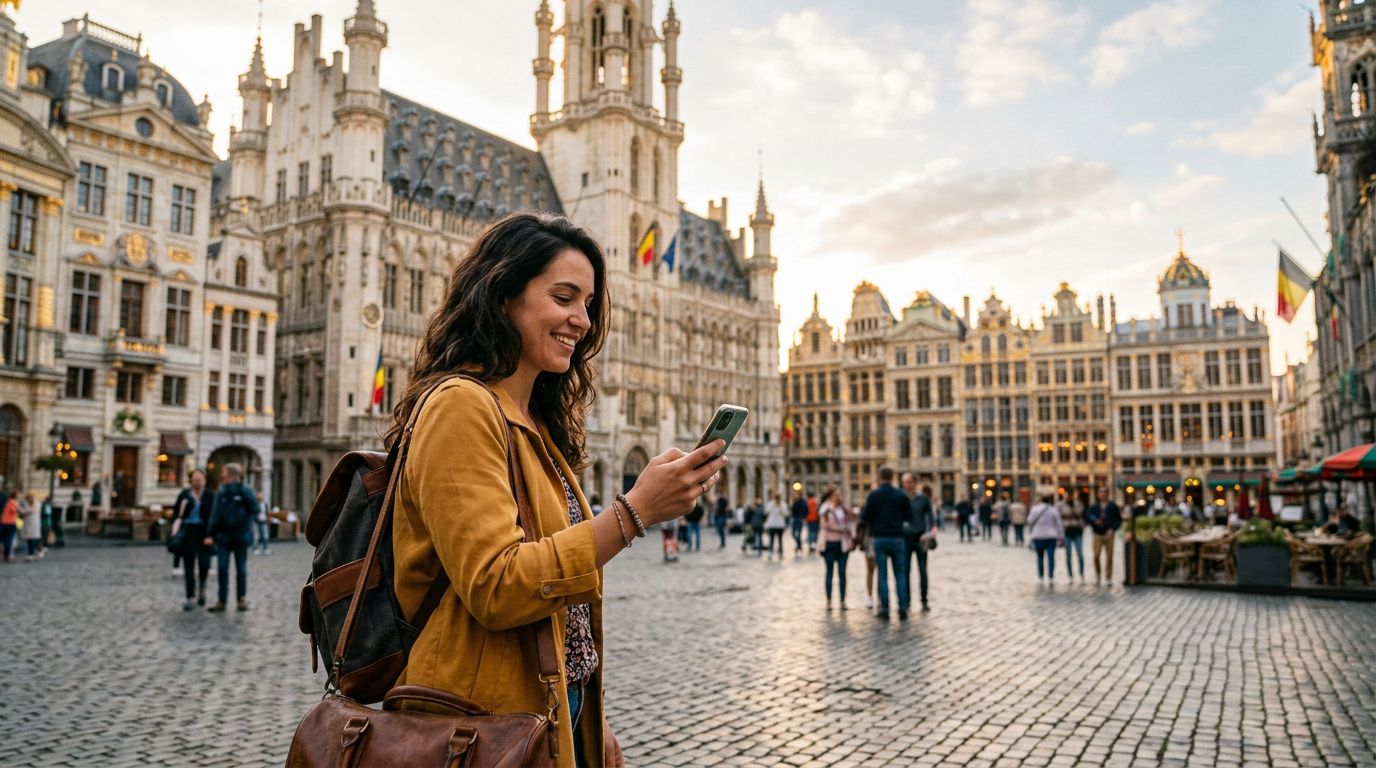
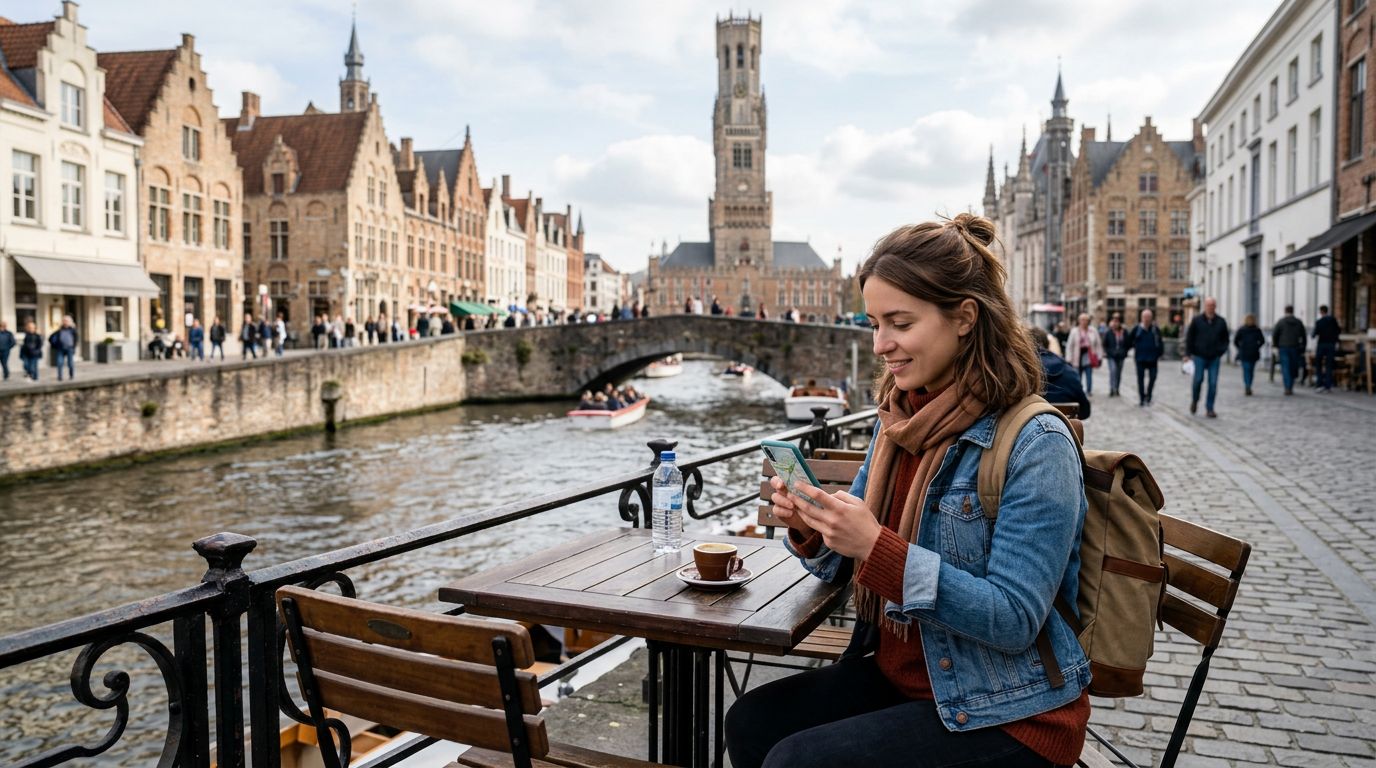
Belgium is a country defined by its mix of historic charm and modern efficiency. Whether you are wandering through the medieval streets of Bruges, exploring the bustling European Quarter in Brussels, or enjoying the vibrant nightlife in Antwerp, staying connected is essential. Having reliable internet access allows you to navigate public transit, translate menus, share photos of your travels, and stay in touch with loved ones back home.
Many travelers arrive in Belgium assuming that public Wi-Fi will be enough to get them through their trip. While major train stations, cafes, and hotels often provide wireless access, relying on these networks can be risky and inconvenient. Public hotspots are frequently unsecured, leaving your personal data vulnerable to potential breaches. Furthermore, relying on cafes for connectivity forces you to stay in one place when you might rather be exploring.
The best way to get data in Belgium is to secure a solution that works as soon as you land. By having your data ready before you leave the airport, you avoid the stress of hunting for a local shop or struggling to connect to a spotty terminal network. A dedicated mobile data plan ensures you have consistent coverage for maps, ride-sharing apps, and real-time travel updates throughout your entire journey.
Comparing Your Mobile Data Options
When planning your trip, you will encounter several ways to access the internet. Understanding the pros and cons of each method will help you decide which fits your travel style.
Traditional roaming through your home carrier is often the simplest method, as it requires no setup. You simply turn on your phone and start browsing. However, this convenience often comes with significant drawbacks. Many home carriers charge daily fees or impose strict data caps that can lead to unexpected billing issues. It is vital to check your specific plan details before you leave, as the costs of international roaming can accumulate rapidly.
Physical local SIM cards are another option. You can purchase these at kiosks in airports or at mobile carrier stores in the city center. While this gives you a local number and local rates, it requires you to physically swap out your home SIM card. This process is fiddly, and there is a high risk of losing your original SIM card while you are on the move. You also have to deal with language barriers or long queues at the airport when you just want to get to your hotel.
The modern alternative that has transformed travel connectivity is the eSIM. An eSIM is a digital SIM card embedded directly into your phone’s hardware. Because it is entirely digital, you can purchase and activate your data plan through an app or website without needing to visit a physical store or handle tiny plastic cards. Services like OneTapSIM allow you to manage your connectivity seamlessly, providing a stable connection that mirrors local network quality without the hassle of traditional physical cards.
Why eSIMs are the Preferred Choice for Modern Travelers
The rise of eSIM technology has made it easier than ever to stay connected while abroad. If your device is compatible, switching to an eSIM is arguably the most efficient way to manage your mobile data.
The primary advantage is convenience. You can purchase your plan from anywhere in the world, even before you board your flight. Once you arrive in Belgium, your phone will automatically connect to the local network, allowing you to use your phone exactly as you would at home. There is no need to find a shop, wait in line, or worry about whether your new SIM card will fit your device.
Another significant benefit is the ability to keep your home number active. Because an eSIM operates alongside your physical SIM, you can keep your primary number available for calls or texts while using your eSIM for data. This is particularly useful for travelers who need to receive two-factor authentication codes or urgent messages from home while keeping their data usage separate and cost-effective.
Compatibility is rarely an issue for modern devices. Most smartphones released in the last few years support eSIM functionality. You can verify your device's compatibility by checking your phone’s cellular settings or searching for your specific model on the manufacturer's support pages. Once you confirm that your device supports this technology, the setup process is typically straightforward, involving a quick scan of a QR code or a manual entry provided by your service provider.
When you choose an eSIM, you are also choosing a more sustainable and secure option. By eliminating the need for plastic cards and paper packaging, you reduce your environmental footprint. Furthermore, because you manage the connection through a secure digital interface, you avoid the risks associated with handing your device over to a stranger at a kiosk in a foreign airport.
Whether you are in Belgium for a weekend getaway or a month-long tour of the Benelux region, having a reliable data plan is the foundation of a smooth trip. By opting for a digital solution, you ensure that you spend less time troubleshooting your phone and more time enjoying the waffles, chocolates, and architecture that make Belgium such a unique destination. Planning ahead ensures that you are never left without a map when you need it most, giving you the freedom to explore with confidence.
Get an eSIM for
Plans for the destinations covered in this guide, with instant QR delivery.