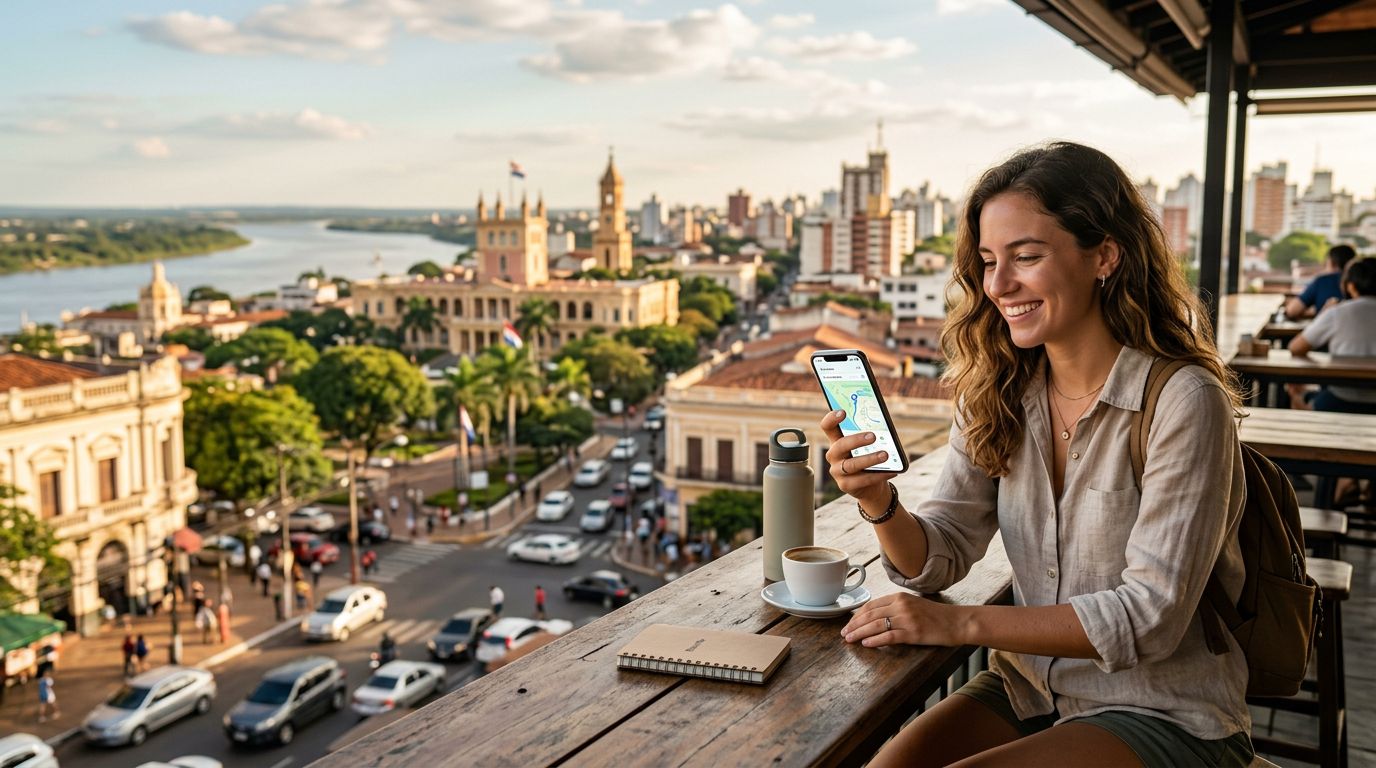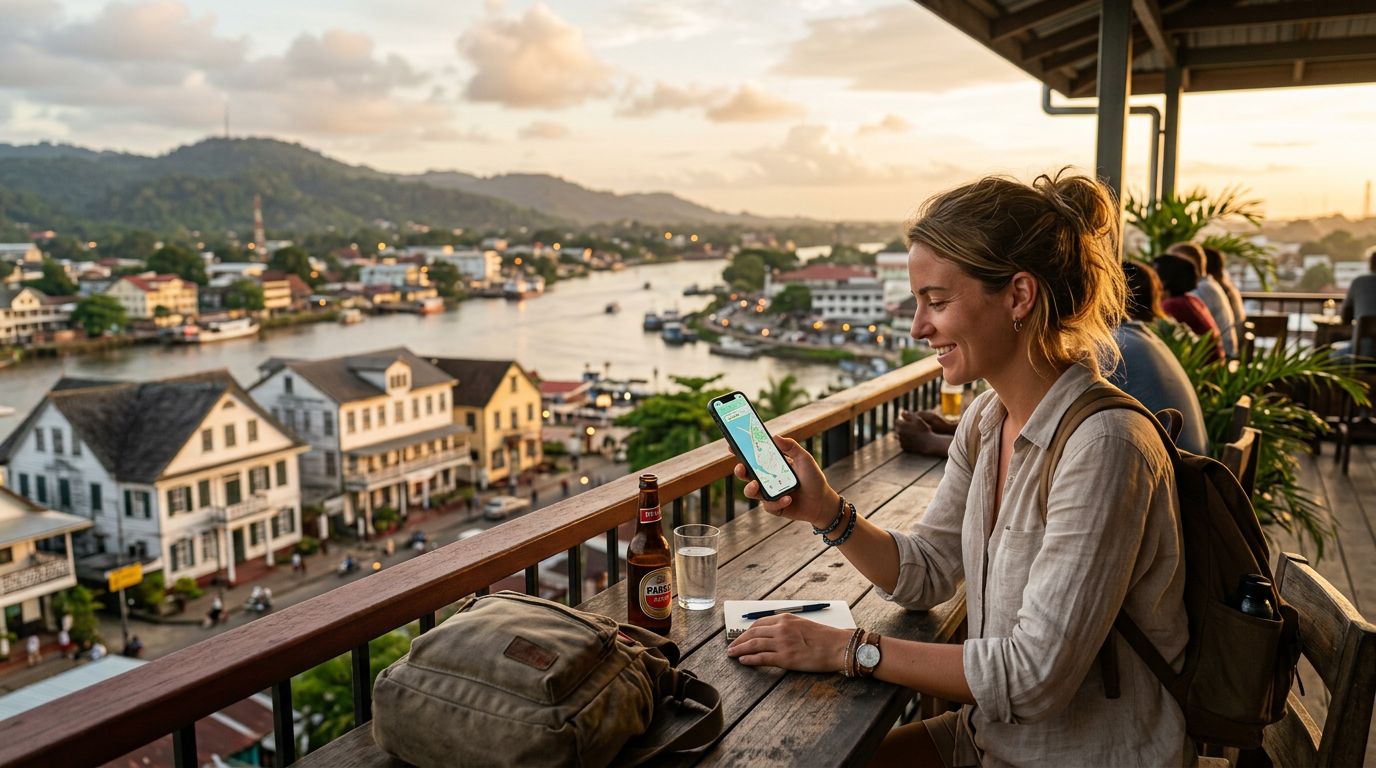
Suriname is a hidden gem in South America, offering a unique blend of dense rainforests, colonial architecture in Paramaribo, and a rich cultural tapestry. Whether you are planning to trek through the interior or explore the historic streets of the capital, staying connected is essential for safety, navigation, and sharing your experience. Finding the best way to get data in Suriname can be a challenge if you are not prepared, as connectivity options vary significantly compared to larger, more tourist-heavy nations.
Understanding Connectivity Challenges in Suriname
Suriname is geographically diverse, with a large portion of the country covered by untouched Amazonian rainforest. While the capital city of Paramaribo and the surrounding coastal areas have relatively reliable cellular coverage, the interior regions present a different story. If your itinerary involves visiting remote nature reserves or indigenous villages, you should manage your expectations regarding signal strength.
Local telecommunications infrastructure is dominated by a few major providers. Traditionally, international travelers would arrive at the airport or head to a local shop to purchase a physical SIM card. This process often involves presenting a passport, filling out registration forms, and waiting for the card to be activated. For many travelers, this is an inconvenient start to their journey, especially after a long flight. Furthermore, physical cards are easy to lose or damage, and swapping them out risks misplacing your home SIM card, which is a major headache if you need to receive two-factor authentication codes or urgent calls from back home.
The Advantages of eSIM Technology for Suriname Travel
The landscape of mobile connectivity has shifted significantly with the introduction of eSIM technology. An eSIM is a digital SIM that allows you to activate a cellular plan from a carrier without needing to use a physical card. Because it is embedded in your phone’s hardware, you can switch between your home provider and a local data plan seamlessly.
For travelers heading to Suriname, the best way to get data in Suriname is by utilizing an eSIM service like OneTapSIM. By choosing a digital option, you bypass the need to visit a physical store or deal with language barriers when trying to purchase a local plan. You can set up your data connection before you even board your plane, ensuring that as soon as you land at Johan Adolf Pengel International Airport, you are ready to go.
One of the primary benefits of an eSIM is the ability to keep your primary phone number active for calls and texts while dedicating the eSIM profile strictly to mobile data. This setup prevents the common issue of unexpected roaming charges from your home carrier, as you can simply toggle off data roaming for your main line and rely entirely on the local data package provided by your eSIM. Most modern smartphones support this dual-SIM functionality, making it a highly efficient way to manage your mobile usage while abroad.
Practical Tips for Staying Connected
Before you commit to a data solution, ensure your device is unlocked. An unlocked phone is one that is not restricted to a specific carrier. If your phone is still under a contract or payment plan, your home carrier may have a lock on the device, which prevents it from accepting other SIM profiles. You can usually check your device settings or contact your carrier to confirm the status of your phone. If you are unsure, official support pages from manufacturers like Apple or Google provide clear instructions on how to check your carrier lock status.
Once you have confirmed your device is ready, the installation process is straightforward. With a service like OneTapSIM, you receive a digital code or a direct activation link. You simply scan the provided QR code or follow the on-screen prompts to add the new cellular plan. This process takes only a few minutes and eliminates the stress of hunting for a kiosk in a foreign country.
When you arrive in Suriname, your phone should automatically detect the local network. If it does not, a quick restart of your device usually resolves the issue. To conserve data, consider adjusting your phone settings to prevent background app refreshing and to restrict high-bandwidth activities like video streaming or cloud backups to Wi-Fi networks. In a country like Suriname, where you might be spending time in areas with limited signal, downloading offline maps is a smart precautionary measure. Applications like Google Maps allow you to save specific regions of the country to your device, ensuring you can navigate even if you lose cellular service while traveling between towns or exploring rural outskirts.
Another consideration is battery life. Constant searching for a signal in remote areas can drain your phone battery quickly. If you are venturing deep into the interior, carrying a portable power bank is just as important as having a reliable data plan. By keeping your device charged and your data usage intentional, you can enjoy the peace of mind that comes with being connected without letting technology distract you from the natural beauty of Suriname.
Ultimately, the best way to get data in Suriname is the one that minimizes friction and allows you to focus on your trip. By opting for a digital solution, you avoid the administrative hurdles of local physical SIM cards and gain the flexibility to manage your connectivity on your own terms. Whether you are navigating the bustling markets of Paramaribo or preparing for a river excursion, having a reliable, pre-activated data plan ensures you are never truly out of reach. With the right preparation and a modern approach to mobile connectivity, you can explore this South American destination with confidence and ease.
Get an eSIM for
Plans for the destinations covered in this guide, with instant QR delivery.