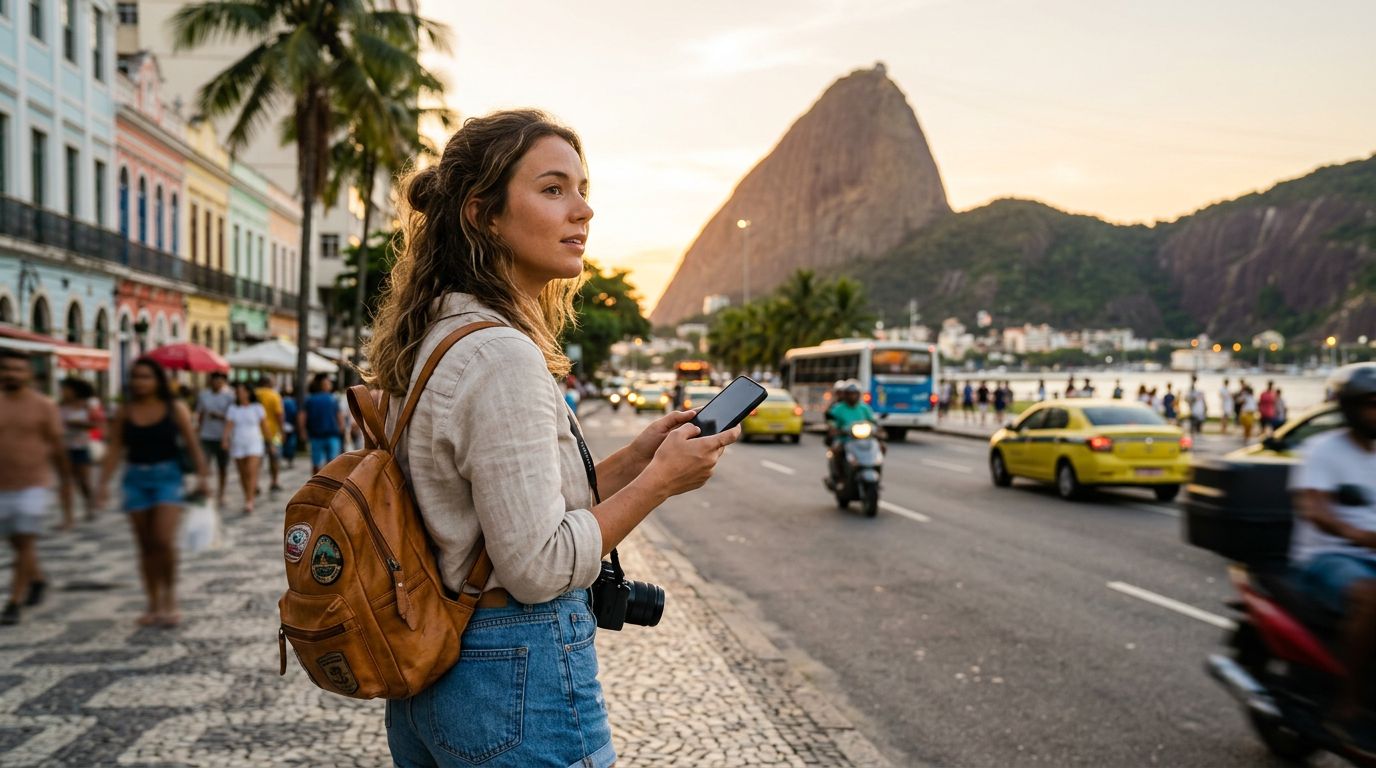
Understanding Connectivity Challenges in Brazil
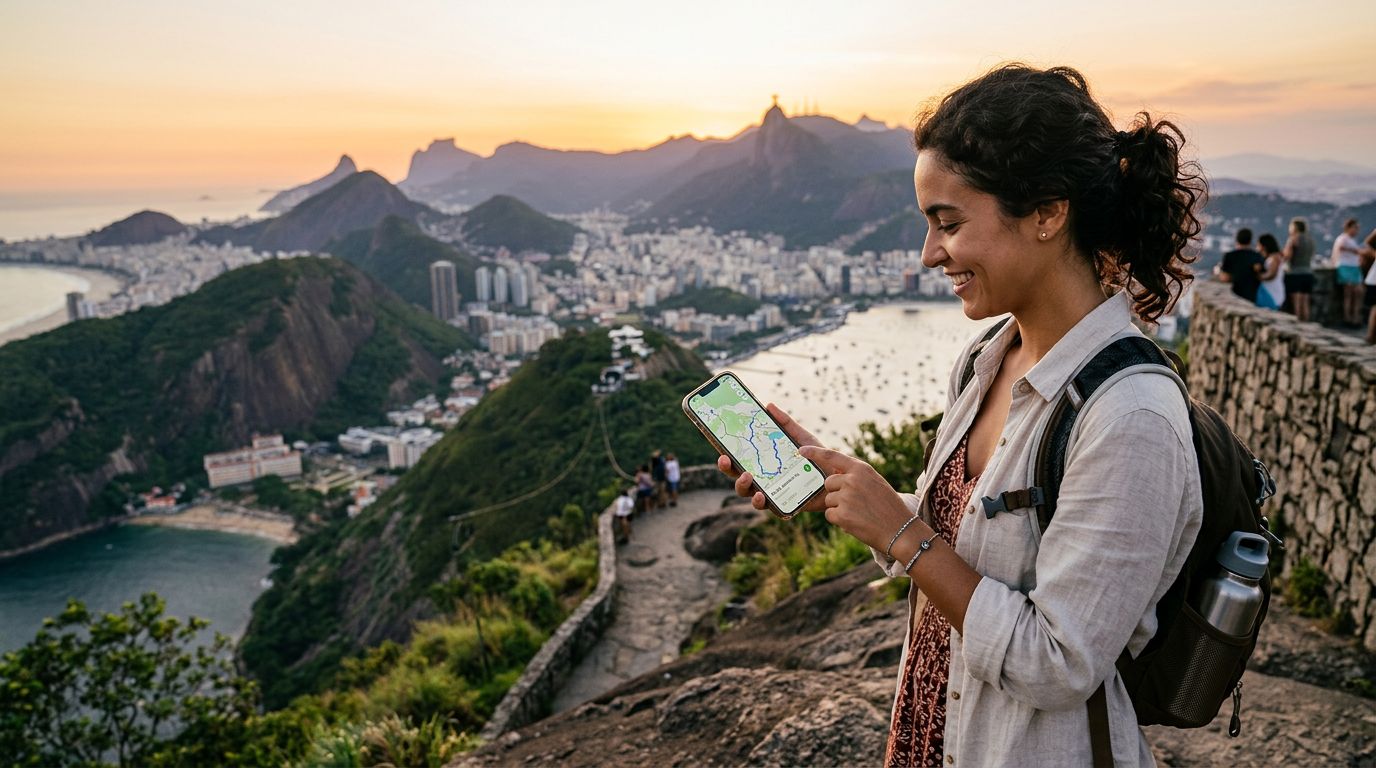
Brazil is a massive, diverse country that offers everything from the bustling urban centers of São Paulo and Rio de Janeiro to the remote wilderness of the Amazon rainforest. Because of this vast geography, staying connected can be a significant hurdle for international travelers. Relying on public Wi-Fi is rarely a viable strategy, as these networks are often insecure, slow, or entirely unavailable in transit areas like airports, bus stations, or rural regions.
Many travelers arrive in Brazil assuming they can simply use their home mobile plan. While some carriers offer international roaming, the costs associated with these services are often prohibitive, and data speeds can be throttled significantly. Furthermore, trying to purchase a physical local SIM card upon arrival often involves language barriers, long queues at airport kiosks, and the need to register your passport with local authorities, which can be a time-consuming bureaucratic process.
For those who need reliable navigation, translation tools, and the ability to share their experiences in real-time, finding a seamless solution is essential. The best way to get data in Brazil is to move away from traditional physical SIM cards and embrace the flexibility of modern digital alternatives. By preparing your connectivity before you even touch down on Brazilian soil, you eliminate the stress of searching for a store or struggling with unfamiliar registration forms after a long flight.
Why eSIM Technology is the Superior Choice
The shift toward eSIM technology has transformed how international travelers manage their mobile data. An eSIM, or embedded SIM, is a digital version of the physical card you are likely accustomed to. Because it is built directly into the hardware of modern smartphones, you do not need to swap out tiny plastic chips or worry about losing your original SIM card while traveling.
The primary advantage of using an eSIM is the convenience of instant activation. With a provider like OneTapSIM, you can manage your connectivity requirements through a digital interface, ensuring that your data plan is active the moment you land. This eliminates the need to visit a local mobile carrier store or provide personal identification documents to a stranger in a foreign country. Since the eSIM is digital, you can keep your primary home SIM card active in your device simultaneously, allowing you to receive important calls or texts from home while using your eSIM specifically for local data.
Compatibility is rarely an issue for most travelers today, as the majority of smartphones released in the last few years support eSIM functionality. Whether you are using a high-end device from a major manufacturer or a mid-range smartphone, checking your settings to confirm eSIM compatibility is a quick process. If you are unsure whether your device supports this technology, you can consult the official support pages for your specific phone manufacturer to verify your hardware capabilities. This digital-first approach ensures that you have a stable, high-speed connection that follows you from the beaches of Copacabana to the historic streets of Salvador, without the risk of hardware damage or loss.
Tips for Managing Your Data Usage While Traveling
Once you have secured your eSIM, managing your data consumption effectively will ensure that you stay connected throughout your entire trip. Even with a generous data package, it is wise to adopt habits that prevent unnecessary background usage. Many mobile applications are designed to sync, update, and download content in the background, which can consume your data allowance without you even realizing it.
Start by adjusting your smartphone settings to restrict background data usage for non-essential applications. Most operating systems allow you to see exactly which apps are consuming the most data, giving you the power to toggle off access for those that do not require an active connection while you are out exploring. Additionally, consider downloading maps for offline use before you leave your accommodation. While you will have data, having an offline backup ensures that you can navigate even if you venture into areas with spotty cellular coverage, such as deep within national parks or remote coastal towns.
Another effective strategy is to adjust your media settings. Streaming high-definition video or audio is the fastest way to deplete a data plan. If you plan on listening to music or podcasts during long bus rides between cities, download these files while connected to a stable Wi-Fi network at your hotel. Similarly, adjust your social media settings to prevent videos from auto-playing as you scroll through your feeds.
By choosing a reliable provider like OneTapSIM, you gain access to a consistent network experience that allows you to focus on the vibrant culture and natural beauty of Brazil rather than worrying about your signal strength. The best way to get data in Brazil is to prepare in advance, utilize the efficiency of eSIM technology, and maintain mindful habits regarding your digital footprint. This combination of preparation and technology ensures that your travel experience remains smooth, connected, and entirely focused on the adventure ahead. Whether you are checking flight updates, booking local excursions, or staying in touch with family back home, having a dedicated data plan gives you the freedom to explore with confidence.
Get an eSIM for
Plans for the destinations covered in this guide, with instant QR delivery.