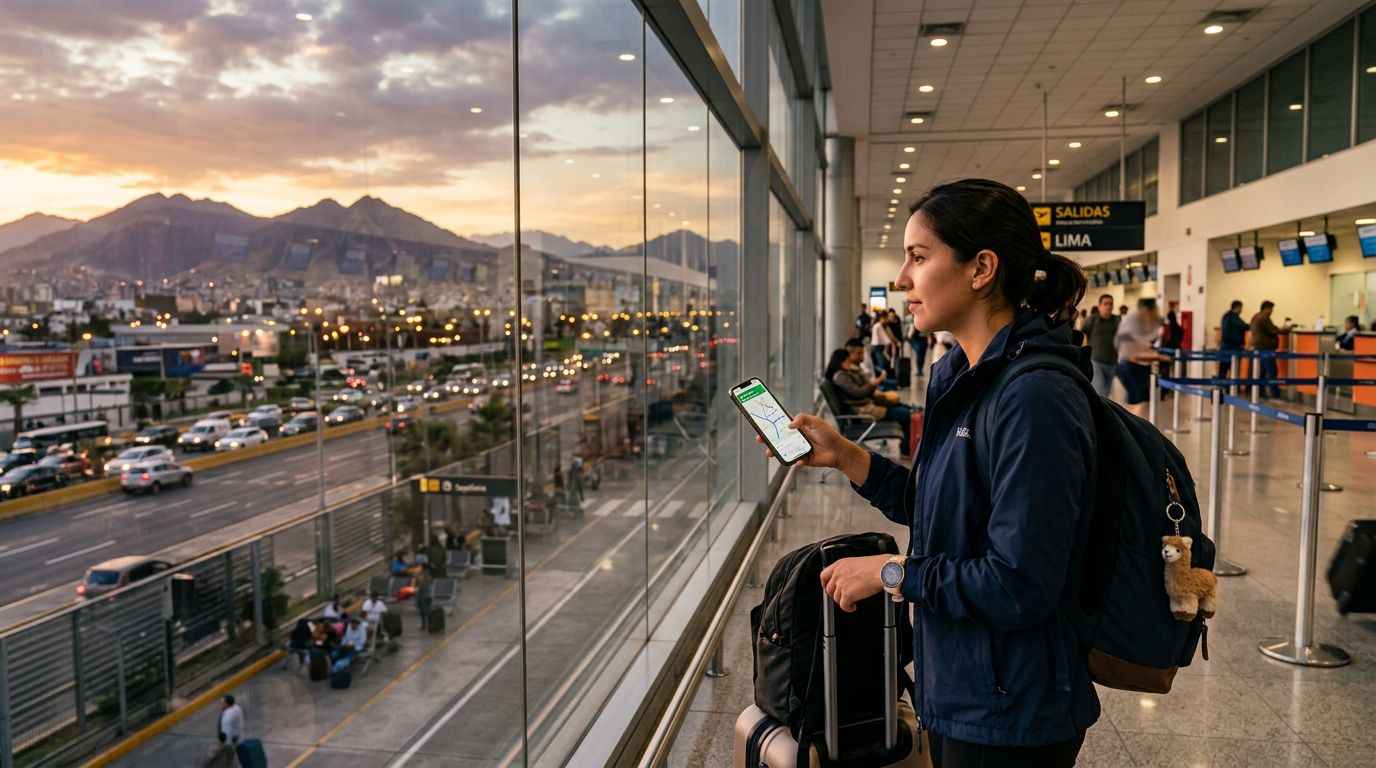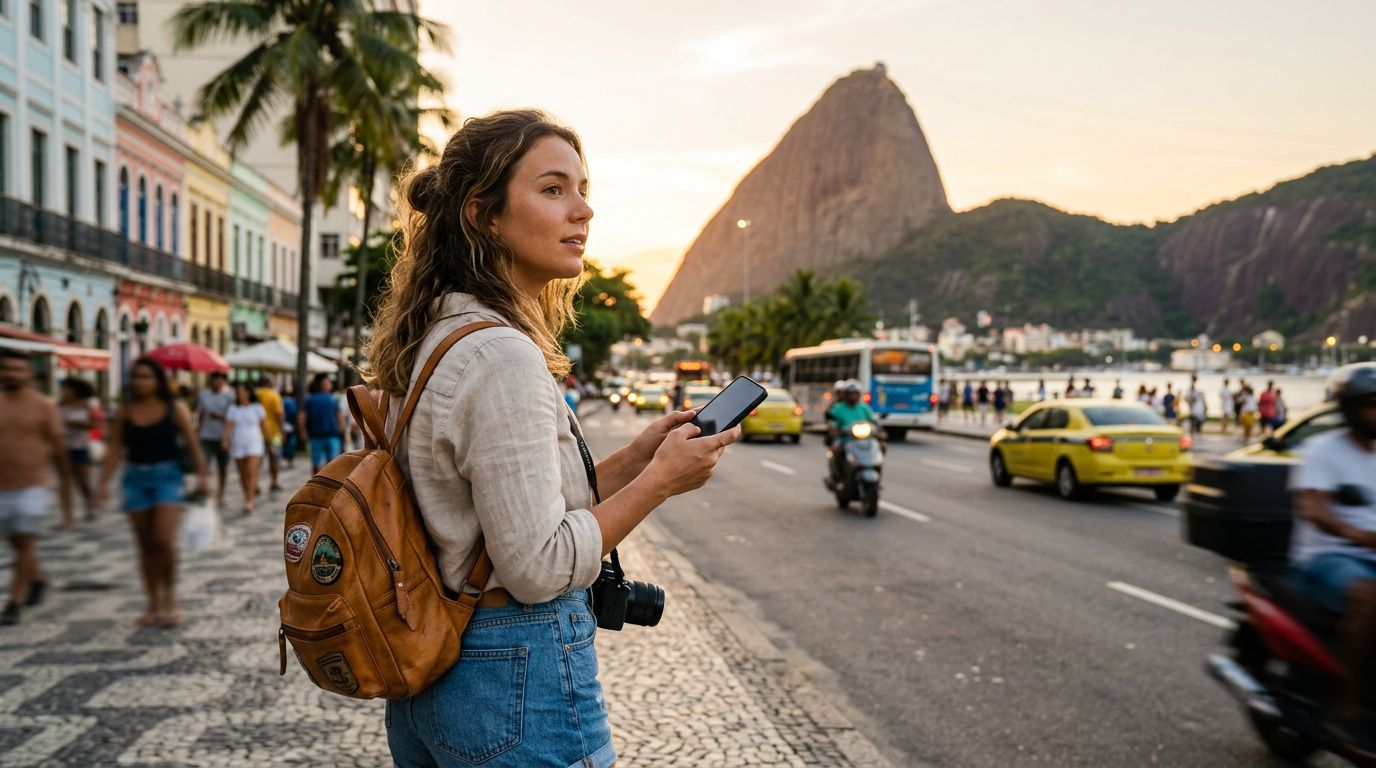
Brazil is a land of vast landscapes, from the dense Amazon rainforest to the sprawling urban grids of São Paulo and the winding, scenic coastal roads of Rio de Janeiro. Whether you are planning to navigate the complex public transit systems of a major metropolis or find your way through the charming, labyrinthine streets of a colonial town like Ouro Preto, having the right digital tools is essential. Without a reliable connection, even the most advanced smartphone becomes little more than a paperweight. This is why travelers often rely on OneTapSIM to ensure they remain connected the moment they land, providing the data necessary to run these navigation tools without interruption.
Mastering Urban Transit and Ride-Hailing
Brazil’s cities are vibrant, busy, and sometimes overwhelming for a first-time visitor. Relying on paper maps or asking for directions in a language you might not speak fluently can lead to unnecessary stress. Fortunately, the country has embraced technology to make getting around much easier.
Ride-hailing apps are the gold standard for safety and efficiency in Brazilian cities. While global platforms operate throughout the country, local favorites often provide better coverage and more competitive service in specific regions. These apps allow you to see your driver’s information, track your route in real-time, and pay through the application, which eliminates the need to carry large amounts of cash or negotiate fares with taxi drivers.
For those who prefer public transportation, the official transit apps for cities like São Paulo and Rio de Janeiro are indispensable. They provide real-time updates on bus and metro lines, helping you avoid long waits at stops. When you are moving between neighborhoods, having an active data connection is crucial for checking these updates on the fly. Using a travel eSIM like OneTapSIM allows you to activate your mobile data plan instantly upon arrival, ensuring you have the consistent coverage required to keep your transit apps updated as you move across the city.
Offline Mapping and Pedestrian Navigation
While ride-hailing and public transit apps are excellent for point-to-point travel, they do not always capture the nuance of exploring a city on foot. When you are wandering through the historic center of Salvador or hiking the trails of Tijuca National Park, you need a different approach to navigation.
Global mapping services remain the most reliable choice for pedestrian navigation. These tools allow you to pin points of interest, save locations, and receive walking directions that account for one-way streets and pedestrian-only zones. One of the most useful features for international travelers is the ability to download maps for offline use. Before you head out for the day, you can cache the map of your current city. This ensures that even if you encounter a spot with a weak signal, you can still see your blue dot moving along the streets.
However, offline maps have their limitations. They cannot provide live traffic data, updated business hours, or real-time transit delays. To get the full experience, you need a robust mobile data connection. By keeping your phone connected to a high-speed network, you can switch seamlessly between offline backups and live search results. If you find a hidden gem of a restaurant or a sudden change in your itinerary, a quick search on your mapping app will provide the best route to your next destination.
Connectivity as the Foundation of Your Journey
The success of your trip to Brazil depends heavily on your ability to orient yourself. When you are in a foreign environment, the confidence that comes with knowing exactly where you are and how to get to your next destination is invaluable. This confidence is built on two pillars: the quality of your navigation software and the reliability of your mobile data.
Many travelers make the mistake of relying solely on public Wi-Fi networks found in cafes or hotels. While these can be useful for checking emails, they are rarely reliable for real-time navigation. You do not want to be standing on a busy street corner in a city like Curitiba, trying to load a map while your connection drops out. A dedicated travel eSIM, such as those provided by OneTapSIM, solves this issue by providing a stable, dedicated data stream. This allows you to keep your navigation apps open, your ride-hailing platforms active, and your communication channels with friends or family open at all times.
Furthermore, navigation in Brazil involves more than just finding addresses. It involves understanding the local context. Apps that integrate user reviews and photos are helpful for determining if a route is safe to walk at night or if a specific bus line is currently running. These features require a steady flow of data. By choosing a flexible data solution, you avoid the anxiety of searching for local SIM cards or dealing with the high roaming fees associated with your home carrier.
As you prepare for your Brazilian adventure, take the time to download the necessary apps and familiarize yourself with their interfaces before you depart. Organize your digital tools into a single folder on your home screen for quick access. Whether you are using a major global mapping platform or a specialized transit app, remember that the best travel apps for navigation in Brazil are only as effective as the network supporting them. With a reliable connection, you can shift your focus from the stress of finding your way to the joy of experiencing the incredible culture, music, and landscapes that make Brazil a world-class destination.
Get an eSIM for
Plans for the destinations covered in this guide, with instant QR delivery.