Why Reliable Connectivity Matters in Chile
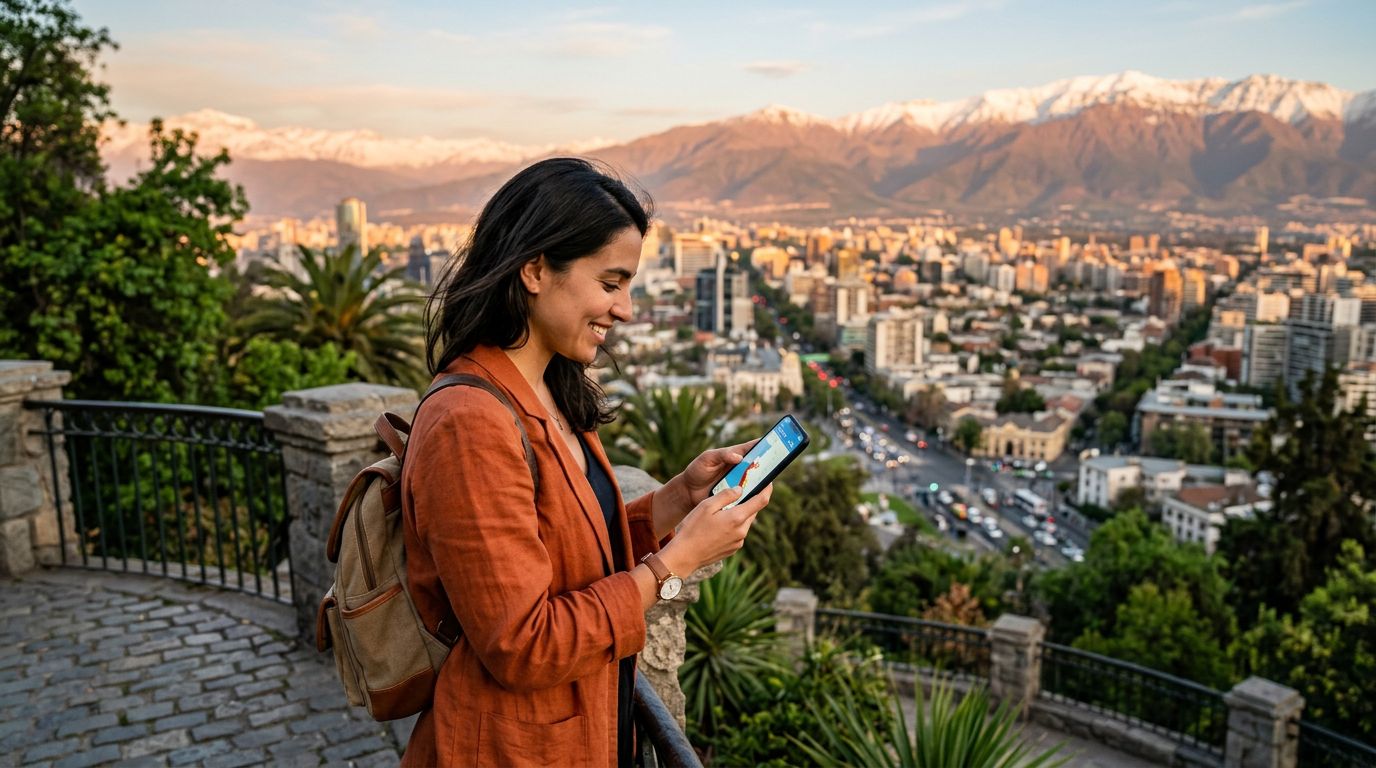
Chile is a land of dramatic contrasts, stretching from the arid landscapes of the Atacama Desert in the north to the glacial fjords and rugged peaks of Patagonia in the south. Whether you are planning to navigate the bustling streets of Santiago, trek through the granite towers of Torres del Paine, or explore the mysterious moai statues on Easter Island, having a consistent internet connection is essential.
Without a reliable data connection, simple tasks like checking bus schedules, translating menus, or using GPS to find your way through mountain trails can become significant hurdles. Relying on public Wi-Fi is often impractical, as it is frequently unstable, insecure, or entirely unavailable in remote regions. For most travelers, the best way to get data in Chile is to secure a solution that works the moment you land, allowing you to bypass the stress of searching for a local store or dealing with language barriers at a mobile kiosk.
Comparing Your Options for Mobile Data
Travelers generally have three main options when it comes to staying connected in Chile: roaming with your home carrier, purchasing a local physical SIM card, or opting for an eSIM.
International roaming through your home provider is often the most convenient option, but it frequently comes with significant limitations. Many carriers impose strict data caps or throttle speeds once you reach a certain usage threshold, and the daily fees can accumulate quickly over a multi-week trip. Furthermore, you remain tied to your home network’s policies, which may not prioritize the best local coverage.
Purchasing a physical SIM card from a local Chilean provider is a traditional route. This involves finding a retail store, presenting your passport for registration, and swapping out your physical card. While this can be a cost-effective method for long-term stays, it is rarely the most efficient choice for short-term tourists. You may spend your first few hours in the country waiting in line at a mobile shop rather than starting your adventure. Additionally, there is always the risk of losing your original SIM card while it is tucked away in your wallet or luggage.
The modern alternative is the eSIM. An eSIM is a digital version of a physical SIM card that is embedded directly into your phone’s hardware. Because it is entirely digital, you can purchase and activate your data plan before you even board your flight. This removes the need to physically handle small plastic cards or visit a store upon arrival. For travelers who value convenience and immediate access, OneTapSIM provides a seamless experience by allowing you to download your profile and connect to local networks instantly.
Why eSIM Technology is the Preferred Choice
The primary advantage of using an eSIM is the flexibility it offers. Most modern smartphones are compatible with this technology, allowing you to keep your primary SIM card active for calls or texts from home while using your eSIM exclusively for data. This dual-SIM setup ensures that you stay reachable on your main number while enjoying high-speed local data for maps, social media, and travel apps.
Installation is straightforward. Once you purchase a plan, you receive a QR code or an activation link. You simply scan the code through your phone’s settings, and the new data plan is added to your device. You can manage these settings easily through your phone’s operating system, whether you are using an Apple or Android device. If you encounter any technical questions during the setup process, you can consult the official support pages provided by Apple or Google to ensure your device is correctly configured for international data usage.
Beyond the ease of setup, eSIMs are significantly more secure than public Wi-Fi networks. When you connect to an open network at a cafe or airport, you expose your device to potential security risks. By using a private, dedicated data plan, you maintain a secure connection throughout your journey. This is particularly important if you need to access banking apps or sensitive work information while traveling.
Furthermore, the environmental impact of eSIMs is lower than that of physical SIM cards. By eliminating the need for plastic cards, packaging, and shipping, you are opting for a more sustainable way to stay connected. OneTapSIM focuses on providing this streamlined, digital-first experience, ensuring that your focus remains on the breathtaking scenery of the Andes or the vibrant culture of Valparaíso rather than on technical logistics.
Tips for a Smooth Experience in Chile
To make the most of your data in Chile, keep a few practical tips in mind. First, ensure your phone is carrier-unlocked before you leave home. If your device is locked to a specific network, it will not accept an eSIM from another provider. You can verify this status by checking your phone’s network settings or contacting your home carrier.
Second, monitor your data usage through your phone’s built-in settings. Even with a generous data package, it is wise to set your phone to update apps only over Wi-Fi and to download offline maps for areas where cellular coverage might be sparse, such as deep within the national parks. While major cities in Chile have excellent 4G and 5G coverage, remote regions can be challenging for any provider. Having offline resources ensures you are never truly stranded.
Finally, consider your itinerary. If you are traveling across multiple countries in South America, look for regional eSIM options that cover more than just Chile. This allows you to maintain connectivity as you cross borders without needing to purchase a new plan in every country. By planning ahead and choosing a digital solution, you ensure that your trip to Chile is defined by the memories you make rather than the connectivity issues you face. Whether you are hiking in the south or exploring the northern deserts, having a reliable data connection is the foundation of a stress-free travel experience.
Get an eSIM for
Plans for the destinations covered in this guide, with instant QR delivery.