Understanding Your Connectivity Options in Slovenia
Planning a trip to Slovenia often involves balancing the desire to explore the Julian Alps or the streets of Ljubljana with the need to stay connected. Whether you are checking transit schedules, uploading photos of Lake Bled, or using navigation apps to find hidden gems, having reliable mobile data is essential. When comparing a Slovenia SIM card vs eSIM, you are essentially choosing between a traditional physical hardware approach and a modern, software-based solution.
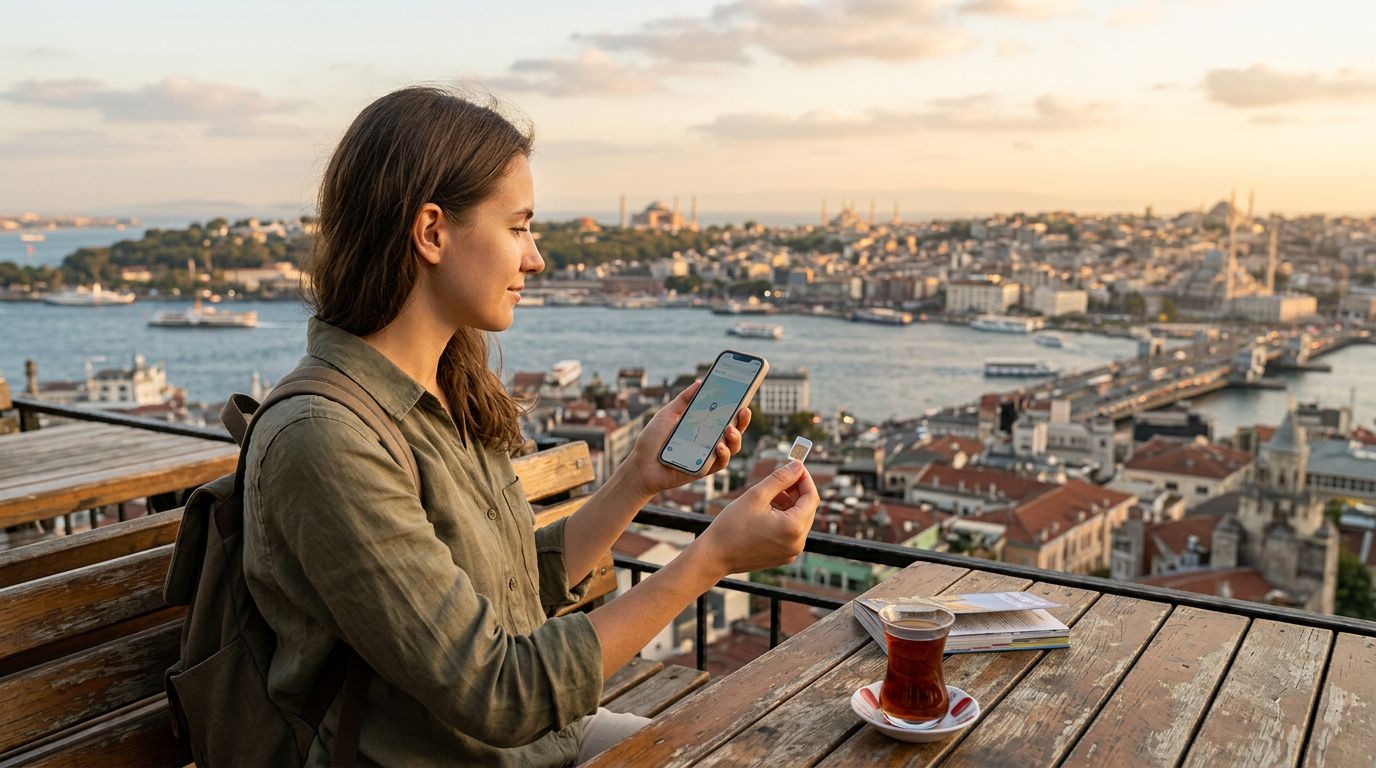
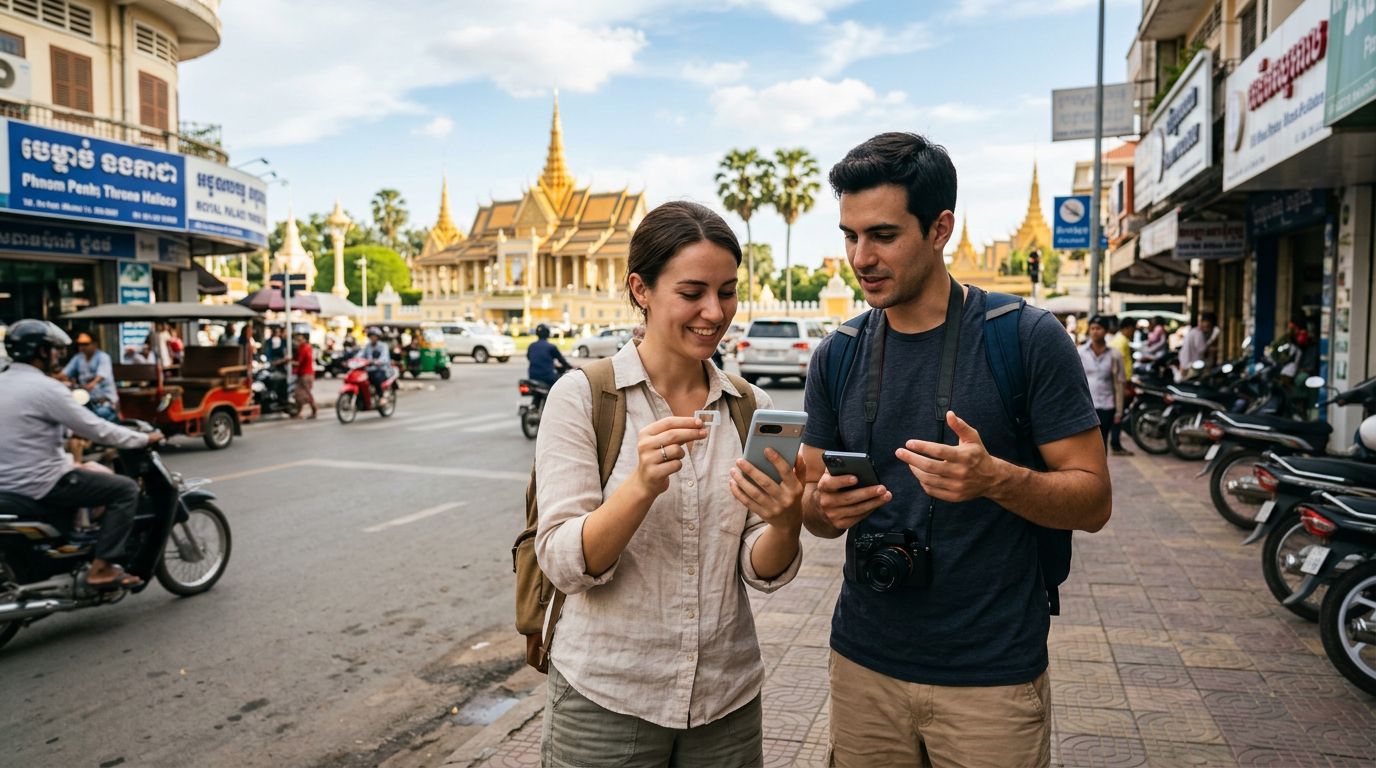
A physical SIM card is the method most travelers have used for decades. It requires you to locate a mobile provider’s retail store, present identification, and manually insert a small plastic chip into your phone. While this method is tried and true, it comes with logistical hurdles. You must keep track of your original SIM card to ensure it does not get lost, and you must find a physical location that is open during your arrival hours.
An eSIM, or embedded SIM, represents a shift in how mobile connectivity is managed. It is a digital version of a SIM card that is downloaded directly to your device. Because it is software-based, there is no need to swap out hardware or visit a kiosk. For many modern travelers, the convenience of activating a connection before the plane even touches down makes the eSIM the preferred choice for a seamless arrival.
Comparing Convenience and Installation
The primary difference between these two options lies in the setup process. If you choose a physical SIM card, your journey to connectivity begins after you land. You will need to find a shop at the airport or in the city center. This often involves waiting in lines, navigating language barriers, and potentially dealing with limited operating hours. Furthermore, you must carry a small tool to open your SIM tray, which is easily misplaced.
In contrast, an eSIM allows you to prepare your device before you leave home. By purchasing your plan online, you receive a digital profile that can be installed on your phone. OneTapSIM simplifies this by providing clear instructions on how to add the data plan to your device settings. Once installed, the eSIM remains dormant until you reach Slovenia, at which point you simply toggle it on in your phone’s cellular settings.
Device compatibility is the one factor you must verify before choosing an eSIM. Most smartphones released in the last few years support this technology, but it is wise to check your specific device settings or the manufacturer’s support pages to ensure your phone is unlocked and eSIM-capable. If your device supports it, the transition from a physical card to a digital one removes the risk of damaging your phone’s internal SIM tray or losing your home SIM card during the swap.
Performance and Reliability for Travelers
When you are traveling through a country as diverse as Slovenia, you need a network that performs well in both urban centers and remote natural areas. Both physical SIM cards and eSIMs generally utilize the same local mobile network infrastructure. The quality of your connection depends more on the underlying carrier agreement than the format of the SIM itself.
However, the management of your data is where the eSIM shines. With a physical SIM, you are often tied to the specific provider whose card you purchased at a store. If you run out of data, you may need to find another shop to top up. With an eSIM provider like OneTapSIM, managing your data usage is integrated into your digital experience. You can monitor your consumption and, if necessary, add more data or switch between profiles without needing to visit a physical storefront.
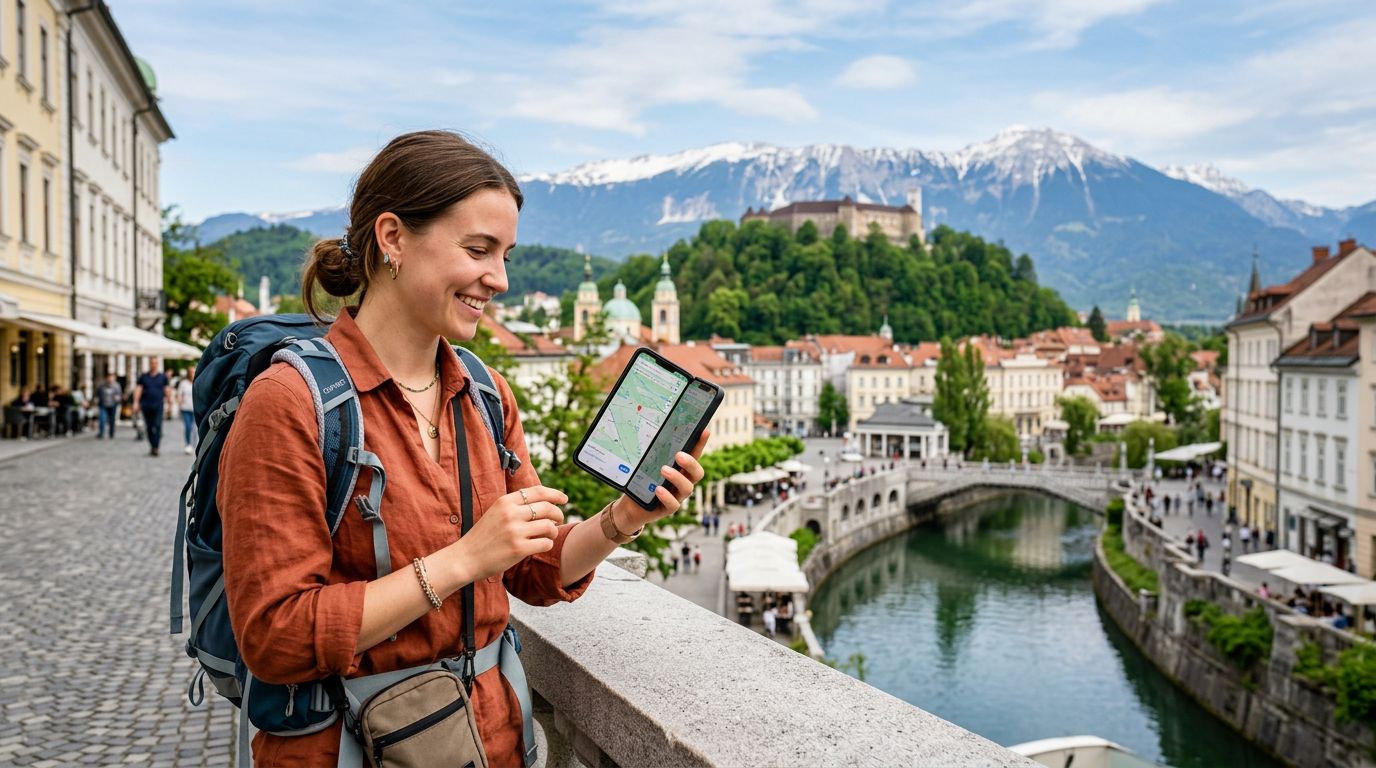
Another advantage of the eSIM is the ability to keep your home number active. Many travelers want to receive important SMS messages—such as bank verifications or flight updates—while using a local data plan. With a physical SIM, you have to remove your home card, effectively cutting off your primary number. With an eSIM, you can often keep both active simultaneously, allowing your phone to use the eSIM for data while your primary SIM handles essential calls or texts. This dual-sim functionality is a major benefit for those who need to stay reachable while exploring the caves of Postojna or the coastal town of Piran.
Making the Final Decision
Choosing between a Slovenia SIM card vs eSIM ultimately comes down to your priorities regarding time and ease of use. If you appreciate traditional methods and do not mind spending time at a kiosk upon arrival, a physical SIM card remains a functional option. It is a tangible item that provides a sense of security for those who are less comfortable with digital configurations.
However, for the modern traveler, the eSIM offers a level of efficiency that physical cards cannot match. By eliminating the need for physical hardware swaps, retail store visits, and the anxiety of losing your home SIM card, you can spend more of your time enjoying the scenery rather than managing your mobile settings.
The flexibility offered by OneTapSIM ensures that you have a reliable data connection the moment you step off the plane. As long as your device is compatible, the digital route provides a smoother, more integrated experience. Whether you are trekking through Triglav National Park or enjoying a coffee in a square in Maribor, having your connectivity sorted in advance allows you to focus on the experience of your trip. Before you depart, verify your phone's compatibility, select a plan that fits your data needs, and enjoy the peace of mind that comes with being connected from the start.