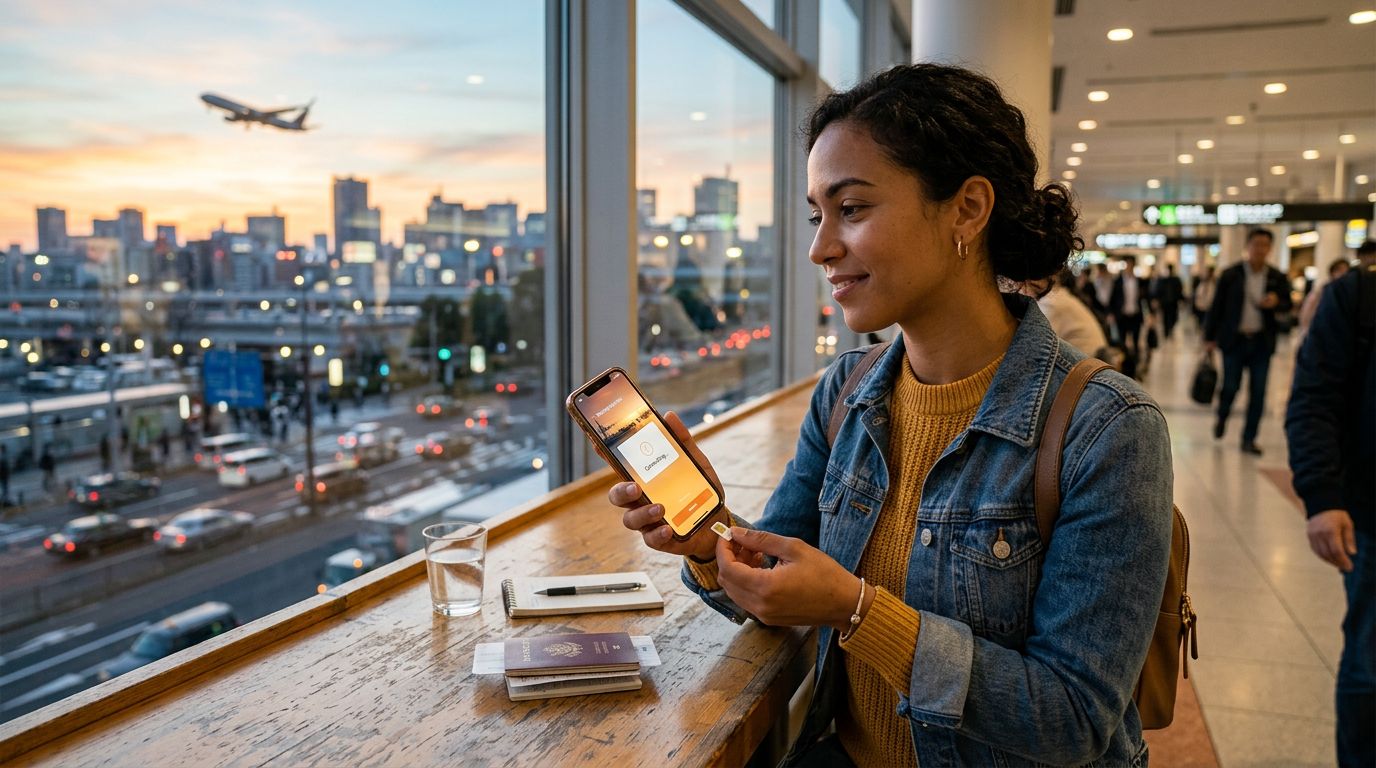
Planning a trip to Ethiopia is an exciting endeavor. Whether you are trekking through the Simien Mountains, exploring the rock-hewn churches of Lalibela, or experiencing the vibrant culture of Addis Ababa, staying connected is essential. For many travelers, the choice between a traditional physical SIM card and a modern eSIM is the first logistical hurdle. Understanding the differences between these two options is key to ensuring you have reliable data throughout your journey.
Understanding the Ethiopia SIM Card Landscape
When you arrive in Ethiopia, the most common way to get connected is by purchasing a local physical SIM card. Ethio Telecom remains the primary service provider in the country. To acquire a physical SIM, you typically need to visit a dedicated shop or a kiosk at Bole International Airport. This process requires presenting your passport, filling out registration forms, and waiting for the activation to be processed by the staff.
The physical SIM card approach has been the standard for decades. It is reliable in the sense that it uses the local network infrastructure directly. However, it comes with several inconveniences for the modern traveler. You must physically swap out your home SIM card, which creates a risk of losing your original chip. You also have to deal with language barriers during the registration process and potentially long queues at the airport, especially after a long-haul flight. Furthermore, if you are visiting multiple countries on your trip, you have to repeat this entire process at every border crossing, which is time-consuming and often frustrating.
The Advantages of Choosing an eSIM for Ethiopia
An eSIM, or embedded SIM, is a digital alternative that removes the need for a physical plastic card. Instead of inserting a chip, you simply scan a QR code or follow a digital installation process to add a cellular plan to your device. This technology has revolutionized travel connectivity because it allows you to prepare for your trip before you even leave home.
One of the primary benefits of using an eSIM in Ethiopia is convenience. You can purchase your plan online, receive the activation details via email, and install the profile while you are still in your home country. As soon as your plane touches down in Addis Ababa, you can switch on your data roaming and be connected instantly. This eliminates the need to hunt for a shop, stand in line, or navigate complex registration paperwork in a foreign language.
Services like OneTapSIM streamline this experience by providing clear, user-friendly instructions for activation. Because the eSIM is stored directly on your phone’s internal chip, you do not have to worry about losing a tiny piece of plastic. Additionally, many modern smartphones allow you to keep your home SIM card active alongside your travel eSIM. This means you can still receive important SMS messages or calls on your primary number while using your eSIM for data. This dual-SIM functionality is a significant advantage for travelers who need to stay reachable for work or family emergencies without incurring exorbitant roaming fees from their home carrier.
Comparing Reliability and Compatibility
Before deciding on your connectivity strategy, you must ensure your device is compatible with eSIM technology. Most modern smartphones released in the last few years support eSIMs, but it is always wise to check your specific model’s settings or manufacturer documentation. If your phone is carrier-locked, you may be unable to use an eSIM, so verifying that your device is unlocked is a critical first step before your departure.
When comparing the two options, consider the nature of your travel itinerary. If you are staying in Ethiopia for an extended period and need a local phone number for frequent local calls, a physical SIM card from a local provider might be necessary. However, for the vast majority of tourists who primarily need data for navigation, social media, translation apps, and messaging, an eSIM is significantly more efficient.
Reliability is another factor. While physical SIM cards are tied to the local carrier's physical distribution, eSIM providers often partner with multiple roaming networks to ensure better coverage. This means that if one tower is congested or down, your device may be able to switch to another available network automatically. This level of flexibility is rarely available with a standard prepaid physical SIM.
Furthermore, managing your data usage is much easier with an eSIM. You can monitor your consumption through your phone’s settings, ensuring you do not run out of data unexpectedly. If you find yourself needing more, you can often purchase a top-up or a new plan through your provider’s website without needing to visit a physical store. This digital-first approach allows you to spend more time enjoying the historic sites of Ethiopia and less time managing your telecommunications logistics.
Ultimately, the choice between a physical Ethiopia SIM card and an eSIM depends on your comfort with technology and your specific needs. If you value efficiency, ease of setup, and the ability to maintain your home number, an eSIM is the superior choice. By opting for a digital solution, you remove the friction of international travel and gain the peace of mind that comes with being connected the moment you arrive. Whether you are wandering through the markets of Harar or observing the unique wildlife in the Rift Valley, having a seamless data connection ensures you can share your experiences and navigate your route with confidence.
Get an eSIM for
Plans for the destinations covered in this guide, with instant QR delivery.