Understanding Connectivity in the Pyrenees
Andorra is a unique destination nestled high in the Pyrenees mountains between France and Spain. Because it sits outside the European Union and the European Economic Area, it does not participate in the "Roam Like at Home" policies that benefit travelers in neighboring countries. This makes connectivity a primary concern for anyone visiting the principality. If you rely on your home carrier's roaming plan, you might find yourself facing unexpected charges or significantly throttled speeds.
When planning your trip, you are faced with a fundamental choice: the traditional physical SIM card or the modern eSIM. Comparing an Andorra SIM card vs eSIM involves looking at convenience, reliability, and the logistical hurdles of traveling to a mountainous region. While physical SIM cards have been the industry standard for decades, the shift toward eSIM technology is transforming how travelers maintain their digital presence abroad.
A physical SIM card requires you to handle a tiny piece of plastic, swap it out of your phone, and keep track of your original card to avoid losing it. An eSIM, by contrast, is a digital SIM embedded directly into your device's hardware. It allows you to download a connectivity profile over Wi-Fi, meaning you can have your connection ready the moment you cross the border into Andorra.
The Pros and Cons of Physical SIM Cards
For many travelers, the physical SIM card is a familiar concept. You arrive at a local shop, present your passport, and purchase a card that provides a local number and data allotment. In Andorra, this usually means visiting a store operated by the national telecommunications provider.
The primary advantage of a physical SIM is its universal compatibility. If you are using an older smartphone that does not support eSIM technology, a physical card is your only option. Furthermore, some travelers feel more comfortable having a tangible object that they can physically remove from their device if they experience technical difficulties.
However, the downsides are significant. First, there is the time cost. You must locate a retail store, wait in line, and complete the registration process. If you arrive late at night or on a weekend, you might find yourself without connectivity until the following business day. Additionally, removing your original SIM card creates the risk of losing it. These cards are small, fragile, and easy to misplace in a hotel room or a backpack. Once lost, recovering your home number or re-inserting your original service becomes a major headache.
Furthermore, physical SIM cards are not environmentally friendly, contributing to plastic waste. They also require you to open your phone’s SIM tray, which can be difficult without the proper tool, especially while traveling.
The Advantages of eSIM Technology
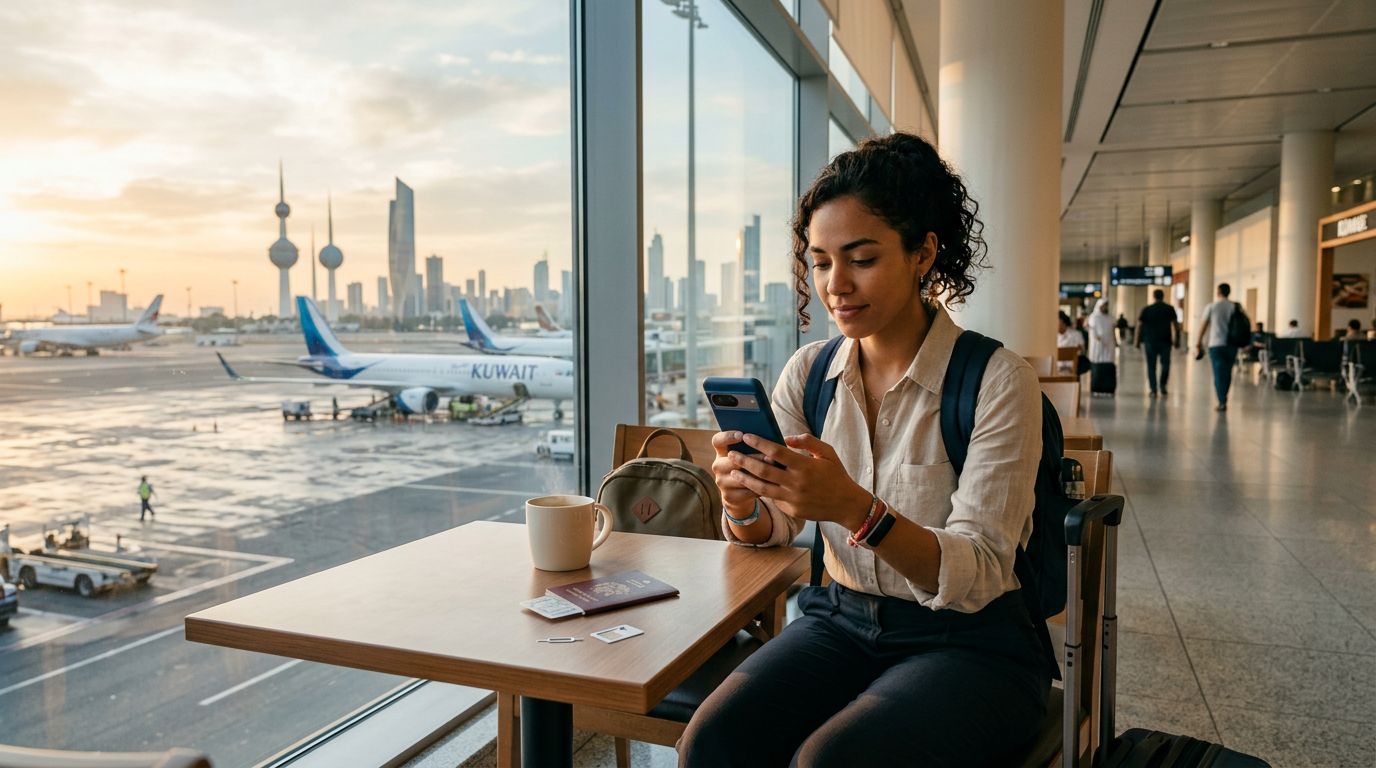
The eSIM has emerged as the preferred solution for modern travelers, particularly those visiting small or unique destinations like Andorra. Because an eSIM is entirely digital, you can set up your connection before you even leave home. By choosing a provider like OneTapSIM, you can purchase and install your data plan while sitting in your living room or at the airport.
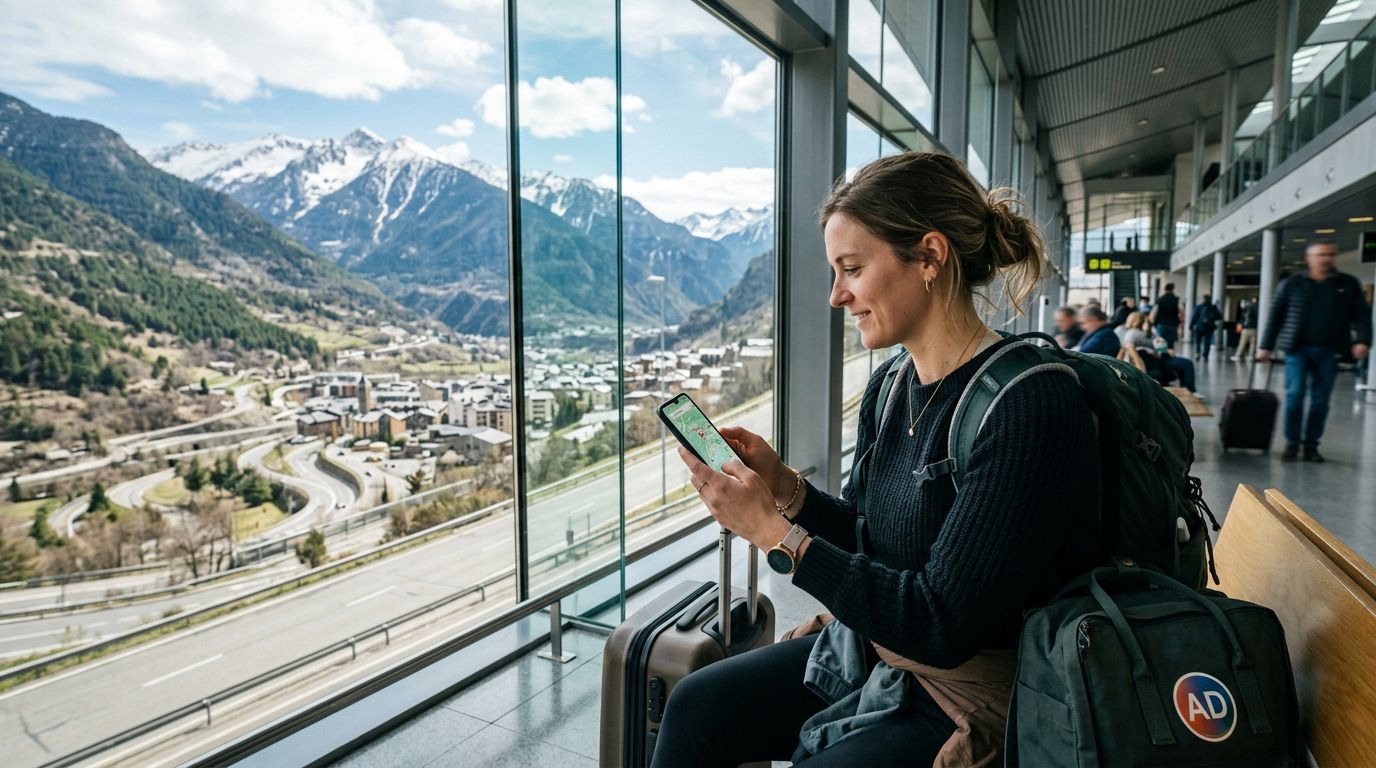
The most significant benefit is the seamless transition. Once you land in Andorra, you simply toggle your eSIM profile to "on" in your device settings. There is no need to visit a shop, speak to a clerk, or deal with language barriers during the setup process. This is particularly valuable in Andorra, where the geography and specific roaming regulations can make finding a reliable local store during transit difficult.
Another major advantage is the ability to keep your home SIM active for calls or SMS while using the eSIM for data. Most modern smartphones allow you to run two SIMs simultaneously. By keeping your primary SIM active, you ensure that you don't miss important calls or verification codes from your bank, while the eSIM handles all your data-intensive tasks like navigation, social media, and searching for mountain trails.
Compatibility is the only real barrier to entry. Before choosing this route, you should verify that your smartphone is unlocked and supports eSIM functionality. Most high-end devices released in the last few years are fully compatible, but it is always wise to check your device settings or the manufacturer's support pages to confirm.
Making the Final Decision for Your Trip
When evaluating an Andorra SIM card vs eSIM, consider the nature of your trip. If you are visiting for a short weekend of skiing or hiking, the efficiency of an eSIM is hard to beat. You want to spend your time exploring the slopes or the streets of Andorra la Vella, not standing in a telecommunications office waiting for a physical card to be activated.
The reliability of digital connectivity has improved drastically. Services like OneTapSIM provide clear instructions on how to manage your data profiles, ensuring that you have a stable connection throughout your stay. Because these services are designed specifically for travelers, they are optimized for the types of roaming agreements necessary to maintain high-speed access in the Pyrenees.
If you are a frequent traveler, the eSIM offers an additional layer of convenience. You can store multiple profiles on your device and switch between them as you move across borders. This eliminates the need to buy a new physical card every time you visit a new country. Once you have used an eSIM, the process of swapping plastic cards often feels archaic and unnecessary.
Ultimately, the choice comes down to your device capabilities and your tolerance for logistics. If your phone supports it, the eSIM is the superior choice for convenience, security, and speed. It allows you to arrive in Andorra prepared, connected, and ready to enjoy your journey without the stress of managing hardware. If you prioritize simplicity and want to avoid the risks associated with handling small physical cards, the digital route is the clear winner for your next mountain getaway. By planning ahead and installing your profile before departure, you ensure that your digital life remains as mobile as you are.
Get an eSIM for
Plans for the destinations covered in this guide, with instant QR delivery.