Understanding Your Connectivity Options in Liberia
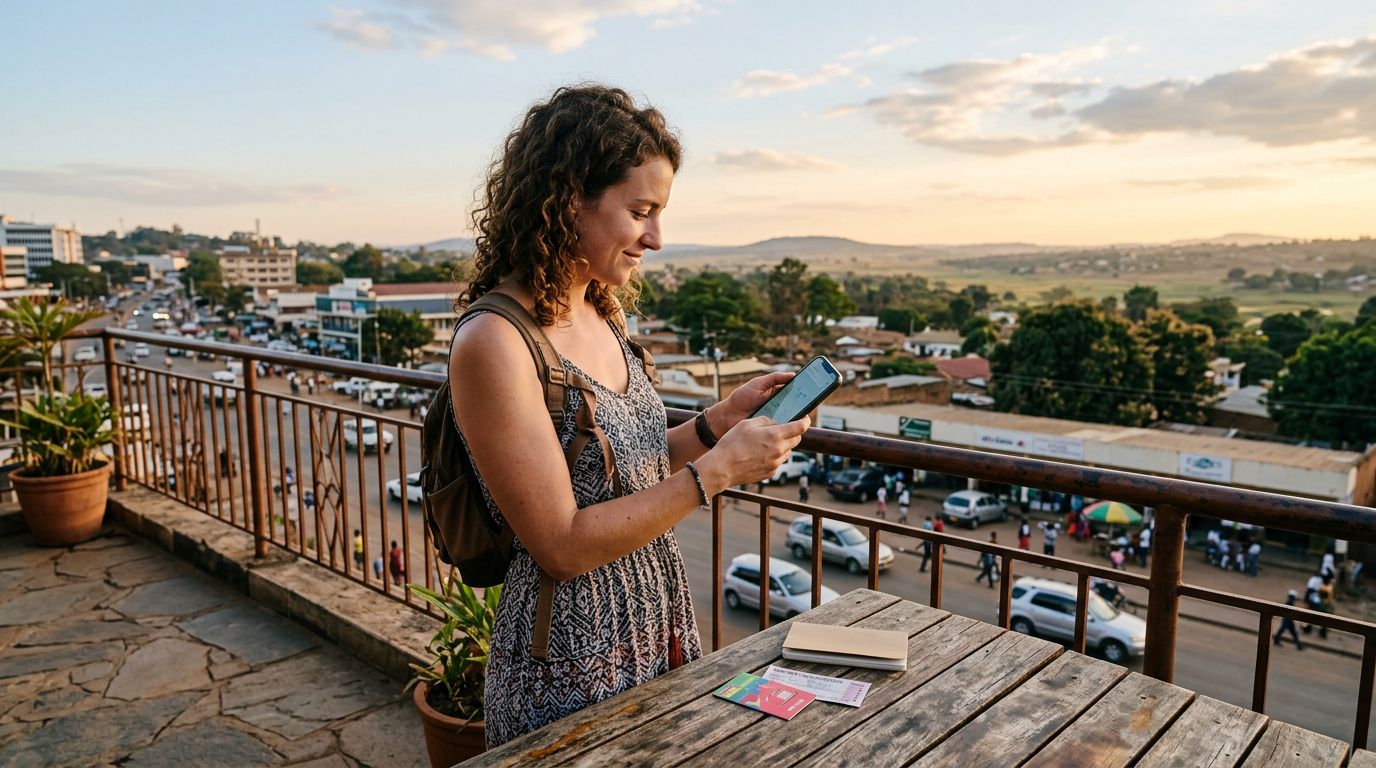
Planning a trip to Liberia involves managing various logistics, and staying connected is often at the top of the priority list. Whether you are traveling for business in Monrovia or exploring the beautiful coastline near Robertsport, having a reliable internet connection is essential for navigation, communication, and managing your travel documents. When deciding between a traditional physical SIM card and a modern eSIM, it is important to weigh the convenience, reliability, and technical requirements of each.
A physical SIM card is the traditional method most travelers are familiar with. You purchase a small plastic chip, insert it into your phone’s SIM tray, and your device connects to the local network. In Liberia, this often involves visiting a local carrier’s store, presenting your identification, and waiting for the card to be activated. While this method is time-tested, it requires physical handling of your device and the potential loss of your home SIM card if you are not careful.
An eSIM, or embedded SIM, is a digital alternative that eliminates the need for a physical card. Instead of swapping hardware, you activate a data plan by scanning a QR code or installing a profile directly onto your device’s internal chip. This technology has gained significant traction because it allows travelers to maintain their home number for calls and texts while using a separate data plan for mobile internet. For those visiting Liberia, the transition toward eSIM technology offers a streamlined experience that avoids the typical queues at airport kiosks or local mobile shops.
The Practical Differences Between Physical SIMs and eSIMs
The primary distinction between a physical SIM and an eSIM lies in the installation process. With a physical SIM card in Liberia, you are tethered to the operating hours of local mobile providers. If your flight arrives late at night or you land on a public holiday, you might find yourself without connectivity until the next business day. Furthermore, the process of registering a physical SIM card often requires manual data entry by a shop clerk, which can lead to delays or errors in service activation.
In contrast, an eSIM provides a level of autonomy that is particularly beneficial for international travel. You can acquire your data plan before you even leave your home country. Once you land in Liberia, you simply toggle your settings to switch to the eSIM data profile, and your device connects to the local network automatically. This removes the stress of finding a shop, dealing with language barriers, or managing small plastic cards that are easily misplaced.
Compatibility is another factor to consider. Most modern smartphones support eSIM functionality, but it is always wise to verify your device’s capabilities before your trip. If you are using an older model, a physical SIM might be your only option. However, for those with newer devices, the eSIM offers a cleaner user interface. You can manage multiple profiles on your phone, making it easy to switch between your home network and your travel data plan without physically opening your phone’s tray. Using a service like OneTapSIM allows you to handle this transition smoothly, ensuring that your data connection is ready the moment you step off the plane.
Why Travelers Choose eSIMs for West African Journeys
Traveling through West Africa can be unpredictable, and having a reliable, pre-configured connectivity solution provides peace of mind. When you rely on a physical SIM card, you are essentially at the mercy of the local network provider’s stock and service availability. If the local shop is out of stock or experiencing technical difficulties with their registration system, your plans for the day can be significantly disrupted.
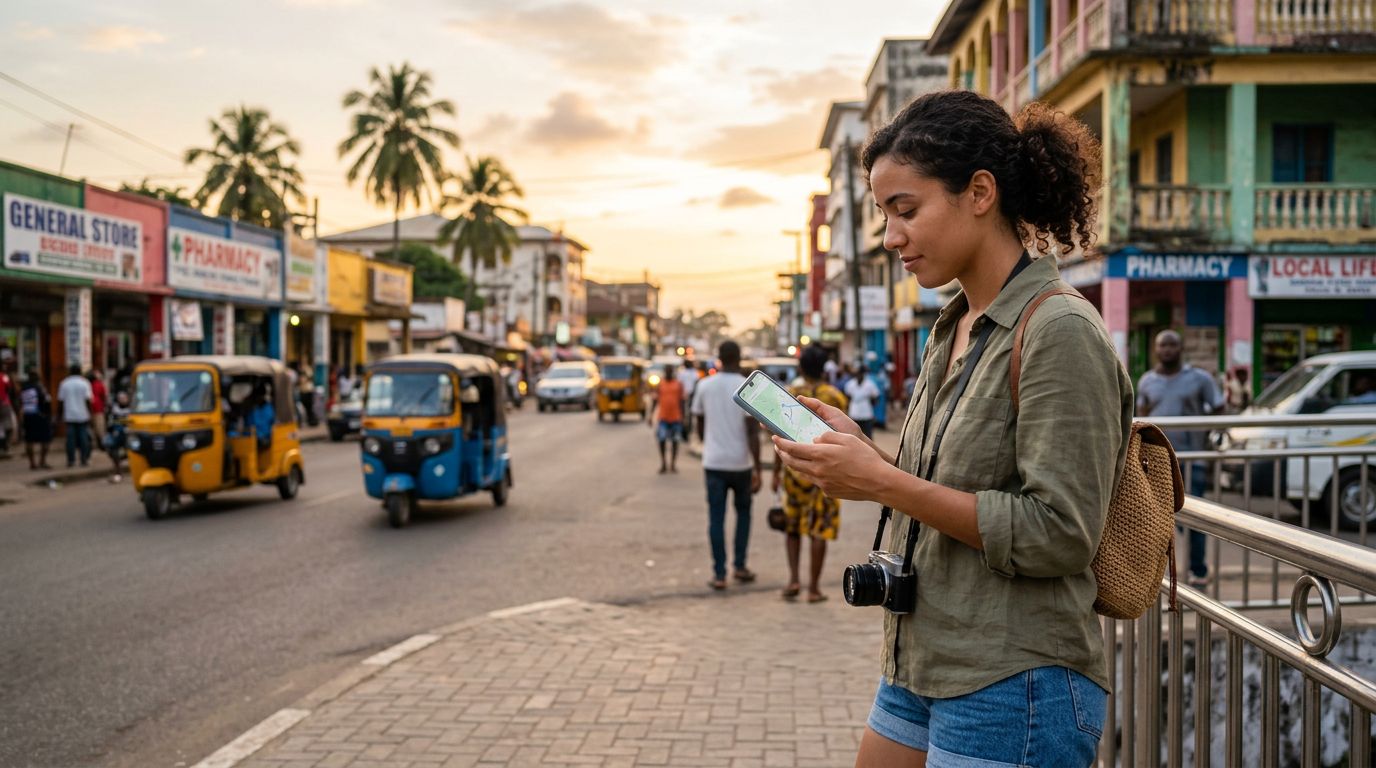
eSIM technology effectively bypasses these local retail hurdles. By utilizing a global connectivity provider, you gain access to local networks without needing to engage in the local retail process. This is particularly advantageous for business travelers who need to attend meetings immediately upon arrival or tourists who want to use ride-sharing apps or digital maps as soon as they exit the airport.
Another benefit of the eSIM approach is the ability to monitor your data usage directly through your phone’s settings. You can see exactly how much data you have consumed and manage your usage to ensure you stay connected throughout your entire trip. If you find yourself needing more data, you can often top up your plan remotely rather than returning to a physical store.
When you choose a solution like OneTapSIM, you are opting for a simplified setup that prioritizes efficiency. By removing the need to swap physical hardware, you reduce the risk of damaging your phone’s SIM tray or losing your original SIM card. This is especially important for travelers visiting multiple destinations, as you can store multiple eSIM profiles on your device and switch between them as you cross borders.
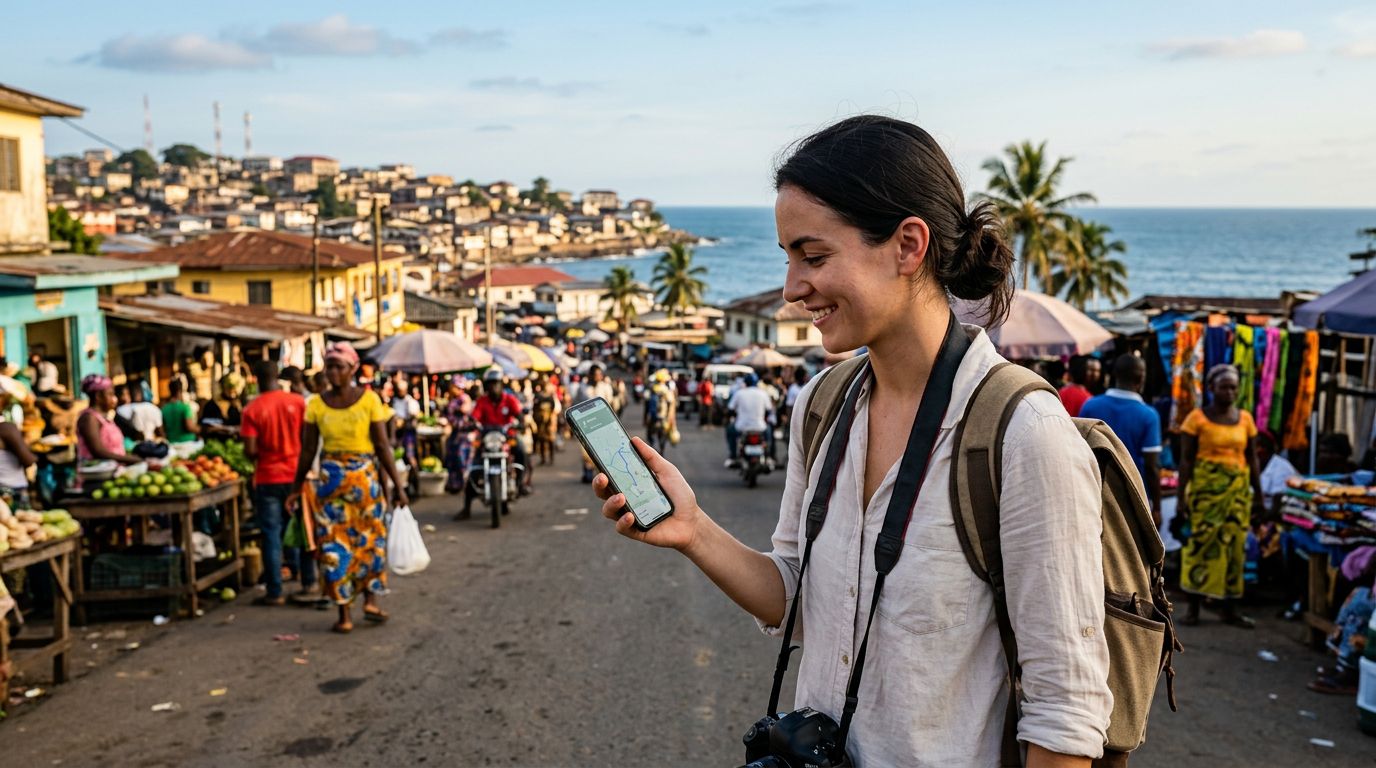
Ultimately, the choice between a physical SIM card and an eSIM in Liberia comes down to your preference for convenience versus tradition. While physical SIM cards remain a functional backup, the digital nature of eSIMs aligns with the needs of the modern traveler who values time, security, and ease of use. By preparing your connectivity in advance, you can focus on the experiences that make a trip to Liberia memorable, rather than worrying about the logistics of staying online. Whether you are navigating the markets of Monrovia or enjoying the surf, having a seamless data connection ensures you are always prepared for whatever your itinerary brings.
Get an eSIM for
Plans for the destinations covered in this guide, with instant QR delivery.