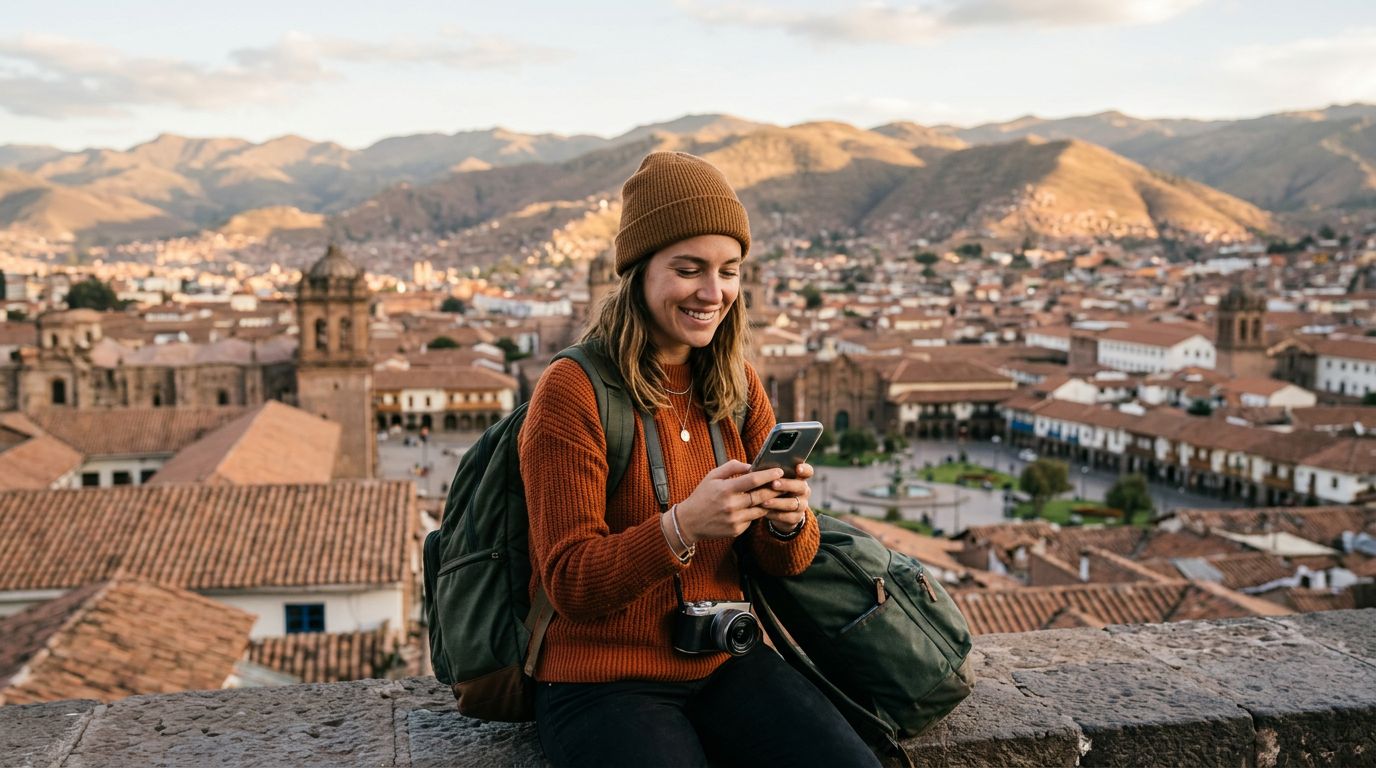
Understanding Your Connectivity Needs in Slovenia
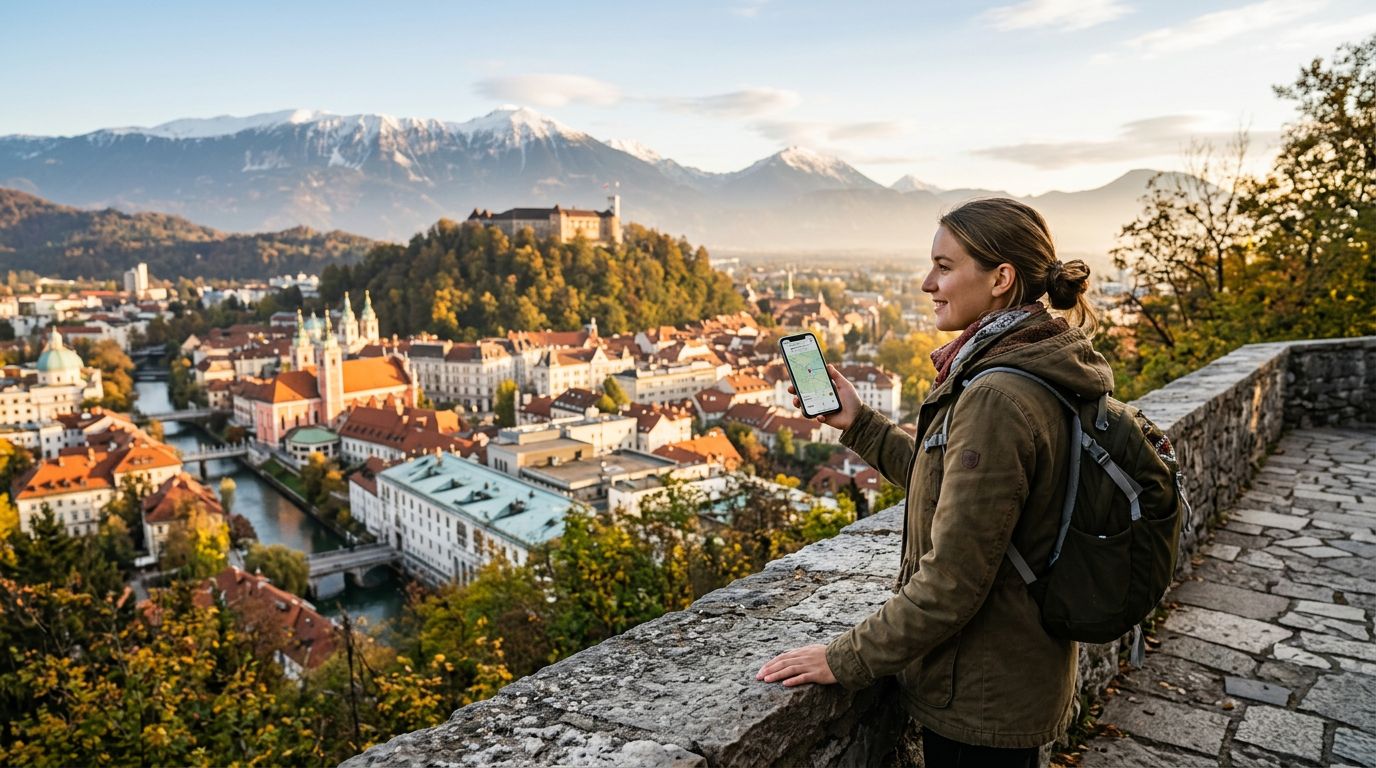
Slovenia is a country that rewards exploration. From the emerald waters of the Soča Valley to the historic streets of Ljubljana and the dramatic peaks of the Julian Alps, there is a lot to see. Staying connected is essential for checking bus schedules, translating menus, finding hiking trails, and sharing your travel experiences with friends and family back home.
When you arrive in a new country, your primary goal is to minimize friction. You want a solution that works the moment you land, without requiring you to hunt for a physical store or wait in line at the airport. Many travelers find that roaming with their home carrier is the simplest option, but it is often the most expensive. Relying solely on hotel or cafe Wi-Fi can be incredibly limiting, especially if you plan on renting a car or hiking in remote areas where public hotspots are non-existent.
The best way to get data in Slovenia is to use a method that offers both reliability and convenience. For most modern travelers, the answer lies in eSIM technology. By opting for a digital SIM, you avoid the hassle of swapping out your physical card and potentially losing it. You can manage your connection entirely through your smartphone settings, ensuring you have access to high-speed data as soon as you cross the border.
The Advantages of eSIM Technology for Travelers
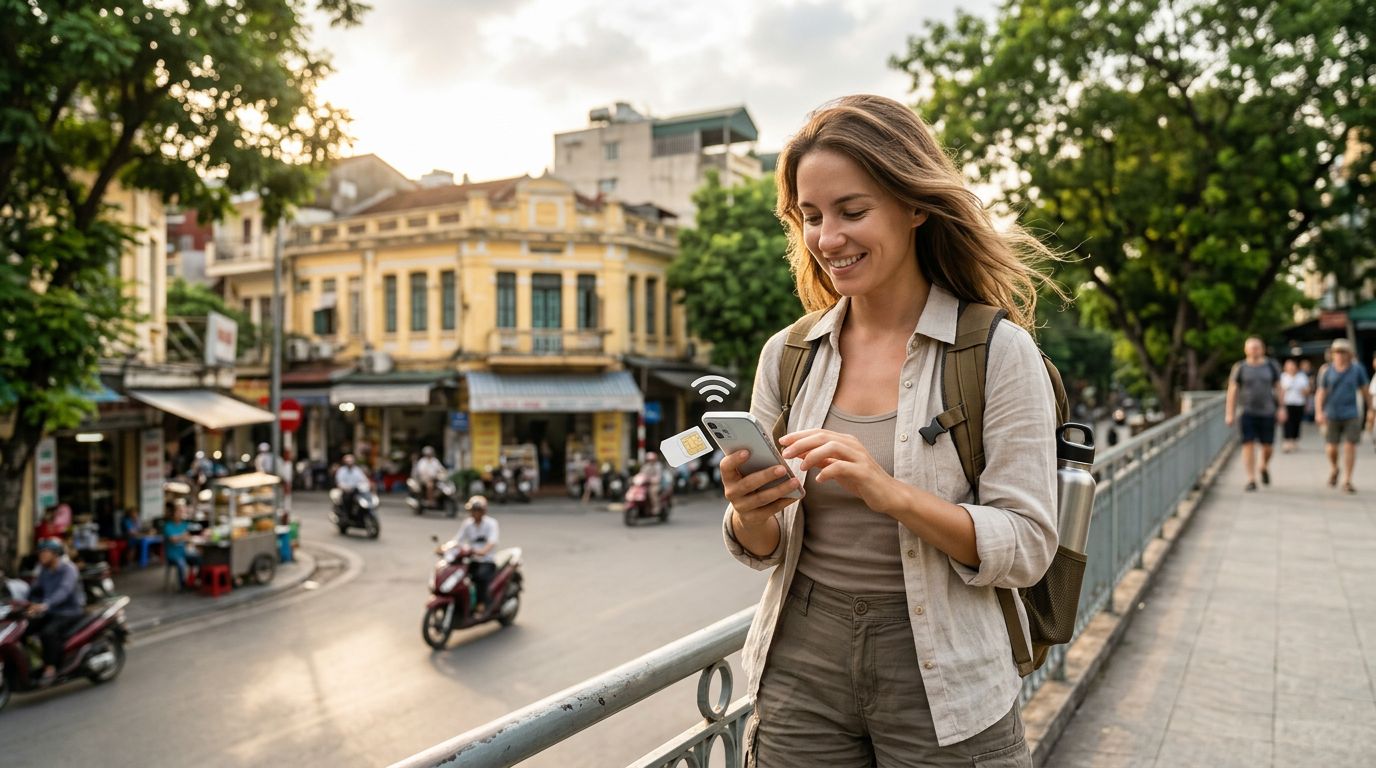
An eSIM, or embedded SIM, is a digital version of the traditional plastic SIM card. It is built directly into the hardware of modern smartphones. Because it is digital, you do not need to visit a kiosk or wait for a package to arrive in the mail. You simply download a profile, activate it, and you are ready to go.
One of the greatest benefits of using an eSIM is the ability to keep your primary phone number active while using a separate data plan. This is particularly useful for travelers who need to receive important text messages or calls from home, such as two-factor authentication codes or urgent work notifications, while simultaneously using a local data plan for navigation and web browsing.
Compatibility is rarely an issue for those with newer devices. Most smartphones released in the last few years support this technology. If you are unsure whether your phone is capable, you can check your device settings or consult the manufacturer's support pages. Once you confirm compatibility, the setup process is straightforward. You will receive a QR code or an activation link, and after a few taps on your screen, your phone will recognize the new network.
OneTapSIM provides a seamless experience for those looking to stay connected without the stress of managing physical hardware. By choosing a digital solution, you gain the freedom to switch between networks or add more data on the fly if your usage patterns change during your trip. This flexibility is vital when you are moving between cities and rural landscapes, where network coverage can vary.
Tips for Managing Your Data Usage Abroad
Even with a reliable data plan, it is wise to manage your consumption to ensure you have enough coverage for the duration of your trip. Slovenia has excellent network infrastructure, but streaming high-definition video or downloading large files on cellular data will deplete your allowance quickly.
Start by adjusting your phone settings before you leave. Many smartphones have features that allow you to restrict background data usage for specific apps. For instance, you might want to prevent social media apps or cloud storage services from syncing photos and videos until you are connected to a stable Wi-Fi network. This simple change can save a significant amount of data.
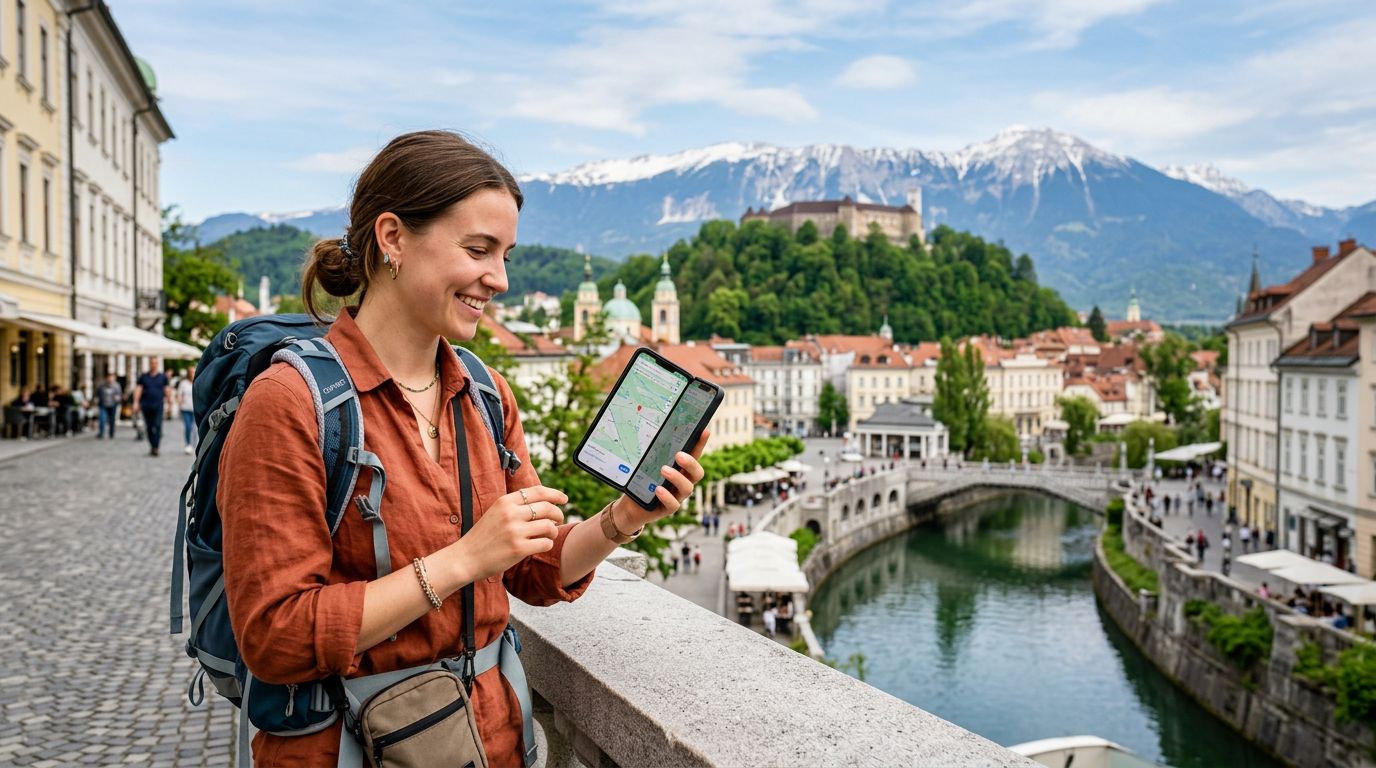
Another helpful tip is to download offline maps. Before heading out for a day of exploration, use a mapping service to download the area you plan to visit. This ensures that you can always find your way back to your hotel or locate the next bus stop, even if you find yourself in a spot with a weak signal. Similarly, if you use a music streaming service, download your playlists while you are on Wi-Fi so you can enjoy your favorite songs without using cellular data while traveling between destinations.
If you find that you are running low on data, most eSIM providers allow you to monitor your usage through an app or a web portal. This transparency helps you avoid surprise charges or sudden connectivity losses. If you are using a service like OneTapSIM, you can easily review your plan details and usage, allowing you to focus on enjoying the beauty of Lake Bled or the charm of Piran rather than worrying about your remaining gigabytes.
Ultimately, the best way to get data in Slovenia is to prepare ahead of time. By setting up your eSIM before you depart, you ensure that your phone is ready to function the moment you touch down. You will be able to navigate the airport, call a ride, or look up your accommodation address without needing to connect to public Wi-Fi. This proactive approach turns your phone into a reliable travel companion, giving you the confidence to explore every corner of the country at your own pace. With the right digital tools in your pocket, you can spend less time troubleshooting connectivity issues and more time experiencing everything that Slovenia has to offer.