Understanding Connectivity Challenges in Peru
Peru is a country of immense geographic diversity, ranging from the arid coastal deserts and the bustling urban sprawl of Lima to the high-altitude peaks of the Andes and the dense foliage of the Amazon rainforest. For travelers, this terrain presents a unique set of challenges when it comes to staying connected. Whether you are trying to pull up a map while wandering through the historic streets of Cusco, checking train schedules for Machu Picchu, or uploading photos from a remote hiking trail, having reliable internet access is essential.
Many travelers arrive in Peru assuming they can simply rely on public Wi-Fi or their home carrier’s international roaming plan. However, relying on public Wi-Fi in cafes or hotels can be risky due to security concerns, and it is often unavailable when you are on the move between cities. International roaming through your home provider is frequently the most expensive option and often comes with strict data caps or throttled speeds that make navigation and communication difficult.
The best way to get data in Peru is to choose a method that offers flexibility, security, and consistent coverage without requiring you to visit a local store or swap out your physical SIM card. Modern technology has shifted the landscape of international travel, making it easier than ever to remain connected from the moment your plane touches down.
Comparing Your Options for Mobile Data
When planning your trip, you will encounter several ways to secure mobile data. Each has its own set of trade-offs regarding convenience, cost, and technical requirements.
Local physical SIM cards have long been the standard solution. You arrive at the airport or find a local kiosk, purchase a card, and insert it into your phone. While this provides a local number and local rates, it requires you to physically remove your original SIM card, which you then have to keep track of throughout your trip. If you lose your home SIM card, you may face significant hurdles upon returning home. Furthermore, setting up a local SIM often involves language barriers and the need to register your passport or identification at a physical storefront, which can consume valuable vacation time.
Another option is portable Wi-Fi hotspots. These devices act as a bridge between your phone and local cellular networks. While they can support multiple devices, they are another piece of hardware that you must carry, charge, and protect from theft or damage. You are also responsible for the return of the device, which adds a layer of logistical stress to your departure.
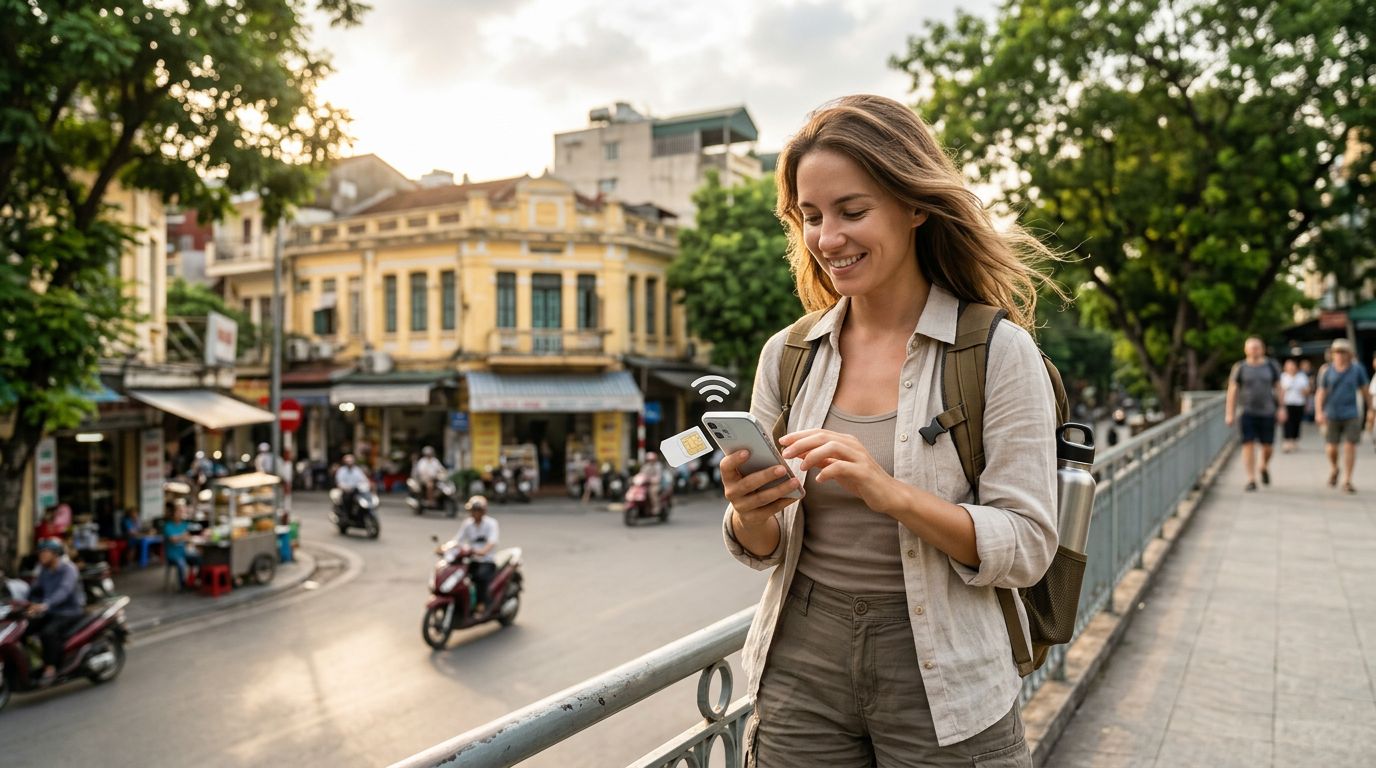
Digital eSIM technology has emerged as the modern alternative to these traditional methods. An eSIM is a virtual SIM card embedded directly into the hardware of your device. It allows you to download a data plan over the internet and activate it instantly. Because it is digital, there is no physical card to swap or lose. You can keep your primary SIM active for essential calls or texts while using the eSIM specifically for data, ensuring you are never disconnected from your home contacts while enjoying local connectivity. OneTapSIM provides a streamlined way to manage this, allowing you to activate your plan before you even leave home.
Why eSIM is the Preferred Choice for Peru
The primary advantage of using an eSIM for your Peruvian adventure is the seamless transition it offers. Because you can set up your data plan before you arrive, you avoid the frustration of searching for a mobile provider kiosk at the airport after a long flight. As soon as you land, your phone connects to the local network, allowing you to call an rideshare, check your hotel address, or message your family without missing a beat.
Compatibility is rarely an issue for modern travelers, as most smartphones manufactured in recent years support eSIM functionality. You can easily check if your device is compatible by visiting the settings menu on your phone or consulting the manufacturer’s support documentation. This technology is designed to work alongside your existing setup, meaning you do not have to deactivate your home phone number. You can simply toggle between your primary line and your data-only eSIM in your phone’s cellular settings.
Reliability is another major factor. Peru’s major network providers have invested heavily in infrastructure to cover popular tourist hubs and major transit routes. By using a reputable eSIM service like OneTapSIM, you gain access to these established networks without the hassle of navigating local contracts. You get the quality of local coverage with the convenience of a global service.
Beyond convenience, security is a significant benefit. Using a dedicated data plan through an eSIM is inherently more secure than connecting to open, unsecured public Wi-Fi networks. When you use your own private data connection, you reduce the risk of unauthorized access to your personal information, banking apps, and emails.
Finally, the flexibility of eSIMs allows you to manage your data usage effectively. If you find that your itinerary changes—perhaps you decide to extend your stay in the Sacred Valley or take an extra excursion into the Amazon—you can often manage your data needs digitally. This level of control ensures that you are only paying for the connectivity you need, rather than being locked into a long-term plan or a bulky hardware contract. For the modern traveler, having a reliable connection is not just about convenience; it is about safety and the ability to navigate a foreign country with confidence. By choosing an eSIM, you remove the barriers to staying connected, allowing you to focus on the wonders of Peru rather than the logistics of your mobile service.
Get an eSIM for
Plans for the destinations covered in this guide, with instant QR delivery.