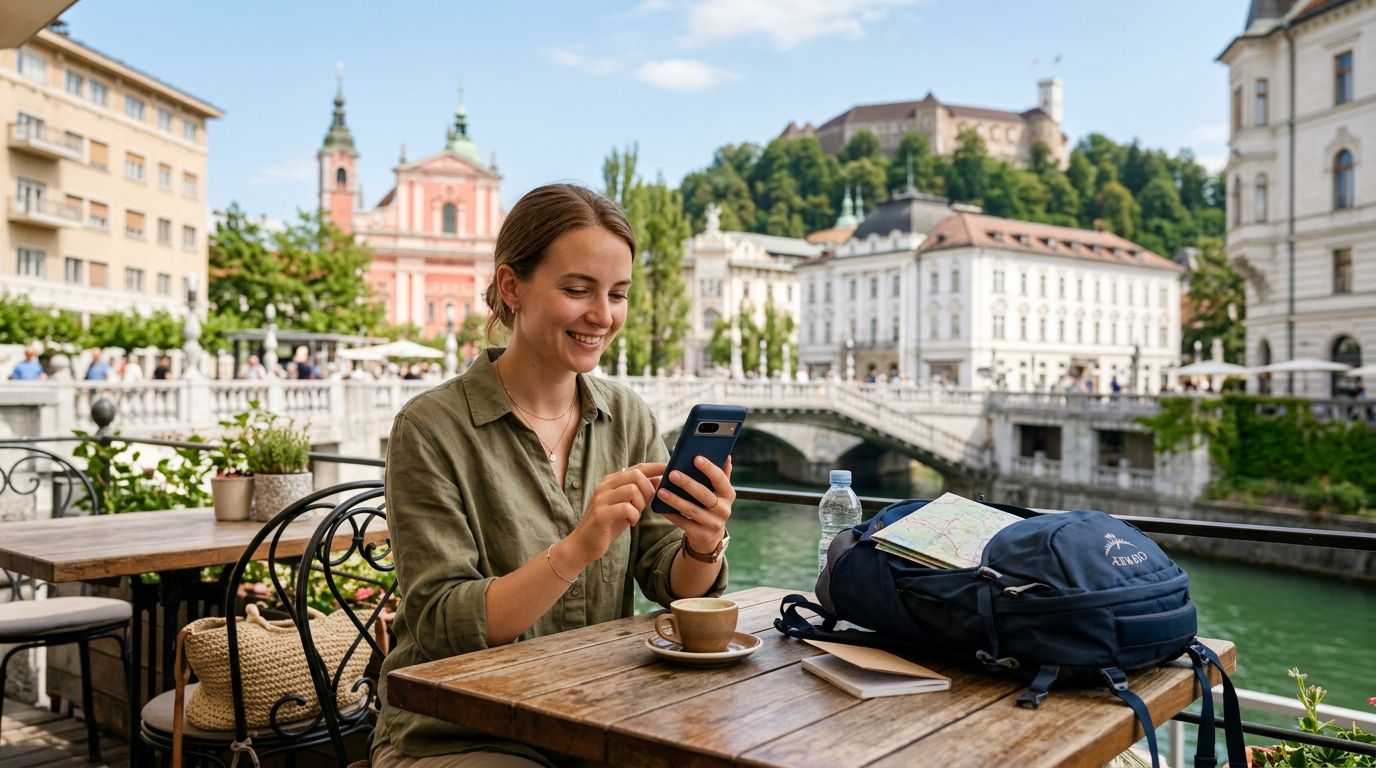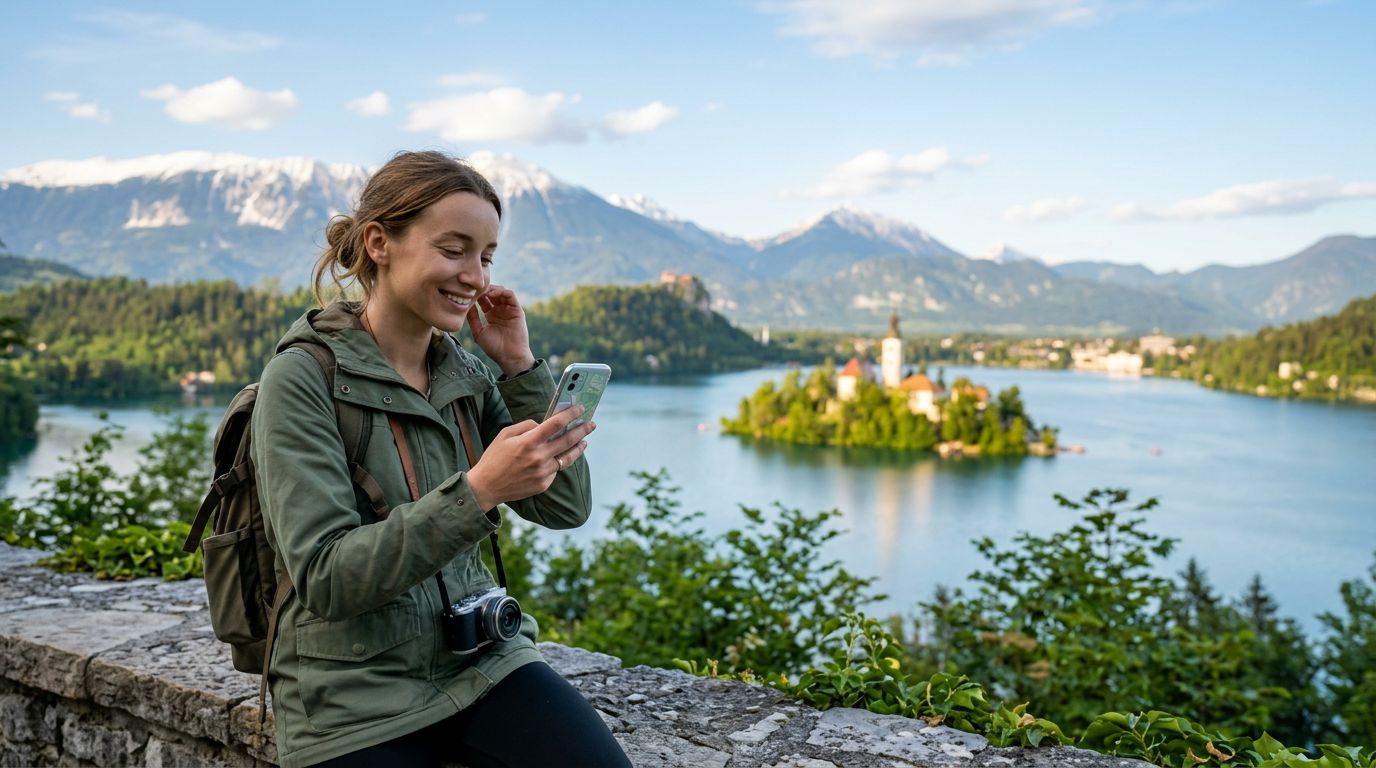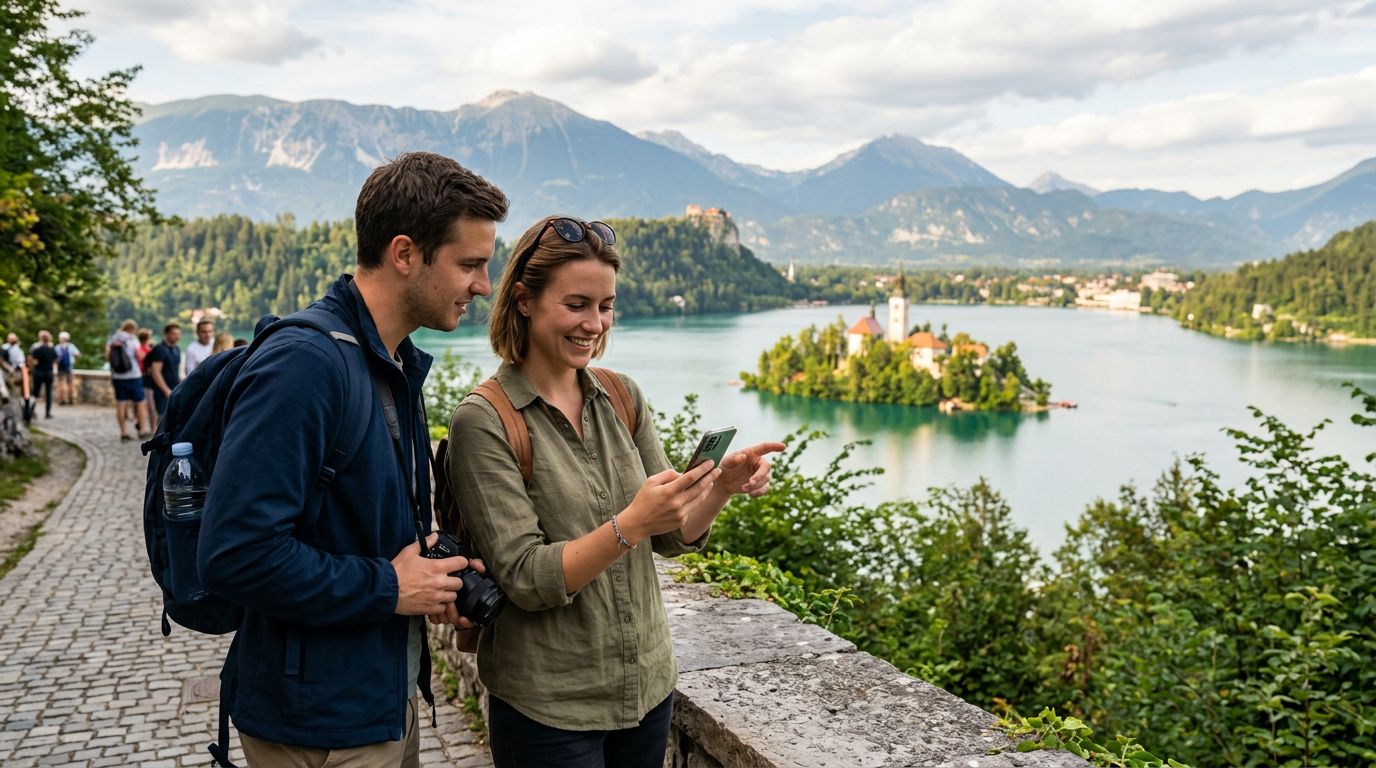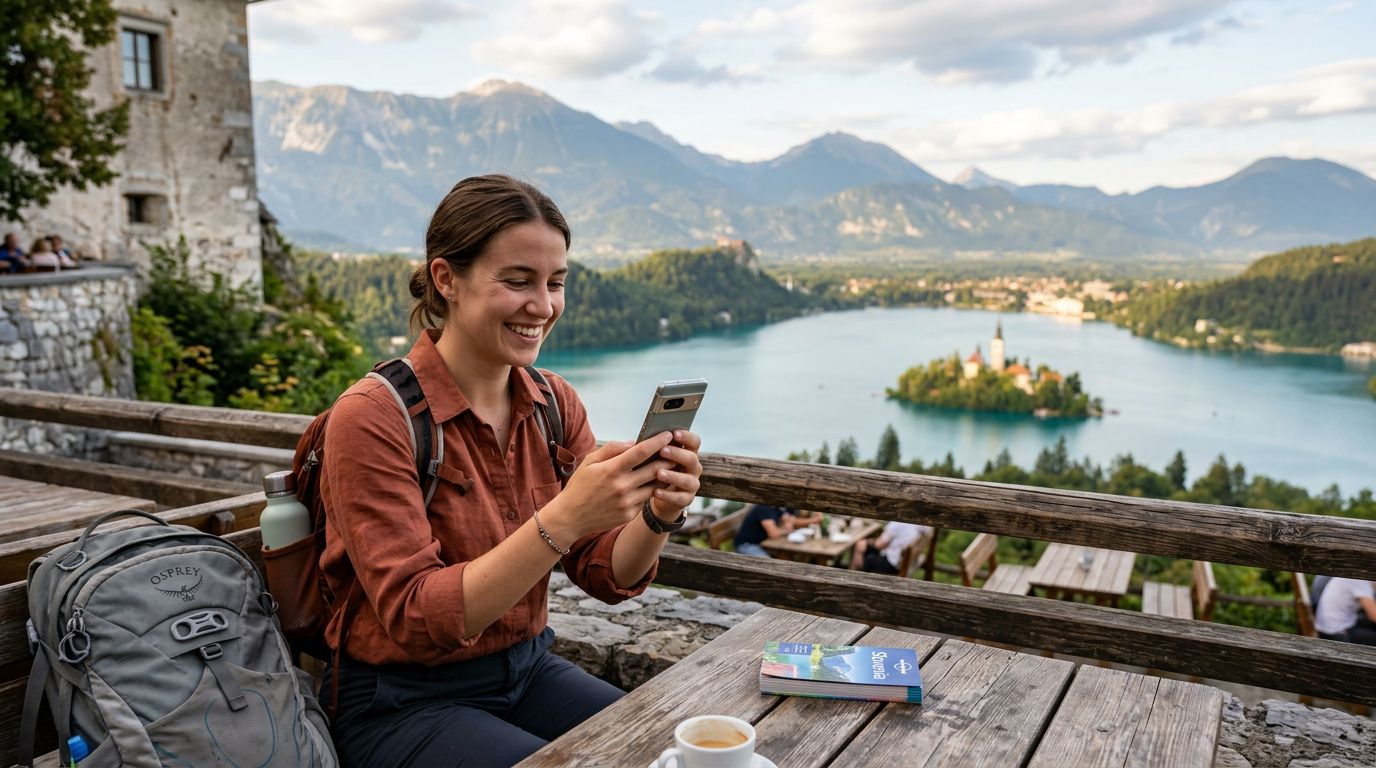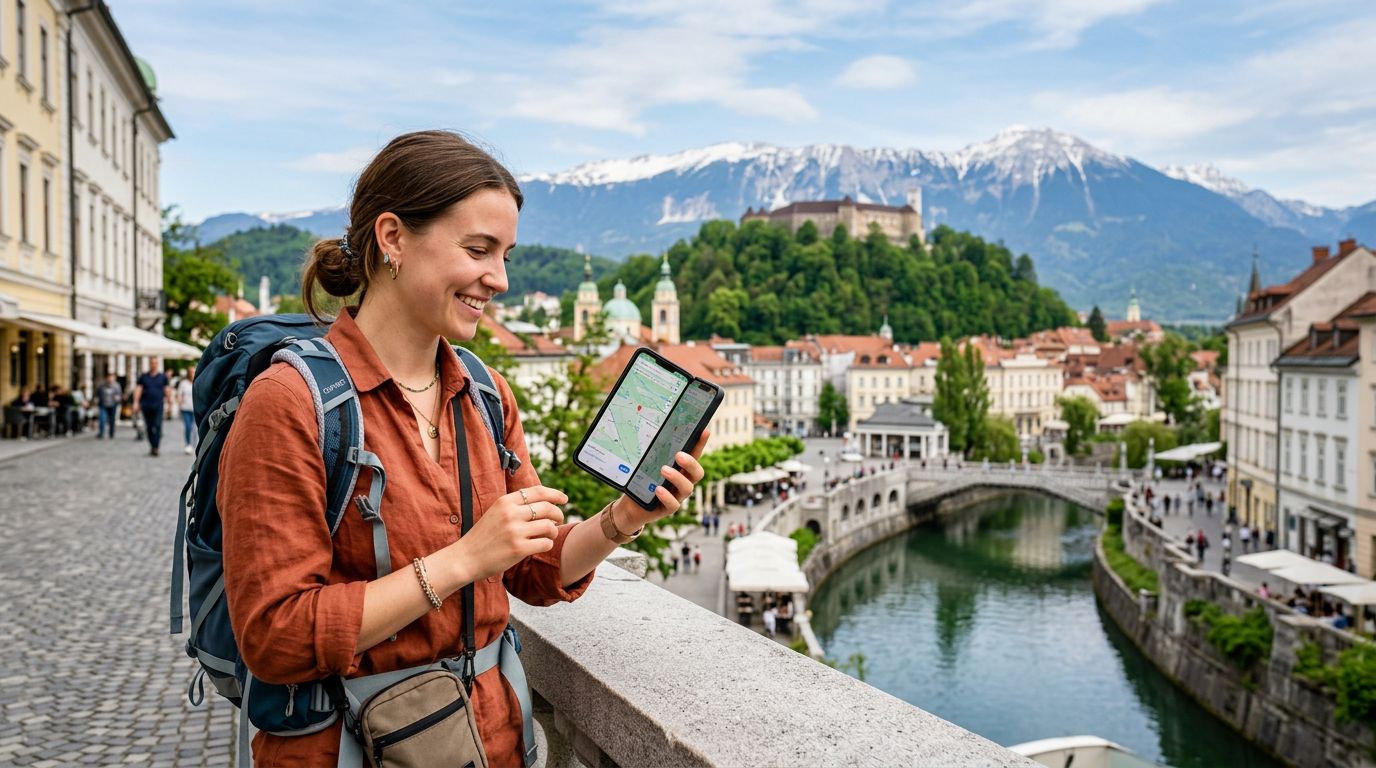
Slovenia is a hidden gem in the heart of Europe, offering everything from the emerald waters of the Soča River to the rugged peaks of the Julian Alps and the charming, cafe-lined streets of Ljubljana. Whether you are planning to hike through Triglav National Park or explore the historic caves of Postojna, having reliable internet access is essential. It allows you to use navigation apps, check real-time bus schedules, translate menus, and share your favorite travel moments with friends and family. Finding the best way to get data in Slovenia can be a daunting task if you are unfamiliar with local options, but modern technology has made staying connected simpler than ever.
Understanding Your Connectivity Options
When arriving in a foreign country, travelers are often faced with three primary choices for mobile data: roaming with their home provider, purchasing a physical local SIM card, or utilizing an eSIM.
International roaming is often the most convenient option because it requires no setup. You simply land, turn on your phone, and your home carrier connects to a local network. However, this convenience frequently comes with significant drawbacks. Many home carriers apply strict data caps, throttle your speeds after a certain amount of usage, or charge exorbitant daily fees for the privilege of using your own plan abroad. Before you leave home, it is wise to check your carrier’s specific policies, but for most travelers, roaming is rarely the most cost-effective or high-performance choice.
Physical local SIM cards have long been the standard for international travelers. By visiting a kiosk or a mobile operator’s store upon arrival, you can purchase a prepaid card that provides a local phone number and a set amount of data. While this ensures you are paying local rates, it involves several logistical hurdles. You must find a store that is open, provide identification, and physically swap out your home SIM card. This process risks losing your original SIM card, and it leaves you without service until you successfully complete the installation and activation process.
The evolution of mobile technology has introduced the eSIM, which is increasingly becoming the preferred method for modern travelers. An eSIM is a digital version of a traditional SIM card that is embedded directly into your device’s hardware. Because it is software-based, you do not need to visit a physical store or handle tiny plastic cards. You can manage your connection entirely through your phone’s settings, making it the most efficient way to stay online while traversing the beautiful Slovenian landscape.
Why eSIMs Are the Superior Choice for Slovenia
The primary advantage of using an eSIM is the seamless transition it provides. With a service like OneTapSIM, you can purchase and activate your data plan before you even board your flight. As soon as your plane touches down at Ljubljana Jože Pučnik Airport, you can switch to your eSIM profile and have immediate access to high-speed data. This eliminates the stress of searching for a mobile shop or dealing with language barriers at a service desk when you are tired from a long journey.
Furthermore, eSIMs are incredibly flexible. Many modern smartphones allow you to keep your home SIM active for calls and texts while using your eSIM exclusively for data. This means you can stay reachable on your primary number for urgent matters, such as bank alerts or calls from family, while simultaneously enjoying the benefits of a local-style data connection. You will not have to worry about missing important notifications or the hassle of juggling two physical cards in a single tray.
Security is another significant factor to consider. When you rely on public Wi-Fi networks in cafes, hotels, or airports, you expose your device to potential security risks. Public networks are often unsecured, making it easier for unauthorized parties to intercept your data. By maintaining your own private data connection through an eSIM, you ensure that your browsing remains encrypted and secure. Whether you are checking your email, accessing your banking apps, or uploading photos to social media, a dedicated data plan provides peace of mind that public hotspots simply cannot match.
Tips for a Smooth Digital Experience in Slovenia
Before you decide on your connectivity strategy, it is vital to verify that your device is compatible. Most smartphones manufactured in the last few years support eSIM technology. You can check your device’s settings or search online to confirm that your specific model is carrier-unlocked and eSIM-ready. If your phone is locked to a specific carrier, you will need to contact them to request an unlock before you travel, or you will be unable to use an eSIM from a third-party provider.
Once you have confirmed compatibility, the setup process is straightforward. Providers typically send a QR code or a manual activation string via email. You simply navigate to the cellular or mobile data section in your phone’s settings, select the option to add an eSIM, and follow the prompts to scan the code. The entire process takes only a few minutes. Once installed, you can label the plan—for example, "Slovenia Data"—so you can easily toggle it on or off as needed.
When you arrive in Slovenia, ensure that data roaming is turned on for your eSIM profile. This may sound counterintuitive, but it is necessary for the eSIM to communicate with the local towers. Do not worry about extra charges; as long as you have selected the correct data plan through your provider, your eSIM will operate within the parameters of that plan. If you are concerned about your data usage, most smartphones have built-in tracking features that allow you to monitor exactly how much data you have consumed throughout your trip.
Finally, consider your data needs based on your travel style. If you are a light user who primarily needs data for maps and occasional messaging, a smaller data package will suffice. However, if you plan to upload high-definition videos, stream music while traveling between cities, or participate in video calls, you should opt for a larger data allowance. Slovenia has excellent 4G and 5G coverage in urban areas and along major tourist routes, so you can expect fast and reliable speeds regardless of where your adventures take you. By preparing your connectivity in advance, you can spend less time worrying about your phone and more time enjoying the breathtaking scenery and rich culture of Slovenia.
Get an eSIM for
Plans for the destinations covered in this guide, with instant QR delivery.