Understanding Connectivity Options for Your Mexico Trip
Planning a trip to Mexico involves checking off a long list of requirements, from booking your flights and accommodation to researching the best local cuisine. Among these preparations, securing reliable mobile data is perhaps the most critical for a smooth experience. When you arrive in a new country, having access to maps, translation tools, and ride-sharing apps is essential. This is where the choice between a physical Mexico SIM card vs eSIM becomes the central debate for modern travelers.
Historically, the standard procedure for international travelers was to land at the airport, find a local kiosk, and purchase a physical SIM card. This method requires you to physically swap out your home SIM card, store it in a safe place, and hope the local provider supports your device. While this has been the status quo for decades, the introduction of eSIM technology has shifted the landscape significantly. An eSIM is a digital version of a SIM card that is embedded directly into your phone’s hardware. Instead of inserting a plastic chip, you simply activate a digital profile, allowing you to connect to local networks without touching your physical card slot.
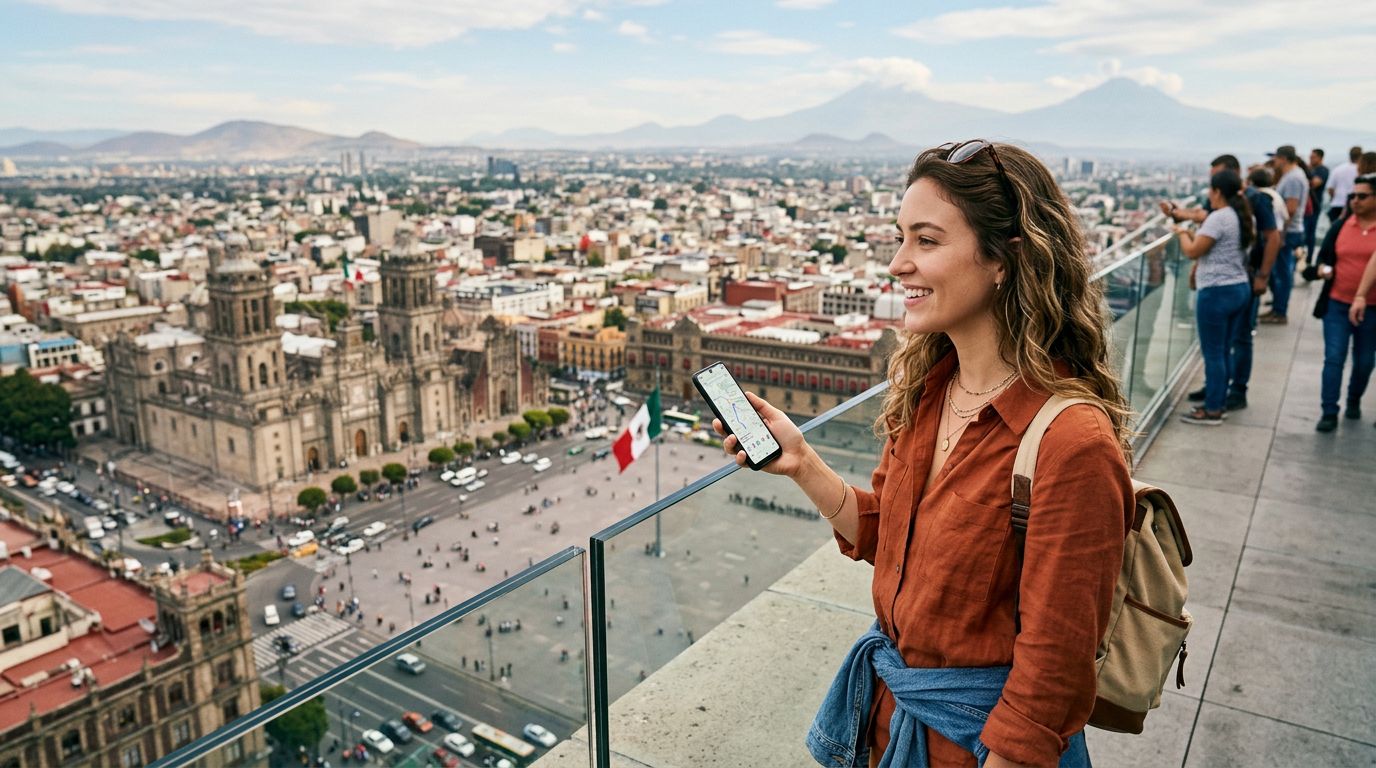
For travelers heading to Mexico, the decision hinges on convenience, device compatibility, and your specific travel style. Whether you are wandering through the historic streets of Mexico City or relaxing on the beaches of Tulum, having a data plan that works immediately upon landing is a major advantage.
Comparing the Practicality of Physical SIMs and eSIMs
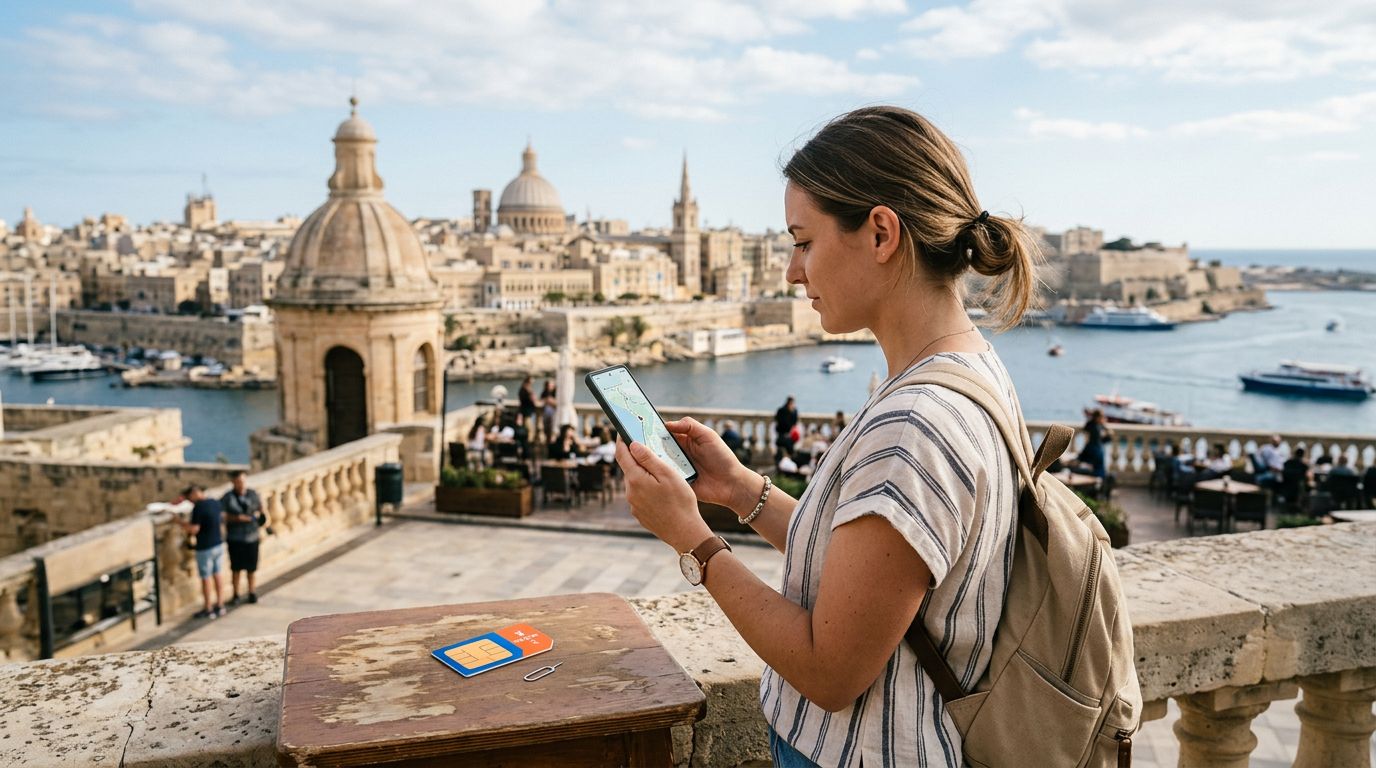
The primary difference between a traditional Mexico SIM card and an eSIM lies in the installation process. A physical SIM card requires a small tool to open your phone’s tray. If you lose your home SIM card during this process, you may face significant trouble when you return home and need to restore your original service. Furthermore, physical SIM cards are subject to availability. If you arrive at an airport late at night or during a holiday, you might find that local kiosks are closed, leaving you without connectivity until you can find a shop in the city center.
On the other hand, an eSIM offers a seamless digital experience. With providers like OneTapSIM, you can purchase and install your data plan before you even board your flight. Once you land in Mexico, your device connects to the local network automatically. This eliminates the stress of searching for a store or dealing with language barriers at a service counter. Because the eSIM is stored digitally, there is no risk of losing your original SIM card. You can keep your primary number active for calls or texts from home while using the eSIM for data, ensuring you remain reachable without incurring heavy roaming charges.
Compatibility is the only real hurdle for eSIM users. Before you commit to this technology, you must ensure that your smartphone is carrier-unlocked and supports eSIM functionality. Most modern smartphones released in the last few years are equipped with this technology, but it is always wise to check your device settings or the manufacturer’s support pages to confirm. If your phone is locked to a specific carrier, you will be unable to use an eSIM from a third-party provider, making a physical SIM card your only viable option.
Why Travelers Are Switching to eSIM Technology
The shift toward eSIMs is driven by the demand for flexibility and efficiency. When you choose an eSIM, you are essentially opting for a "set it and forget it" solution. You do not have to worry about finding a retail location, waiting in line, or registering your personal information with a local carrier in a foreign language. The entire process is managed through your phone’s settings, providing a level of autonomy that physical cards simply cannot match.
Another significant benefit of using an eSIM for your Mexico trip is the ability to manage multiple plans. If you are traveling through several countries or need to switch between different data packages, you can store multiple eSIM profiles on your device. You can toggle between them with a few taps in your phone’s menu. This is particularly useful for business travelers or those on extended vacations who might need to adjust their data usage based on their location or activity level.
OneTapSIM simplifies this process by providing clear, easy-to-follow instructions for installation and activation. By focusing on user experience, the transition to digital connectivity becomes straightforward, even for those who are not particularly tech-savvy. You can monitor your data usage throughout your trip, ensuring you never run out of connectivity when you need it most.
Ultimately, the choice between a Mexico SIM card vs eSIM comes down to how much you value your time. If you prefer the traditional route and enjoy the process of visiting a local store, a physical SIM card remains a functional choice. However, if you want to land in Mexico and immediately start using your phone for navigation, booking tours, or sharing photos with friends and family, an eSIM is the superior option. It removes the friction of international travel, allowing you to focus on enjoying your trip rather than troubleshooting your mobile connectivity. By preparing your eSIM in advance, you ensure that your digital life remains as mobile as you are, providing a stable foundation for your Mexican adventure.
Get an eSIM for
Plans for the destinations covered in this guide, with instant QR delivery.