Understanding Your Connectivity Options in Mexico
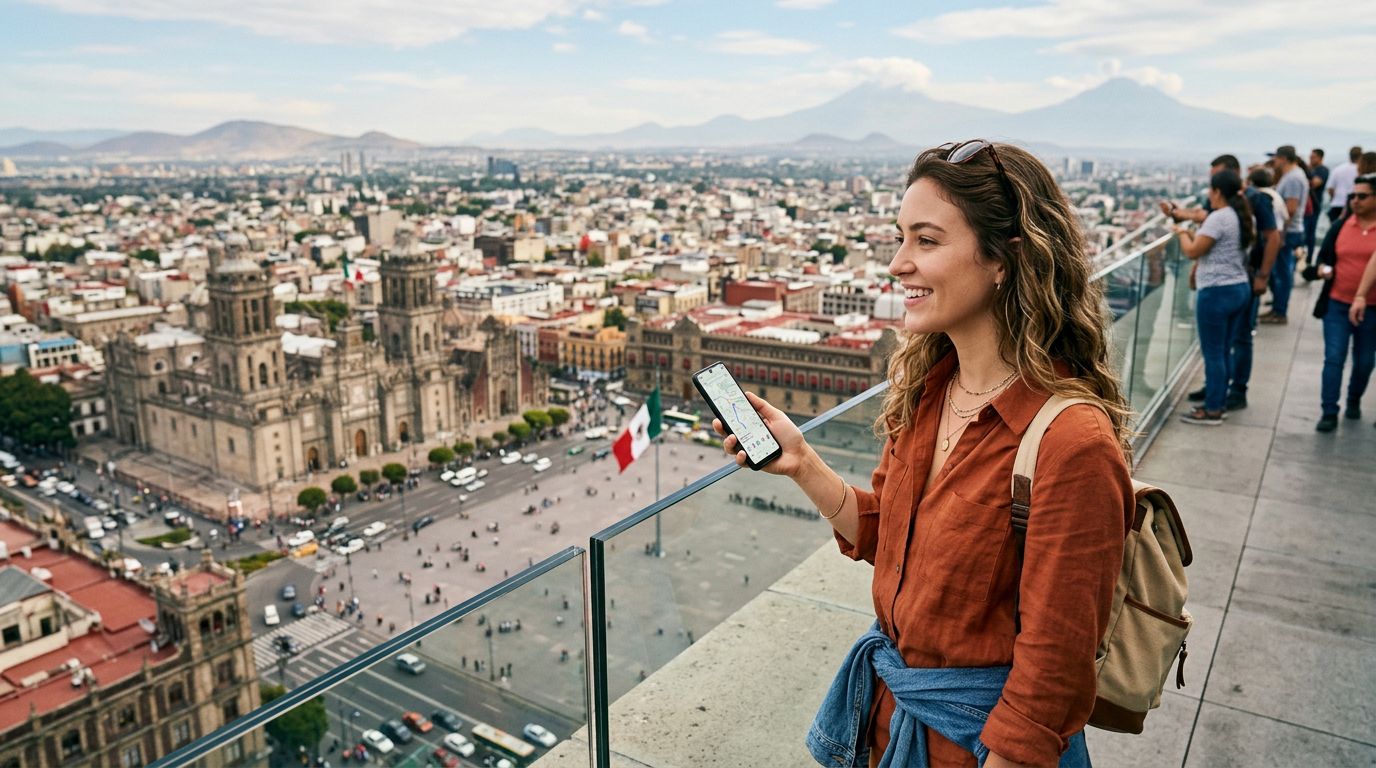
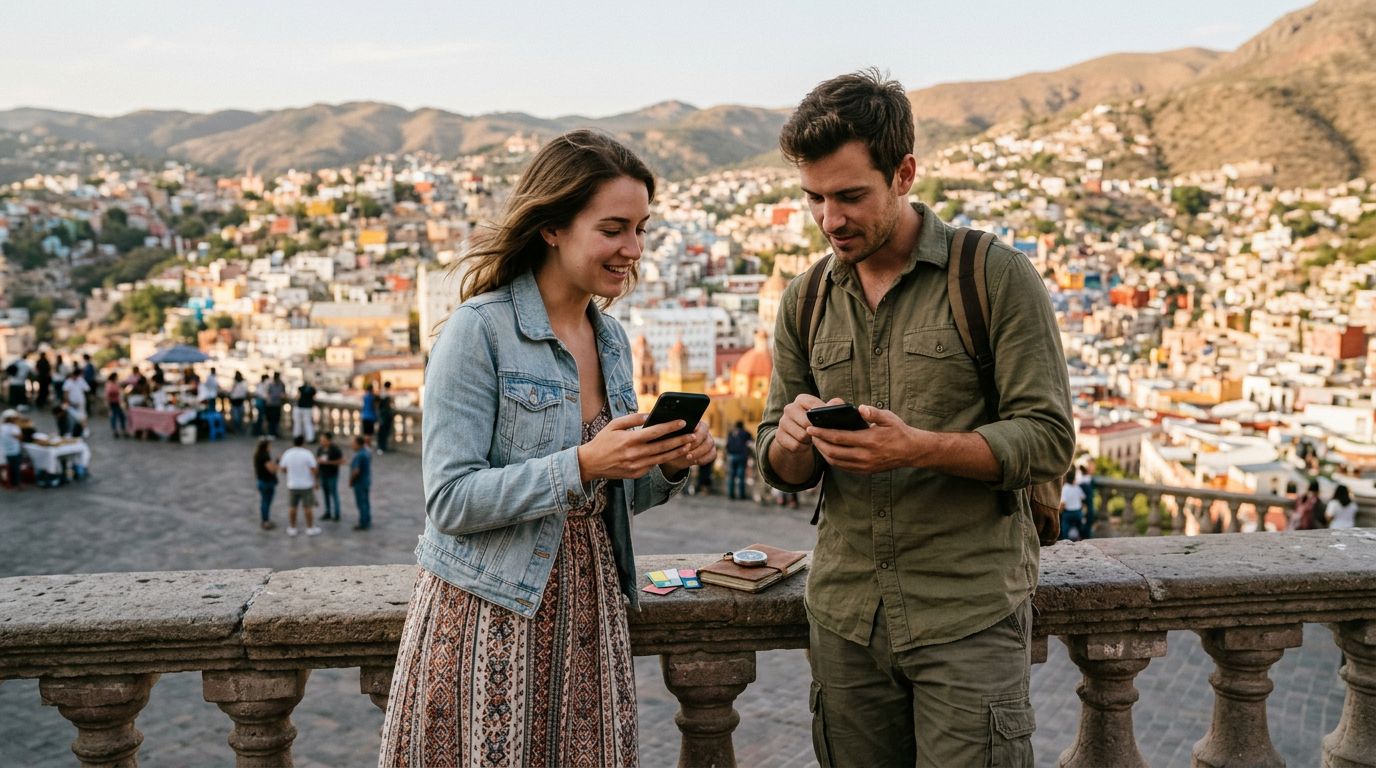
Planning a trip to Mexico involves checking off a long list of requirements, from booking accommodations to arranging transportation. Among these, staying connected is often the most critical factor for a smooth travel experience. Whether you are navigating the bustling streets of Mexico City, relaxing on the beaches of Tulum, or exploring ancient ruins in the Yucatan, having reliable internet access is essential for maps, translation apps, and keeping in touch with family.
When deciding how to stay online, travelers generally choose between a traditional physical SIM card and a modern eSIM. A physical SIM card is the classic method: a small plastic chip that you insert into your phone’s SIM tray. It has been the standard for decades. Conversely, an eSIM is a digital version of a SIM card. It is embedded directly into your phone’s hardware, allowing you to activate a cellular plan without needing to swap out any physical components.
The choice between a Mexico SIM card vs eSIM depends largely on your device compatibility, your itinerary, and your preference for convenience. While physical SIM cards are widely available at airports and local convenience stores, they require physical handling and the risk of losing your original home SIM card. eSIM technology simplifies this process by allowing you to manage your connectivity entirely through your phone’s settings.
The Pros and Cons of Physical SIM Cards
For many travelers, the physical SIM card is a familiar solution. Upon arriving at a Mexican airport, you will often see kiosks offering local prepaid SIM cards. The primary advantage of this method is that it is tangible. You receive a physical card, insert it, and generally gain access to a local network immediately. For those who prefer a hands-on approach or are traveling with older devices that do not support digital technology, this remains a viable path.
However, there are notable drawbacks to the physical SIM card approach. First, there is the logistical hurdle of finding a reliable vendor. Airport kiosks can be crowded, and language barriers might make it difficult to understand exactly what you are purchasing. Furthermore, you must remove your home SIM card to make room for the local one. This small piece of plastic is easy to misplace or damage while you are on the go. If you lose your home SIM, you may face significant challenges when you return to your home country, as you will need to contact your home carrier to replace it.
Additionally, physical SIM cards often require you to register your details at a store, which can be time-consuming. If you are eager to reach your hotel or start your vacation, spending an hour in a queue at a mobile shop is rarely the ideal start to a trip.
Why eSIMs Are Transforming Travel Connectivity
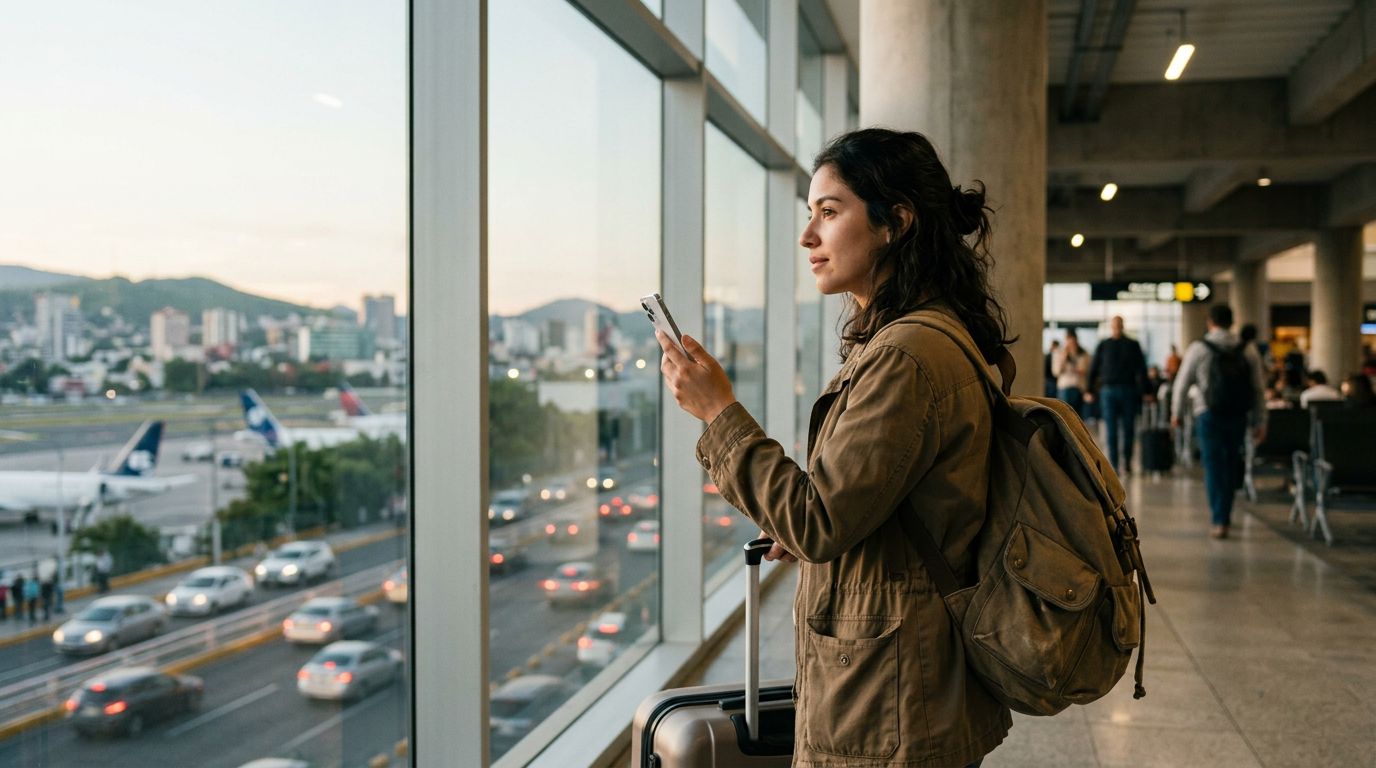
The rise of eSIM technology has shifted how international travelers approach connectivity. With an eSIM, you can purchase and activate your plan before you even board your flight. By the time your plane touches down in Mexico, your phone is ready to connect to a local network. This eliminates the need to hunt for a store or deal with physical cards.
One of the greatest benefits of an eSIM is the ability to keep your home SIM card in your phone. This means you can still receive important SMS messages—such as two-factor authentication codes for your bank or airline updates—while using your eSIM for data. This dual-SIM functionality is a significant advantage for travelers who need to stay reachable on their primary number while enjoying the benefits of local data rates.
OneTapSIM provides a streamlined experience for those choosing this route. By offering a digital-first approach, the service ensures that you can set up your connection in minutes. Because the process is entirely digital, you avoid the waste associated with plastic cards and the risk of losing your original hardware. You simply scan a QR code or follow the setup instructions provided, and your device is configured for your trip.
Compatibility is the main requirement for using an eSIM. Most modern smartphones released in the last few years support this technology. You can verify your device’s capabilities by checking your phone’s settings or visiting the official support pages for your device manufacturer, such as Apple or Google. If your phone is carrier-unlocked and supports eSIM, this is almost always the more convenient option for a trip to Mexico.
Making the Final Decision
When weighing the Mexico SIM card vs eSIM debate, consider the nature of your trip. If you are a light traveler who values efficiency and wants to avoid the hassle of local shops, an eSIM is the clear winner. It offers a seamless transition from your home network to a local one, allowing you to focus on your travel itinerary rather than technical logistics.
If you are traveling for an extended period or to very remote areas where you might need to swap between multiple local providers, you might find that a physical SIM card offers more flexibility in specific edge cases. However, for the vast majority of tourists, business travelers, and digital nomads, the convenience of an eSIM far outweighs the traditional method.
Before you depart, take a moment to ensure your phone is unlocked. Some mobile carriers lock devices to their network, which prevents you from using any other SIM or eSIM. Contact your home carrier to confirm your status. Once you have confirmed your device is ready, you can enjoy the peace of mind that comes with knowing your connectivity is handled. Whether you are using OneTapSIM to stay connected or exploring other digital options, the shift toward eSIM technology is making international travel simpler, faster, and more reliable than ever before. By preparing your digital connection in advance, you ensure that your time in Mexico is spent enjoying the culture, food, and scenery rather than troubleshooting your phone.
Get an eSIM for
Plans for the destinations covered in this guide, with instant QR delivery.