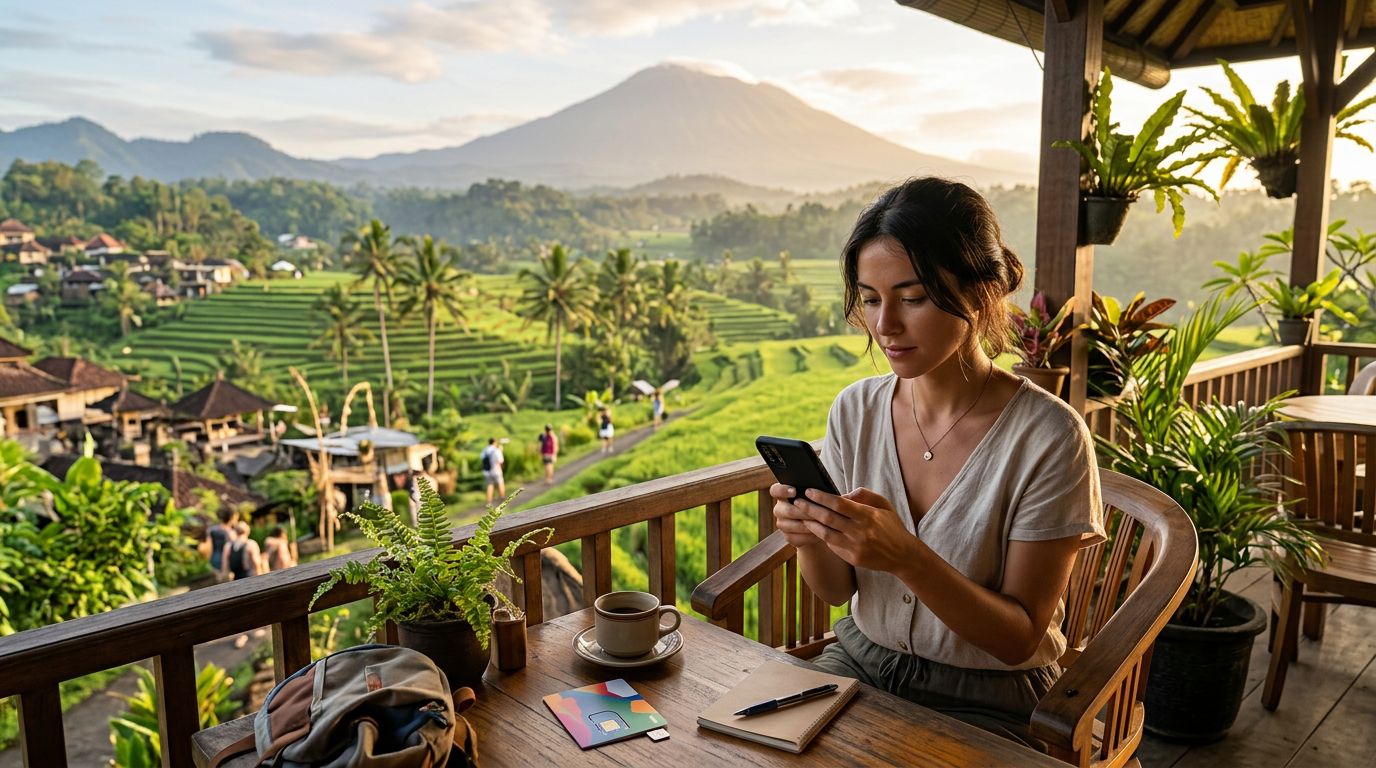
Understanding the Connectivity Options for Your Indonesian Adventure
Planning a trip to Indonesia often involves a long list of logistics, from booking internal flights between islands to finding the perfect villa in Bali. Among these tasks, securing reliable internet access is arguably the most important for a smooth experience. Whether you are navigating the bustling streets of Jakarta, searching for the best surf spots in Uluwatu, or checking ferry schedules to the Gili Islands, having a stable connection is essential.
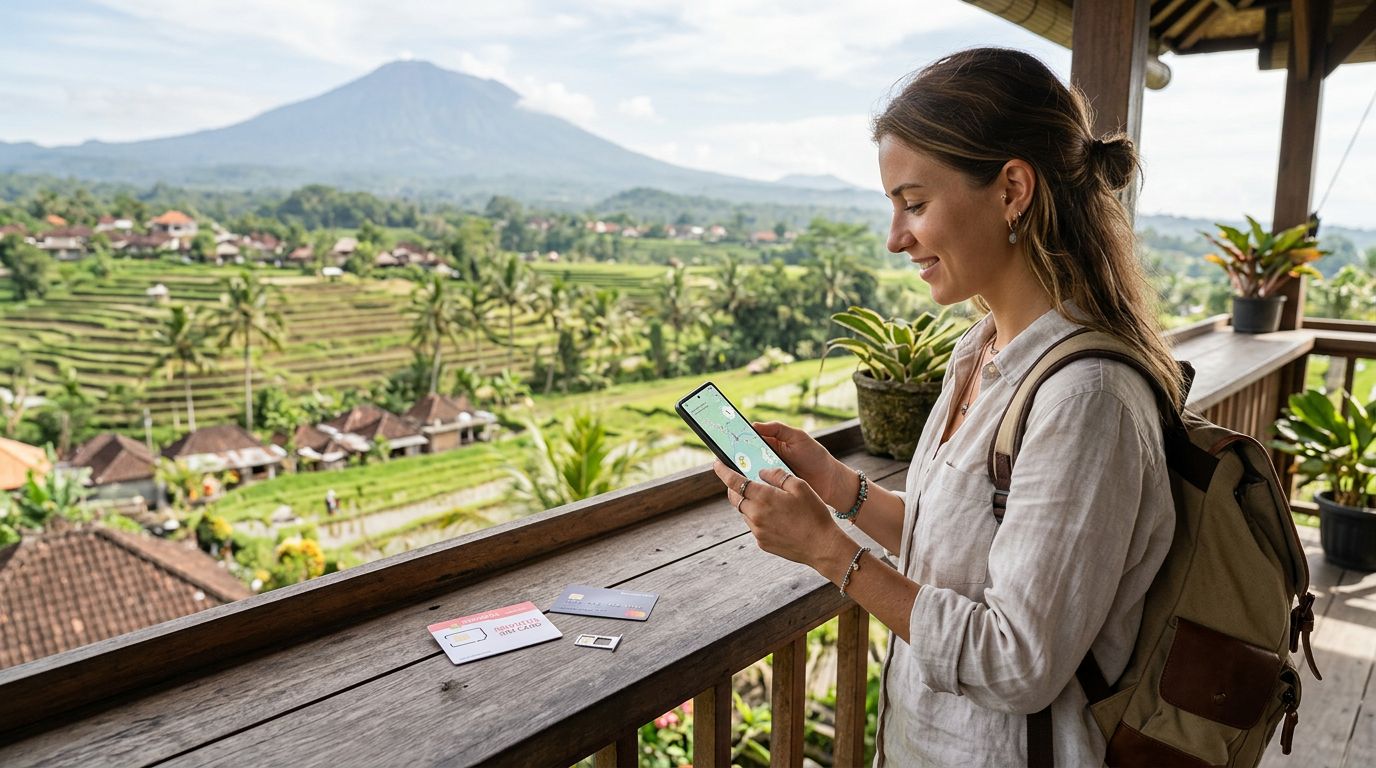
When comparing an Indonesia SIM card vs eSIM, you are essentially choosing between a traditional physical hardware solution and a modern, digital alternative. A physical SIM card requires you to swap out your home carrier’s chip for a local one. This has been the standard method for decades. In contrast, an eSIM—or embedded SIM—is a digital version of that same technology. It is built directly into the hardware of modern smartphones, allowing you to activate a mobile plan without ever needing to handle a tiny piece of plastic. Understanding which option aligns with your travel style can save you significant time and stress upon arrival.
The Case for Physical SIM Cards in Indonesia
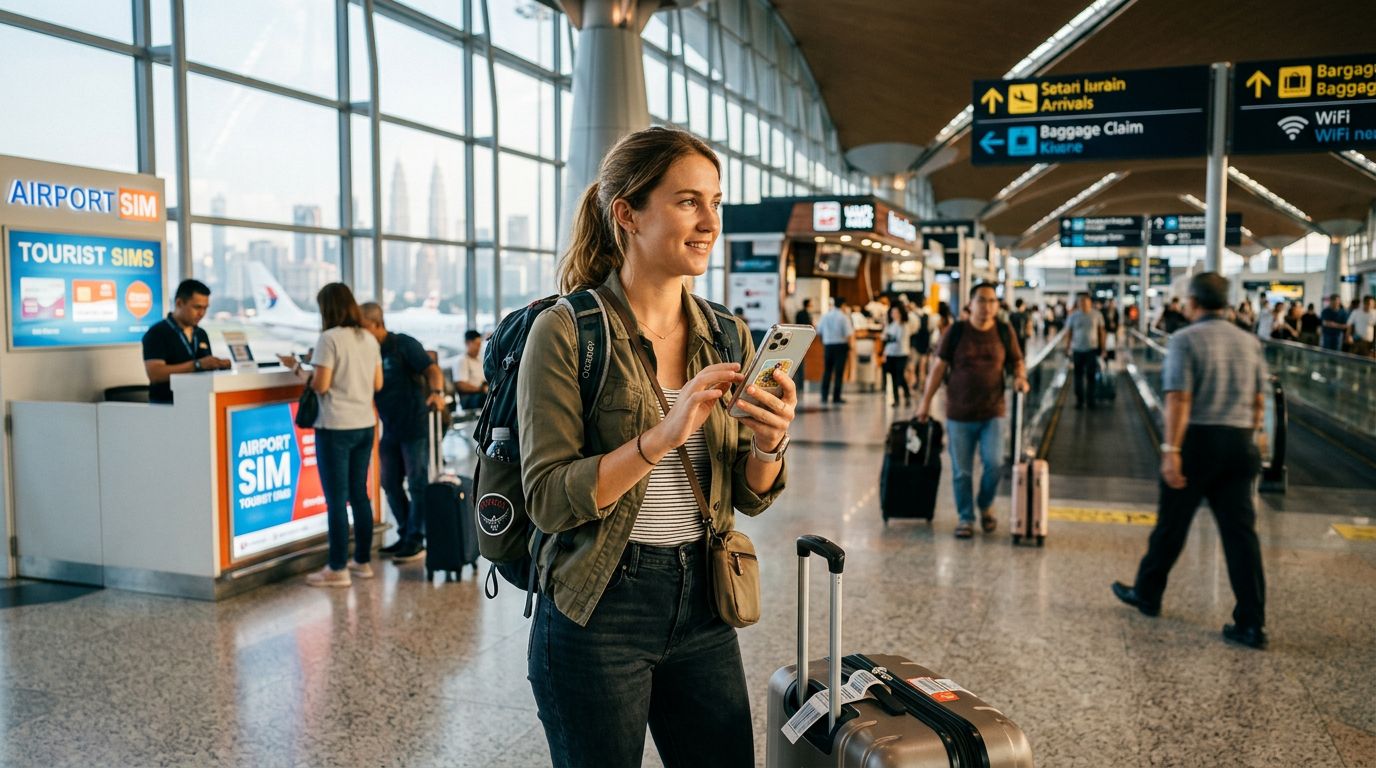
The traditional route of purchasing a physical SIM card remains popular for several reasons. For many travelers, the process begins at the airport. Upon landing in cities like Denpasar or Jakarta, you will find various kiosks operated by local telecommunications providers. These desks are staffed by agents who can physically insert the card into your phone and ensure it is activated before you leave the terminal.
One advantage of the physical SIM card is its ubiquity. Because it is a tangible product, you can find them at convenience stores, authorized dealer shops, and street-side booths throughout the country. If you have an older device that does not support eSIM technology, a physical card is your only option for local connectivity. Furthermore, some travelers prefer the psychological security of having a physical object that they can remove from their phone if they need to completely disconnect or switch devices.
However, the downsides are notable. Airport kiosks are often crowded, leading to long queues after a tiring flight. There is also the risk of losing your original home SIM card while it is tucked away in your wallet or bag. Additionally, you must deal with the physical act of opening your phone’s SIM tray, which often requires a specific tool that is easy to misplace. If you are traveling to multiple remote regions, you might find yourself needing to swap cards or top up at local shops, which can be a language barrier challenge if you do not speak the local dialect.
Why eSIM Technology is Changing Travel Connectivity
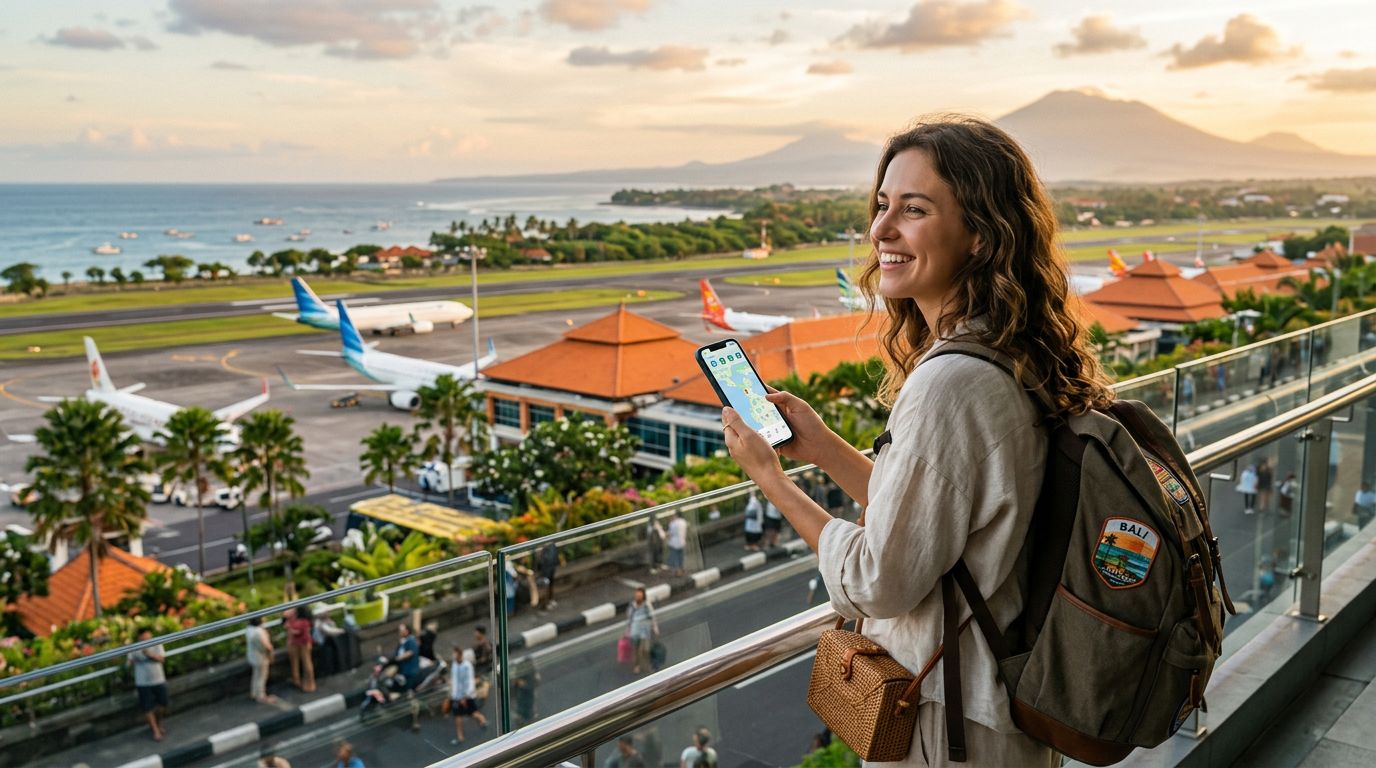
The shift toward eSIM technology has transformed how international travelers manage their mobile data. Because an eSIM is digital, you can purchase and install your data plan before you even board your plane. This means that the moment your wheels touch the tarmac in Indonesia, you are already connected. You do not need to hunt for a shop, wait in line, or fumble with tiny metal tools to open your phone’s SIM tray.
OneTapSIM offers a streamlined way to handle this process. By utilizing an eSIM, you keep your primary SIM card inside your phone. This is a massive advantage for travelers who need to receive two-factor authentication codes, important work emails, or urgent text messages from their home country while abroad. With an eSIM, your phone functions in a dual-mode capacity, allowing you to use your home number for calls and texts while relying on the eSIM for your local data needs.
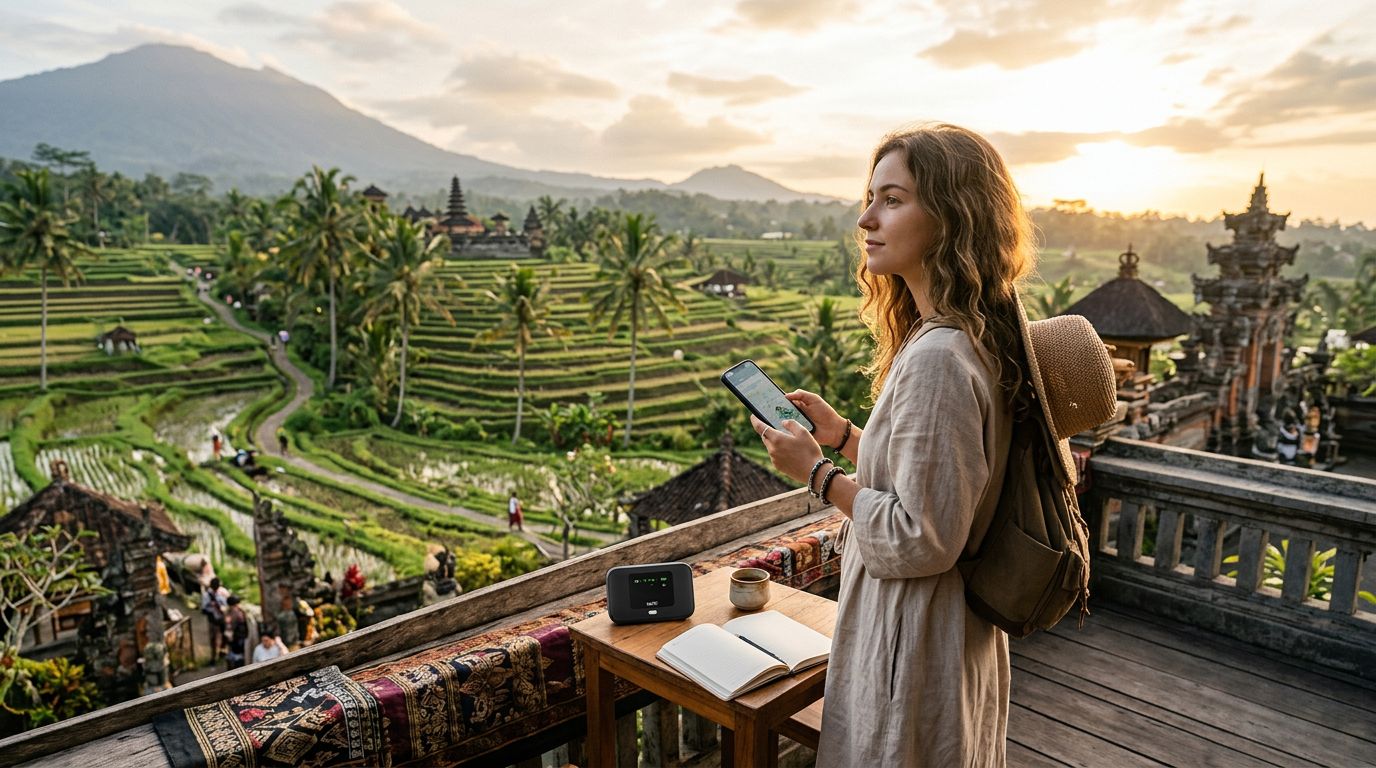
The convenience factor extends to the management of your plan. If you find yourself running low on data while exploring the rice terraces of Ubud or the temples of Yogyakarta, you can manage your plan digitally. There is no need to find a physical store to buy a top-up voucher. This digital-first approach is ideal for the modern traveler who prioritizes efficiency and wants to avoid the administrative headaches associated with traditional mobile setups. Before choosing this route, ensure your device is compatible with eSIM technology by checking your phone’s settings or manufacturer documentation.
Making the Final Decision for Your Trip
Deciding between a physical Indonesia SIM card vs eSIM comes down to your personal priorities regarding convenience and device compatibility. If you are carrying an older smartphone that lacks eSIM support, or if you prefer the tactile nature of a physical card, the traditional route remains a reliable fallback. You will have plenty of opportunities to acquire a physical SIM once you arrive, provided you are prepared for the initial setup time.
However, if you own a modern smartphone and value the ability to land in a new country with an active internet connection, an eSIM is the superior choice. It eliminates the risk of losing your primary SIM card, removes the need to visit physical kiosks, and provides a seamless transition from your home network to local data.
Consider the duration of your trip as well. For short stays, the ease of an eSIM allows you to maximize your limited time without spending hours dealing with telecommunications logistics. For longer trips, the ability to manage your data usage through an app or digital interface provides better control over your mobile budget.
Regardless of the method you choose, the goal is to ensure you have the maps, translation tools, and ride-sharing apps necessary to enjoy your Indonesian journey. Whether you opt for the classic physical SIM or the modern efficiency of OneTapSIM, preparing your connectivity strategy in advance is the best way to ensure your trip is defined by discovery rather than technical frustration. Take a moment to verify your phone’s compatibility, choose the method that makes you feel most comfortable, and prepare to explore the beauty of the Indonesian archipelago with confidence.
Get an eSIM for
Plans for the destinations covered in this guide, with instant QR delivery.