Understanding Your Connectivity Options in Indonesia
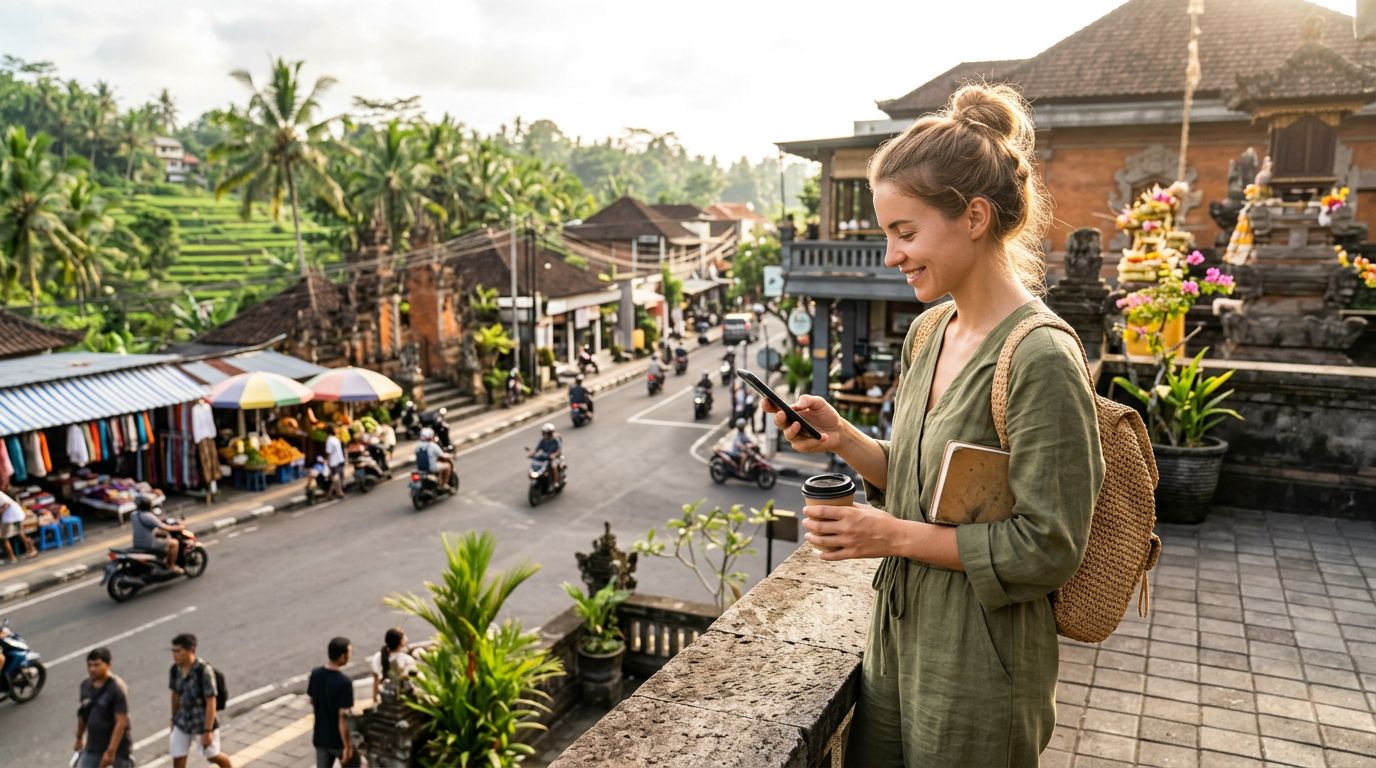
Planning a trip to Indonesia, whether you are heading to the vibrant streets of Jakarta, the cultural heart of Ubud, or the pristine beaches of the Gili Islands, requires reliable connectivity. Staying online is essential for using ride-sharing apps, accessing digital maps, and staying in touch with your travel companions. When it comes to mobile data, travelers generally choose between two primary methods: a traditional physical SIM card or a digital eSIM.
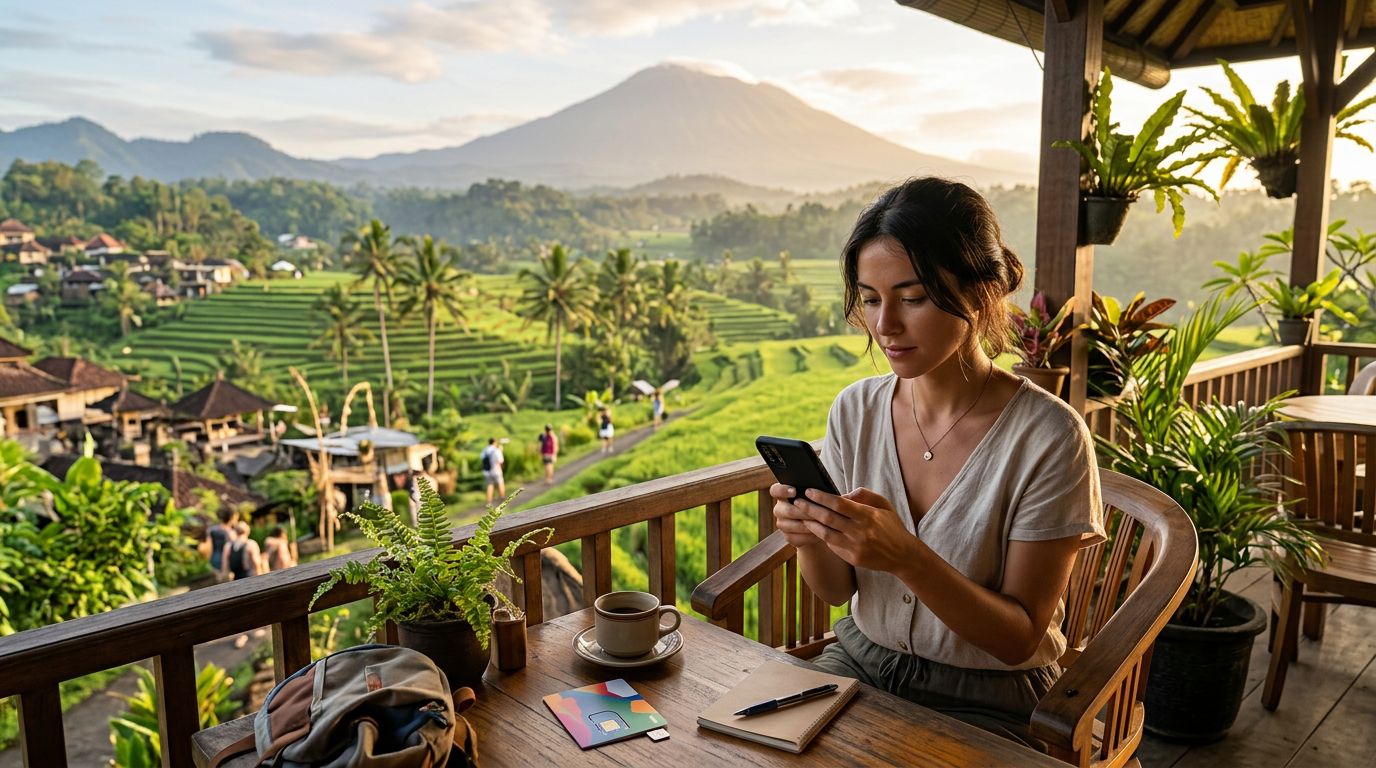
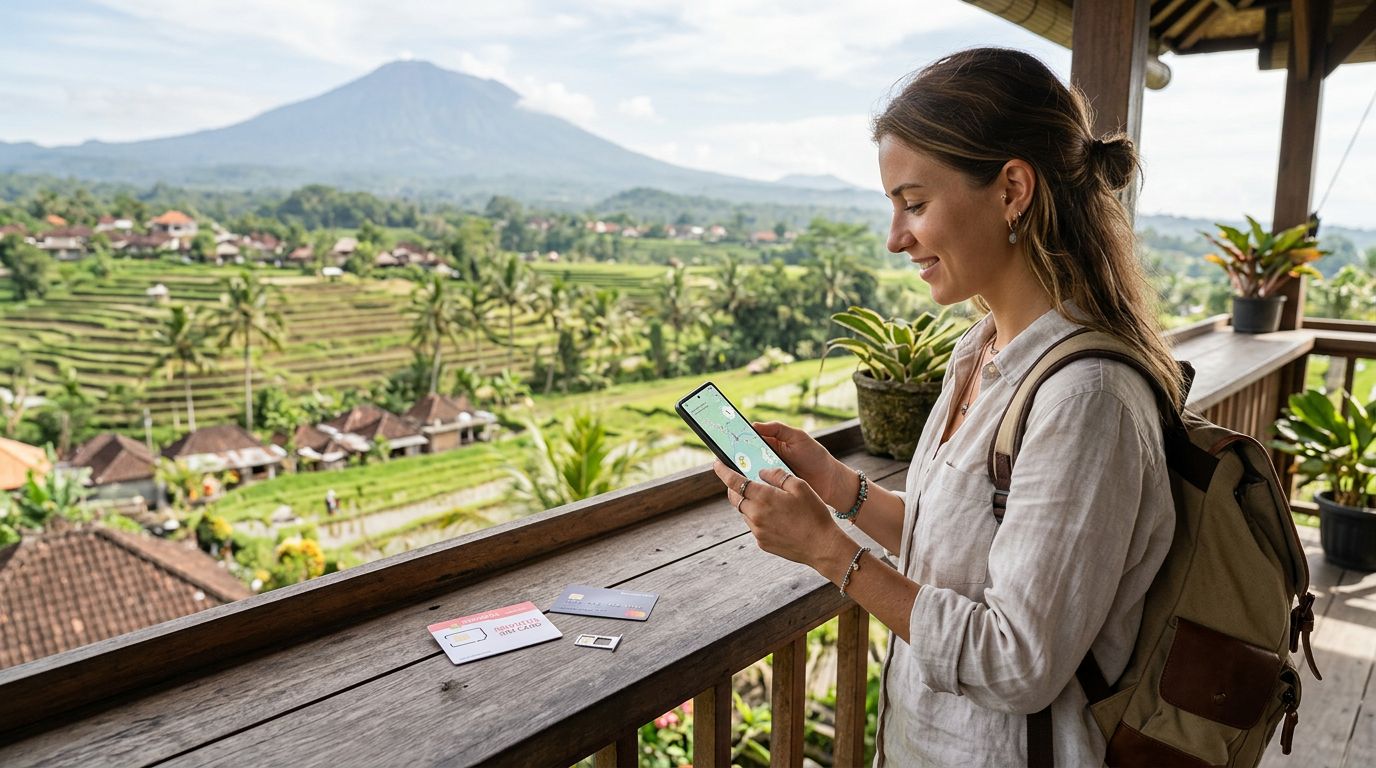
A physical SIM card is the standard plastic chip that has been the industry norm for decades. To use one in Indonesia, you typically visit a local kiosk or a mobile provider’s retail store upon arrival. You insert the card into your phone’s SIM tray, and your device connects to the local network. This method is familiar to most travelers, but it comes with logistical hurdles. You must find a shop, potentially wait in a queue, and physically swap out your home SIM card, which carries the risk of losing or damaging your original chip.
An eSIM, or embedded SIM, is a digital version of the traditional card. It is built directly into the hardware of modern smartphones. Instead of swapping a physical piece of plastic, you download a data plan profile to your device. This allows you to activate your connection before you even land in Indonesia. By choosing an eSIM, you avoid the hassle of finding a local store or dealing with small, fragile components. For many modern travelers, the convenience of digital activation makes it the superior choice for a seamless arrival.
Comparing Convenience and Practicality
The debate regarding an Indonesia SIM card vs eSIM often comes down to the user experience before and during your trip. With a physical SIM card, your journey begins with a search for a provider. While airports in Indonesia often have booths selling traveler SIMs, these locations can be crowded and may not always offer the best selection of plans. Furthermore, you are required to register your device with the local government database, which involves providing your passport details and your phone’s unique IMEI number. This process can be time-consuming and occasionally confusing if you are not familiar with the local procedures.
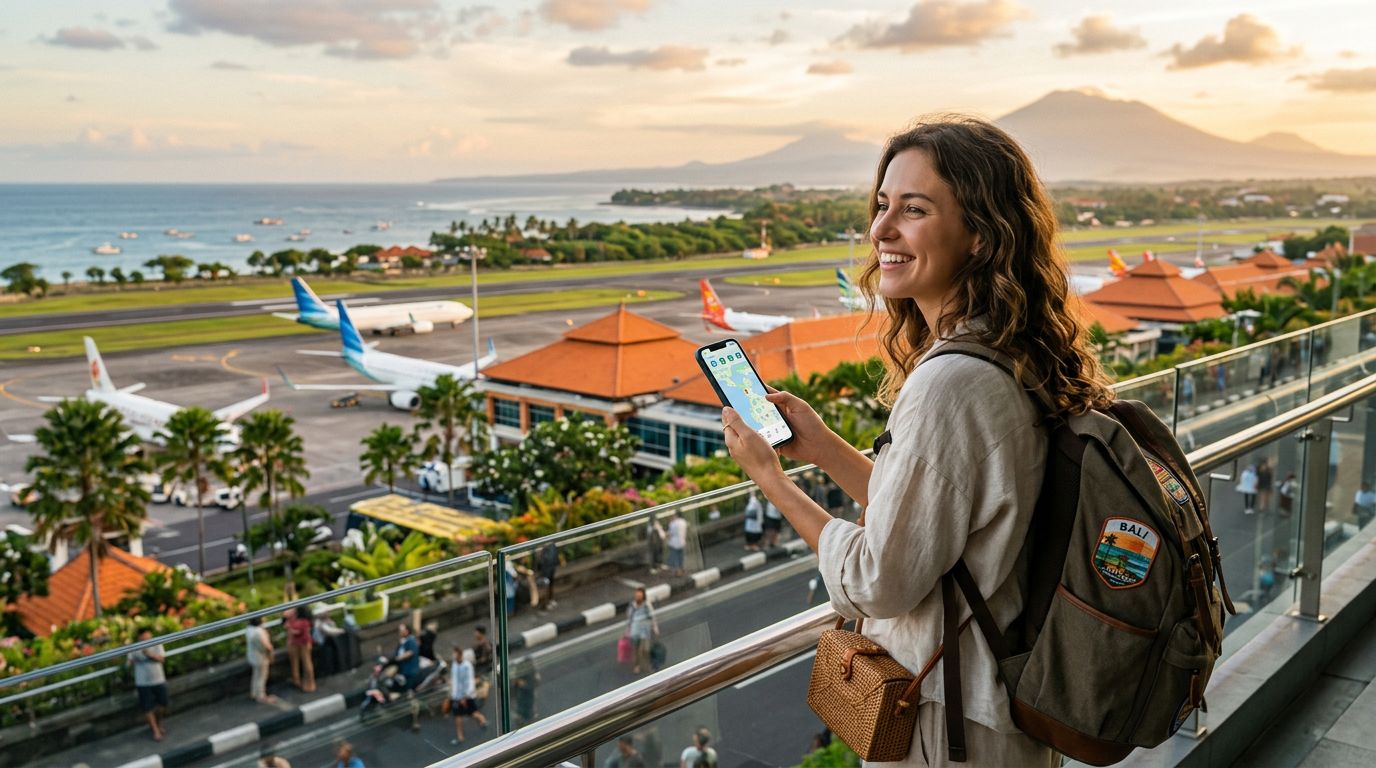
In contrast, an eSIM offers a streamlined experience. Since the technology is digital, you can purchase and install your plan well before your flight departs. When you land in Indonesia, your phone automatically connects to the local network as soon as you toggle the eSIM on in your settings. This immediate connectivity allows you to order a ride-sharing vehicle or check your hotel directions without needing to hunt for a vendor or fumble with a SIM ejector tool.
OneTapSIM simplifies this process by providing a clear, user-friendly interface to manage your data profiles. Because you do not need to remove your home SIM card, you can keep your primary number active to receive important SMS messages or calls, while using the eSIM specifically for your data needs. This dual-SIM functionality is a significant advantage for travelers who need to stay reachable on their home number while maintaining high-speed data access for navigation and social media.
Technical Requirements and Device Compatibility
Before deciding between these options, it is vital to confirm that your mobile device is compatible with the technology you intend to use. Physical SIM cards are universally compatible with all unlocked smartphones. If you have an older device or one that is carrier-locked, a physical SIM card remains the most reliable fallback. However, almost all flagship smartphones released in the last few years support eSIM functionality.
To use an eSIM, your device must be carrier-unlocked. If your phone is currently tied to a specific mobile network back home, you may be unable to add a new eSIM profile. It is recommended to check your device settings or contact your home carrier to ensure your phone is unlocked before you depart. You can find specific instructions on how to check for eSIM compatibility on the official support pages for Apple or Google, depending on whether you use an iPhone or an Android device.
Beyond compatibility, consider the duration of your trip and your data usage patterns. Physical SIM cards purchased at local kiosks in Indonesia often come with a specific amount of data that may be difficult to top up if you run out. If you exhaust your data, you might have to return to a physical store to purchase a voucher or a new card. With a digital solution like OneTapSIM, managing your data usage is often more transparent. You can monitor your consumption through your device settings and, in many cases, add more data remotely if your plans change.
Ultimately, the choice between an Indonesia SIM card vs eSIM depends on your comfort with technology and your desire for convenience. If you prefer a hands-on approach and do not mind a short wait at the airport, a physical SIM card will get the job done. However, if you prioritize efficiency, want to avoid the risk of losing your home SIM card, and desire the ability to be connected the moment your plane touches down, an eSIM is the modern standard for international travel. By preparing your digital profile in advance, you can spend less time worrying about connectivity and more time enjoying the incredible landscapes and culture that Indonesia has to offer.
Get an eSIM for
Plans for the destinations covered in this guide, with instant QR delivery.