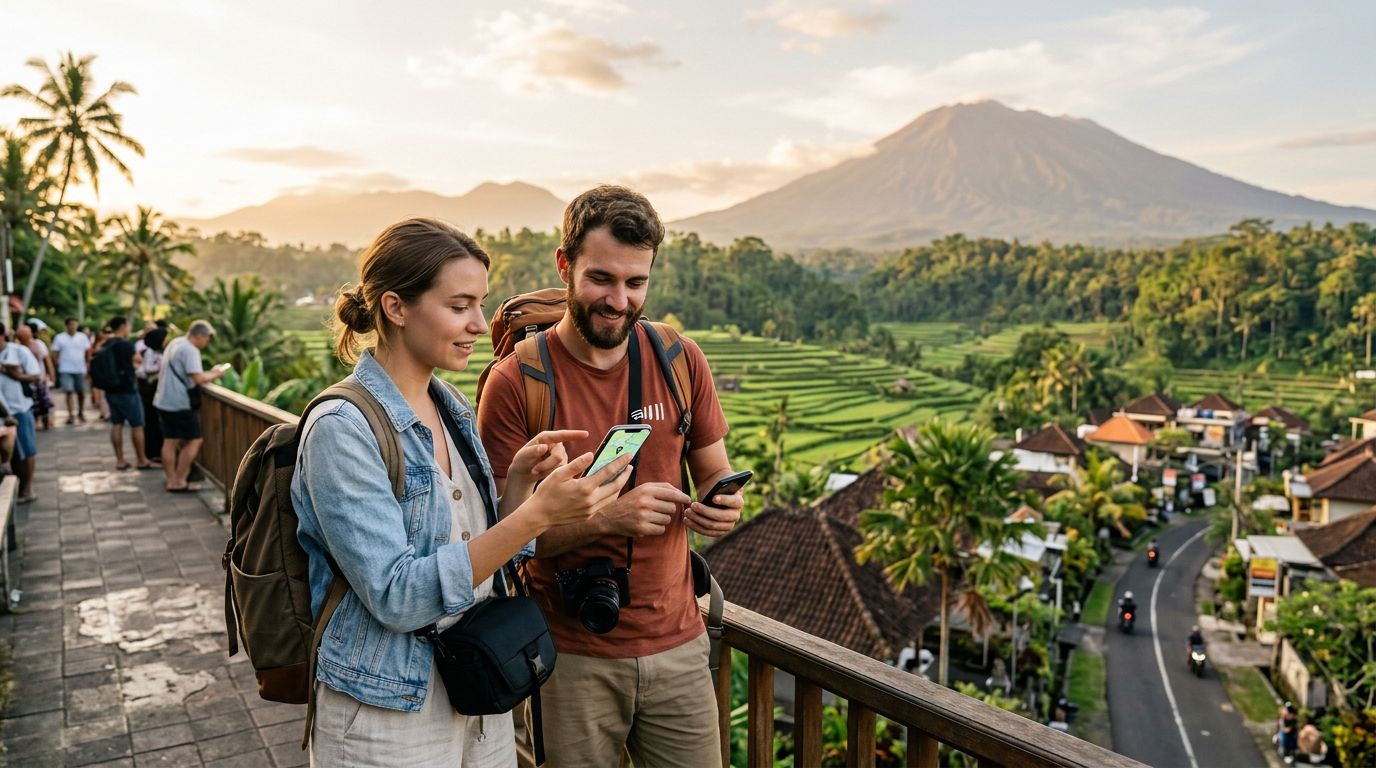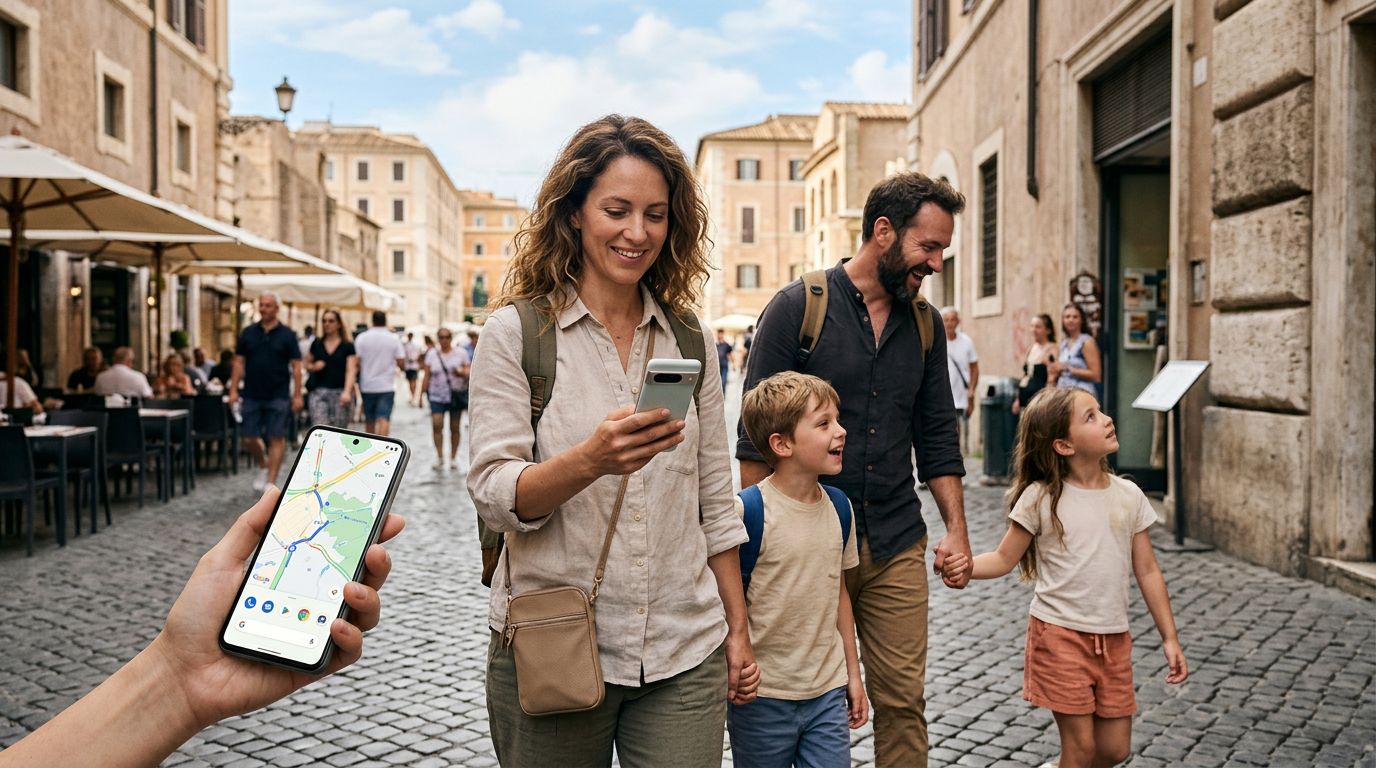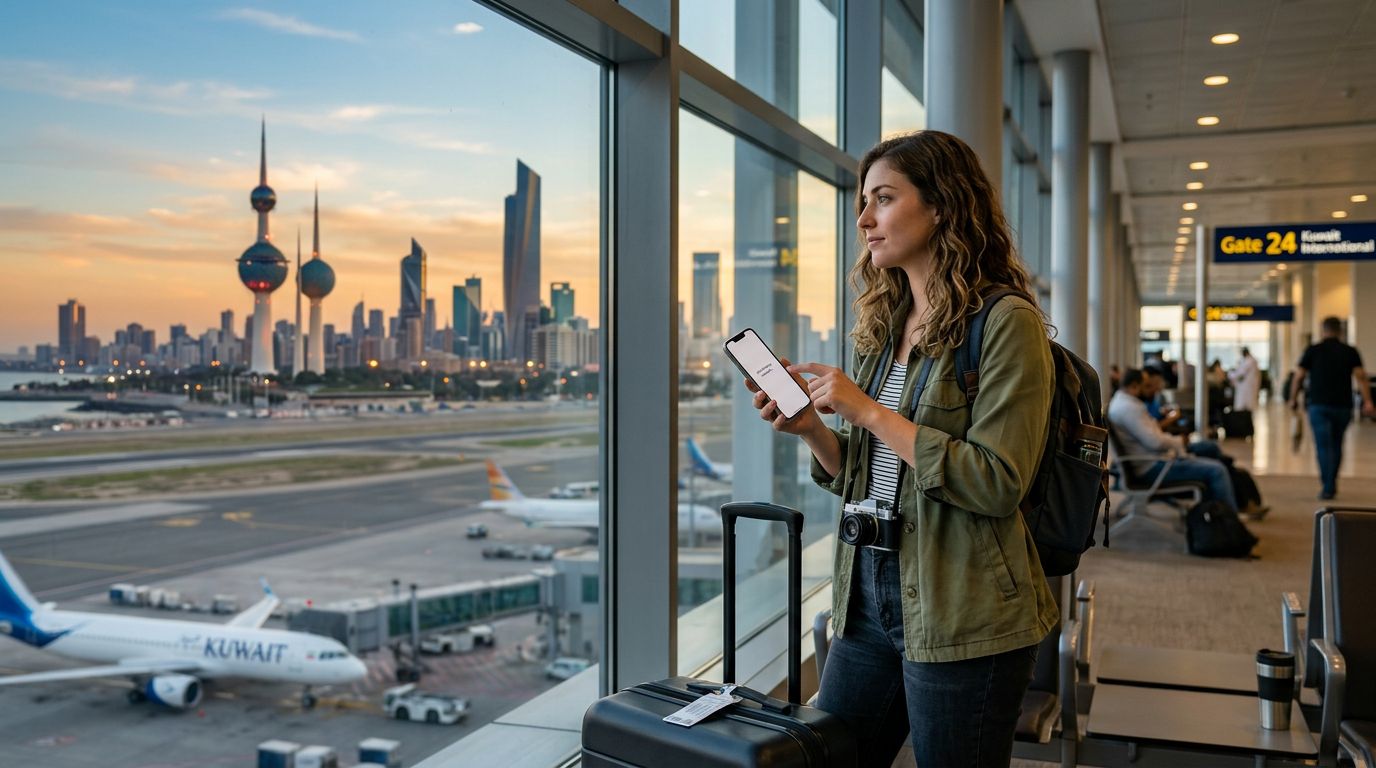
Bali is a dream destination for many, offering everything from lush rice terraces in Ubud to the vibrant beach clubs of Canggu. As you plan your itinerary, one of the most important logistical decisions you will make is how to stay connected. Whether you need to navigate via GPS, share photos of your sunset dinner on social media, or keep in touch with family, having reliable internet is essential. When comparing pocket WiFi vs eSIM for Bali, travelers often find themselves weighing convenience against tradition.
Understanding the Pocket WiFi Experience
A pocket WiFi device, also known as a mobile hotspot, is a small, portable router that creates a local wireless network. You carry this device with you, and it connects to cellular towers to provide internet access to your phone, tablet, and laptop.
The primary appeal of a pocket WiFi is its ability to support multiple devices simultaneously. If you are traveling as a family or a group of friends, one device can provide connectivity for everyone. This can be cost-effective if you split the rental cost. Furthermore, because the device is dedicated solely to data, it does not drain your phone’s battery as quickly as using your phone as a hotspot would.
However, there are significant drawbacks to this approach in Bali. First, you have to carry an extra piece of hardware. This means keeping the device charged throughout the day and ensuring you have the necessary power cables and adapters. If you forget to charge it overnight, you will be left without internet the next day. Additionally, you are responsible for the physical device. If it is lost, stolen, or damaged, you may be held liable for replacement fees.
Logistically, renting a pocket WiFi can be cumbersome. You often have to pick it up at the airport upon arrival or have it delivered to your hotel. Returning it involves a similar process, which can be stressful if you have an early morning flight or a tight schedule. In a place like Bali, where you might be moving between villas, beach clubs, and remote jungles, having an extra gadget to track and manage can feel like a burden rather than a convenience.
The Advantages of eSIM Technology
An eSIM, or embedded SIM, is a digital version of a physical SIM card. It is built directly into the hardware of modern smartphones. Instead of swapping out a tiny plastic chip, you simply scan a QR code or follow a digital installation process to activate a data plan.
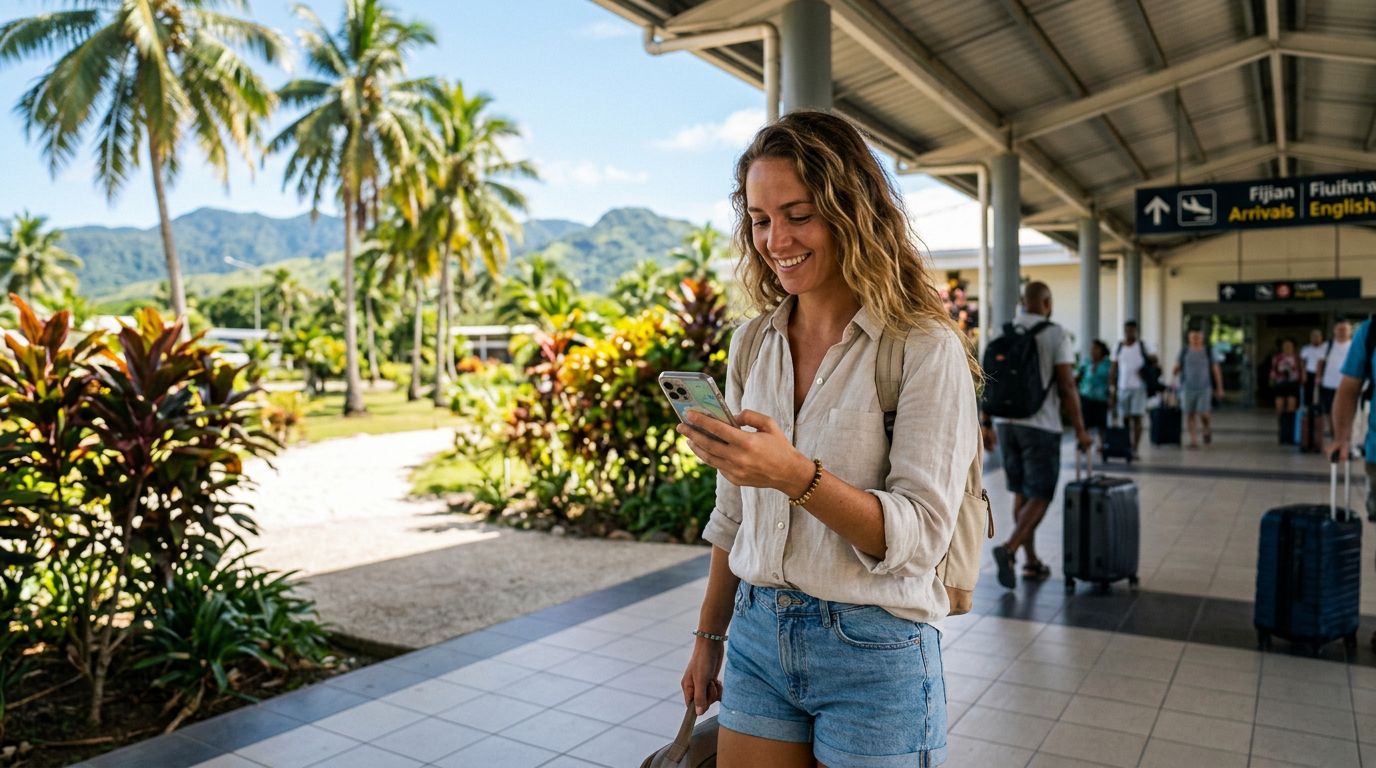
The most significant benefit of an eSIM is its seamless nature. Because it is integrated into your phone, you do not need to carry extra equipment, manage batteries, or worry about losing a rental device. You land in Bali, switch to your eSIM profile, and you are immediately connected to a local network. This instant connectivity is a major advantage for travelers who want to start exploring the moment they exit the terminal at Ngurah Rai International Airport.
OneTapSIM provides a streamlined way to manage this process. By choosing an eSIM, you maintain your primary phone number for calls and texts if your device supports dual-SIM functionality, while using the eSIM specifically for your data needs. This separation allows you to avoid high roaming charges from your home carrier while ensuring you stay reachable.
Another often overlooked benefit is security. Public WiFi networks in cafes and hotels can be risky, as they are often unsecured. By using your own eSIM data plan, you are relying on a private, encrypted cellular connection, which is much safer for accessing sensitive information like banking apps or email accounts. Furthermore, because you are not tethered to a physical device, you have more freedom to explore. Whether you are renting a scooter to navigate the winding roads of Munduk or taking a boat to the Nusa Islands, your connection stays with you in your pocket, without the need for an extra bulky router.
Making the Right Choice for Your Bali Adventure
When deciding between these two options, consider your travel style. If you are a solo traveler or a couple who values minimalism and mobility, the eSIM is the clear winner. The ability to activate your data plan before you even leave home removes the stress of finding a rental kiosk or waiting for a delivery. It keeps your luggage light and your phone ready for the next photo opportunity.
If you are traveling in a large group and everyone requires high-speed internet for work or heavy streaming on multiple laptops, a pocket WiFi might offer a more unified solution. However, even in group settings, many travelers are finding that individual eSIMs provide better reliability. If one person with a pocket WiFi wanders off to grab a coffee or take a different path, the rest of the group loses their connection. With individual eSIMs, everyone remains connected independently, which allows for more flexibility in your daily plans.
Bali’s infrastructure has improved significantly, and cellular coverage is generally strong in popular areas. However, signal strength can fluctuate in more remote parts of the island. Because eSIMs typically connect to the strongest available local network providers, they offer the same, if not better, performance than the rental devices that are often locked to a single carrier’s network.
To ensure your device is compatible, check your phone’s settings to confirm it is unlocked and supports eSIM technology. Most flagship devices released in the last few years are fully compatible. Once you have confirmed compatibility, the setup process takes only a few minutes.
Ultimately, your trip to Bali should be about experiencing the culture, the landscapes, and the food, not worrying about whether your mobile hotspot is charged or where you left your rental device. By choosing an eSIM, you opt for a modern, efficient, and stress-free way to stay connected. It allows you to spend less time managing logistics and more time enjoying the beauty of the Island of the Gods. Whether you are planning to surf in Uluwatu or practice yoga in the heart of Ubud, having a reliable, digital-first connection ensures you can navigate your journey with confidence.
Get an eSIM for
Plans for the destinations covered in this guide, with instant QR delivery.