The Evolution of Connectivity for International Travelers
When you land in a foreign country, the first thing you likely reach for is your phone. Whether you need to pull up a hotel reservation, call a ride-share service, or translate a menu, reliable internet access is no longer a luxury—it is a necessity. For decades, the standard procedure for tourists involved hunting for a physical kiosk at the airport to purchase a local SIM card. However, the introduction of eSIM technology has shifted the landscape, offering a digital alternative that changes how we stay connected while abroad.
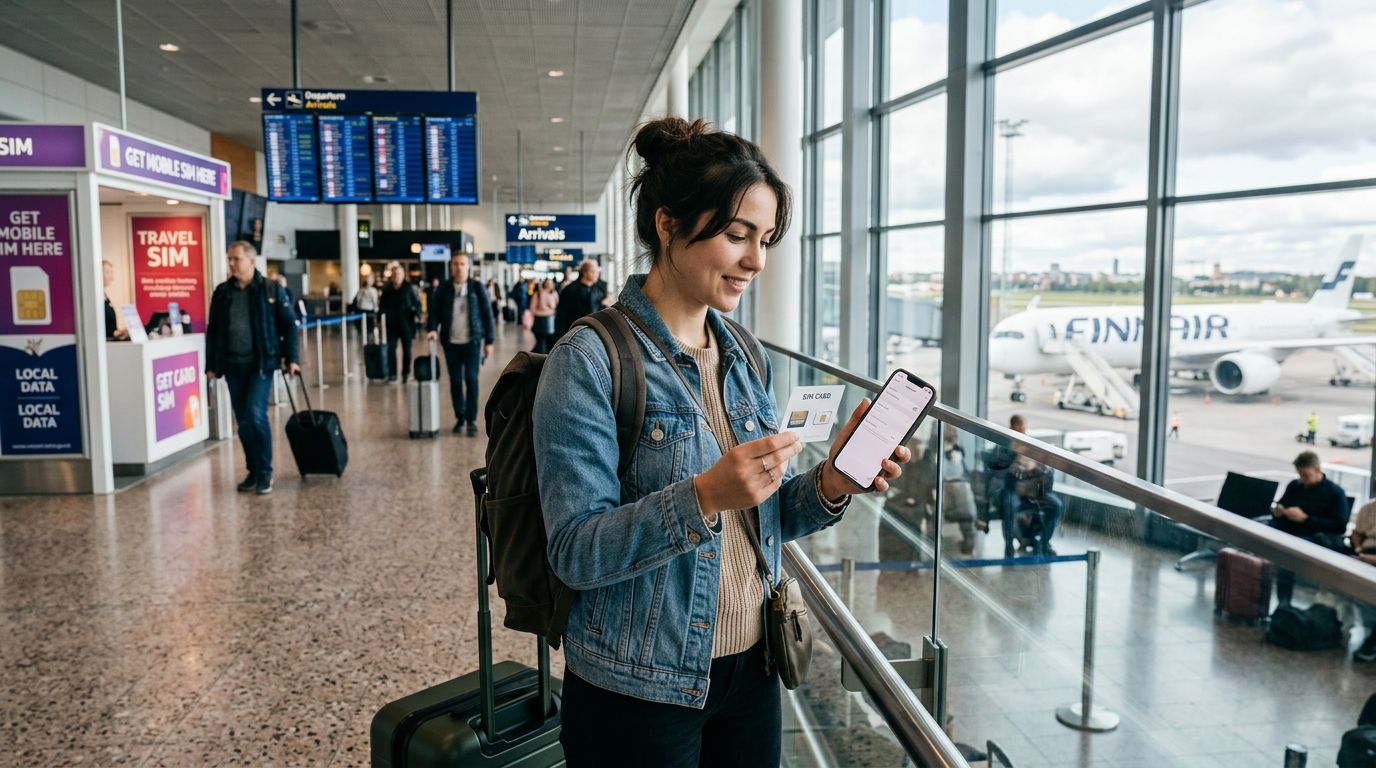
The traditional airport SIM card requires you to physically remove your home SIM card, store it in a safe place, and insert a new, tiny piece of plastic provided by a local carrier. This process often involves long queues at airport kiosks, language barriers with sales staff, and the risk of losing your original SIM card. In contrast, an eSIM is a virtual SIM embedded directly into your phone’s hardware. You simply download a profile, activate it, and gain access to local networks without ever touching your physical card tray.
Comparing Convenience and Practicality
The primary advantage of choosing an eSIM over an airport SIM is the ability to prepare before you even leave home. With a service like OneTapSIM, you can purchase and install your data plan while sitting on your couch, weeks before your flight. Once you land, your phone automatically connects to the local network as soon as you turn off airplane mode. This eliminates the stress of finding a shop after a long flight, especially if you arrive late at night when airport kiosks might be closed.
Airport SIM cards often come with hidden inconveniences. Beyond the wait times, you are at the mercy of whatever inventory the airport shop has in stock. You might find yourself paying for a plan that includes features you do not need, such as local voice minutes or SMS, when all you really want is mobile data for navigation and messaging. Furthermore, airport kiosks are notorious for high markups compared to digital alternatives.
Security is another factor to consider. When you use an airport SIM, you are handing your device over to a stranger to set up the connection. While most vendors are legitimate, there is always a minor risk when allowing someone else to handle your phone settings. With an eSIM, you maintain full control over your device throughout the entire process. You manage the installation through your phone’s native settings, ensuring that your primary SIM card remains safely tucked inside your phone, away from the risk of being lost or damaged in a busy terminal.
Technical Requirements and Compatibility
Before deciding between these two options, you must ensure your device is capable of supporting the technology. Most modern smartphones released in the last few years are eSIM-compatible. You can verify your device's capabilities by checking the manufacturer's support pages, such as those provided by Apple or Google. If you are using an older device that does not support eSIM technology, a physical SIM card remains your only option.
One of the most significant benefits of using an eSIM is the ability to keep your home number active. Many travelers worry about missing important calls or two-factor authentication codes from their bank while abroad. With a dual-SIM setup, you can keep your home SIM active for calls and texts while using your eSIM for data. This allows you to stay reachable on your primary number while avoiding the exorbitant roaming fees typically charged by home carriers.
When you choose to use an eSIM, the installation process is straightforward. You will receive a QR code or an activation link that triggers the download of the cellular plan. Once the profile is installed, you can toggle between your home network and your travel network with just a few taps in your settings menu. This flexibility is particularly useful for travelers visiting multiple countries on a single trip. Instead of buying a new physical SIM card at every border crossing, you can simply switch your active eSIM profile or download a new one for your next destination.
Making the Right Choice for Your Trip
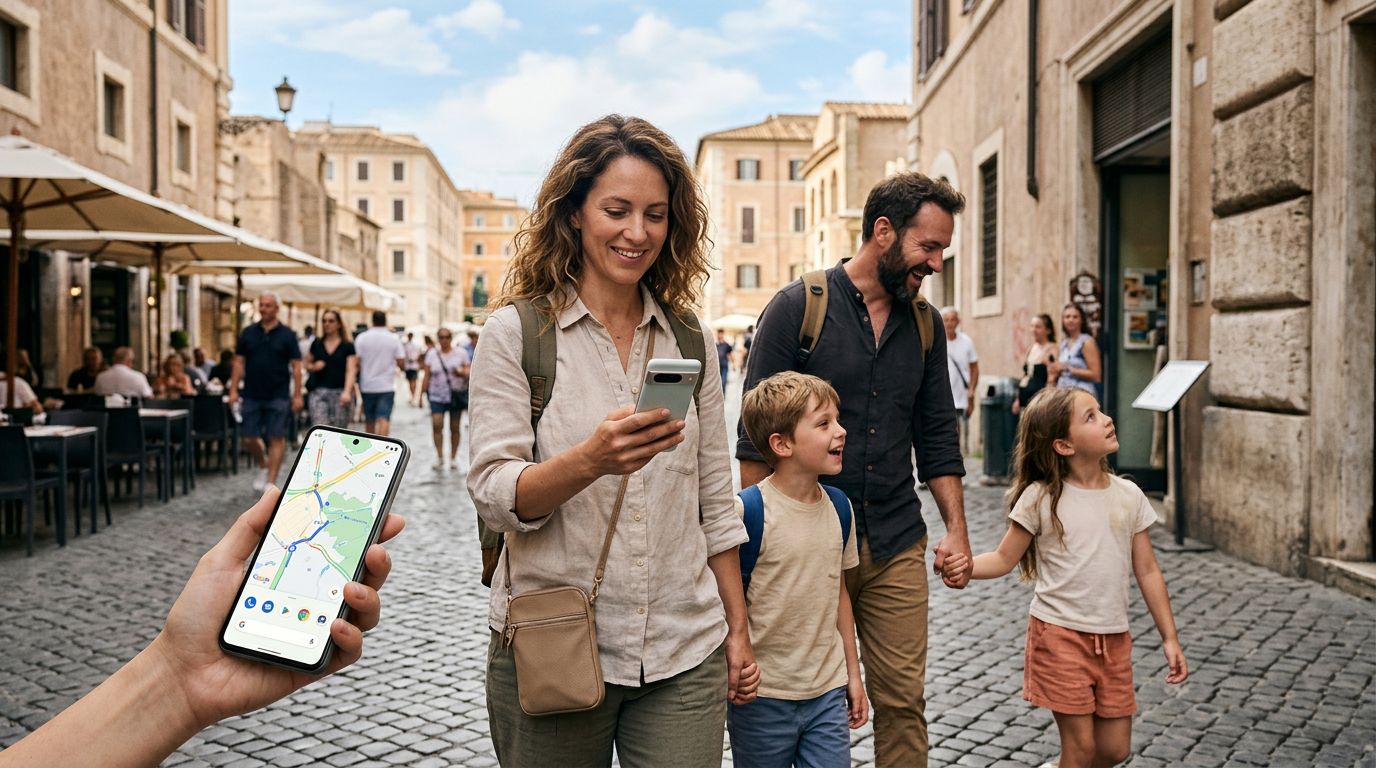
Deciding between an airport SIM and an eSIM ultimately comes down to your priorities regarding time, convenience, and device compatibility. If you value efficiency and want to avoid the typical airport arrival chaos, an eSIM is clearly the superior choice. It allows you to hit the ground running, providing immediate access to maps, ride-sharing apps, and communication tools the moment your wheels touch the tarmac.
For those who prefer the traditional route, airport SIM cards still offer a reliable way to get connected, provided you have the patience to wait in line and the willingness to manage physical hardware. However, as global roaming standards continue to shift toward digital solutions, the reliance on physical kiosks is steadily declining.
If you are planning an upcoming trip, take a moment to check if your phone supports eSIM technology. If it does, exploring a digital plan can save you significant time and frustration. By opting for a modern, digital-first approach, you can focus on enjoying your destination rather than worrying about connectivity logistics. Whether you are traveling for business or leisure, having a plan in place before you depart ensures that your journey remains smooth and stress-free from start to finish.