Understanding Connectivity Options in Senegal
Planning a trip to Senegal involves managing various logistics, and ensuring you have reliable mobile data is a priority for most travelers. Whether you are exploring the vibrant markets of Dakar, visiting the pink waters of Lake Retba, or relaxing on the beaches of Saly, staying connected is essential for maps, translation apps, and sharing your journey. When deciding between a traditional physical SIM card and a modern eSIM, it is helpful to understand how each technology functions within the Senegalese telecommunications landscape.
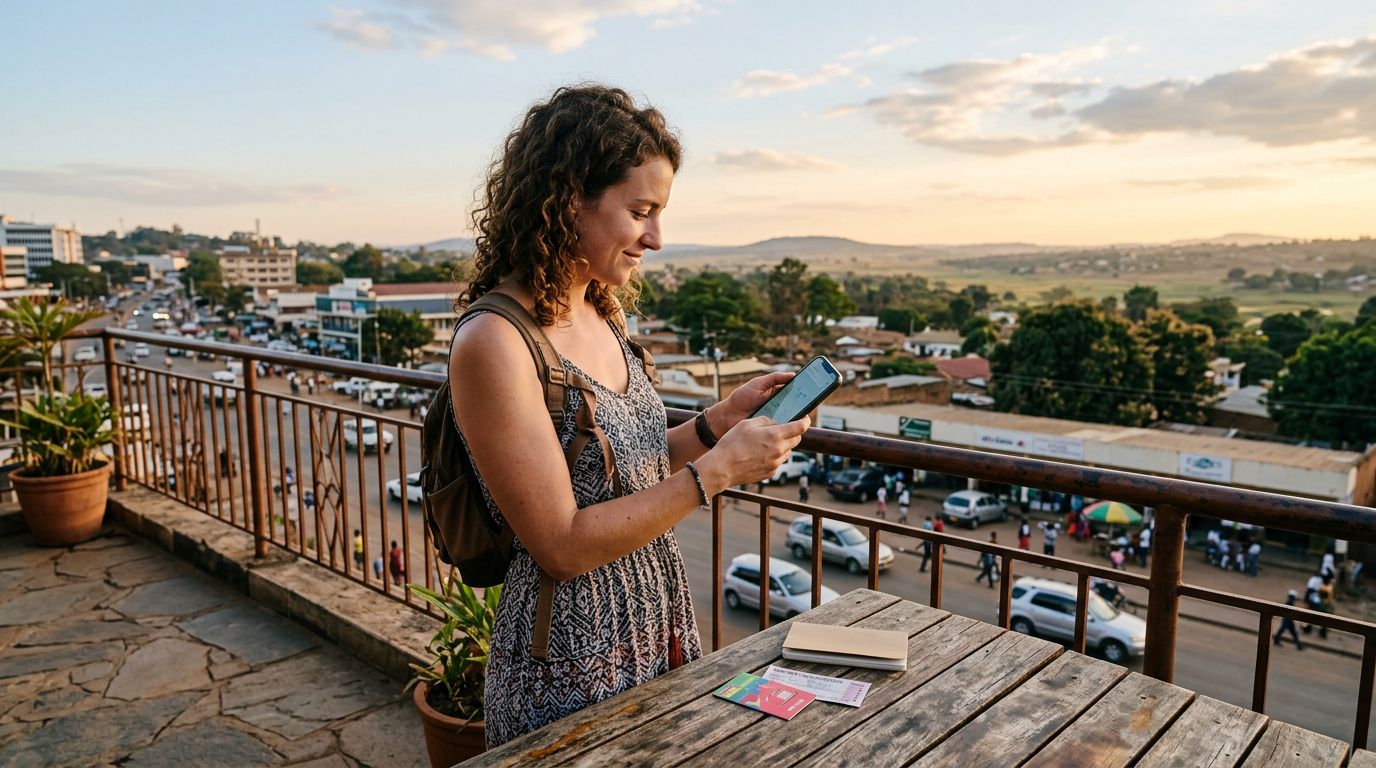
A physical SIM card is the traditional method most travelers are familiar with. Upon arrival at Blaise Diagne International Airport or by visiting a local mobile shop in the city, you can purchase a plastic chip that inserts into your phone. This requires you to physically swap out your home SIM card, which carries the risk of losing or damaging the small chip. You will also need to provide identification, such as your passport, to register the card according to local regulations.
In contrast, an eSIM is a digital version of a SIM card embedded directly into the hardware of compatible smartphones. Instead of handling a physical piece of plastic, you activate your connection by scanning a QR code or using an app. This technology allows you to keep your primary SIM card active for calls or texts from home while using a secondary data plan for your travels. For many, this convenience makes the digital route a preferred choice for international trips.
Comparing Convenience and Setup
The primary difference between a physical Senegal SIM card vs eSIM lies in the setup process and the level of convenience offered to the traveler. With a physical SIM, you are often tethered to the operating hours of mobile kiosks or retail stores. If you arrive late at night or during a holiday, you might find yourself without connectivity until the next business day. Furthermore, the registration process at a physical counter can be time-consuming, involving paperwork and manual activation by the store clerk.
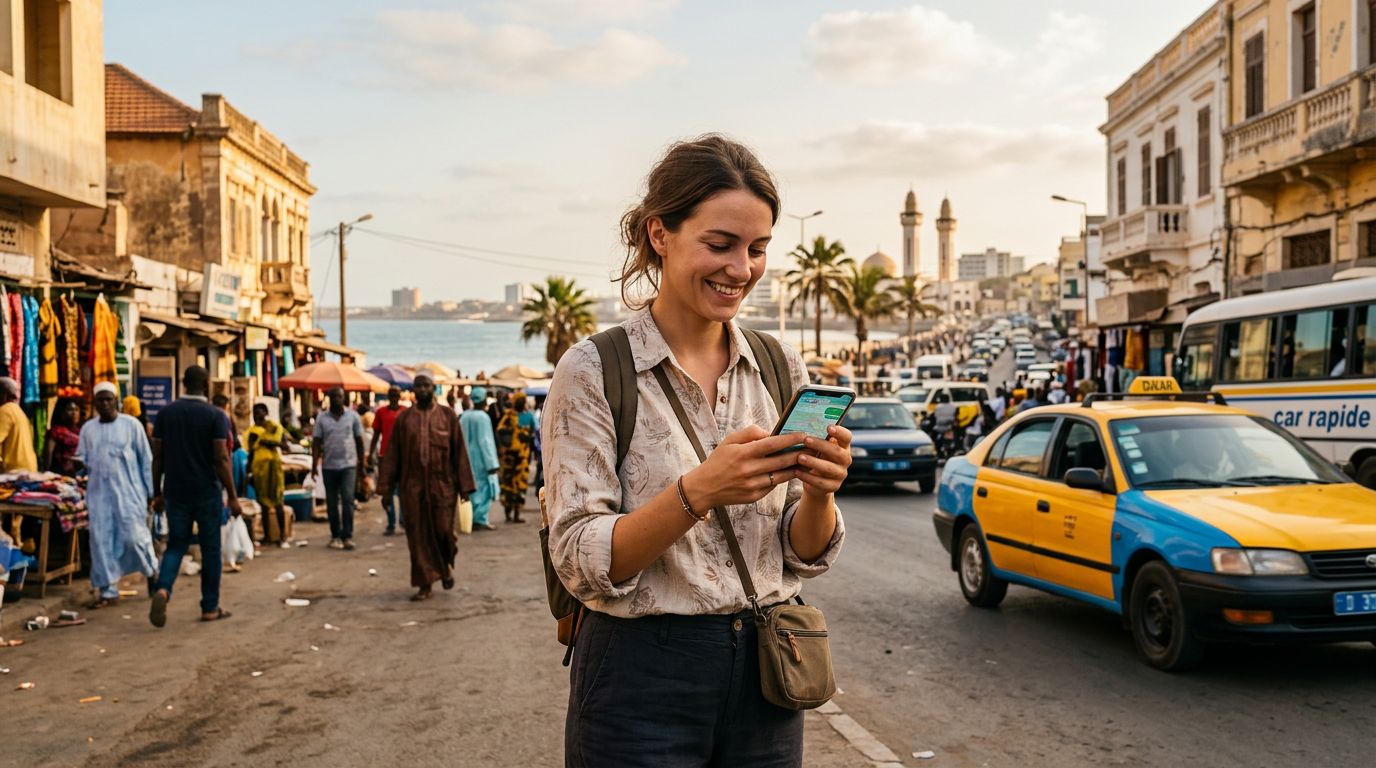
An eSIM provides a more streamlined experience. By choosing a provider like OneTapSIM, you can purchase and install your data plan before you even board your flight. Once you land in Senegal, your phone automatically connects to a local network, allowing you to bypass the airport queues and the search for a local shop. This immediate connectivity is particularly beneficial if you rely on ride-sharing apps or digital maps to reach your accommodation safely.
Compatibility is the main factor to check before opting for an eSIM. While most modern flagship smartphones support eSIM technology, it is important to ensure your device is carrier-unlocked. If your phone is locked to a specific network provider back home, it may not accept an eSIM from a different source. You can verify your device's capabilities by checking your phone’s settings or visiting the official support pages for your device manufacturer. If your phone is compatible, the transition to a digital SIM is usually seamless and requires only a few taps to complete.
Performance and Network Reliability
When considering the performance of a Senegal SIM card vs eSIM, it is important to note that both options generally utilize the same local network infrastructure. The quality of your internet connection depends on the coverage provided by the local Senegalese mobile operators, regardless of whether you use a physical chip or a digital profile. Both methods will grant you access to the same 4G or LTE networks available throughout the country.
The advantage of using a service like OneTapSIM is the ability to manage your data usage effectively. Many travelers find that physical SIM cards can be difficult to top up if they run out of data, especially if the interface is in a language they do not speak or if the payment portals are not optimized for international cards. Digital eSIM plans often come with clear dashboards that allow you to monitor your remaining data in real time. If you find yourself needing more data, you can often purchase an extension or a new plan directly through your phone without needing to visit a physical store.
Another consideration is security. Carrying a physical SIM card involves the risk of losing your home SIM card during the swap process. If you lose your home SIM, you might face significant hurdles in recovering your original phone number or accessing two-factor authentication services linked to that number. An eSIM allows you to maintain your home SIM in its slot, effectively eliminating the risk of misplacing it while you are abroad.
Ultimately, the choice depends on your personal preference and your device's capabilities. If you value spontaneity and want to avoid the administrative tasks associated with local registration, an eSIM is the superior option. It offers a modern, efficient way to stay connected while you enjoy the rich culture and landscapes of Senegal. By preparing your connectivity in advance, you ensure that your focus remains on your itinerary rather than on technical troubleshooting. Whether you are navigating the streets of Saint-Louis or documenting your visit to Gorée Island, having a reliable data connection at your fingertips ensures a smoother and more enjoyable travel experience.
Get an eSIM for
Plans for the destinations covered in this guide, with instant QR delivery.