Understanding Your Connectivity Options in Laos
Traveling through Laos offers an incredible experience, from the serene temples of Luang Prabang to the rugged landscapes of the Bolaven Plateau. However, staying connected while moving between these regions requires a reliable mobile data solution. When planning your trip, you will likely encounter two primary choices: purchasing a physical local SIM card upon arrival or activating an eSIM before you leave home.
A physical SIM card involves visiting a mobile network provider’s kiosk, often found at international airports or in city centers. You will need to present your passport, select a plan, and physically swap the tiny chip in your phone. This method has been the standard for decades and remains a functional way to get online.
Conversely, an eSIM is a digital version of a SIM card that is embedded directly into your device’s hardware. Instead of a physical card, you download a data profile via a QR code or a direct app integration. Because the technology is software-based, it allows you to manage your connectivity without needing to handle small components or visit a physical retail location.
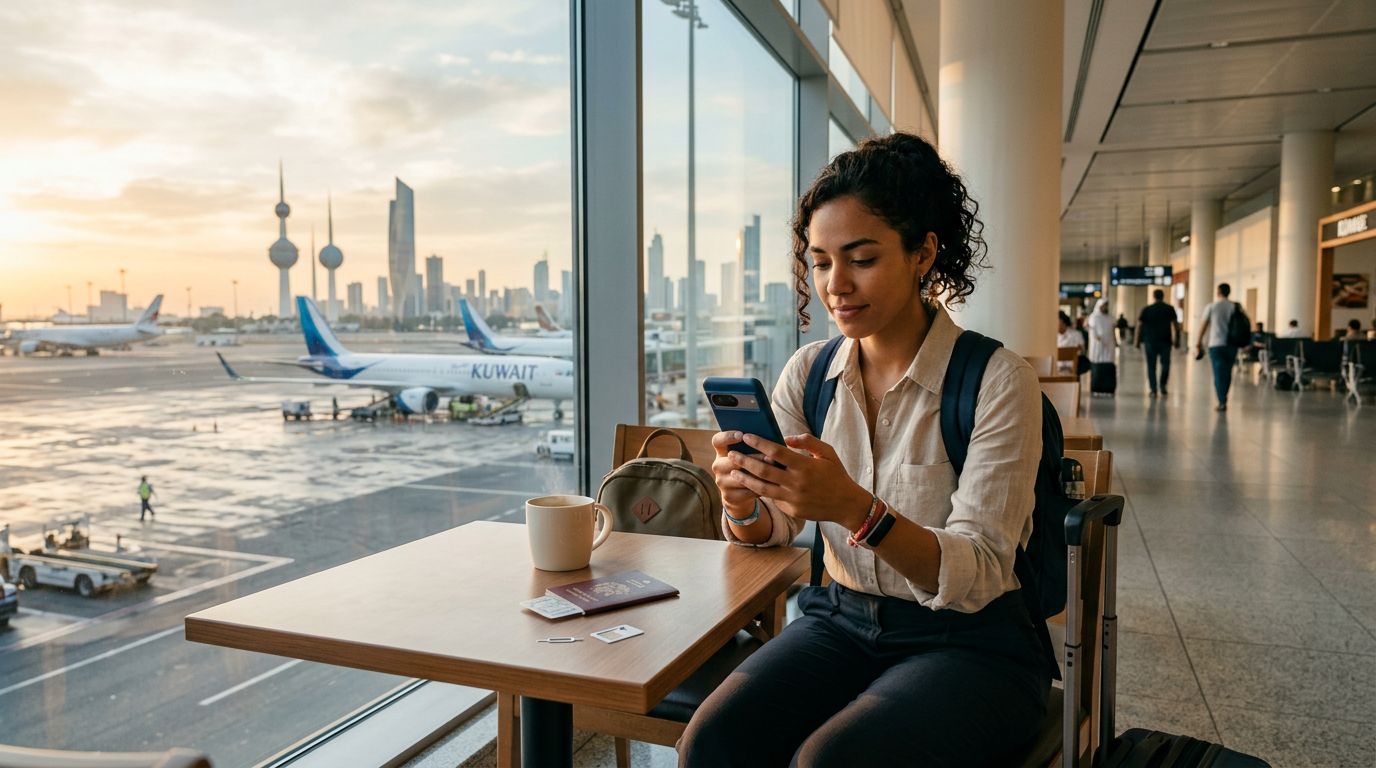
When comparing a Laos SIM card vs eSIM, the core difference lies in convenience and timing. A physical SIM requires you to be physically present at a shop, which can be time-consuming after a long flight. An eSIM, by contrast, can be set up while you are still at home, ensuring that you have an active internet connection the moment your plane touches down on the tarmac.
The Practical Advantages of Choosing an eSIM
The primary benefit of using an eSIM for your Laos adventure is the seamless transition between your home network and your travel destination. With a physical SIM, you must remove your primary card, store it safely to avoid losing it, and insert the local card. This process carries a small but real risk of losing your original SIM card, which can be a headache to replace once you return home.
With an eSIM, your primary SIM card remains safely inside your phone. You can keep your home number active for important calls or two-factor authentication texts while simultaneously using your eSIM for data. This dual-SIM capability is a significant advantage for travelers who need to stay reachable on their primary number while enjoying high-speed data for maps, ride-sharing apps, and social media.
Furthermore, the setup process for an eSIM is remarkably efficient. Providers like OneTapSIM allow you to select your data package and receive your installation instructions well before your trip begins. Once you arrive in Laos, you simply toggle the eSIM on in your phone settings. There is no need to queue at airport kiosks or navigate language barriers to explain which data package you require.
Reliability is another factor to consider. Local physical SIM cards can sometimes be subject to inconsistent stock or limited operating hours at smaller border crossings or remote airports. Because an eSIM is delivered digitally, you are never dependent on the inventory of a specific shop. As long as you have a stable Wi-Fi connection to download your profile, you are ready to go.
Evaluating Compatibility and Device Requirements
Before deciding between a traditional SIM card and an eSIM, it is essential to verify that your smartphone supports eSIM technology. Most modern flagship devices released within the last several years are compatible. You can usually check your device settings under the "Cellular" or "Mobile Data" menu to see if there is an option to "Add eSIM" or "Add Cellular Plan."
If you find that your device is not compatible with eSIM, a physical local SIM card will be your only option. However, if your device supports it, the eSIM is almost universally considered the more modern and convenient choice. It is worth noting that your device must also be carrier-unlocked. If your phone is locked to a specific network provider from your home country, it will not accept a local SIM card or an eSIM from a different provider. Always check your device status with your home carrier before your departure.
When you choose to use an eSIM, you are also opting for a more environmentally friendly solution. Physical SIM cards require plastic manufacturing, packaging, and shipping, all of which generate waste. By choosing a digital-only service, you reduce your travel footprint.
For those who prioritize efficiency, the ability to manage your data usage through an app is a major plus. Many eSIM providers offer dashboards where you can monitor your remaining data and top up if you find yourself using more than anticipated. This level of control is rarely available with standard prepaid physical SIM cards, where checking your balance often requires dialing specific USSD codes that can be difficult to interpret if you do not speak the local language.
Ultimately, the choice between a Laos SIM card vs eSIM depends on your comfort level with technology and your desire for convenience. If you prefer a hands-on experience and want to interact with local vendors, a physical SIM card is a traditional route. However, if you value time, security, and the ability to hit the ground running, an eSIM is the superior option for the modern traveler. By preparing your connectivity in advance, you can spend less time worrying about your phone settings and more time enjoying the breathtaking scenery and rich culture that Laos has to offer. Whether you are trekking through the jungle or relaxing by the Mekong, having a reliable data connection ensures that you can navigate, translate, and share your journey with ease.
Get an eSIM for
Plans for the destinations covered in this guide, with instant QR delivery.