Understanding the Connectivity Options for Your Philippine Adventure
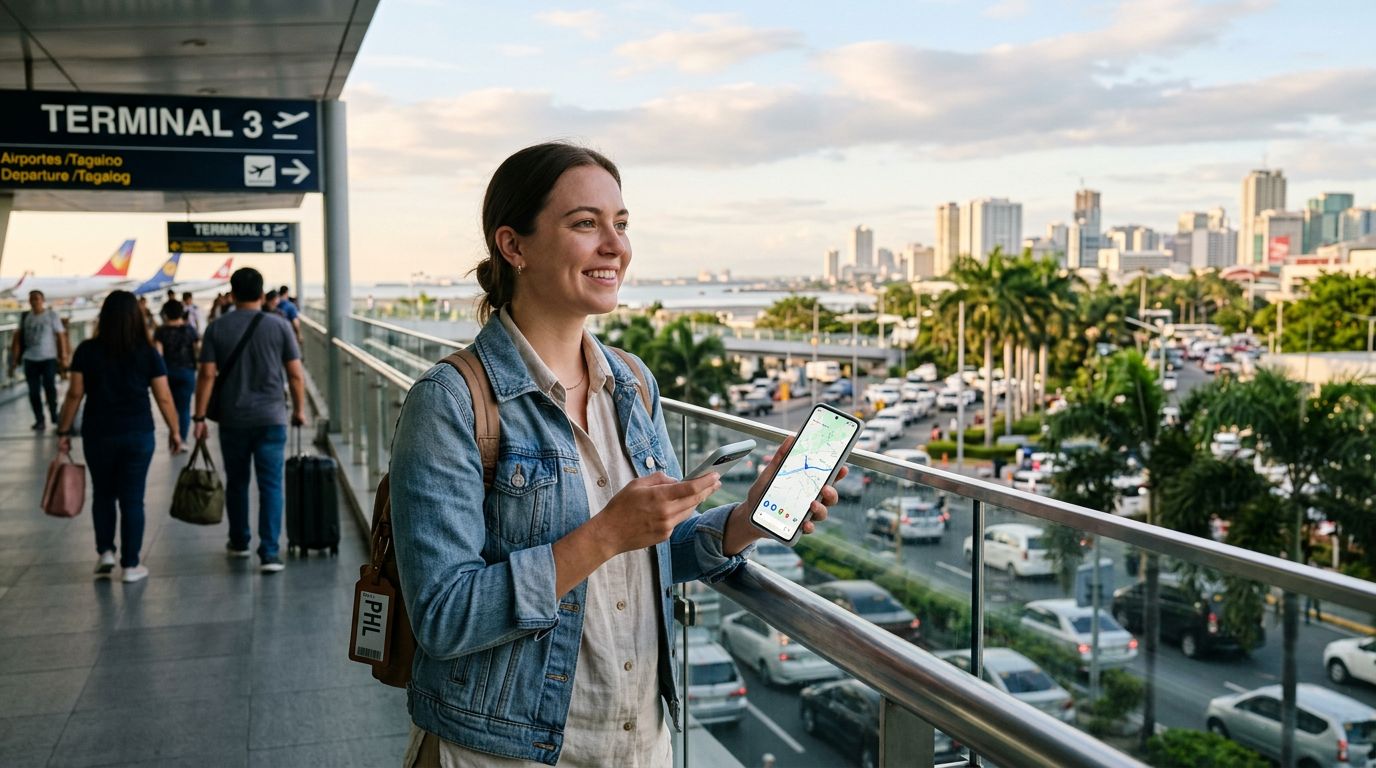
Planning a trip to the Philippines involves many logistical steps, from booking island-hopping tours to choosing the right accommodation. Among these tasks, deciding how you will stay connected is critical. Whether you are navigating the chaotic streets of Manila, trekking through the rice terraces of Banaue, or relaxing on the white sands of Boracay, having a reliable internet connection is essential for maps, translation, and sharing your experiences.
When comparing a Philippines SIM card vs eSIM, you are essentially choosing between a traditional physical method and a modern, digital alternative. A physical SIM card requires you to swap out your home carrier’s chip, while an eSIM is a virtual version that resides directly on your device’s hardware. Both options provide access to local networks, but the user experience, convenience, and setup processes differ significantly.
For many travelers, the physical SIM card has been the standard for decades. You land at the airport, find a kiosk, purchase a card, and manually insert it into your phone. While this is a familiar process, it comes with the risk of losing your original SIM card, potential compatibility issues with locked devices, and the hassle of waiting in long lines after a tiring flight. On the other hand, the eSIM has gained popularity for its ability to be activated before you even leave your home country, allowing you to hit the ground running the moment your plane touches down.
The Pros and Cons of Physical SIM Cards
The traditional physical SIM card remains a widely available option throughout the Philippines. You can find them at major airports, convenience stores, and dedicated carrier shops in malls. If you have an older device that does not support eSIM technology, a physical card is your only viable path toward local connectivity.
One of the primary advantages of a physical SIM is its simplicity in terms of hardware. If you are comfortable handling tiny pieces of plastic and have a SIM ejection tool, the process is straightforward. Once inserted, your phone will typically detect the network automatically. Furthermore, if you are traveling with a group and need multiple connections, you can easily purchase several physical cards to distribute among your companions.
However, the downsides are notable. The most significant risk is the physical handling of the cards. Travelers often lose their home SIM cards while swapping them out in a busy airport terminal. Additionally, physical SIM cards are subject to wear and tear. If the chip becomes scratched or the card is damaged, you may lose connectivity entirely, leaving you stranded without a way to contact your hotel or transportation.
Another consideration is the time investment. Upon arrival, you may find yourself waiting in queues at airport kiosks, which can be frustrating after a long journey. You also have to deal with the administrative task of registering your physical SIM card in accordance with local regulations, which can sometimes involve providing identification and filling out forms at the point of sale.
Why eSIMs are Changing the Travel Experience
The rise of eSIM technology has simplified international travel for millions. By using a digital profile, you eliminate the need to physically open your phone’s SIM tray. This is particularly beneficial for travelers who want to maintain their home number for essential calls or two-factor authentication texts while using a separate data plan for their local internet needs.
OneTapSIM offers a seamless way to manage this transition. By choosing an eSIM, you can pre-configure your device, ensuring that you have connectivity the moment you step off the plane. This removes the stress of finding a shop or dealing with language barriers at an airport kiosk. Instead of hunting for a store, you can spend your first hour in the Philippines grabbing a coffee or heading straight to your hotel.
Compatibility is the primary prerequisite for using an eSIM. Most modern smartphones support this technology, but it is always wise to verify your device’s capabilities through official manufacturer resources. If your phone is carrier-locked, you will need to contact your home provider to unlock it before your trip, as an eSIM will not function on a restricted device.
Beyond convenience, eSIMs are more secure. Because the data is downloaded directly to your phone, there is no physical card to lose or steal. If you decide to extend your trip, you can often purchase additional data packages through your eSIM provider’s app without needing to find a local vendor or purchase a new physical card. This flexibility makes it an ideal choice for digital nomads and frequent travelers who value efficiency and reliability.
Making the Final Decision for Your Trip
When weighing the Philippines SIM card vs eSIM debate, consider your specific travel style. If you are a minimalist who values time-saving solutions and modern technology, an eSIM is likely the superior choice. It allows you to bypass the airport chaos and ensures that your primary SIM card remains safely tucked away in your phone, protected from loss or damage.
If you are traveling with an older device or prefer the tactile reassurance of a physical card, the traditional SIM route remains a solid backup. However, the trend toward digital-first travel is clear. As more carriers and destinations embrace eSIM technology, the friction associated with international connectivity continues to decrease.
Before you depart, take a moment to check your phone settings to see if your device is eSIM-ready. If it is, consider the peace of mind that comes with having your data plan active before you even reach the boarding gate. By planning ahead with a service like OneTapSIM, you can focus on the beauty of the Philippine islands rather than the logistics of staying connected. Whether you choose the traditional path or the digital upgrade, the goal remains the same: enjoying a seamless, connected experience as you explore the stunning landscapes and vibrant culture of the Philippines.
Get an eSIM for
Plans for the destinations covered in this guide, with instant QR delivery.