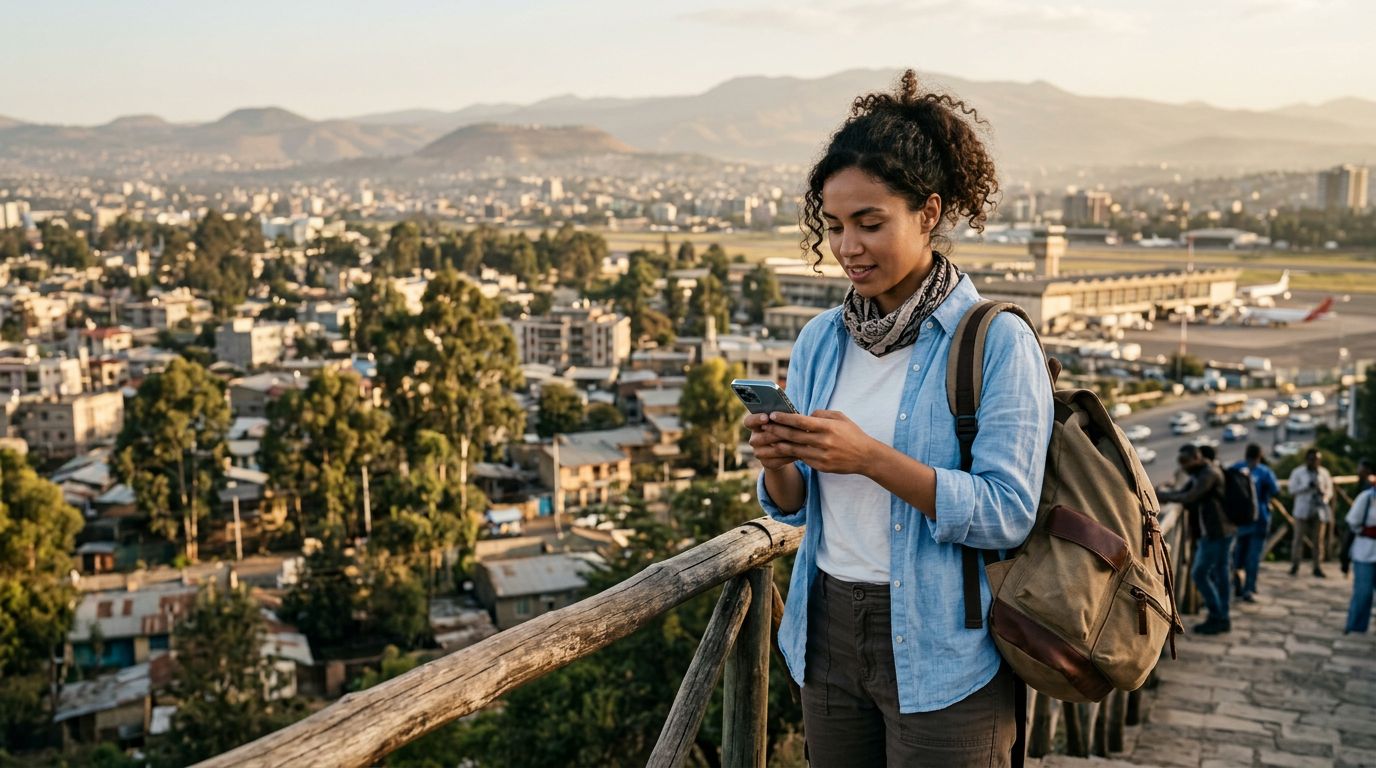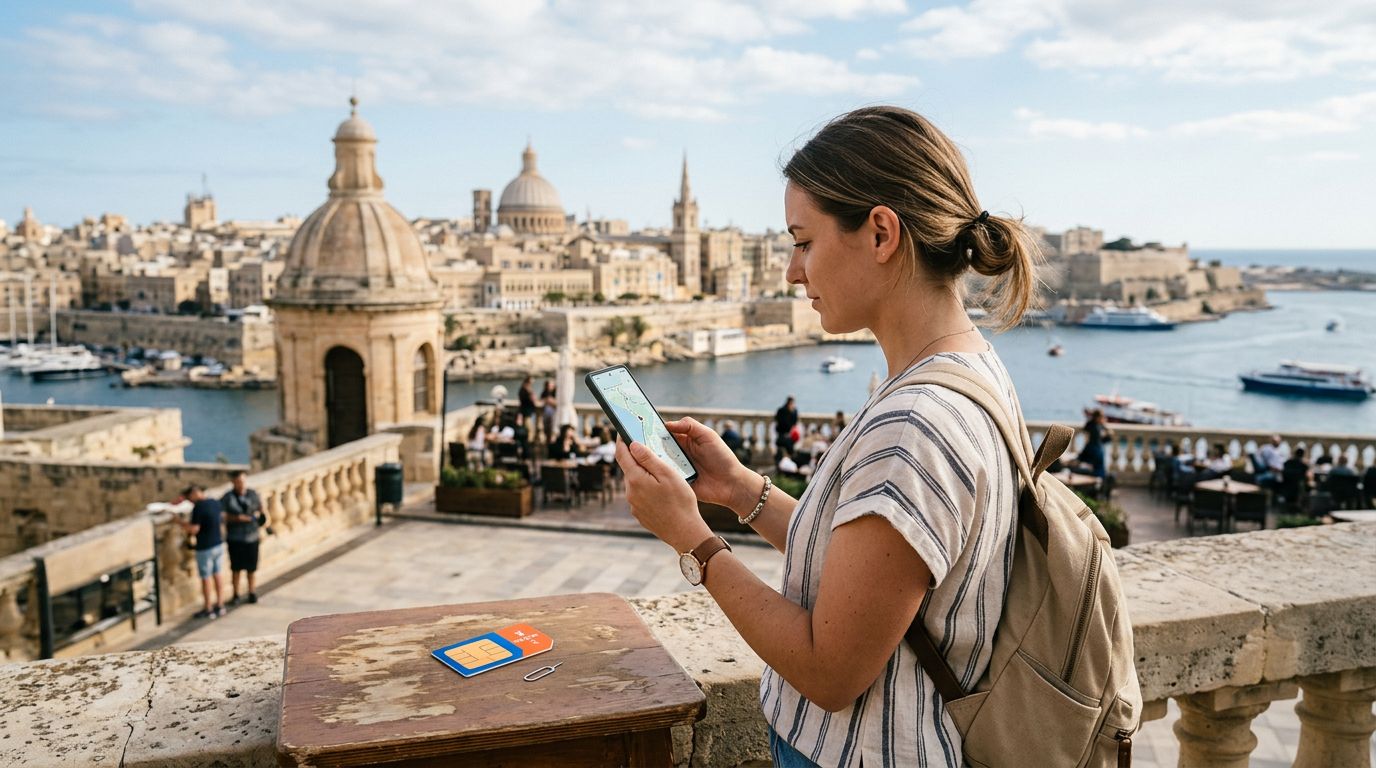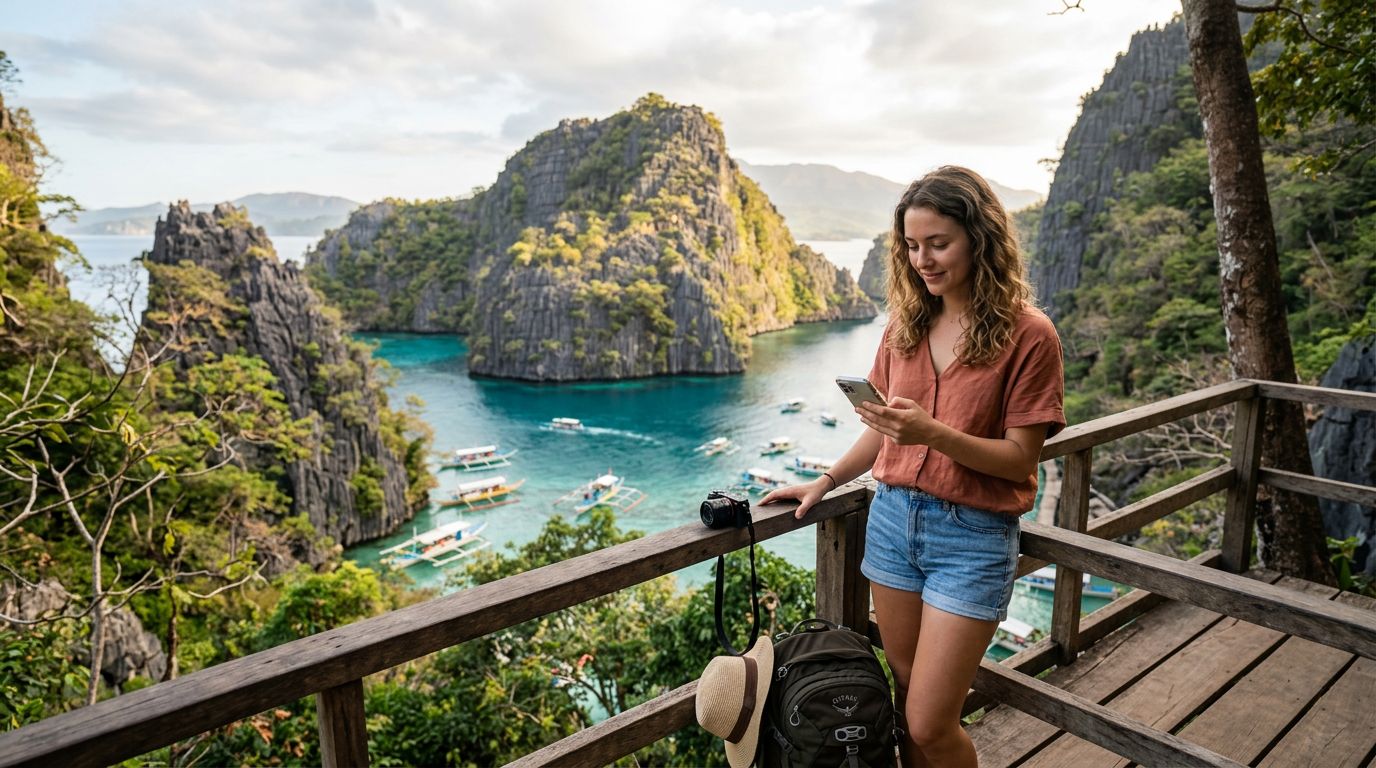
Planning a trip to the Philippines is an exciting endeavor. Whether you are heading to the pristine beaches of Palawan, the bustling streets of Manila, or the surfing spots in Siargao, staying connected is essential. A reliable internet connection helps you book rides, translate local dialects, find hidden gems, and share your experiences with friends and family back home. When preparing for your journey, one of the most important decisions you will make is how to handle your mobile data. The debate between a traditional Philippines SIM card vs eSIM is common, and understanding the differences is key to a stress-free vacation.
Understanding the Traditional Physical SIM Card
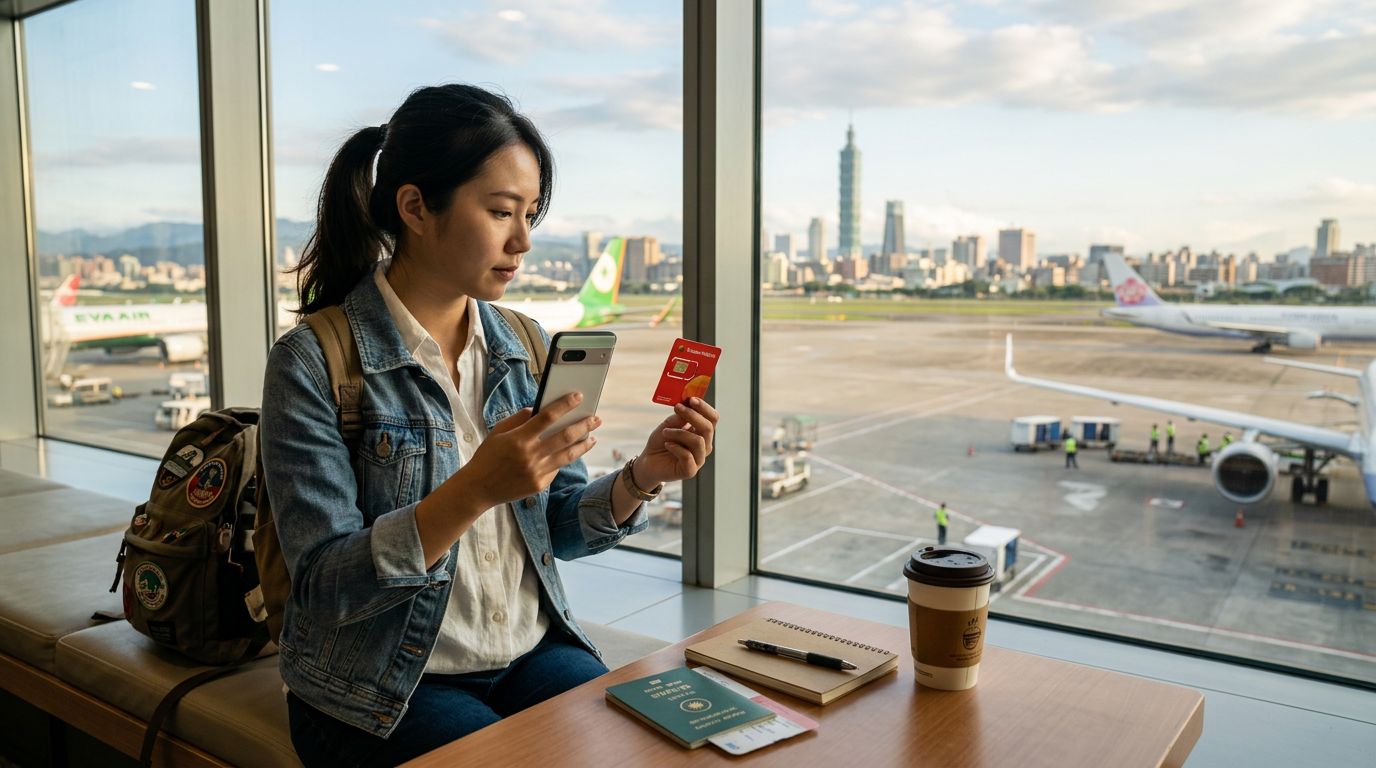
For many years, the standard approach to international travel connectivity was purchasing a physical SIM card upon arrival. When you land at an airport in the Philippines, you are often greeted by kiosks from major local telecommunications providers. This method involves removing your home SIM card from your phone and replacing it with a local one.
The primary advantage of this approach is that it is a tried-and-true method. Most travelers are familiar with the process, and there is a sense of security in physically holding the card. However, this method comes with several logistical hurdles. First, you must manage the physical swapping of tiny cards, which are easily lost or damaged. Second, you are often required to wait in long queues at the airport after a tiring flight. Third, you must ensure your phone is carrier-unlocked before you leave your home country; if it is locked to your home provider, a local SIM card will simply not work.
Another consideration is the management of your home number. When you remove your primary SIM card to make space for the local one, you effectively disconnect your phone from your home network. This means you will not receive SMS verification codes for your banking apps or important calls from back home, which can be a significant inconvenience during a trip.
The Rise of eSIM Technology for Travelers
An eSIM, or embedded SIM, is a digital version of the traditional plastic card. Instead of physically inserting a chip into your device, you download a data plan directly to your phone’s internal hardware. This technology has revolutionized travel connectivity because it removes the need for physical hardware swaps.
One of the most significant benefits of using an eSIM for your trip to the Philippines is the ability to set up your connection before you even leave your house. With providers like OneTapSIM, you can purchase and install your data plan while still at home. Once you land in the Philippines, you simply activate the plan, and you are connected to the local network immediately. This eliminates the need to hunt for a kiosk or wait in line at the airport.
Furthermore, eSIM technology allows for dual-SIM functionality on most modern smartphones. You can keep your home SIM card active in your device while simultaneously running your travel eSIM. This means you stay reachable on your primary phone number for essential calls or texts while using the eSIM for your data needs. This seamless integration ensures that you never miss an important notification while you explore the islands.
Compatibility is an important factor to keep in mind. While most modern smartphones manufactured in the last few years support eSIM technology, it is always wise to verify your device’s capabilities. You can check the manufacturer’s support pages to ensure your specific model is compatible. If your phone is locked to a specific carrier, you will still need to have it unlocked by your home provider before an eSIM will function, just as you would with a physical card.
Making the Final Decision for Your Trip
When comparing a Philippines SIM card vs eSIM, the choice ultimately comes down to your personal preferences regarding convenience and device management. If you are someone who enjoys the tactile nature of physical cards and does not mind the potential wait at the airport, a local SIM card remains a functional option. However, if you prioritize efficiency and want to hit the ground running the moment your plane touches down, an eSIM is the superior choice.
Using an eSIM allows you to bypass the stress of finding a shop, dealing with language barriers at a counter, or worrying about losing your home SIM card. It provides a clean, digital solution that works in the background of your device. By choosing a service like OneTapSIM, you gain the advantage of a streamlined setup process that is designed specifically for the needs of international travelers.
Beyond convenience, there is the environmental aspect to consider. Physical SIM cards require plastic manufacturing, packaging, and shipping, all of which contribute to waste. eSIMs are entirely digital, making them a more sustainable choice for the modern traveler.
As you finalize your travel plans, think about how much time you want to spend on logistics versus how much time you want to spend enjoying your vacation. Most travelers find that the small amount of time spent setting up an eSIM prior to departure pays off tenfold once they are in the middle of a beautiful Philippine landscape, effortlessly browsing maps or uploading photos without a second thought.
If you decide to go the eSIM route, ensure your phone is updated to the latest operating system, as this often includes improvements to how devices handle dual-SIM and eSIM configurations. Once you have confirmed your device is ready, you can enjoy the peace of mind that comes with knowing your connectivity is handled before your journey even begins. Whether you are island hopping in the Visayas or trekking in the mountains of the north, having a reliable, pre-configured data plan ensures that your focus remains on the adventure, not on your settings menu.
Get an eSIM for
Plans for the destinations covered in this guide, with instant QR delivery.