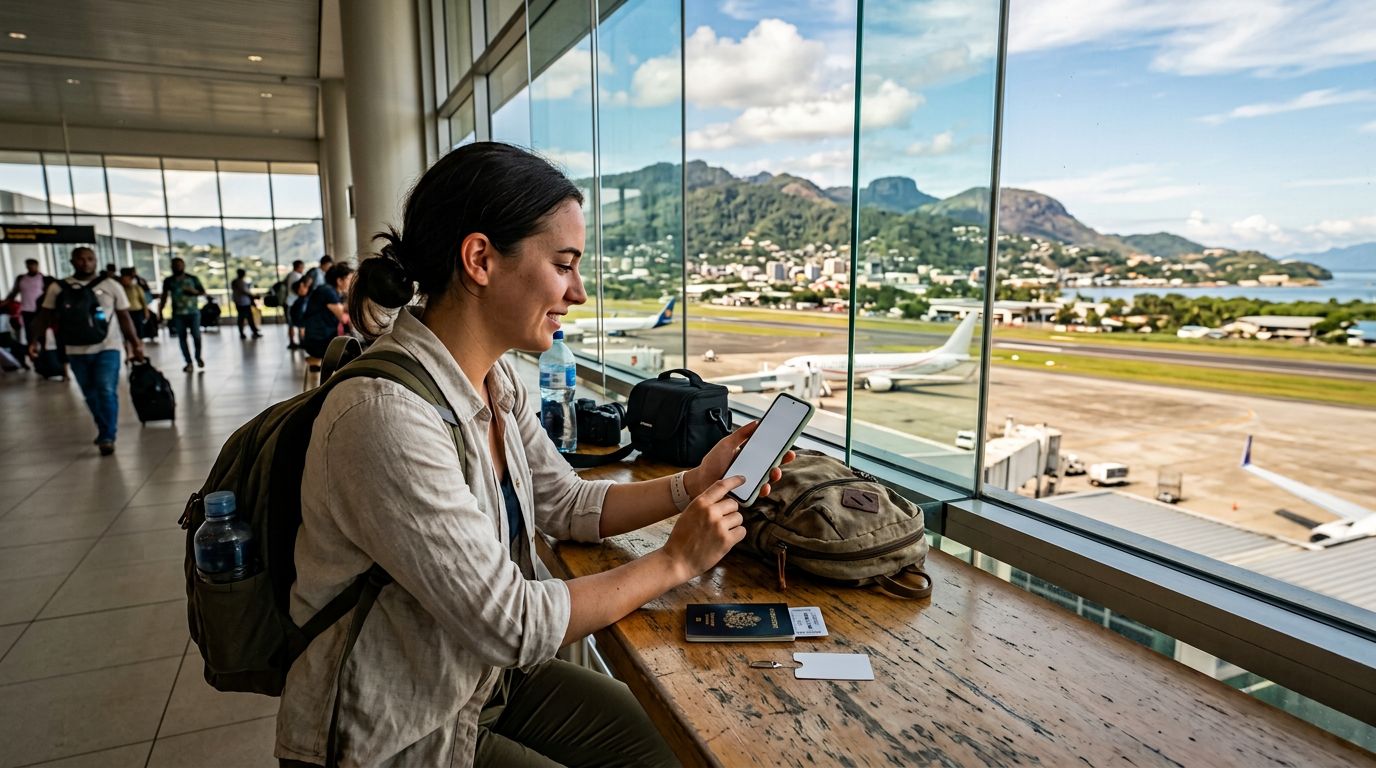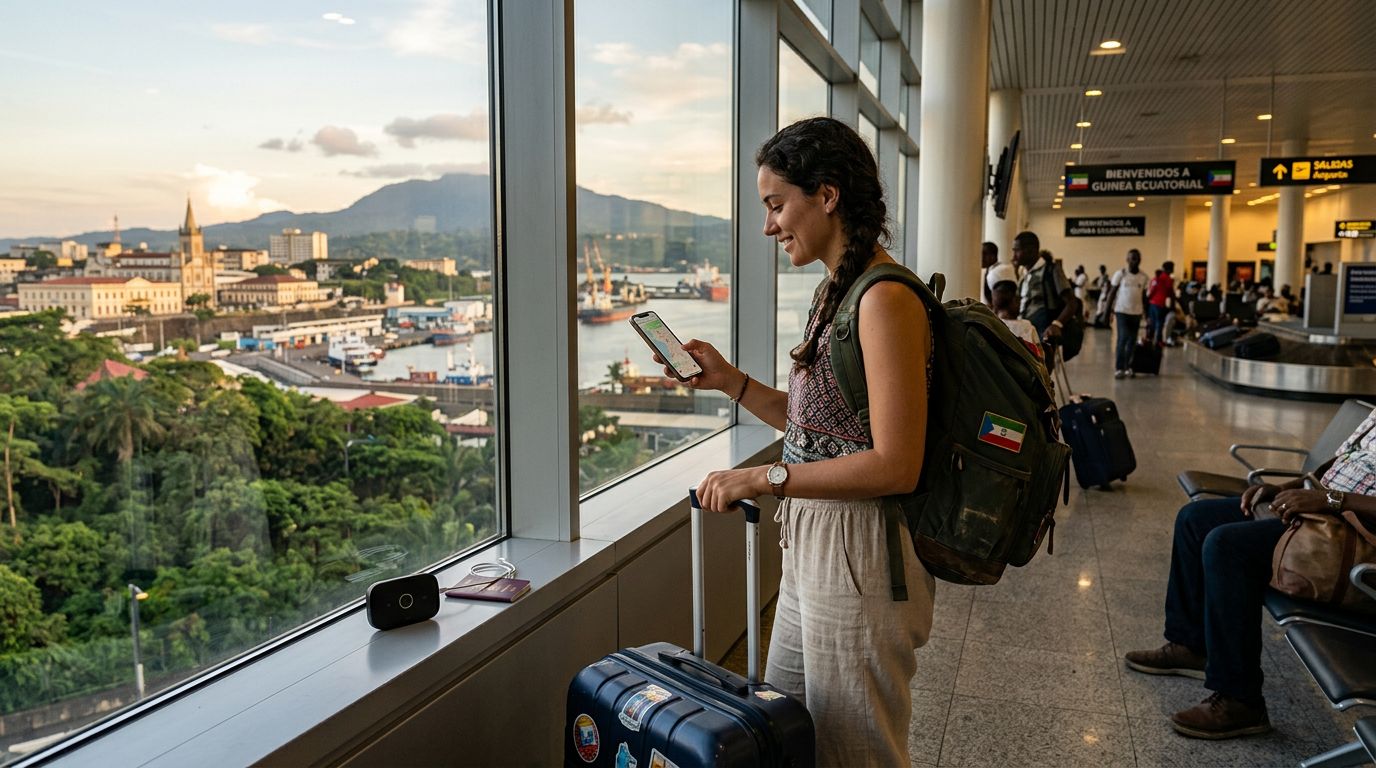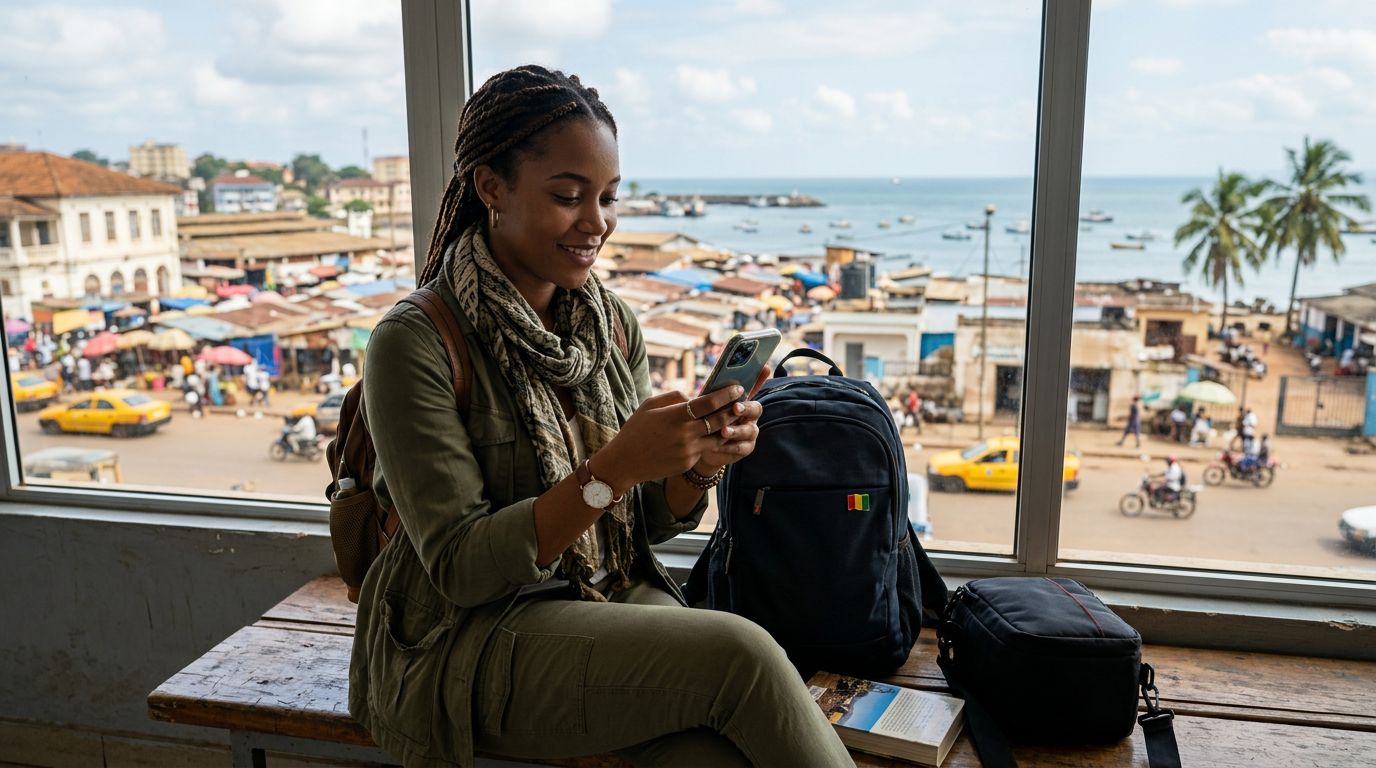
Understanding Your Connectivity Options in Guinea
Planning a trip to Guinea involves managing various logistics, from securing your visa to arranging local transportation. Among these preparations, ensuring you have reliable mobile data is often overlooked until the moment you land at Conakry International Airport. When considering the debate of roaming vs eSIM for Guinea trip planning, it is important to weigh the convenience of your home carrier against the flexibility offered by modern digital SIM technology.
Traditional international roaming is the default option for most travelers. It requires no setup; you simply land in your destination, turn on your phone, and your home provider connects you to a local partner network. However, this convenience often comes with significant drawbacks. Many domestic carriers apply restrictive data caps or throttling policies when you are abroad. Furthermore, because your phone is routing traffic through your home network’s infrastructure, you may experience higher latency, which can make simple tasks like checking maps or loading websites feel sluggish.
On the other hand, an eSIM—or embedded SIM—is a digital version of a physical SIM card that is built directly into your smartphone’s hardware. Instead of swapping out a plastic card, you download a data profile that allows your phone to connect directly to local networks in Guinea. This approach treats your device more like a local phone, providing a more stable and efficient connection. For travelers who want to remain reachable on their primary number while using a separate data plan for navigation and social media, the eSIM provides a distinct advantage by allowing dual-SIM functionality.
The Practical Benefits of Choosing an eSIM
When you compare roaming vs eSIM for Guinea trip connectivity, the most immediate benefit of an eSIM is the ability to manage your data usage without the fear of unexpected service charges. With traditional roaming, it is easy to accidentally exceed a data limit or have background apps consume your allowance, leading to a surprise on your next billing cycle. An eSIM acts as a dedicated data bucket that is entirely separate from your primary service plan.
OneTapSIM offers a streamlined way to manage this digital transition. By selecting an eSIM, you gain the freedom to activate your data plan the moment you arrive in Guinea, or even set it up before you leave home. This removes the need to hunt for a physical kiosk at the airport or deal with the language barriers that can sometimes occur when purchasing a local SIM card from a vendor. Because the setup is entirely digital, you do not have to worry about losing a physical SIM card or damaging your phone’s SIM tray during the installation process.
Another critical factor is network quality. Local providers in Guinea have built extensive infrastructure to serve their domestic population. By using an eSIM, you are effectively tapping into those local carrier agreements directly. This often results in better coverage in urban centers like Conakry and more reliable performance in regional areas compared to roaming, which relies on the specific roaming agreements your home carrier has negotiated. If you are traveling for business or need to join video calls, the stability provided by an eSIM-driven connection is generally superior to the routed traffic of traditional roaming.
Preparing Your Device for a Guinea Adventure
Before you decide on your connectivity strategy, you must ensure your hardware is compatible. Most modern smartphones released in the last few years support eSIM technology. You can verify your device's capabilities by checking your phone's settings menu under the cellular or mobile data sections. If you see an option to "Add eSIM" or "Add Cellular Plan," your device is ready to go.
The process of installing an eSIM is straightforward. Once you have purchased your plan, you will receive a QR code or an activation string. You simply scan the code or enter the details provided, and your phone will download the necessary network configurations. This process is secure and does not interfere with your primary phone number. If you need to keep your home number active for calls or text messages, you can configure your phone to use your primary SIM for voice and your eSIM for data. This is a common setup for travelers who want to avoid the high costs of international data roaming while still being reachable for urgent calls from home.
If you are concerned about the technical aspects, support documentation is available through your device manufacturer. For instance, Apple provides detailed guides on their support website regarding how to manage eSIMs on iPhone, and Google offers similar resources for Pixel devices. These guides can help you understand how to toggle between different data lines, ensuring you are always using the most cost-effective and reliable connection available.
Ultimately, the choice between roaming and an eSIM comes down to your priorities. If you value simplicity and are willing to accept the limitations of your home carrier, roaming might suffice for a very short, low-data trip. However, for a more robust experience that offers better performance, greater control over your data usage, and the convenience of staying connected without relying on your home provider’s expensive international bundles, an eSIM is the modern standard. By planning ahead and installing your OneTapSIM profile before you depart, you ensure that your arrival in Guinea is focused on your itinerary rather than troubleshooting your mobile connectivity. Whether you are navigating the busy streets of the capital or exploring the natural beauty of the Fouta Djallon highlands, having a dedicated data plan ensures you stay connected exactly when you need it most.
Get an eSIM for
Plans for the destinations covered in this guide, with instant QR delivery.