Why Guinea Demands Reliable Connectivity
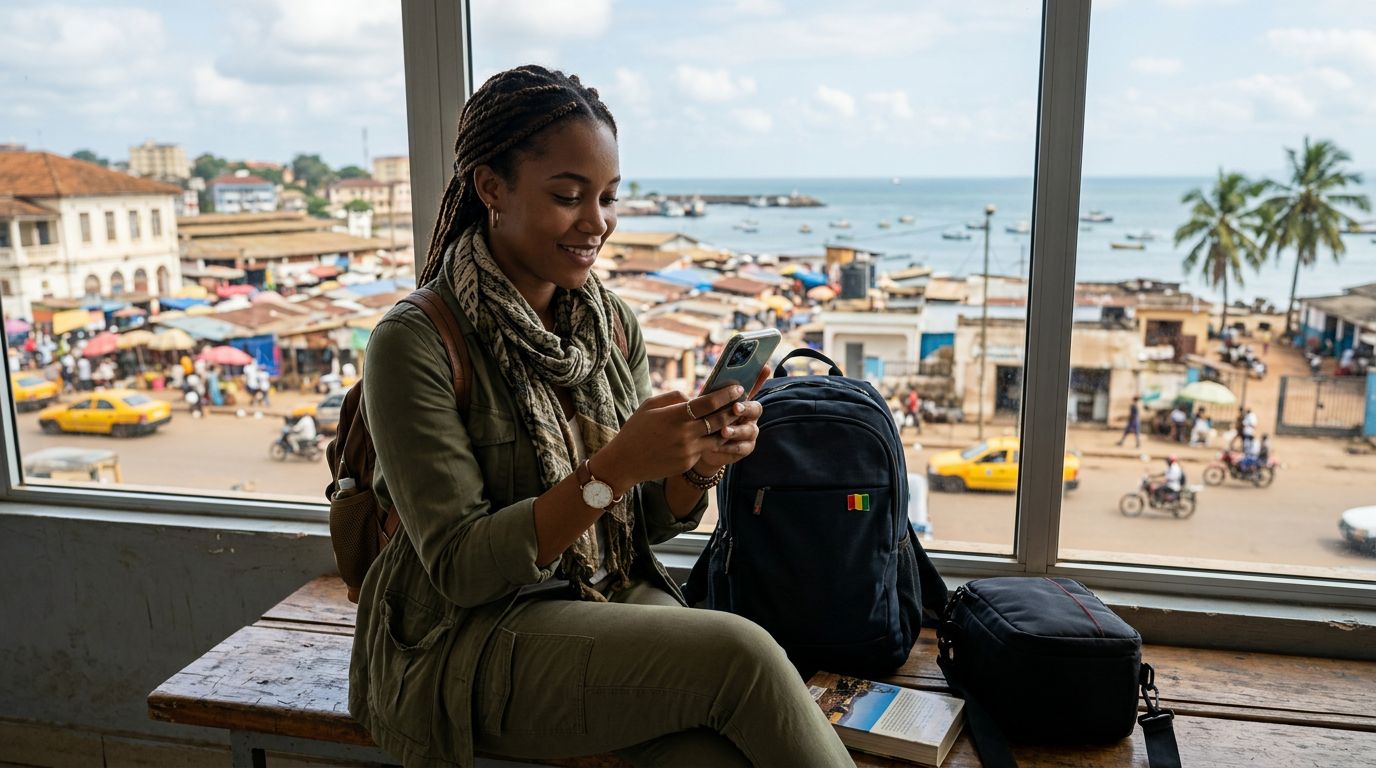
Traveling to the Republic of Guinea offers a unique experience, from the lush landscapes of the Fouta Djallon highlands to the vibrant cultural pulse of Conakry. Whether you are visiting for business, exploring the natural beauty of the Nimba Mountains, or visiting family, maintaining a stable internet connection is essential. Without a reliable way to access maps, translation tools, and communication apps, even the most seasoned traveler can find themselves in a difficult position.
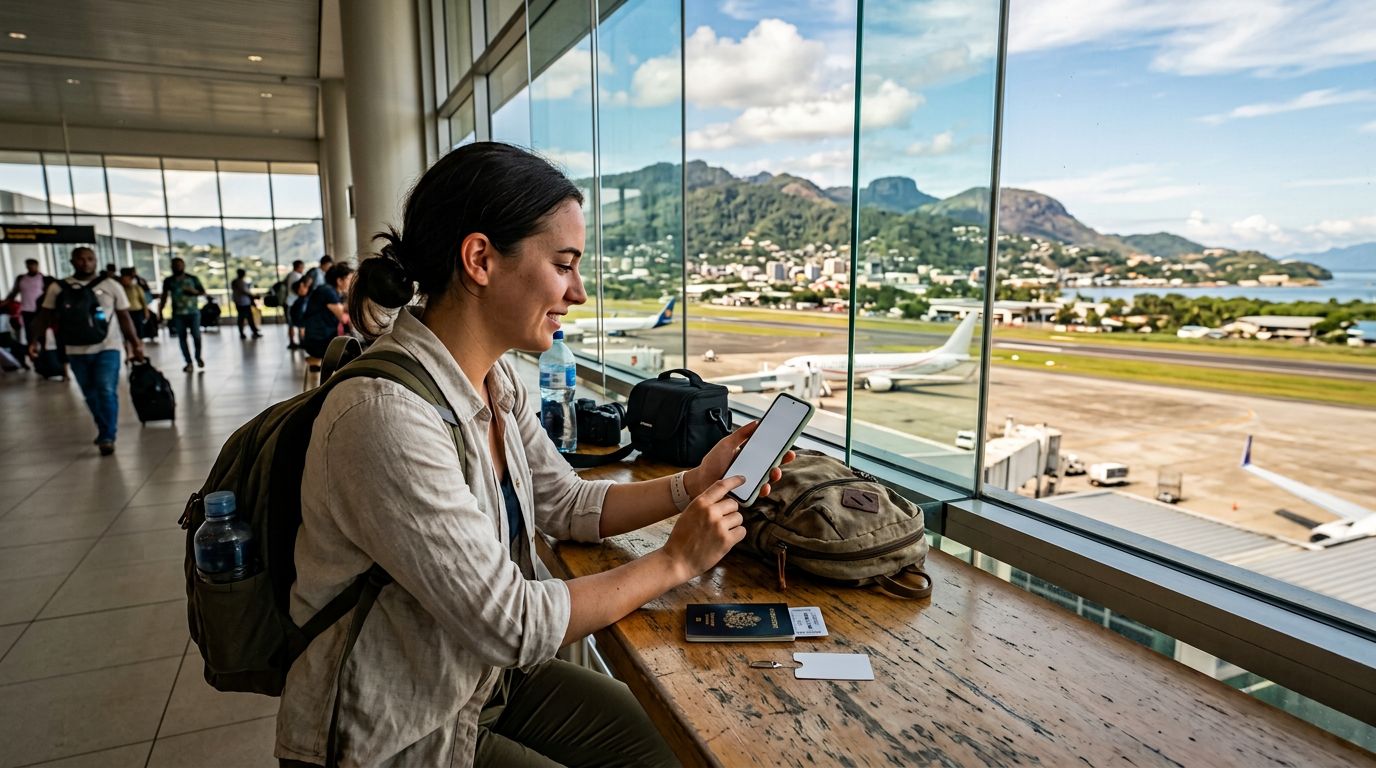
Traditionally, travelers relied on physical SIM cards purchased at kiosks upon arrival. This process often involves long queues, language barriers, and the risk of losing your original home SIM card. With the rise of eSIM technology, these inconveniences are becoming a thing of the past. An eSIM allows you to activate a mobile data plan digitally, ensuring you are connected the moment you touch down at Conakry International Airport.
Choosing an eSIM for travel to Guinea is the most efficient way to manage your mobile data. It eliminates the need to handle small plastic cards or commit to long-term local contracts. By using a digital solution like OneTapSIM, you can manage your connectivity needs through your smartphone settings, providing a seamless transition from your home network to local data services in West Africa.
Understanding the Benefits of eSIM Technology
An eSIM, or embedded SIM, is a digital version of the traditional physical SIM card. It is built directly into the hardware of modern smartphones. Because it is software-based, you can switch between different providers without physically swapping out hardware. For those traveling to Guinea, this means you can keep your primary number active for calls or texts while using a secondary eSIM profile exclusively for data.
The primary advantage of this technology is convenience. You do not need to hunt for a local mobile store or worry about your phone being locked to a specific carrier. As long as your device is carrier-unlocked and supports eSIM functionality, you can install a plan before you even leave your home country. This provides peace of mind, knowing that you will have access to navigation apps and emergency services as soon as you land.
Furthermore, eSIMs are highly secure. Since there is no physical card to remove, there is no risk of losing it or having it stolen. If you misplace your phone, the eSIM remains tied to the device, and you can manage your data usage through your account. OneTapSIM focuses on providing a streamlined experience that prioritizes user accessibility, ensuring that even those who are not tech-savvy can activate their data plan with minimal effort.
Before you proceed, it is important to verify that your device is compatible. Most flagship smartphones released in the last few years support this technology. You can check your device settings or consult the official support pages for your manufacturer to confirm that your model is eSIM-ready. Once confirmed, the setup process generally involves scanning a QR code or entering a manual activation code provided by your service provider.
Tips for Staying Connected in Guinea
Connectivity in Guinea can vary depending on your location. In urban centers like Conakry, mobile data coverage is generally robust, allowing for high-speed browsing and reliable video calls. However, as you venture into more remote regions or rural areas, the signal strength may fluctuate. Having a reliable eSIM plan helps you maximize the available infrastructure.
To make the most of your mobile data while traveling, consider these practical tips:
First, monitor your background data usage. Many apps synchronize or update in the background, which can consume your data allowance quickly. You can adjust your smartphone settings to restrict background data for non-essential applications. This ensures that your data is reserved for critical tasks like using ride-sharing apps, checking emails, or looking up local information.
Second, download offline maps and essential documents before you depart. While an eSIM provides excellent connectivity, having offline resources serves as a reliable backup. Google Maps, for instance, allows you to save specific regions for offline use, which is helpful when navigating areas with intermittent signal.
Third, use Wi-Fi whenever it is available at your accommodation or in cafes. By offloading heavy tasks—such as downloading large files or streaming high-definition video—to a stable Wi-Fi connection, you can conserve your eSIM data for when you are on the move.
Finally, prioritize a provider that offers clear instructions and support. OneTapSIM is designed to simplify the technical side of travel, allowing you to focus on your itinerary rather than troubleshooting connectivity issues. By following these steps and utilizing a modern digital SIM solution, you can ensure that your trip to Guinea remains productive and stress-free. Whether you are navigating the busy streets of the capital or trekking through the scenic interior, staying connected is now simpler than ever.
Get an eSIM for
Plans for the destinations covered in this guide, with instant QR delivery.